How Nigerian Celebrity Fandoms Compare to K-Pop Stans: Passion, Strategy and Culture
Jalen Ross··10 min read
Ad SpaceArticle Top - 728x90
Advertisement
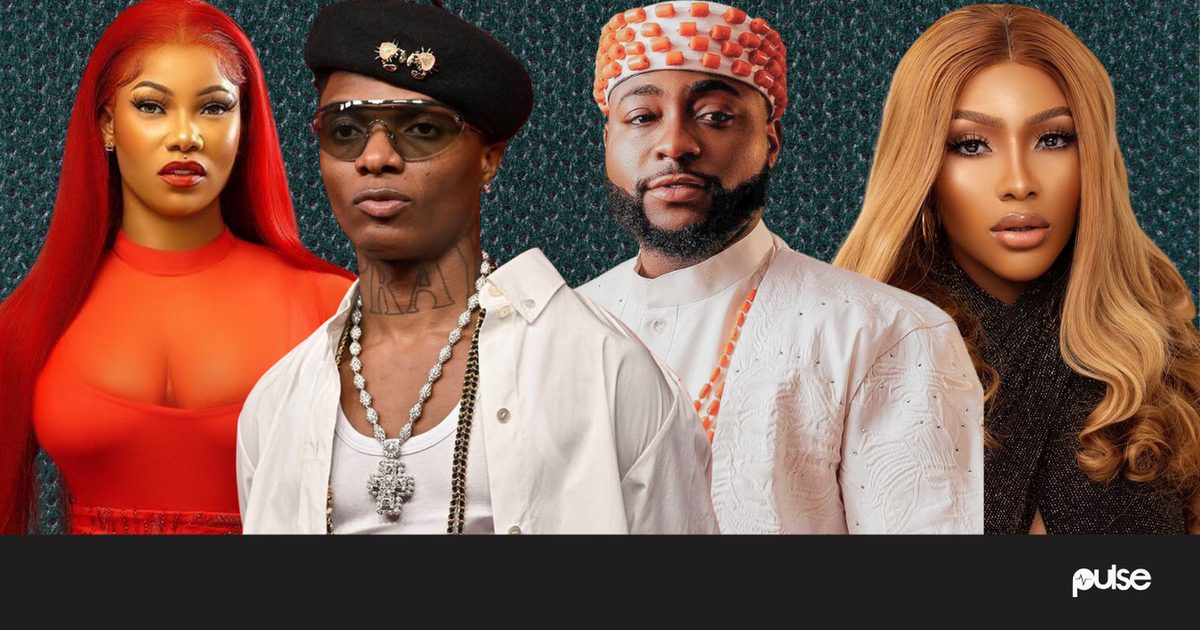
Walk into a Wizkid concert at the O2 Arena and the noise hits like a humid storm. Sit in a BTS show in Seoul and the noise arrives differently, organised into chants so synchronised they sound rehearsed because they actually were. Both crowds love their artists to the point of obsession. The way that obsession gets expressed, though, splits along lines that say a lot about how Nigerian and Korean pop cultures actually function.
Nigerian fandoms and K-Pop stans occupy the same emotional territory. Both treat their faves as untouchable. Both will go to digital war over a perceived slight. The mechanics, the logistics and the institutional scaffolding behind each one are where they diverge, and that divergence rewards a closer look than the usual “Naija stans are the African ARMY” shorthand.
The Scale Gap Is Real, but Nobody Can Measure It
Comparing fandom sizes is where most of these comparisons go wrong, because the two cultures do not produce comparable numbers. The figures that circulate for K-Pop fandoms are usually platform metrics rather than membership counts. BTS have tens of millions of followers on X and tens of millions of subscribers on their YouTube channel, and Weverse, the fan platform their company operates, reports registered users in the tens of millions. Paid official fan club membership is a much smaller, separate number. Press coverage that reports a single headline figure for “how many ARMY there are” is almost always collapsing several of those metrics into one.
Nigerian fandoms generate even less countable data. 30BG, FC and the Outsiders have no registration system, no paid tier, no fancafe and no central roster. What exists is follower counts on artists’ own accounts, engagement spikes around releases, and the self-reporting of fan pages. Any specific membership figure for a Naija fandom is a guess dressed up as a statistic, and this article will not be offering one.
The engagement intensity per participant is a separate question from scale, and on that measure the gap narrows considerably. A 30BG member arguing for Davido on a Lagos timeline at 2am is not noticeably less committed than an ARMY defending Jungkook. There are simply fewer people in the trenches beside them and no organisation telling them where to stand.
Why the Numbers Look That Way
K-Pop fandoms inherit decades of fan club bureaucracy. Korean entertainment companies built the infrastructure deliberately: official fancafes, paid membership tiers, group-specific lightsticks, fan signs and fanmeets with ballot-based admission. That scaffolding converts casual listeners into registered, countable participants, and it is why K-Pop fandom statistics exist at all.
Nigerian music never built that layer because it never had to. Mavin, YBNL, Starboy and DMW function more like artist houses than fan management corporations. Fan communities organise themselves on X, in WhatsApp groups, in Instagram comment sections and across a scatter of Telegram channels. The system is decentralised by default, which makes it harder to count and harder to coordinate at scale, but also considerably harder to control from the top.
Coordinated Streaming vs Organic Streaming
Korean fans treat chart performance like a job. Streaming guides get posted in pinned threads and inside fancafe announcements, instructing fans on how to stream a comeback to maximise hits on Melon, Genie, FLO and Bugs, the domestic services that still feed Korean music show wins. Streaming parties are scheduled with time zones converted. Playlists are built to work with algorithms rather than against them.
Nigerian fans do organise streaming pushes, but the culture around them is looser and the framing is enthusiasm rather than duty. When Davido dropped “Unavailable,” 30BG pushed it hard; when Asake released “Lungu Boy,” his fans replayed the album the way you replay something you enjoy. There is no captain assigning quotas and no account auditing whether you hit your target for the week.
The difference shows up in chart behaviour. K-Pop releases tend to spike with surgical precision and then fall away as the coordinated push ends. Afrobeats hits more often build slowly, peak later and run longer tails, because they live on repeat listening and short-form video rather than on rotation discipline.
The Album Buying Divide
The clearest economic gap shows up at the merch table. K-Pop fans buy physical albums in volumes that confuse outsiders, with a single release issued in multiple versions carrying different photocards, posters and inclusions. Buying several copies to chase a specific photocard is normal behaviour, and the surplus feeds a secondary trading economy that is a fandom activity in its own right.
Naija fans, with rare exceptions, do not buy physical albums in serious quantity. The retail infrastructure barely exists and there is no Nigerian equivalent of Hanteo or Circle Chart tracking physical sales. Streaming is the format. A 30BG member is far more likely to keep “Timeless” on loop across three devices than to order a vinyl pressing.
That has consequences for artist revenue. Physical sales generate margins that streaming cannot match, which is part of why Korean agencies lean on them so heavily. Afrobeats artists depend more on touring, brand partnerships and publishing, and their earnings profile looks fundamentally different as a result.
The Parasocial Architecture
K-Pop’s most distinct cultural feature, and the one that genuinely puzzles Nigerian observers, is the expectation that idols stay publicly single. Idols whose relationships become public have faced fan backlash, hashtag campaigns and company statements, and the parasocial contract is structured around a fantasy of availability that both agencies and fans police.
Naija fandoms accept that their faves have lives. Davido’s family situation has been public for years and is treated as part of his story rather than as a betrayal. Wizkid is openly a father several times over and FC absorbed that without crisis. Burna Boy’s relationship with Stefflon Don was discussed and dissected and then filed away as adult business.
The parasocial relationship in Nigerian music is simply built on a different fantasy. It is closer to family loyalty than romance. Fans treat the artist like a brother who made it out, not a boyfriend who must stay single. That changes how scandals land and how fanbases absorb personal news.
Fanchants and Lightsticks vs Crowd Noise
Watch a K-Pop concert and the chants are precise. Official fanchants exist for most title tracks, circulated in advance and performed in unison at the right beat. The audience becomes part of the production, and a stadium performing a fanchant together sounds like a choir that rehearsed.
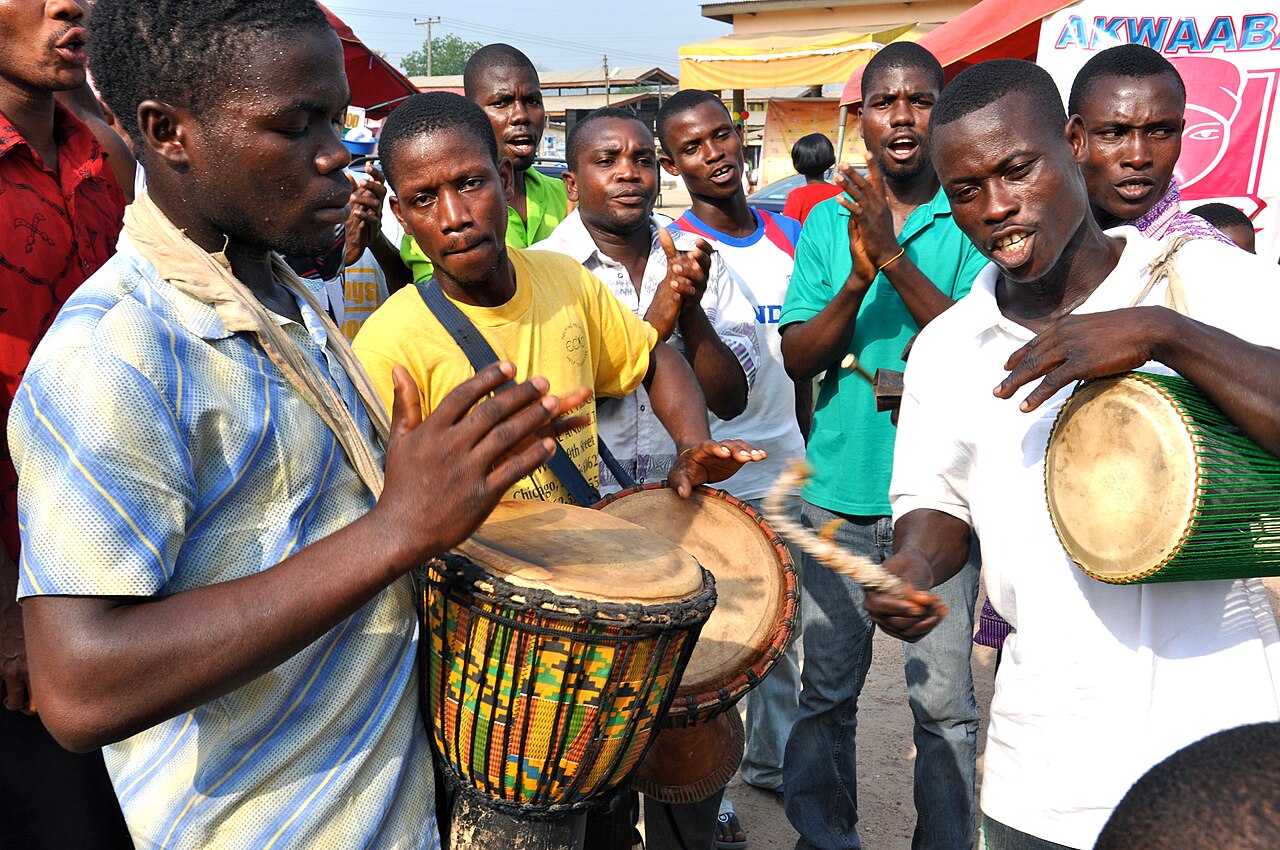
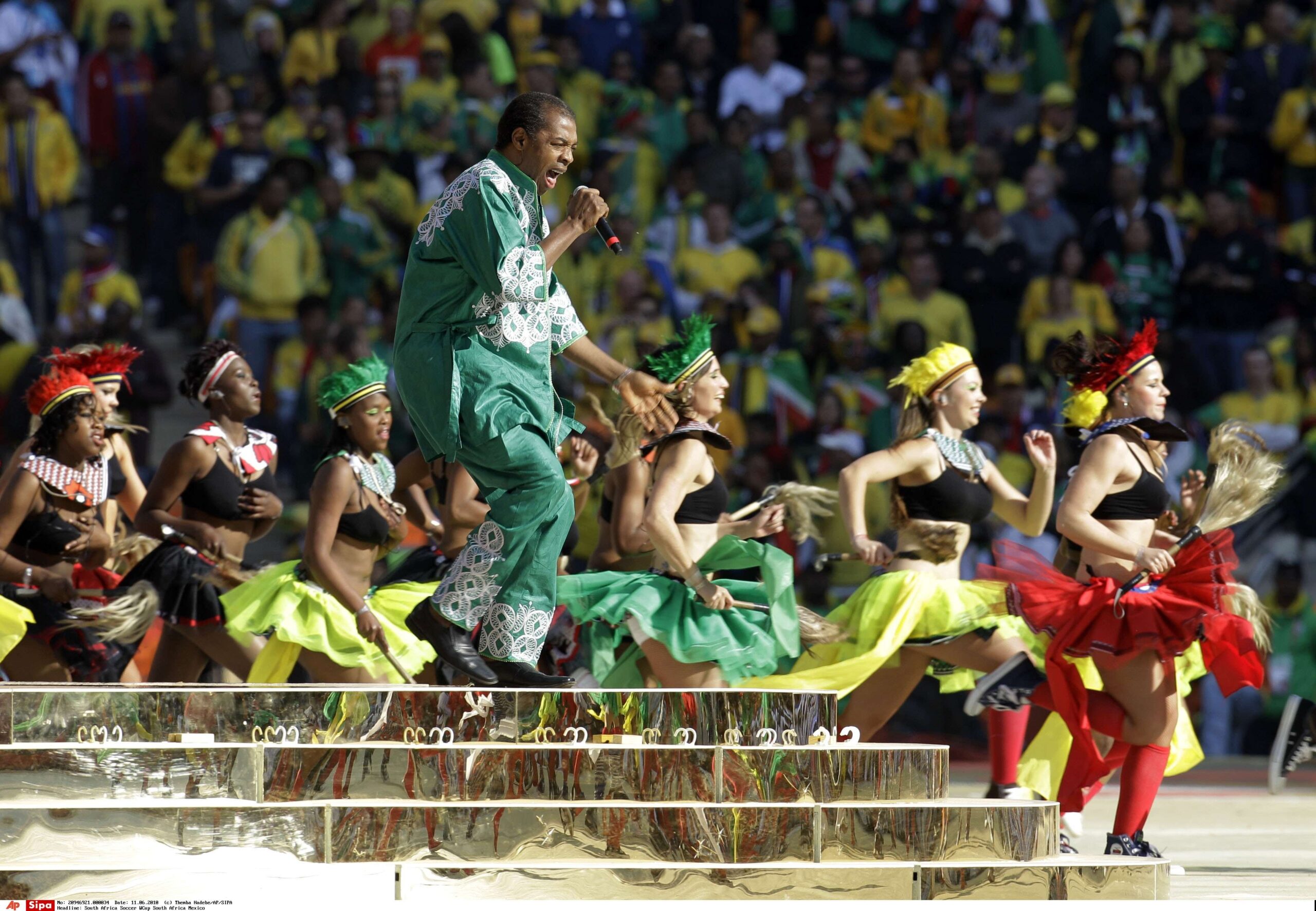
Watch a Wizkid show and the crowd response is louder and far looser. People scream the hooks they know. They shout “Starboy” at intervals. Nobody is performing a committee-designed sixteen-bar chant. The energy is real and the volume is enormous, but the discipline is a different thing entirely. Naija concert culture leans chaotic, sweaty and joyful.
Ad SpaceIn-Article - 300x250
Advertisement
The same contrast extends to lightsticks. K-Pop fandoms treat theirs almost as devotional objects, from BTS’s ARMY Bomb to BLACKPINK’s Bl-Ping-Bong and Stray Kids’ Nachimbong, and the newer generations can sync by Bluetooth to produce coordinated colour waves across a venue. Nigerian fandoms have nothing equivalent. The closest thing is raised phone torches during a slow song, which is default concert behaviour worldwide.
The Translator Economy
There is a job inside K-Pop fandom that has no Naija equivalent: the translator account. These are fan-run, usually unpaid accounts that translate Korean-language company posts, fan platform messages, interviews and behind-the-scenes content into English, Spanish, Arabic, Portuguese and dozens of other languages, often within minutes of publication. They are genuine infrastructure, and global fandom would not function at its current speed without them.
Nigerian music does not need that layer. Afrobeats artists already work in English, Pidgin and the major Nigerian languages that travel with the music, and they communicate with international audiences directly. A Yoruba lyric might need glossing for a listener in Sao Paulo, but no volunteer army is required to make the artist legible. The labour K-Pop fandoms shoulder is absorbed by the artists themselves, and one whole tier of community organisation simply never forms.
Ship Culture
K-Pop ship culture is mature, baroque and occasionally alarming. Imagined romantic pairings between group members, Taekook and Jikook among the best known, generate enormous volumes of fan fiction, fan art and edited fancams, and the shipping economy is one of the engines that keeps fandoms engaged between comebacks.
Naija fans are not really there. There is affectionate joking about Olamide and Asake as YBNL father and son, light teasing about real couples, and very little else. There is no substantial fan fiction ecosystem and no tradition of romantic edits between male artists. The cultural permission for that kind of output has not arrived in Nigerian music fandom, and it is not obvious that it will.
Cancel Campaigns and Defence Mechanisms
When a K-Pop fandom turns on a target, the operation is logistical. Coordinated reporting, hashtag campaigns timed for maximum trending impact, and pressure on sponsors through customer service channels all move together, and sponsors have in some cases responded. The apparatus is the weapon.
Naija fandoms run cancel campaigns too, and they look different. The energy is more diffuse and more memetic. When Wizkid FC and 30BG go to war, the casualties are mostly bruised egos and viral posts rather than terminated brand deals. The Naija approach is brutal in another register: the wit cuts harder and the memes have longer shelf lives, but the strategic outcomes are smaller.
That difference is cultural rather than a matter of capability. A 30BG member answering an FC attack is far likelier to reach for a devastating one-liner or a resurfaced interview clip than to organise a sponsor boycott. K-Pop’s weapon is logistics. Naija’s weapon is wit, and the two produce very different kinds of damage.
Charity Drives and Public Demonstrations
K-Pop fandoms run charity work at a scale that is genuinely institutional. ARMY birthday projects, donation drives and billboard campaigns recur on a schedule, organised by dedicated fan collectives that publish their own accounts of what was raised and where it went. Those self-published totals are the main record available, so individual figures should be treated as fandom claims rather than audited sums, but the recurring, organised character of the activity is not in doubt.
Naija fandoms do charity work too, and it is mostly episodic rather than institutional. Davido’s own philanthropy, including the public crowdfunding appeal he turned into an orphanage donation, is a real and well-covered thing, and his fans amplify it. What does not exist is a permanent fan-run charitable structure that outlives any single campaign.
The Diaspora Question
K-Pop is global in a way Afrobeats is still climbing towards. Fan chapters operate across dozens of countries with their own organisational layers, and K-Pop acts sell arenas in Lima, Jakarta, Manila and Berlin with something close to the intensity they manage in Seoul.
Afrobeats is closer than people assume. Burna Boy has sold out Madison Square Garden, Davido has sold out the O2 Arena and Wizkid has repeatedly filled major London rooms. The audience is heavily diaspora Nigerian and West African, increasingly mixed with Caribbean, Black American and simply curious global listeners. What has not caught up is the fandom infrastructure. There is no chapter system for 30BG in Brazil even as Davido’s listenership there grows.
The gap is structural rather than a matter of enthusiasm. The fans exist in those markets. The organisational layer that converts enthusiasm into coordinated visibility has not been built, largely because nobody in the Nigerian industry has had a commercial reason to build it.
Why Asake Reads K-Pop Coded
Asake’s fanbase is the most interesting case in current Nigerian music because it borrows from the K-Pop playbook without anyone appearing to have designed it that way. The visual consistency of his branding, the recurring colour palette, the choreographed videos and the curated rollout imagery all produce fan content that mirrors K-Pop’s aesthetic discipline more than traditional Afrobeats sprawl.
His fans dress for his concerts and coordinate outfits. They make short-form video with a consistent visual grammar. They treat his album rollouts as phased events rather than single drops. That is recognisably K-Pop fandom behaviour wearing Yoruba street fashion, and it appears to have emerged from the fans rather than from a marketing plan.
Cultural Similarity: Disrespect Triggers Both
Strip away the infrastructure differences and one shared emotional core remains. Both K-Pop stans and Nigerian fans will escalate over perceived disrespect to their artist. The threshold for what counts as disrespect differs. The willingness to go to war does not.
Both communities also share a deep scepticism of Western music media. K-Pop fans have spent years documenting what they read as Western outlet bias against Korean artists, particularly around major award categories. Naija fans have built the same case about Afrobeats, pointing to the long habit of filing the music under “world music,” the reluctance to nominate in general categories, and the patronising framing that still turns up in reviews. Both communities concluded that the gatekeepers were never going to love them, and both responded by building their own validation machinery.
Two Fandoms at Different Stages of the Same Process
The honest summary is that these are not two species but one process caught at two stages. Korean fandom had thirty years of professional management and company-built infrastructure to formalise its enthusiasm into bureaucracy. Nigerian fandom is doing the organising itself, in group chats and invite-only servers, without labels funding or steering the work, and it is producing something looser, funnier and much harder to audit. Which of those is preferable depends entirely on whether you value coordination or independence, and Naija stans have been fairly clear about which one they would pick.
Ad SpaceIn-Article - 300x250
Advertisement
Share
Get the recap
Loved this story? Get more like it.
Join readers who get our weekly entertainment recap - the stories worth your time, delivered every Friday.
No spam. Unsubscribe anytime. By signing up you agree to our Privacy Policy.