Every Nigerian Artist Who Has Won a BRIT Award or Been Nominated: The Full List
Afrobeats

Every Nigerian Artist Who Has Won a BRIT Award or Been Nominated: The Full List

Jalen RossJalen Ross··10 min read
Advertisement

Two roads lead Nigerian musicians to the BRIT Awards stage. The first runs through London estates, school playgrounds in Croydon and Tottenham, and bedrooms in Thornton Heath, where children of Nigerian parents grew up speaking pidgin at home and grime in the streets. The second runs through Lagos studios, Surulere block parties and Mainland nightclubs, with stops in Atlanta and London on the way to a nomination in the international categories. Both roads belong to the story, but only one of them has produced statuettes.

The British Phonographic Industry handed out its first BRIT Awards in 1977, and for most of that history the British Nigerian presence was confined to backing vocals and uncredited songwriting. The shift came in the mid-2010s, when grime crossed over and Afrobeats began charting in the UK in serious numbers. The list below covers the Nigerian and Nigerian-heritage artists who have won a BRIT or earned a nomination, with the wins, the near-misses, and the structural distinction that explains why the diaspora count is so much higher than the homeland count.

Stormzy
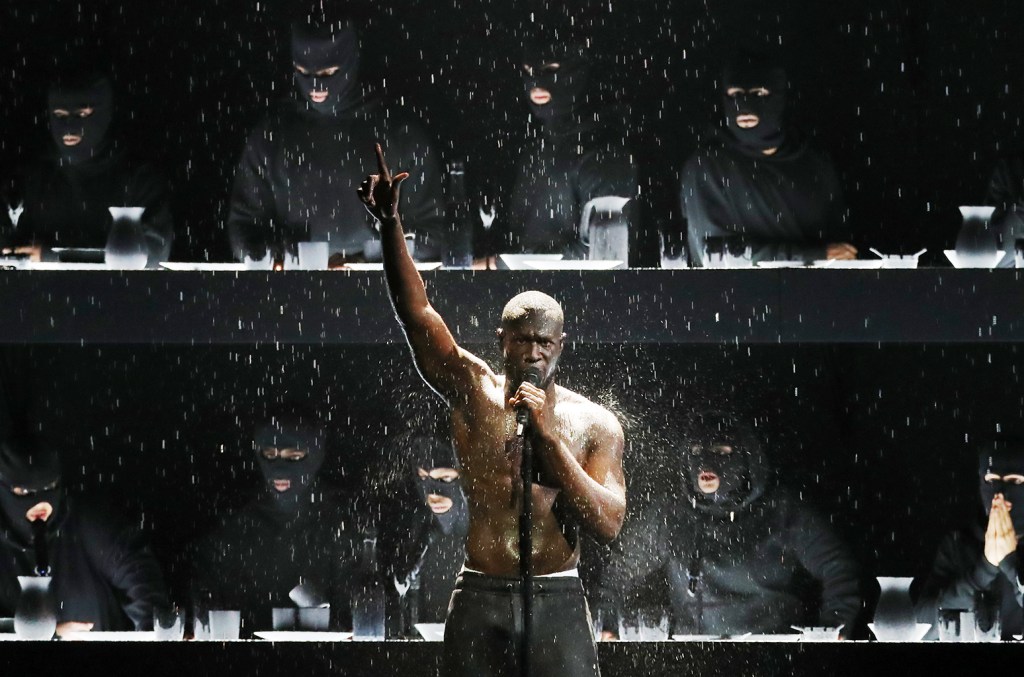
Nigerian artists at the BRIT Awards, Stormzy

Michael Omari Owuo Jr. belongs in this account with a caveat attached. He was born in Croydon to a Ghanaian mother, not a Nigerian one, and he is included here because his career is inseparable from the British African cohort he came up alongside, not because the heritage claim holds. Any honest tally has to say so before counting his trophies.

His 2018 night was the breakthrough. Gang Signs & Prayer took British Album of the Year, and he collected British Male Solo Artist on the same evening. Two years later he won British Male Solo Artist for a second time at the 2020 ceremony, though the album prize that night went elsewhere. Heavy Is the Head was nominated for British Album of the Year in 2020 and lost to Dave’s Psychodrama, and This Is What I Mean earned him another album nomination in 2023, a category Harry Styles took with Harry’s House. Three wins across two ceremonies place him among the most decorated Black British artists in BRITs history.

Dave
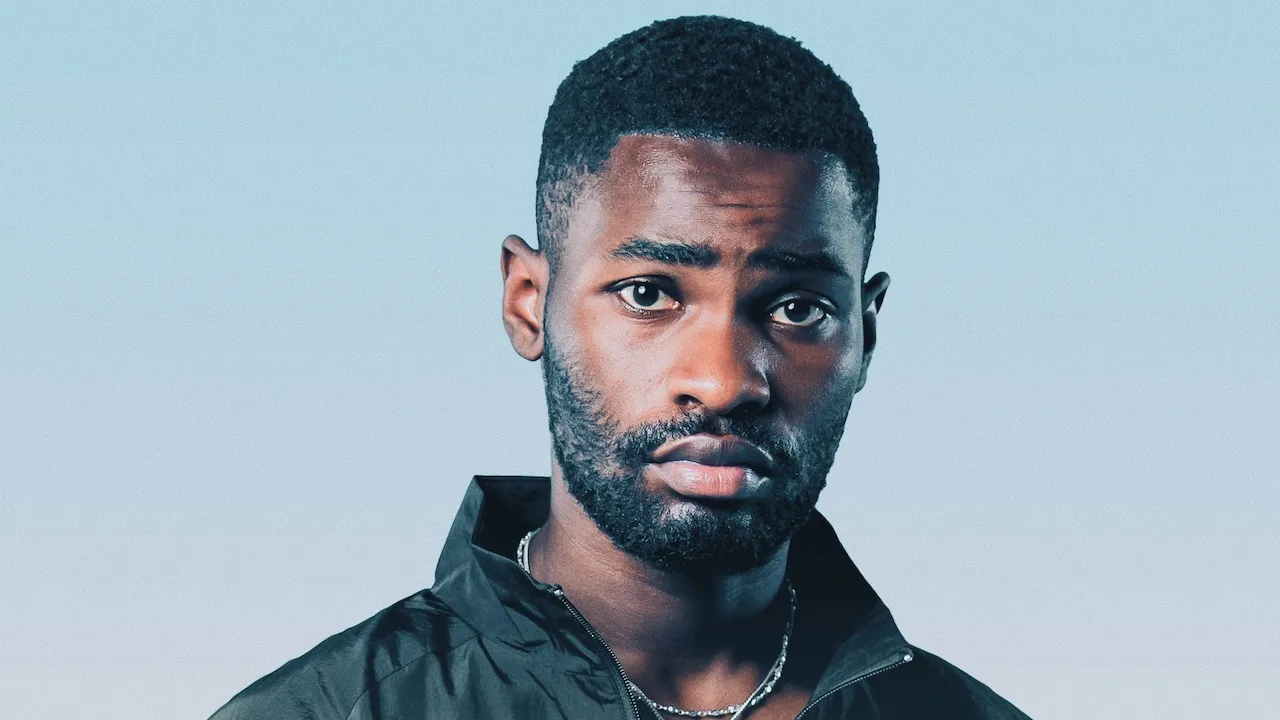
Nigerian artists at the BRIT Awards, Dave

David Orobosa Omoregie is the strongest answer to the question of which Nigerian-heritage artist has the best BRIT record relative to career length. Born in Streatham to Edo State parents, he released Psychodrama in March 2019 and walked into the 2020 ceremony as the favourite. He left with British Album of the Year, beating a field that included Lewis Capaldi and Stormzy. The album, structured as a series of therapy sessions, remains one of the most acclaimed British rap records of its decade.

He returned in 2022 with We’re All Alone in This Together and four nominations, including Album of the Year and Artist of the Year. Adele took the major prizes that night, but Dave did not leave empty-handed: he won Best Hip Hop, Grime and Rap Act, in the first year that category existed. His Sprinter collaboration with Central Cee earned a Song of the Year nomination at the 2024 ceremony. The Edo connection runs through his lyrics, with his mother’s voice appearing on multiple tracks.

Skepta
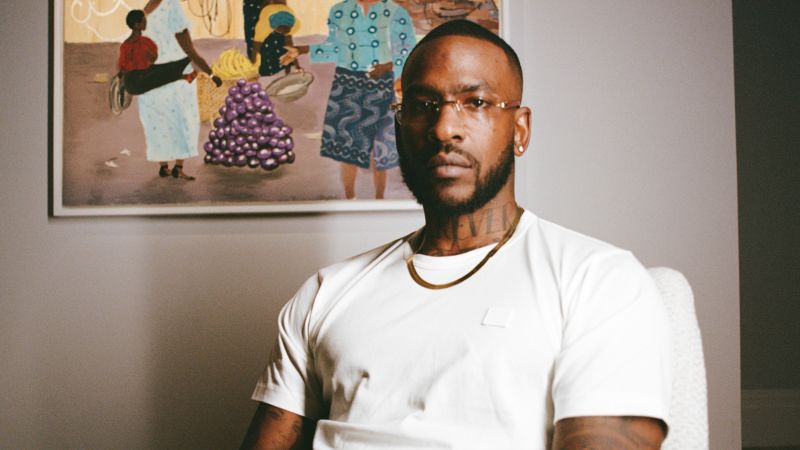
Nigerian artists at the BRIT Awards, Skepta

Joseph Junior Adenuga, born in Tottenham to Nigerian parents from Ogun State, is the most decorated British Nigerian rapper who has never won a BRIT. Konnichiwa took the Mercury Prize in September 2016, beating David Bowie’s Blackstar, and the momentum carried him into the 2017 BRITs with nominations for British Male Solo Artist and British Album of the Year. Bowie won both posthumously, becoming the first artist to take a BRIT after death.

The near-miss is the whole point of his entry here. Skepta arrived at the ceremony as the face of grime’s crossover, performed Shutdown on the night, and left without hardware. His brother JME and his sister Julie Adenuga, who hosted Apple’s Beats 1 in London, both feature in the broader Boy Better Know story that the BRITs eventually had to acknowledge in category form, though the acknowledgment came years after his peak eligibility window.

J Hus

Nigerian artists at the BRIT Awards, J Hus

Momodou Lamin Jallow has Gambian roots on his father’s side and Nigerian heritage on his mother’s, and he is claimed by both communities in the UK. His BRIT story is a nominations story rather than a wins story. Common Sense earned him three nods at the 2018 ceremony, for British Album of the Year, British Breakthrough Act and British Single for Did You See. He converted none of them. Dua Lipa took Breakthrough that year, and Stormzy took the album prize.

His 2023 album Beautiful and Brutal Yard did not generate the BRIT nominations many predicted, despite debuting near the top of the UK Albums Chart. The Newham rapper’s relationship with the ceremony has been quieter than his peers, in keeping with a career that has deliberately avoided the press cycle that usually feeds awards campaigns.

Tion Wayne
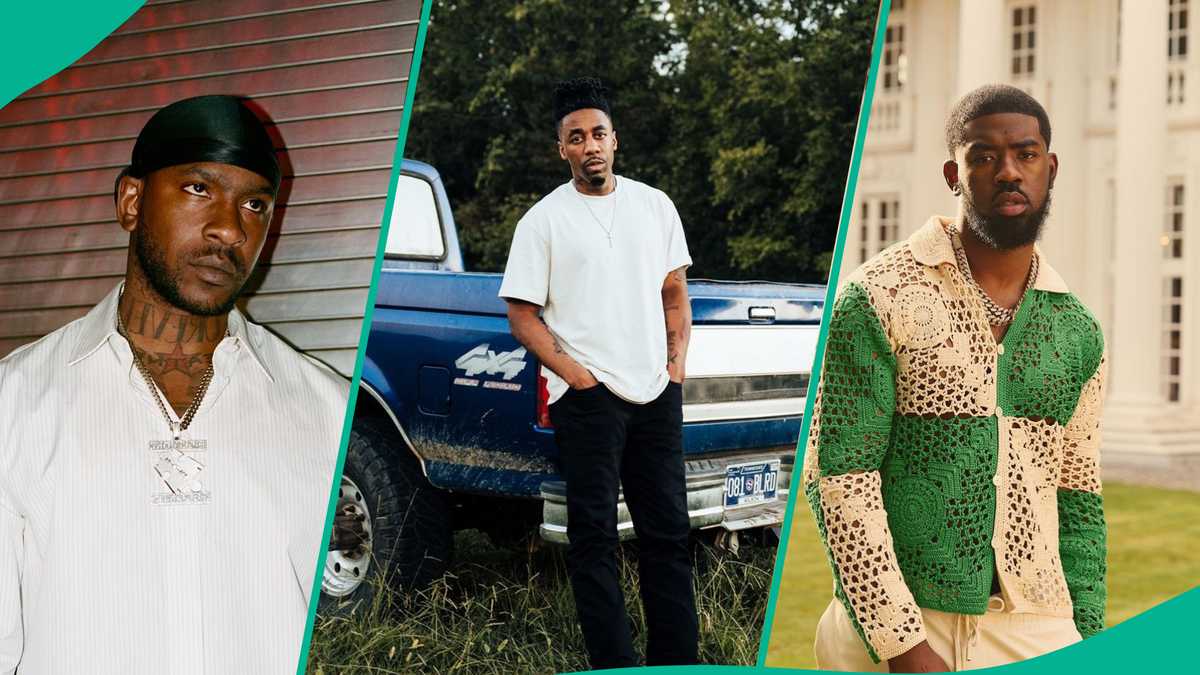
Nigerian artists at the BRIT Awards, Tion Wayne

Dennis Junior Odunwo, born in Edmonton to Nigerian parents, earned his BRIT nomination on the back of Body, the drill track that topped the UK Singles Chart in May 2021. The song was nominated for Song of the Year at the 2022 ceremony, in a field that included Adele’s Easy On Me and Ed Sheeran’s Bad Habits. Adele won, but the nomination put a UK drill record into the ceremony’s headline song category for the first time.

Tion Wayne has not returned to the nominations list since, though his collaborations with Russ Millions and the wider drill scene have kept him in the conversation. He is among the more openly Nigerian-identifying rappers in the British drill cohort, and he references that heritage regularly in interviews.

Knucks
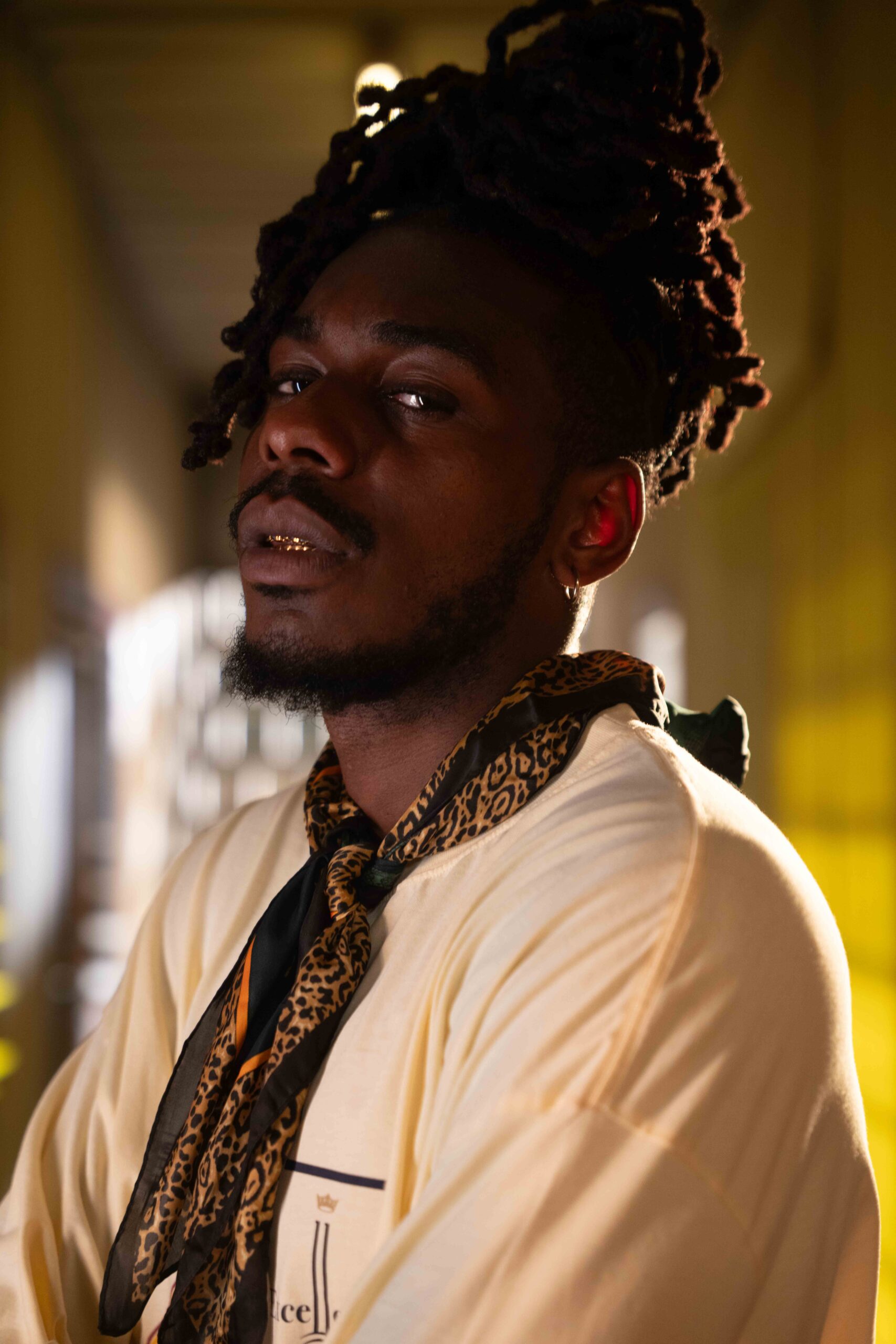
Nigerian artists at the BRIT Awards, Knucks

Ashley Nwachukwu, who records as Knucks, is the clearest example of a British Nigerian rapper whose critical standing has never converted into BRIT recognition. Alpha Place, named after the Kilburn housing estate where he grew up, was one of the most praised British rap records of 2022. It won him major recognition at the MOBO Awards, where he led the nominations field that year, but the BRITs have not brought him into their shortlists.

His Igbo heritage and his decision to record in English with occasional pidgin inflections place him in the lineage that runs from Sway DaSafo through Skepta to Dave. The gap between his MOBO standing and his BRIT record is one of the sharper illustrations of how differently the two British ceremonies read the same scene.

Burna Boy

Damini Ebunoluwa Ogulu’s BRIT story is entirely an international category story. He earned his first nomination for Best International Male Solo Artist at the 2020 ceremony, losing to Tyler, The Creator, and was nominated again in the same category in 2021, when the prize went to The Weeknd. That category was retired after 2021 and replaced with International Artist of the Year, where he has appeared on subsequent shortlists.

He has not won a BRIT, a fact that sits oddly next to his Grammy win for Twice as Tall and his sold-out London Stadium show in June 2023. The structural reason is simple arithmetic rather than any stated judgment on the music: the international categories carry one winner each per year across the entire non-British world, while the domestic categories hand out the overwhelming majority of the night’s statuettes.
Advertisement

Tems

Temilade Openiyi has the most active BRIT record of any artist born and based in Nigeria. She earned her first nomination at the 2023 ceremony for Best International Song, recognised for Wait for U with Future and Drake, the track that became her first US number one. She lost to Harry Styles’ As It Was. That same evening she was nominated for International Artist of the Year, with Beyonce taking the prize.

She returned in 2024 with another International Artist of the Year nomination, losing to SZA. Her work on Rihanna’s Lift Me Up from the Black Panther: Wakanda Forever soundtrack drew an Oscar nomination and Grammy recognition but did not surface at the BRITs in the same form. Her debut album Born in the Wild arrived in June 2024 and kept her inside the international conversation without converting into a statuette.

Wizkid

Ayodeji Ibrahim Balogun’s BRIT presence is largely indirect. He featured on Drake’s One Dance in 2016, the track that spent fifteen weeks at the top of the UK Singles Chart. The song was recognised in the British single category at the 2017 ceremony with Wizkid credited as a featured artist, and the prize went to Little Mix’s Shout Out to My Ex. That remains the closest he has come to a BRIT statuette.

He has not been nominated as a lead artist in any subsequent ceremony, despite multiple sold-out O2 Arena dates and a Tottenham Hotspur Stadium booking. The absence has drawn recurring criticism in UK music press, with commentators noting that international longlists tend to lean on American chart performance rather than UK streaming or touring data. That is a widely argued reading rather than a stated BRITs policy.

Davido

David Adedeji Adeleke has the largest UK touring footprint of any Nigerian artist who has never been nominated for a BRIT. His O2 Arena headline show sold out well in advance, and A Better Time charted in the UK in 2020. The BRITs have not brought him into the international categories at any point, a gap that has been raised repeatedly in analysis of the awards’ Afrobeats coverage.

His UK radio support has been consistent across multiple album cycles without translating into BRIT recognition, and his case is the one most often cited by critics who argue that the international shortlists are too narrow to represent a genre with this much chart presence in Britain.

Tiwa Savage

Tiwatope Savage-Balogun, born in Isale Eko and raised in London from age eleven, was recognised at the MOBO Awards long before the BRITs looked her way. She spent years in the London and New York songwriting circuit before her Nigerian solo career took off, and that period is where her closest British industry connections were formed. She has not been nominated for a BRIT as a lead artist.

Her Universal Music Group signing and her expanding US profile through the 2020s widened her international footprint without moving the BRIT needle. Among Nigerian women in pop, she is the most obvious name absent from the ceremony’s records entirely, which is part of why the international categories draw the criticism they do.

Asake

Ahmed Ololade charted repeatedly in the UK between 2022 and 2024, with Mr Money With The Vibe, Work of Art and Lungu Boy all performing strongly on the UK Albums Chart, and an O2 Arena headline show that sold out quickly. None of that has produced a BRIT nomination.

His case matters because it is the cleanest test of the UK-data argument. Here is an artist whose British sales and touring numbers are demonstrable, competing for one international slot per category per year against the entire rest of the world. The arithmetic, more than any judgment on the records, is what keeps names like his off the final shortlists.

The Two Routes, Counted Separately

Nigerian-connected artists reach the BRIT stage by two different doors, and the doors are not the same size. British-born artists of Nigerian heritage, including Dave, Skepta, J Hus, Tion Wayne and Knucks, qualify for the full slate of British categories, which is where every statuette in this account was actually won. Lagos-based artists, including Burna Boy, Tems, Wizkid and Asake, are routed through International Artist of the Year and International Song, which produce one winner each per ceremony.

That structure explains the imbalance better than any theory about taste. The domestic categories give a British Nigerian rapper multiple realistic shots per cycle. The international categories give a Lagos artist one narrow shot against every non-British act on earth. Burna Boy and Tems between them have accumulated multiple international nominations without a win, and the shape of the ballot is a large part of why.

The Ledger

Artist BRIT wins Notable nominations
Stormzy (Ghanaian heritage, listed with caveat) 3 (2018 Album, 2018 Male, 2020 Male) Album of the Year 2020 and 2023
Dave 2 (2020 Album, 2022 Hip Hop, Grime and Rap Act) Album and Artist of the Year 2022, Song of the Year 2024
Skepta 0 British Male and British Album 2017
J Hus 0 Album, Breakthrough and Single 2018
Tion Wayne 0 Song of the Year 2022
Burna Boy 0 International Male 2020 and 2021, International Artist
Tems 0 International Song 2023, International Artist 2023 and 2024
Wizkid 0 British single category 2017 as featured artist

Read strictly, Dave is the only artist of Nigerian parentage to have won a BRIT Award, and he has won two. Stormzy’s three wins sit in the account because the British African scene that produced him is the same one, not because the heritage line runs to Nigeria. Every other name on the list is a nominations story.

What the Record Actually Shows

The BRITs have recognised British Nigerian rap generously and Nigerian pop barely at all. That is not a contradiction so much as a description of how the ballot is built: one set of categories rewards artists who live and release inside the British market, and one narrow set handles everyone else. Skepta lost to a posthumous Bowie. J Hus went three for nothing in a single night. Tems and Burna Boy have walked the carpet, sat through the envelopes and gone home without.

Dave’s two trophies and Stormzy’s three are the whole haul. Everything else in this account is a shortlist, a longlist, or an omission that UK critics have spent the better part of a decade writing about. The record is short enough to read in one sitting, which is itself the most useful thing it tells you.

Advertisement
Share
Get the recap

Loved this story? Get more like it.

Join readers who get our weekly entertainment recap - the stories worth your time, delivered every Friday.

No spam. Unsubscribe anytime. By signing up you agree to our Privacy Policy.

Every Nigerian Artist Who Has Wo... | Sidomex Entertainment