The Most Streamed African Artists on Spotify of All Time: A Ranked Deep Dive
Jalen Ross··11 min read
Ad SpaceArticle Top - 728x90
Advertisement
Streaming numbers tell a story that radio play and chart positions never quite captured. They show what people actually press play on, sometimes thousands of times, across continents that used to feel impossibly far apart for a Lagos rapper or a Johannesburg house producer. Spotify, more than any other platform, has become the global scoreboard for African music, and the numbers attached to the continent’s biggest names are no longer rounding errors next to Western pop. They are the headline.
Figures throughout this ranking are estimates, drawn from Spotify For Artists dashboards that have been shared publicly, Spotify’s annual Loud & Clear report, and reporting from outlets like Music Business Worldwide. Lifetime cumulative streams are notoriously slippery because Spotify does not publish a clean leaderboard. Still, the picture is consistent enough across sources to build an honest ranking, and the ordering below reflects where the consensus lands as of early 2026.
1. Burna Boy
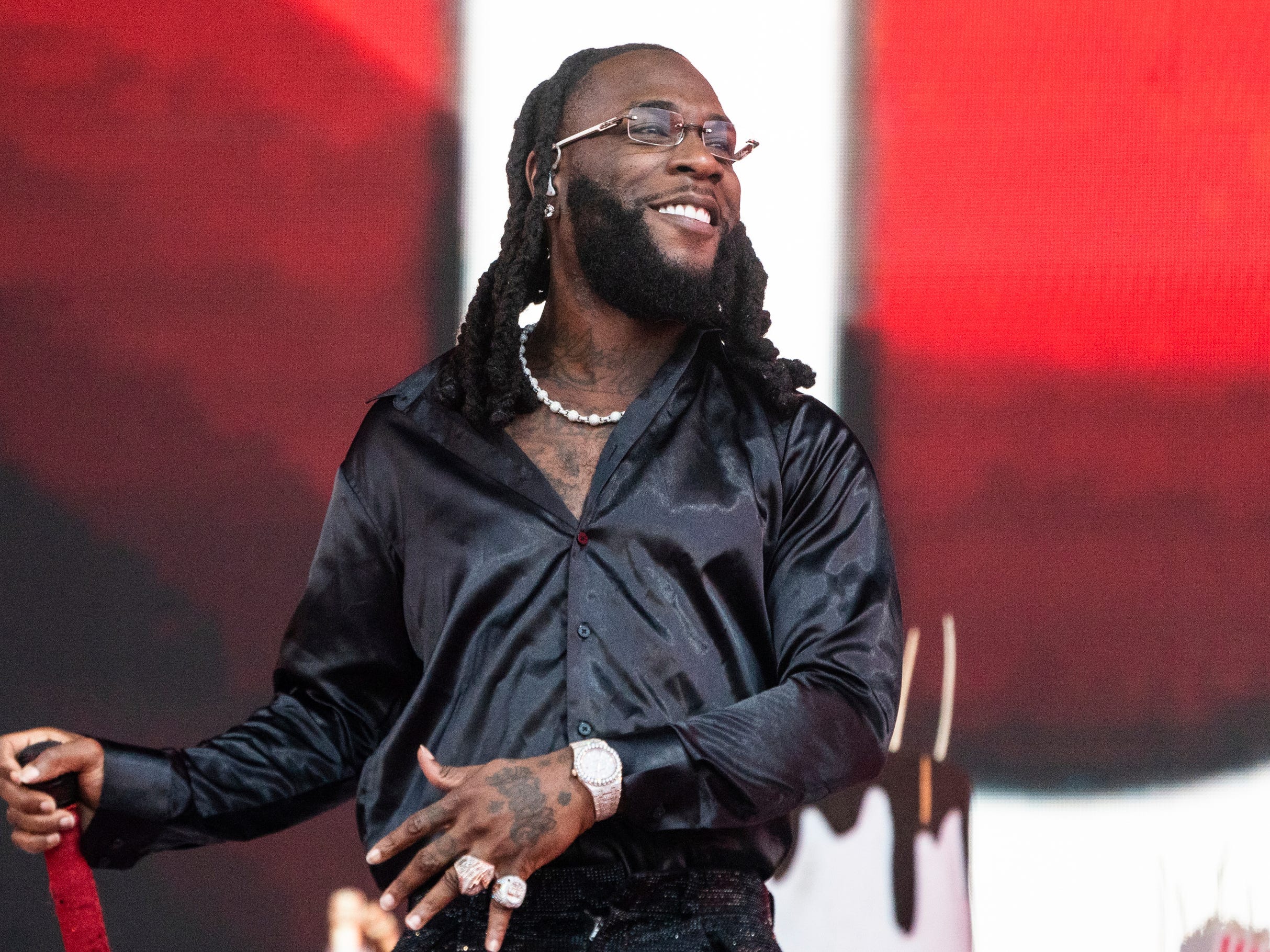
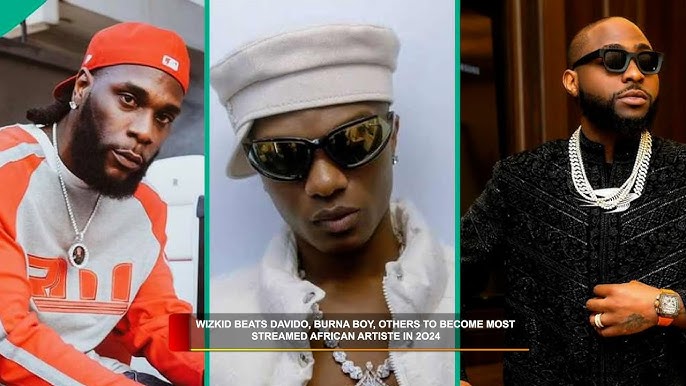
Six billion. That is the figure most commonly cited when people talk about Burna Boy’s all-time Spotify count, and it places him alone at the summit of African streaming. The Port Harcourt singer’s catalog has the rare quality of being both deep and durable. “Ye” still pulls daily listeners eight years after release. “Last Last” became a 2022 global ubiquity. “On the Low,” “Anybody,” “City Boys,” and the Grammy-winning “Twice as Tall” album cuts continue to compound.
What separates Burna from the rest is geographic balance. His streams pull roughly evenly from West Africa, the United Kingdom, the United States, and continental Europe, with strong secondary numbers in the Caribbean and South America. No other African artist has anything close to that spread. Stadium tours in London, Paris, New York, and Lagos all feed the same Spotify catalog, and the catalog feeds the tours back.
2. Wizkid
Sitting just behind Burna at an estimated five billion-plus lifetime streams, Wizkid occupies a slightly different lane. His numbers are weighted heavily by a smaller set of monster songs. “Essence” with Tems pushed past one billion streams on its own and reshaped what an African crossover record could look like on American radio. “Ojuelegba,” “Come Closer” with Drake, “Daddy Yo,” and the entire “Made in Lagos” album generate constant catalog traffic.
The Starboy advantage is longevity. He arrived in 2010 and never really left, which means his Spotify lifetime count includes streams from listeners who have been with him through three album cycles. Where Burna’s growth curve looks like a steep climb, Wizkid’s looks like a long, slow accumulation that periodically explodes upward whenever a feature lands.
3. Davido
Four billion-plus is the working estimate for Davido, and that figure feels conservative to anyone who watched “Fall” become a five-year sleeper hit on American playlists. “If,” “Assurance,” “Fem,” “Unavailable,” and “Feel” have all crossed the hundred-million-stream threshold individually, and “Stand Strong” did serious numbers despite being a gospel-leaning ballad.
The DMW boss’s Spotify story is also a story about consistent collaboration. Features with Chris Brown, Nicki Minaj, Summer Walker, and Focalistic spread his name into algorithm pools he might not otherwise reach. His 2023 “Timeless” album generated one of the biggest opening weeks any African artist has posted on Spotify, and the long tail from that record continues to feed his lifetime tally.
4. Rema
The youngest entry in the top five has the most explosive single-song moment in African Spotify history. “Calm Down,” released in 2022 and given rocket fuel by the Selena Gomez remix, sailed past one billion streams faster than any African track before it. By late 2025 it had crossed 2.5 billion across versions, depending on which counter you trust.
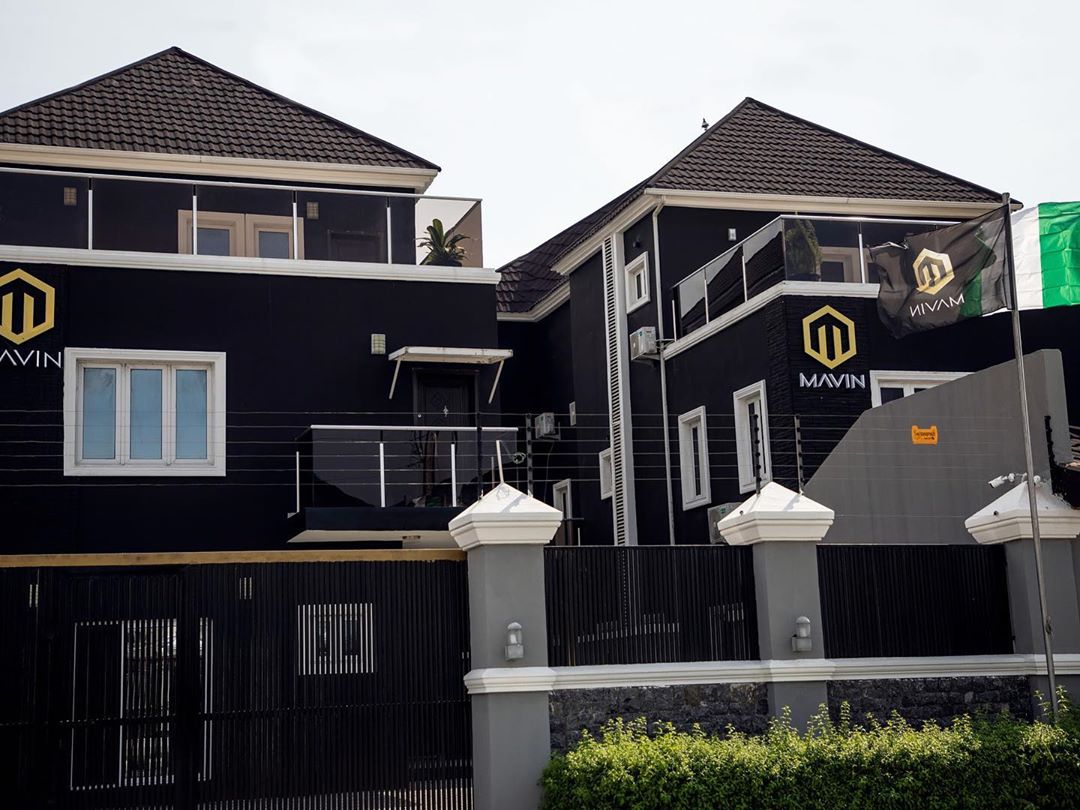
Rema’s total catalog estimate of two to three billion streams is therefore weighted heavily toward one song, but the Mavin signee has worked to broaden it. “Holiday,” “Charm,” “Ravage,” and the “HEIS” album have all pulled credible numbers, and his refusal to repeat the “Calm Down” formula has earned him an unusual amount of critical respect.
5. CKay
The Chukwuka Ekweani story is the cleanest example of how Spotify changed the rules for African artists. “Love Nwantiti” was released in 2019 as a mid-tier Chocolate City single. It sat quietly for almost two years before a TikTok trend in late 2021 sent it climbing through Spotify charts in countries CKay had never visited. By the time it peaked, the song had crossed one billion streams and become the most Shazamed track in the world.
His total Spotify count, estimated around two billion, is more lopsided than even Rema’s. “Love Nwantiti” accounts for the vast majority. “Watawi” and “Emiliana” added respectable secondary numbers, but the catalog is still defined by one song that taught the entire African industry what a viral moment could compound into.
6. Asake
Few artists have built a lifetime stream count this quickly. Ahmed Olawale Asake released “Sungba” in early 2022 and within eighteen months had cleared two billion total streams. By early 2026 the working estimate sits closer to three billion, all generated in roughly four years.
The YBNL signee’s appeal on Spotify rests on a strange combination. His amapiano-fuji-Afrobeats hybrid sounds nothing like Western pop, yet the textures translate. “Joha,” “Peace Be Unto You,” “Organise,” “Lonely at the Top,” and “Only Me” all sit in the hundreds of millions individually. His three studio albums all opened to record-breaking African Spotify numbers, and the curve has not flattened.
7. Tems
Temilade Openiyi’s Spotify story is uniquely structured. Her solo catalog, including “Try Me,” “Free Mind,” and the “If Orange Was a Place” EP, generates significant traffic on its own. Layered on top are her features: the Wizkid duet “Essence,” the Future and Drake collaboration “Wait For U” that won her a Grammy, the Beyonce “Lift Off” sessions, the Rihanna “Lift Me Up” Oscar nomination, and the Drake “Fountains” verse.
Combined, her solo plus feature streams land somewhere in the two to three billion range, and her 2024 debut album “Born in the Wild” pushed those numbers harder than expected for a debut. She is also one of the few African artists whose Spotify For Artists location data shows the United States as her largest single country.
8. Olamide
The Baddo Sneh occupies an unusual position on this list because his streaming numbers undersell his cultural footprint. An estimated 1.5 billion lifetime streams puts him in elite company, but the figure does not capture the role his YBNL label has played in pushing Asake, Fireboy, and others into their own streaming peaks.
Olamide’s own catalog, from “Eni Duro” through “Science Student,” “Wo,” “Infinity,” and the more recent “Unruly” album, has the longest tail on this list. His 2010s output is still streamed at meaningful volumes a decade later, and his consistent annual album release pattern keeps the catalog refreshed without ever depending on a single viral moment.
9. Tyla
The Johannesburg singer’s appearance this high on a lifetime list is striking given that “Water” only released in mid-2023. The single passed 800 million Spotify streams within eighteen months, and her self-titled debut album added another several hundred million through “Truth or Dare,” “Butterflies,” and the Travis Scott-featured “Jump.”
Tyla’s total lifetime count sits somewhere around 1.3 to 1.5 billion as of early 2026, which makes her by far the most efficient artist on this ranking in terms of streams per month active. She gave South African pop, distinct from house and amapiano, a Spotify identity it had been searching for since the days of Mafikizolo.
Ad SpaceIn-Article - 300x250
Advertisement
10. Master KG
“Jerusalema” did something no African song had done before it. Released in late 2019, the Master KG and Nomcebo Zikode collaboration became a global pandemic-era anthem, generating dance challenge videos from Italian hospitals to Brazilian favelas. The Spotify count crossed one billion and kept climbing, even after the moment cooled.
Master KG’s broader catalog is modest by comparison, but the lifetime impact of “Jerusalema” alone places him on any honest ranking. He is the South African answer to CKay: one song, one billion-plus, one moment that changed how the continent’s gospel-flavored dance music was perceived abroad.
11. Ayra Starr
The Mavin Records breakout has built her roughly one billion lifetime streams in under five years, anchored by “Rush,” “Bloody Samaritan,” “Sability,” and the “Year of the Tiger” mixtape. Her Coachella set in 2024 was the kind of moment that shows up later in streaming spikes, and the David Guetta and Lojay collaborations broadened her European reach considerably. Her Spotify monthly listener count has reportedly run into the tens of millions during release cycles, which puts her in the top tier globally for any artist of her age, and it explains why her catalog compounds faster than the raw song count suggests.
12. Fireboy DML
Another YBNL alumnus, Adedamola Adefolahan crossed the one billion lifetime mark on the strength of “Peru,” the Ed Sheeran remix that pushed him onto American radio, plus catalog work from “Apollo,” “Playboy,” and “Adedamola.” His sound translates unusually well to acoustic and crossover formats, which has helped him land on playlists that other Afrobeats artists struggle to reach. His estimated 1 to 1.2 billion total streams reflect steady catalog accumulation rather than one explosive moment.
13. Diamond Platnumz
East Africa’s dominant streaming figure is also a reminder that Spotify’s African map is wider than Nigeria and South Africa. The Tanzanian Bongo Flava star’s catalog, spanning more than a decade through Wasafi Records, generates strong numbers across Kenya, Tanzania, Uganda, the Democratic Republic of Congo, and the Swahili-speaking diaspora. His lifetime Spotify count is harder to pin down than most names here, because his audience also leans heavily on Boomplay and YouTube, platforms that carry a far larger share of East African listening than they do in Lagos or Johannesburg. Credible estimates place him somewhere around 600 to 800 million on Spotify alone, a figure that almost certainly understates how many times his songs have actually been played.
14. Black Coffee
The South African house producer occupies a category of his own. Nkosinathi Maphumulo’s Spotify catalog is built less on individual viral singles and more on the steady global club rotation of his deep house and Afro-house productions. His “Subconsciously” album, the Pharrell-featured “10 Missed Calls,” and the “Drive” Drake placement all pulled meaningful streams.
Total catalog estimates land him in the 500 million to one billion range, but his Spotify profile is unusual because so much of his playing happens in DJ sets and through other artists’ productions, where the streaming credit is split or attributed elsewhere.
15. Adekunle Gold
A six hundred million-plus lifetime estimate puts the AG Baby high on any working list, and his trajectory has been one of the steadier slow-burns in the catalog. “Sade,” “Orente,” “Something Different,” “Sinner,” and his Davido-featured “High” all sit in the tens of millions individually, with the AG-driven Catch Me If You Can era pushing his Afropop-adjacent sound onto more American playlists than the older Highlife-tinged material reached.
16. Tiwa Savage
The Mavin Records founding star’s catalog runs back further than most artists on this ranking, which is both an advantage and a structural challenge. Songs released before Spotify’s African expansion accumulated their cultural significance on other platforms. Her current Spotify lifetime estimate sits around one billion, weighted toward “Ma Lo,” “All Over,” “Koroba,” and the Brandy-featured “Somebody’s Son.”
17. Naira Marley
The Marlian Music founder’s roughly 500 million lifetime Spotify count is a function of “Soapy,” “Tesumole,” “Coming,” and the broader Marlian movement’s grip on Nigerian street pop between 2019 and 2022. Legal issues and a quieter recent stretch have slowed the curve, but the catalog still generates significant traffic.
18. Joeboy
Outside of his feature credit on “Love Nwantiti,” Joseph Akinwale Akinfenwa-Donus has built a respectable solo catalog. “Baby,” “Beginning,” “Sip (Alcohol),” and “Body & Soul” each pulled hundreds of millions of streams. Lifetime estimates place him around 500 to 700 million.
19. Mr Eazi
The Banku Music architect’s early streaming numbers helped legitimize African artists on Spotify’s African Originals playlist in the late 2010s. His own catalog, anchored by “Skin Tight,” “Leg Over,” and “Pour Me Water,” sits in the 400 to 500 million range. The number understates his influence as a label founder and emPawa Africa investor, but the focus here is plays.
20. Yemi Alade
The “Johnny” singer’s catalog stretches across more than a decade and multiple language markets, with strong streaming numbers from francophone West Africa in addition to Nigeria. Total estimates place her around 400 to 500 million, with “Johnny,” “Tumbum,” “Knack Am,” and the Angelique Kidjo collaborations forming the bulk of the count.
The geography behind the numbers
A useful way to read this ranking is through listener geography rather than raw totals. Spotify does not publish a continent-level breakdown for African artists, but the location data that artists and labels have shared publicly points in a consistent direction. A large share of the streaming comes from within Africa itself. Europe, led by the United Kingdom and France, is the next biggest block, with North America close behind and weighted heavily toward the United States. What remains is spread thinly across Latin America, the Caribbean, and parts of Asia, and that scattered tail is often the part that separates a regional star from a global one.
That distribution matters because it explains why Burna Boy and Wizkid hold the top two slots so comfortably. Both have built audiences in all four regions. Artists like Diamond Platnumz, who dominate one regional market completely, end up lower on the global ranking despite having enormous local cultural footprints.
Why Spotify, not Apple Music
The other piece of context is platform choice. Spotify’s African catalog and playlist curation has been more aggressive than Apple Music’s, which means African artists generally show higher numbers on Spotify than their proportional listener bases would suggest. The African Originals playlist alone, which Spotify launched in 2018, has been credited with driving billions of cumulative streams across the artists on this list.
Apple Music’s African presence has grown, particularly through its Africa Rising playlist and the Africa Now Radio show, but the lifetime gap remains real. An artist who streams two billion on Spotify will typically have done significantly less than that on Apple Music, even adjusting for Spotify’s larger global subscriber base.
What Spotify Wrapped Reveals About African Streaming
Every December, Spotify Wrapped turns these private metrics into public scoreboards. The 2023 Wrapped revealed that Rema’s “Calm Down” was the year’s most-streamed song by a Nigerian artist globally. The 2024 Wrapped placed Tyla among the platform’s fastest-growing global artists. The 2025 Wrapped highlighted Asake’s billion-stream year. Each annual moment compresses twelve months of catalog work into a single shareable headline.
That feedback loop is what these numbers really measure. Not just plays, but the cultural permission to press play in the first place. The artists at the top of this ranking earned that permission song by song, year by year, until the counters started showing figures that nobody covering African music a decade ago would have believed possible.
Burna Boy walks on stage at the O2 Arena, looks out at a sold-out London crowd, and the screen behind him reads six billion. The number is still climbing.
Ad SpaceIn-Article - 300x250
Advertisement
Share
Get the recap
Loved this story? Get more like it.
Join readers who get our weekly entertainment recap - the stories worth your time, delivered every Friday.
No spam. Unsubscribe anytime. By signing up you agree to our Privacy Policy.