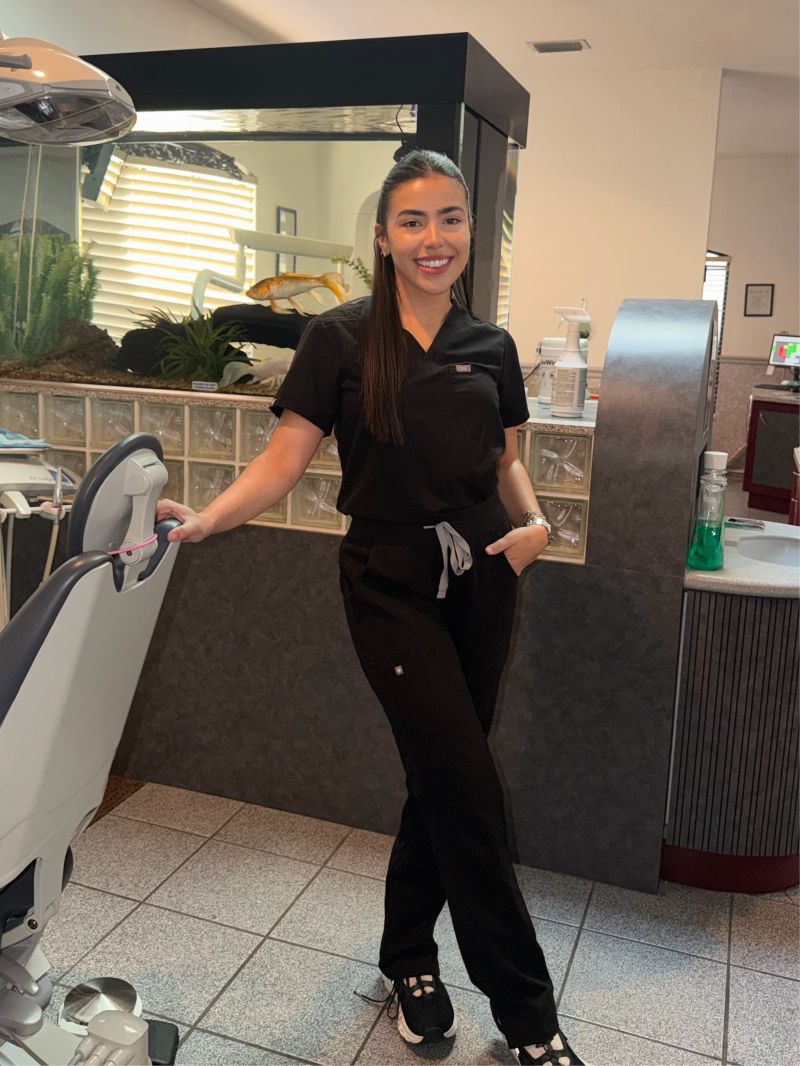
If you have ever quietly endured a throbbing toothache for days - or even weeks - while convincing yourself it would simply go away on its own, you are far from alone. Across Nigeria, dental pain is one of the most commonly managed-at-home health complaints, with millions of people reaching for over-the-counter painkillers rather than booking an appointment with a dentist. It is a deeply familiar story: the pain flares up, the pills bring temporary relief, and the underlying problem quietly grows worse beneath the surface. Nollywood actress Mariam Olayode is now shining a spotlight on exactly this pattern, using her platform to encourage Nigerians to confront one of the most widespread and underacknowledged health fears in the country.
The conversation she has sparked touches on something that goes far beyond dental hygiene. It gets into questions of trust, affordability, cultural conditioning, and the very real psychological barrier that keeps millions of Nigerians from seeking medical care until a situation becomes a full-blown emergency. Olayode, who has built a reputation not just as a talented actress but also as a thoughtful voice on social issues, is framing this as both a personal and collective problem - one that deserves serious attention from both the public and healthcare professionals alike.
Who Is Mariam Olayode?
For anyone who grew up watching Nigerian television in the 2010s, Mariam Olayode is a name that needs little introduction. She rose to widespread fame playing the beloved character Toyosi in the hit Yoruba sitcom Jenifa’s Diary, a role that earned her a devoted fanbase and cemented her place in the Nollywood landscape. Born in 1996, Olayode demonstrated early on that she was more than just a pretty face on screen - she brought genuine depth and comedic timing to her character that resonated with audiences of all ages. Her portrayal of Toyosi became one of the most memorable supporting roles in Nigerian TV history during the show’s peak years.
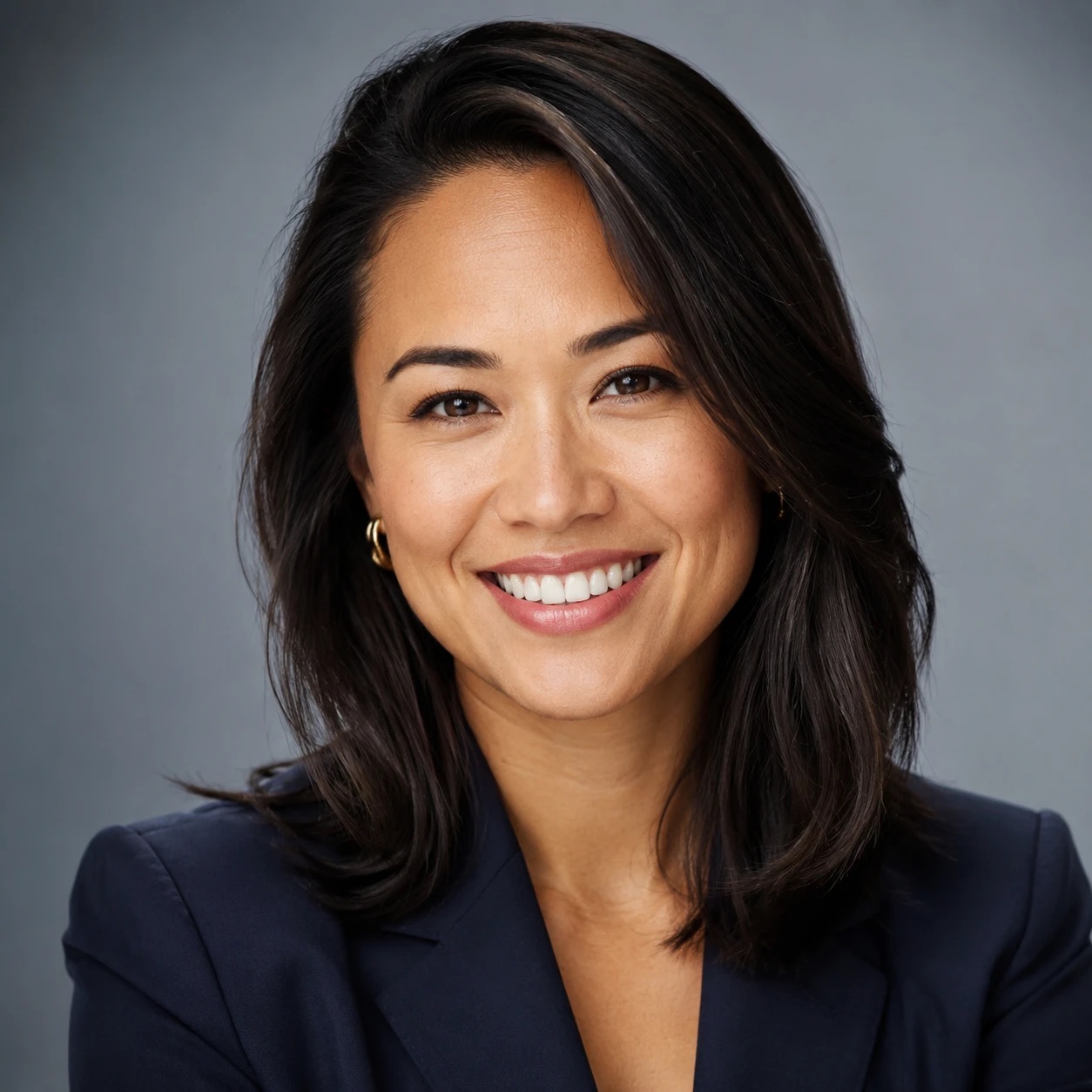
Image: Premium Times
Beyond acting, Olayode has increasingly used her platform to speak on issues that matter to young Nigerians, from mental health awareness to lifestyle and wellness topics. She is active on social media, where she engages authentically with her audience rather than maintaining the kind of polished, untouchable celebrity persona that keeps fans at arm’s length. This accessibility is a big part of why her voice carries weight when she chooses to address something as seemingly niche - but actually incredibly common - as the fear of visiting the dentist. When someone with her level of relatability speaks on a topic, people listen.
The Fear Is Real - and It Runs Deep
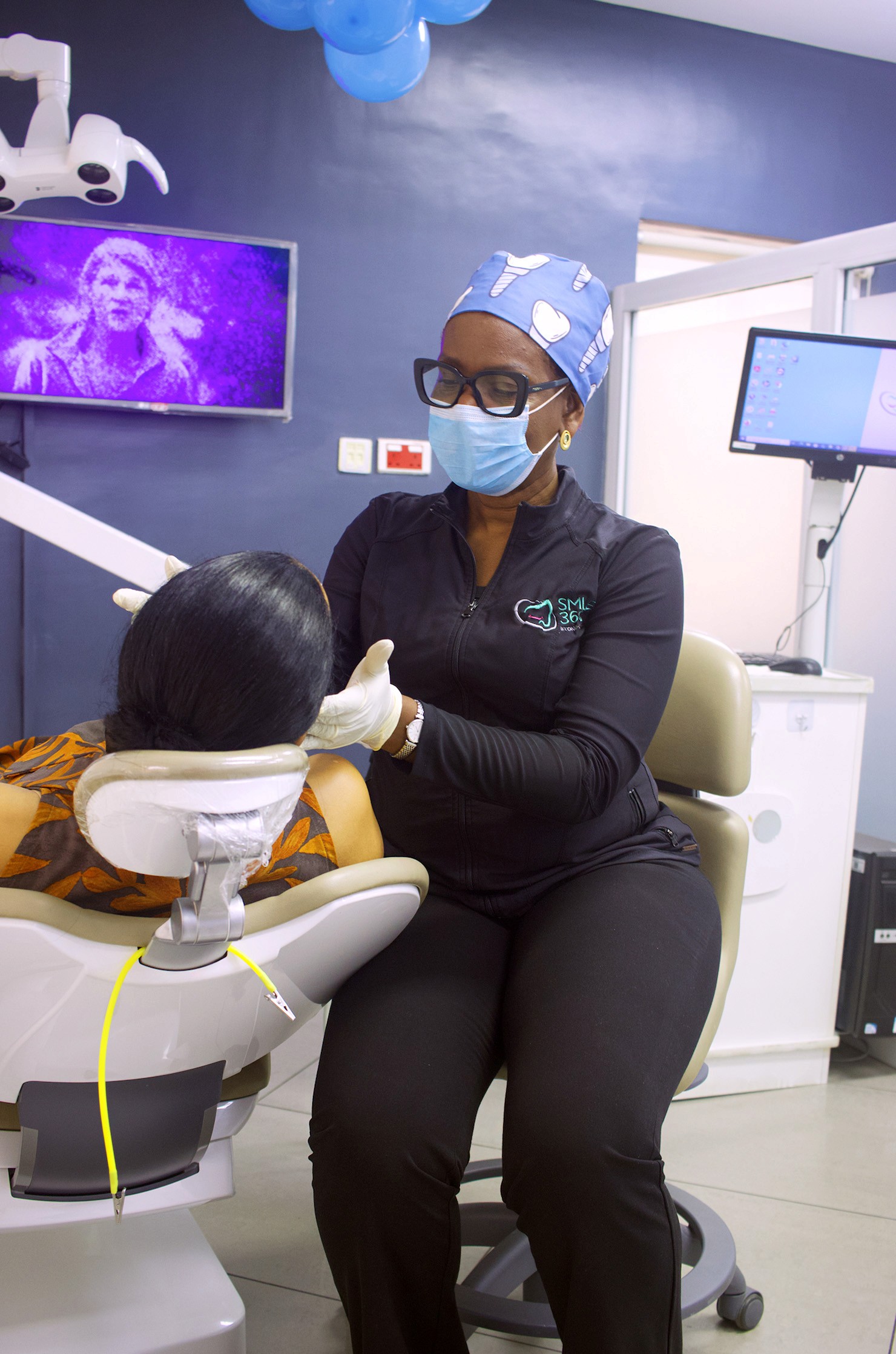
Let us be honest about something: dental anxiety is not a uniquely Nigerian problem. Studies from around the world consistently show that fear of the dentist is one of the most prevalent health-related phobias globally, affecting an estimated 36 percent of the population to some degree. However, in Nigeria, the fear is compounded by a distinct set of factors that make the avoidance behavior particularly entrenched. The anticipation of pain, the unfamiliar sounds of dental equipment, and the general vulnerability of lying back in a reclined chair with someone working inside your mouth are universal triggers - but in a Nigerian context, these fears are amplified by stories passed down through generations about painful procedures carried out without adequate anaesthesia.
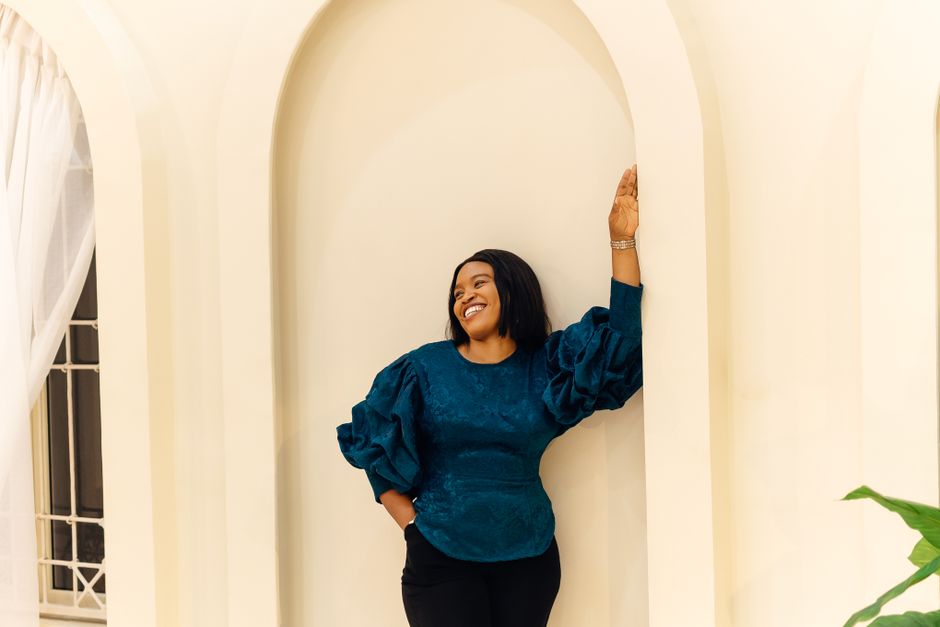
Image: Smile 360
There is also the very human element of embarrassment. Many Nigerians avoid the dentist not only because they are afraid of pain, but because they feel ashamed about the state of their teeth after years of avoidance. It becomes a self-perpetuating cycle - the longer you wait, the worse the problem gets, and the worse the problem gets, the more embarrassed you become about going, which leads to waiting even longer. This shame spiral is something that does not get discussed enough, and it is one of the reasons why so many people end up in the emergency room with severe infections that could have been treated months earlier with a routine procedure.
Ad SpaceIn-Article - 300x250
Advertisement
The Real Cost of Avoiding the Dentist
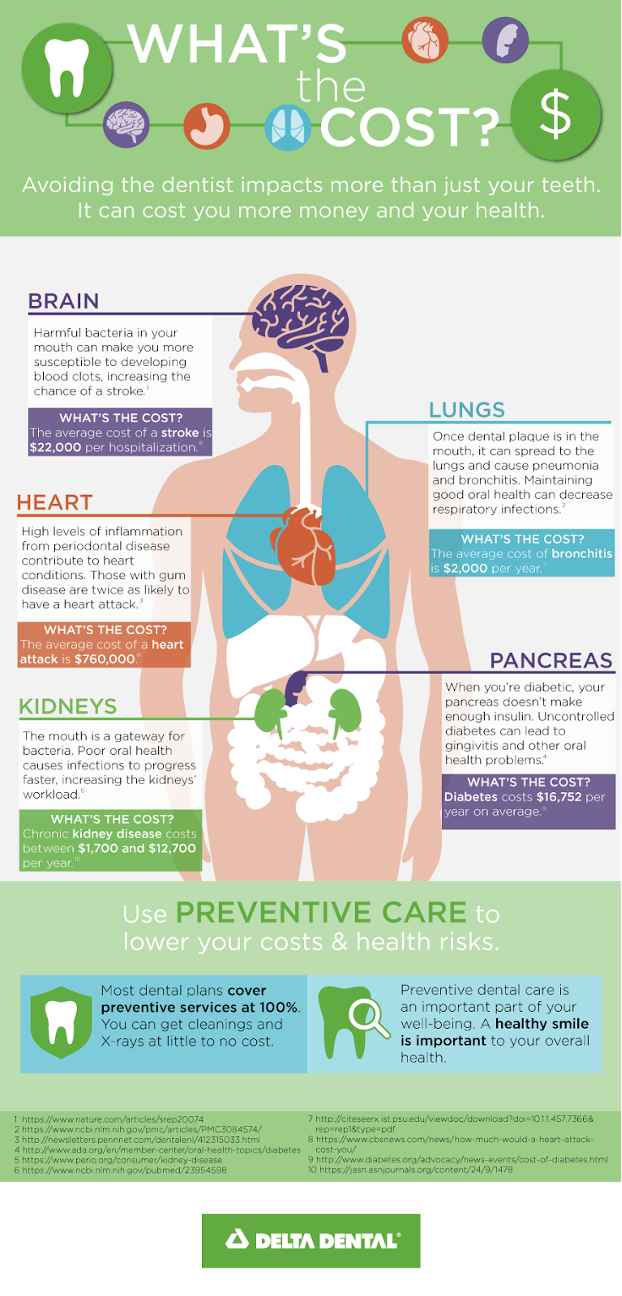
The financial argument for skipping the dentist might seem logical on the surface - dental care in Nigeria can be expensive, particularly in private clinics in major cities like Lagos and Abuja, and it is rarely covered comprehensively by the National Health Insurance Scheme for ordinary Nigerians. Many people make a straightforward economic calculation: buy painkillers, manage the discomfort, and avoid what could be a significant out-of-pocket expense. This reasoning is understandable, especially in a country where a large percentage of the population is navigating genuine financial pressure on a daily basis. The problem, however, is that this short-term saving almost always results in a much larger long-term cost.
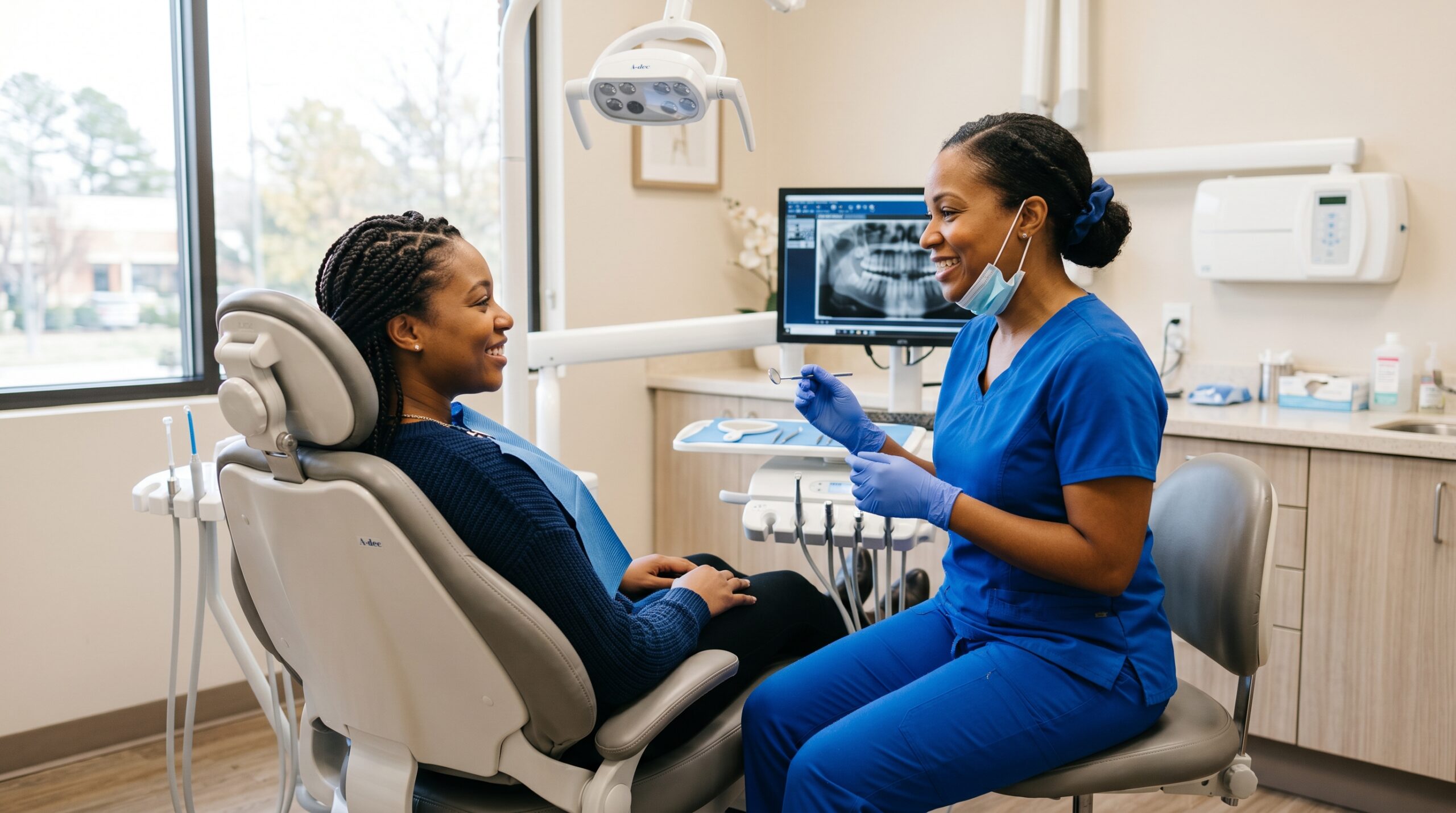
Image: Nigeria Health Watch
An untreated cavity that could have been filled for a few thousand naira can escalate into a root canal procedure or a full extraction that costs significantly more - both financially and physically. Prolonged dental infections can spread beyond the tooth and jaw into surrounding tissue, and in severe cases, can pose serious risks to overall health. The jaw pain, difficulty eating, disrupted sleep, and constant reliance on painkillers that so many Nigerians endure for weeks or months on end takes a measurable toll on quality of life and productivity. Mariam Olayode’s willingness to draw attention to this pattern is genuinely valuable, because the data is clear: avoidance makes everything worse.
Culture, Stigma, and the Nigerian Health Mindset
To fully understand why dental fear runs so deep in Nigeria, you have to look at the broader cultural relationship with healthcare and the body. In many Nigerian households - particularly older, more traditional ones - there is a strong cultural tendency to push through pain and discomfort rather than seek professional medical help. Illness is sometimes viewed through a spiritual or moral lens rather than a purely physical one, and seeking medical attention for something as specific as a toothache can be dismissed as unnecessary or even weak. For younger Nigerians raised in these environments, unlearning this mindset requires both access to accurate information and the kind of relatable, non-judgmental messaging that figures like Olayode can provide.
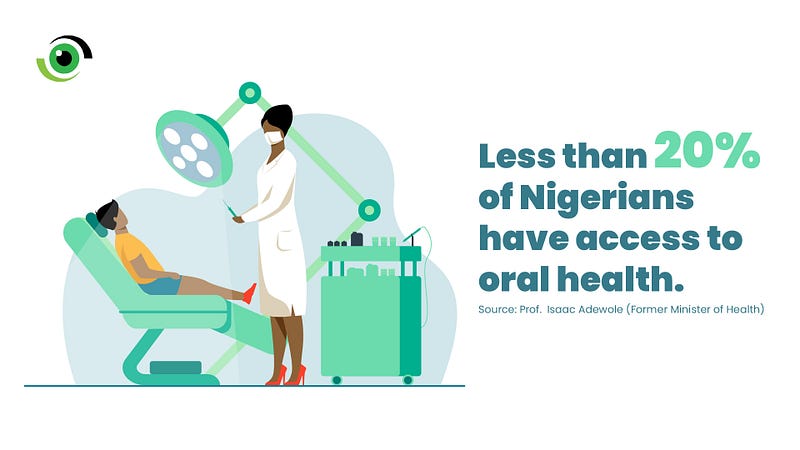
There is also the matter of trust. Many Nigerians have had - or know someone who has had - a negative experience within the healthcare system, whether due to inadequate facilities, dismissive practitioners, or unexpected costs. These experiences create a deep skepticism about whether engaging with the medical system will actually make things better or simply create new problems. Dental care sits within this broader context of healthcare mistrust, and any serious effort to improve public dental health in Nigeria needs to acknowledge this reality rather than simply urging people to book appointments as though the barriers are purely psychological. The structural issues are real, and they matter.
Why Celebrities Like Mariam Matter in This Conversation
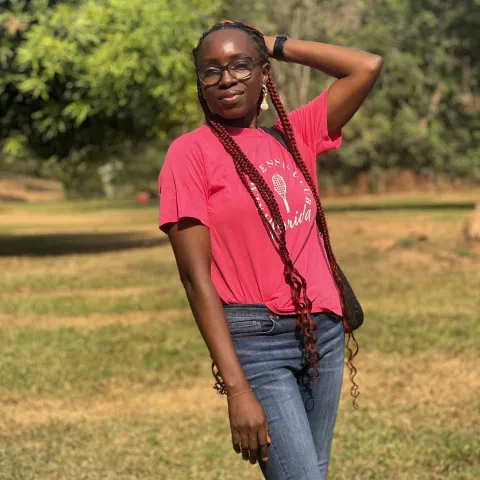
There is a reason why public health campaigns increasingly turn to celebrities and influencers to deliver their messages, and it is not simply about reach. It is about trust and identification. When a medical professional tells you to visit the dentist, it can feel clinical and distant - advice delivered from a position of authority to a passive recipient. When someone like Mariam Olayode, whose face you know from a show you grew up loving, says the same thing through a personal, human lens, the message lands differently. It feels like a conversation rather than a lecture, and that distinction makes an enormous difference in whether the information actually changes behavior.
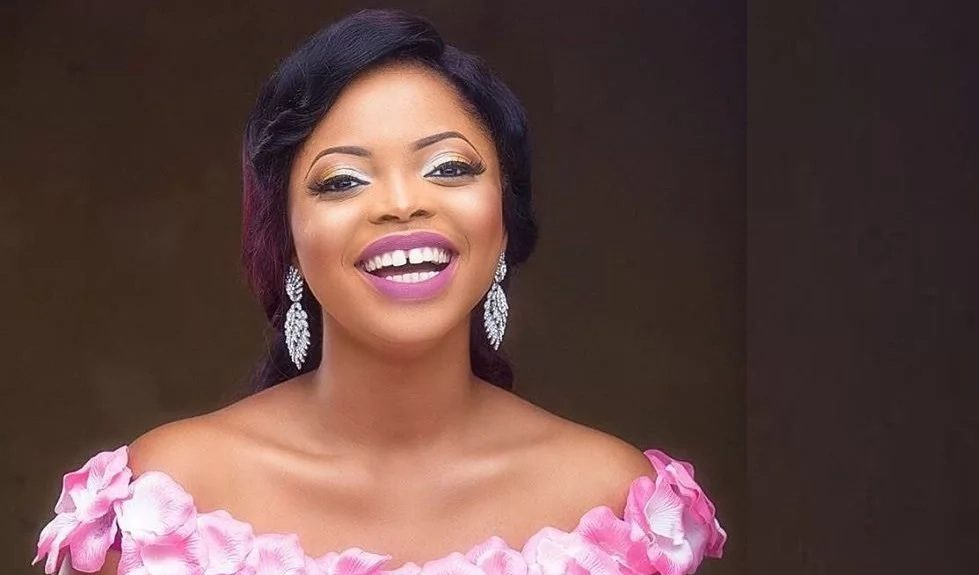
Image: LinkedIn Nigeria
Nollywood and the Nigerian entertainment industry more broadly have an incredible opportunity - and arguably a responsibility - to use their platforms to move culture on important social issues. Dental health might not carry the same urgency in the public imagination as topics like mental health or maternal health, but the scale of avoidance in Nigeria makes it a genuine public health concern. By speaking openly on this issue, Olayode is doing something that public health officials often struggle to achieve: making it acceptable to admit the fear, talk about it honestly, and take a step toward addressing it. That kind of cultural permission-giving is powerful, and it is exactly what this conversation needs to move forward. Whether her words inspire one person or one million to finally book that long-overdue dental appointment, the message is one that Nigerian society genuinely needs to hear.
Ad SpaceIn-Article - 300x250
Advertisement
Share
Get the recap
Loved this story? Get more like it.
Join readers who get our weekly entertainment recap - the stories worth your time, delivered every Friday.
No spam. Unsubscribe anytime. By signing up you agree to our Privacy Policy.