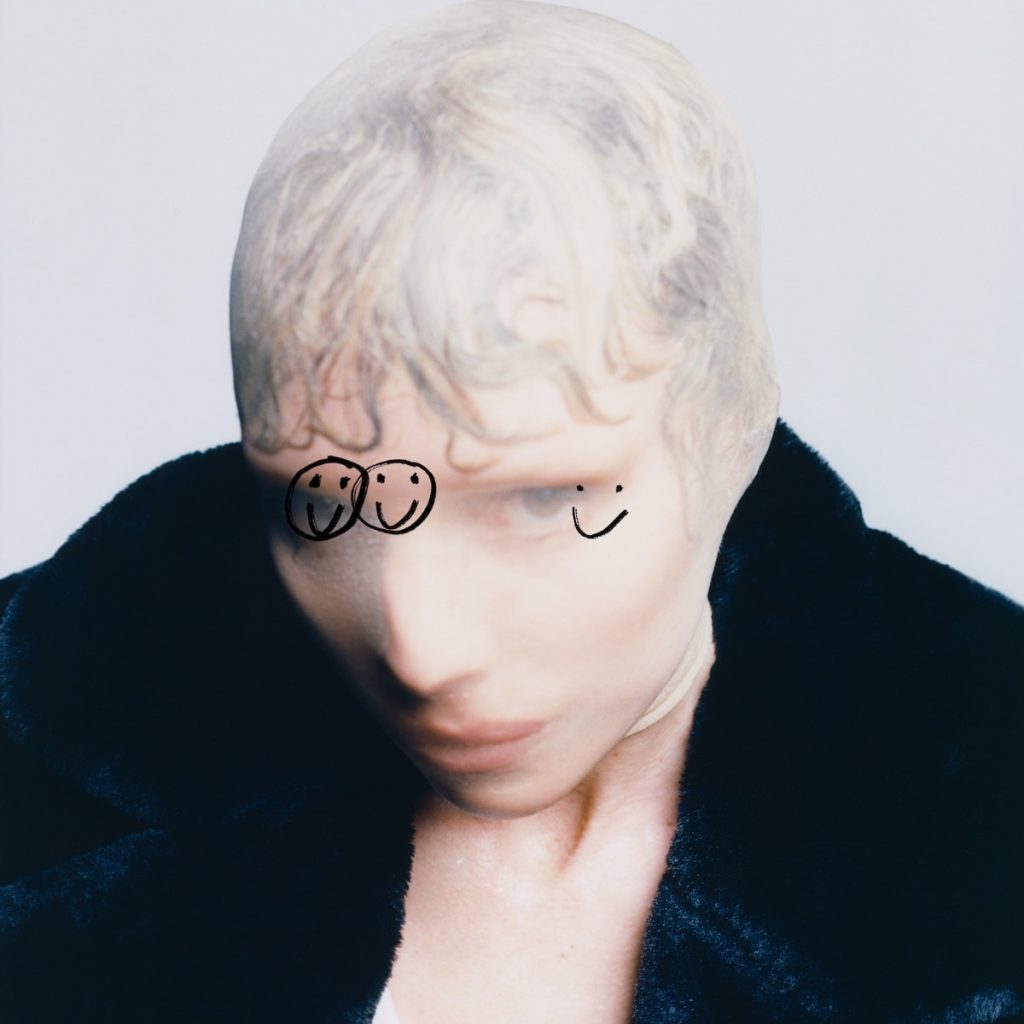
For over a decade, Lykke Li has been crafting some of the most emotionally resonant and sonically adventurous pop music to emerge from Sweden, yet she’s often lived in the shadow of her more commercially successful compatriots. With her latest release, ‘The Afterparty’, the 37-year-old artist has delivered what might be her most cohesive and powerful statement yet - a revenge-pop opus that transforms personal pain into universal catharsis. The album arrives at a time when Li has been increasingly open about her personal struggles, including her highly publicized relationship with musician Jeff Bhasker and the subsequent emotional fallout that clearly informs much of this work. Rather than wallowing in self-pity, however, Li has channeled her experiences into a collection of songs that feel both deeply intimate and powerfully defiant, marking a significant evolution in her already impressive catalog.
Beyond the Robyn Comparisons
While comparisons to Robyn have followed Lykke Li throughout her career - both being Swedish artists who emerged around the same time with a knack for melding emotional vulnerability with electronic production - ‘The Afterparty’ makes it clear that Li has carved out her own distinct artistic territory. Where Robyn’s work often celebrates the euphoric release found on the dancefloor, Li’s approach has always been more introspective and cinematically moody, drawing from a broader palette that includes indie rock sensibilities alongside her pop instincts. This latest album pushes that distinction even further, showcasing Li’s ability to create atmospheric soundscapes that feel both spacious and claustrophobic, mirroring the emotional complexity of processing a relationship’s end. The production choices throughout ‘The Afterparty’ demonstrate a maturity and confidence that suggests Li has fully embraced her role as a sonic architect, building elaborate emotional worlds within each track.
Image: officemagazine.net
What sets Li apart from her contemporaries isn’t just her Swedish origin or her timing in the music industry, but her consistent willingness to sit with discomfort and explore the messier aspects of human emotion. While many pop artists use heartbreak as a launching pad for empowerment anthems, Li has always been more interested in the liminal spaces - the moments between devastation and recovery, between anger and acceptance. This approach has sometimes made her work feel less immediately accessible than some of her peers, but it’s also created a depth and longevity that rewards repeated listening in ways that more straightforward pop often doesn’t.
The Afterparty: A Deep Dive into Heartbreak
‘The Afterparty’ functions as both a literal and metaphorical exploration of what happens when the celebration ends and you’re left alone with the wreckage of a relationship. The album’s title track sets the tone immediately, with Li’s distinctive breathy vocals floating over a sparse but effective instrumental arrangement that builds tension without ever fully releasing it. Throughout the album, she explores themes of betrayal, self-reflection, and the slow process of rebuilding one’s sense of self after emotional devastation. The sequencing feels deliberately paced, taking listeners through what feels like a real-time processing of grief and anger, complete with setbacks and small victories. Li has mentioned in interviews that the album was created during a particularly difficult period in her personal life, and that authenticity permeates every track without ever feeling exploitative or overly revealing.
Image: Wikipedia
What makes ‘The Afterparty’ particularly compelling is Li’s refusal to provide easy answers or clean resolutions to the emotional turmoil she’s exploring. Instead, she sits with the complexity of feeling multiple conflicting emotions simultaneously - love and hate, regret and relief, vulnerability and strength. This emotional honesty extends to her vocal performance, which ranges from whispered confessions to more powerful declarations, often within the same song. The album feels like an extended therapy session set to music, but one where the insights emerge gradually and organically rather than being forced or manufactured for dramatic effect.
Ad SpaceIn-Article - 300x250
Advertisement
Sonic Evolution and Production Brilliance
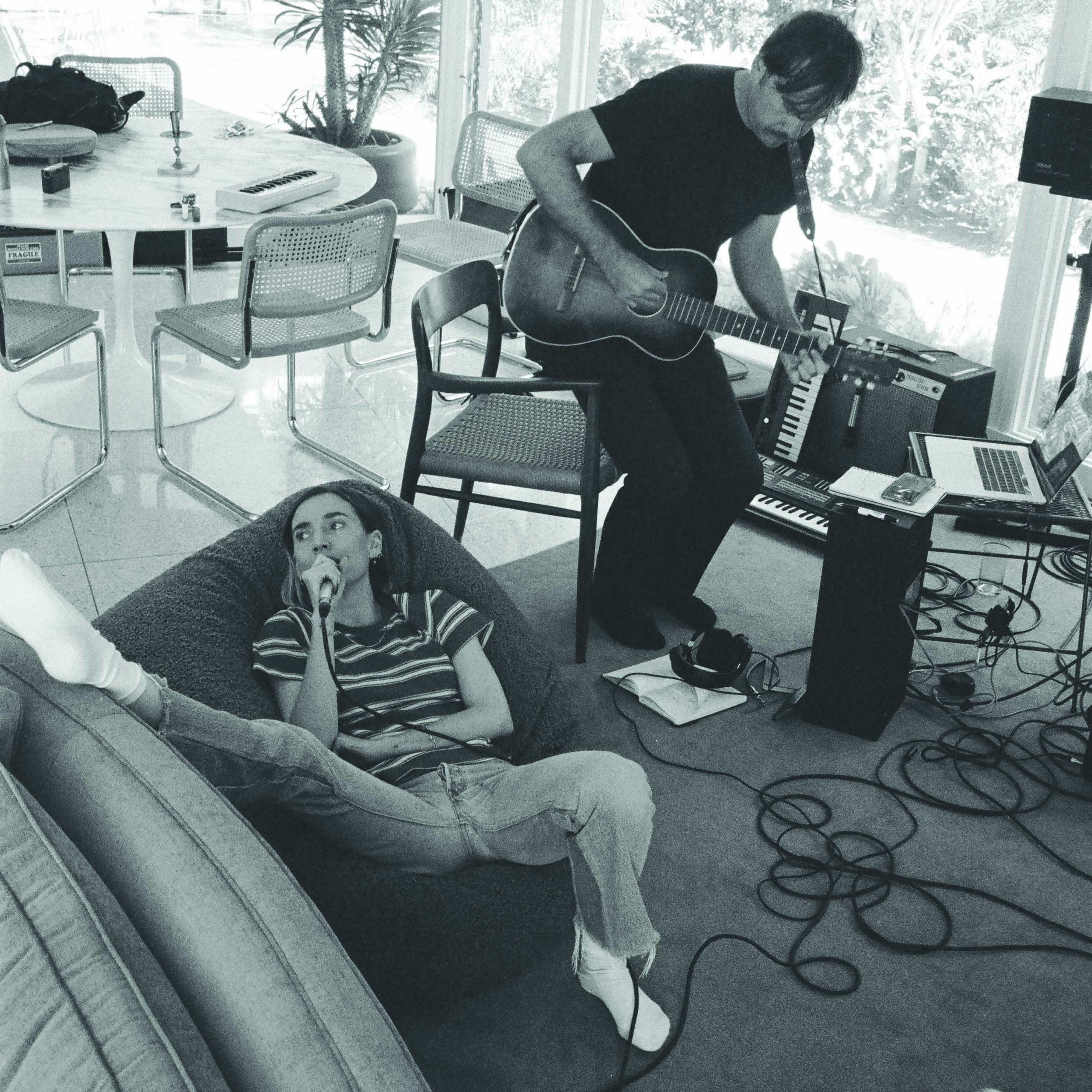
Sonically, ‘The Afterparty’ represents a significant leap forward for Li, incorporating elements that feel both familiar and surprisingly fresh within her existing aesthetic framework. The production, handled by a team including longtime collaborator Björn Yttling and newer additions like Rostam Batmanglij, creates a sonic environment that’s simultaneously intimate and expansive. Heavy use of reverb and space creates an almost cathedral-like atmosphere on many tracks, while strategic deployment of electronic elements adds texture without overwhelming Li’s vocal presence. The album benefits from what appears to be a more collaborative approach to arrangement, with each instrument and sonic element serving a specific emotional purpose rather than simply filling space. Bass lines throb with the weight of unspoken tension, while synthesizer washes provide both comfort and unease in equal measure.
Image: MusicRadar
The production choices throughout ‘The Afterparty’ demonstrate a sophisticated understanding of how sonic space can amplify emotional content. Tracks like the album’s centerpiece ballads use silence and restraint as effectively as more densely arranged moments, creating a dynamic flow that mirrors the ups and downs of processing complex emotions. The use of vocal layering and harmony creates moments of genuine beauty that serve as respite from the album’s more intense emotional passages. This careful attention to sonic detail elevates the material beyond simple confessional songwriting, creating a listening experience that reveals new layers with each encounter.
Standout Tracks and Lyrical Mastery
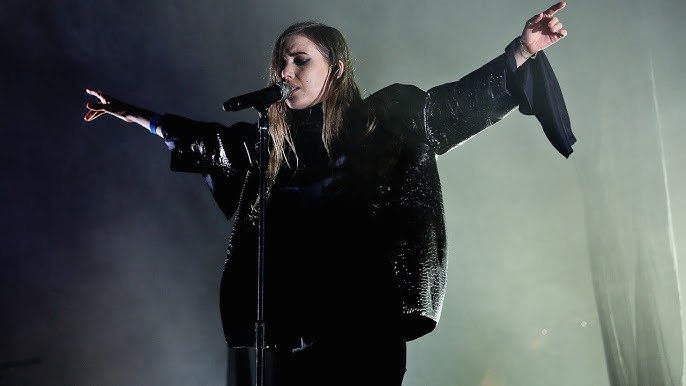
While ‘The Afterparty’ works best as a complete listening experience, several individual tracks showcase Li’s growth as both a songwriter and performer. The album’s opening tracks establish the emotional stakes immediately, with Li’s lyrics demonstrating a new directness that doesn’t sacrifice her poetic sensibilities. Her writing has always been characterized by vivid imagery and emotional specificity, but on this album, she’s found ways to be more explicit about her experiences without losing the universality that makes her work resonate with diverse audiences. Songs dealing with betrayal and disappointment hit with particular force, not because they’re vindictive, but because they capture the specific sting of having trusted someone who ultimately proved unworthy of that trust. Li’s ability to find fresh ways to explore familiar emotional territory speaks to her maturing perspective as both an artist and a person.
Image: YouTube
The album’s later tracks explore the gradual process of healing and self-reclamation, offering glimpses of hope without rushing toward false optimism. Li’s vocal performance throughout these songs demonstrates increased confidence and range, moving fluidly between intimate whispers and more assertive declarations. Her lyrics during these moments feel hard-won rather than manufactured, suggesting genuine personal growth rather than simply following expected narrative arcs. The way she handles the album’s climactic moments shows an artist who has learned to trust both her instincts and her audience’s intelligence, creating space for complexity rather than oversimplifying for the sake of accessibility.
Cultural Impact and Future Trajectory
‘The Afterparty’ arrives at a moment when audiences seem increasingly hungry for authentic emotional expression in popular music, making Li’s willingness to explore difficult territory feel particularly relevant. The album’s approach to processing heartbreak and personal growth offers an alternative to both the victim narratives and the instant empowerment themes that dominate much contemporary pop music. Instead, Li presents a more realistic and ultimately more hopeful vision of healing - one that acknowledges setbacks and complications while still moving toward genuine resolution. This mature approach to difficult subject matter positions the album as a significant artistic statement that should expand Li’s influence beyond her existing fanbase. The critical reception has been overwhelmingly positive, with many reviewers noting the album’s emotional sophistication and sonic cohesiveness as career highlights for the artist.
Image: Stereoboard.com
Looking forward, ‘The Afterparty’ seems likely to be remembered as the album where Lykke Li fully came into her own as an artist, combining her established strengths with new levels of emotional honesty and sonic adventurousness. The album’s success should finally position her alongside her more commercially successful Swedish contemporaries while maintaining the artistic credibility that has always set her apart. For longtime fans, the album represents a satisfying evolution that honors her past work while pointing toward exciting future possibilities. For newcomers, it serves as an ideal entry point into an artist who has consistently delivered thoughtful, emotionally resonant music throughout her career. As Li continues to tour and promote this work, ‘The Afterparty’ stands as compelling evidence that sometimes the most powerful artistic statements emerge from our most difficult personal experiences.
Ad SpaceIn-Article - 300x250
Advertisement
Share
Get the recap
Loved this story? Get more like it.
Join readers who get our weekly entertainment recap - the stories worth your time, delivered every Friday.
No spam. Unsubscribe anytime. By signing up you agree to our Privacy Policy.