
Lila Downs, Chichí Peralta and More Earn Latin Recording Academy's 2026 Special Award Honors
Music

Lila Downs, Chichí Peralta and More Earn Latin Recording Academy's 2026 Special Award Honors

Jalen RossJalen Ross··7 min read
Advertisement

Table of Contents

What the Latin Recording Academy Special Awards Actually Mean
Lila Downs, Chichí Peralta and - What the Latin Recording Academy Special Awards Actually Mean

Every year, just before the spotlight of Latin Grammy night sweeps across the main stage in Las Vegas, a quieter and arguably more meaningful ceremony unfolds behind the scenes. The Latin Recording Academy’s Special Awards event is where the institution steps back from chart performance and streaming numbers and instead honors the architects of Latin music itself – the artists, producers, and songwriters whose contributions have left marks too deep and permanent to be measured by a single album or award season. The 2026 class of honorees is no different, and if anything, it may be one of the most culturally significant groups the Academy has assembled in recent years. Anchored by the iconic Lila Downs and the Dominican merengue giant Chichí Peralta, this year’s list feels less like an awards ceremony and more like a long-overdue cultural reckoning.
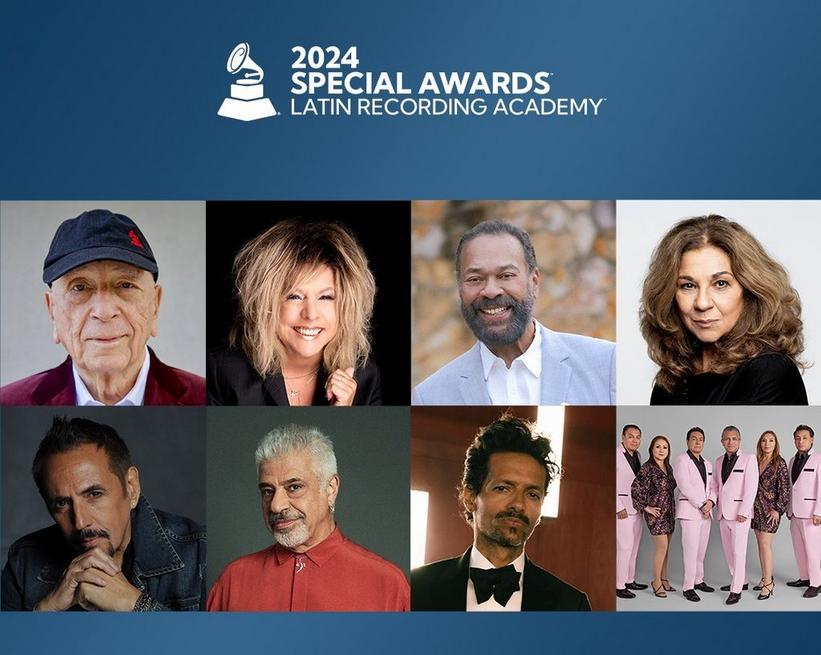
Latin Recording Academy Special Awards event stage
Image: LatinGRAMMY.com

The Special Awards category encompasses several distinct honors, including the Lifetime Achievement Award, the Trustees Award, and the Award for Musical Excellence. Each of these recognizes a different dimension of artistic contribution – longevity and impact, behind-the-scenes genius, and musical innovation respectively. What they share is a commitment to looking beyond the moment and acknowledging careers that have genuinely shaped the direction of Latin music as a whole. Being named to this class is, for many artists, the recognition that outlasts any Grammy win because it speaks to a body of work rather than a single peak.

Lila Downs: A Border-Crossing Musical Legacy
Lila Downs, Chichí Peralta and - Lila Downs: A Border-Crossing Musical Legacy

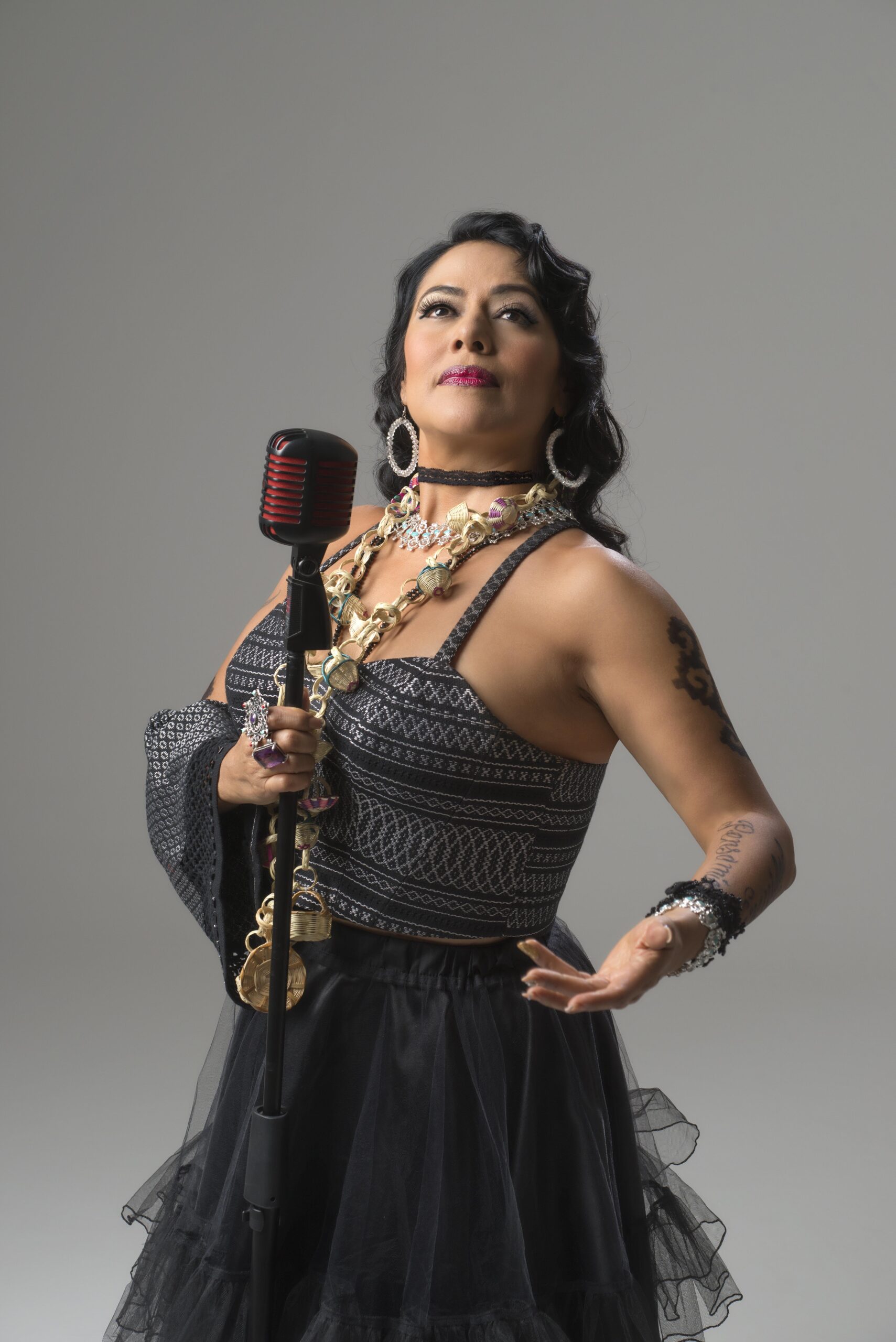
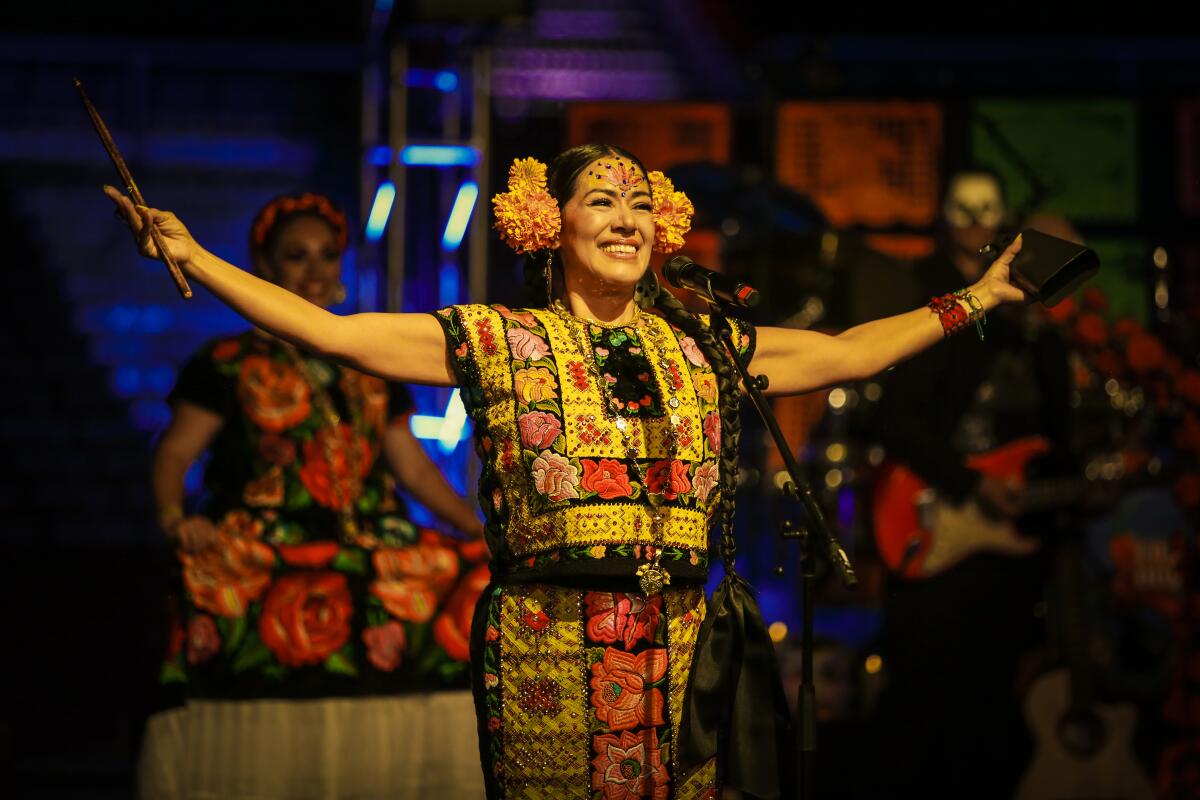
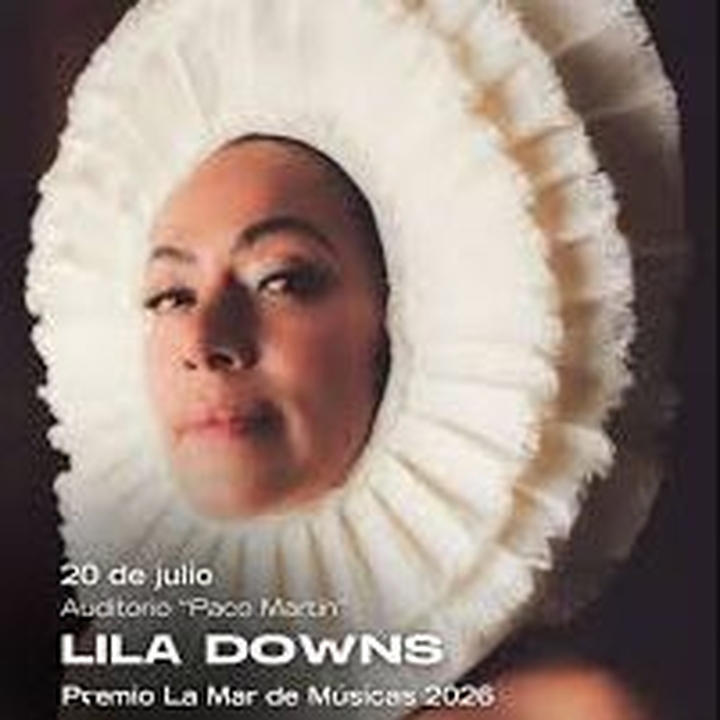
There are few artists in the entire Latin music world who embody the concept of cultural fusion quite like Lila Downs. Born in Oaxaca, Mexico, to a Mexican mother of Mixtec indigenous heritage and an American father, Downs has spent her entire career operating in the spaces between worlds – musically, linguistically, and politically. Her sound pulls from traditional Mexican folk music, indigenous Mixtec melodies, jazz, blues, cumbia, and son jarocho, all delivered through one of the most distinctive voices in contemporary music. She sings in Spanish, English, Mixtec, and Zapotec, and she does so not as a novelty but as a genuine artistic expression of who she is and where she comes from.
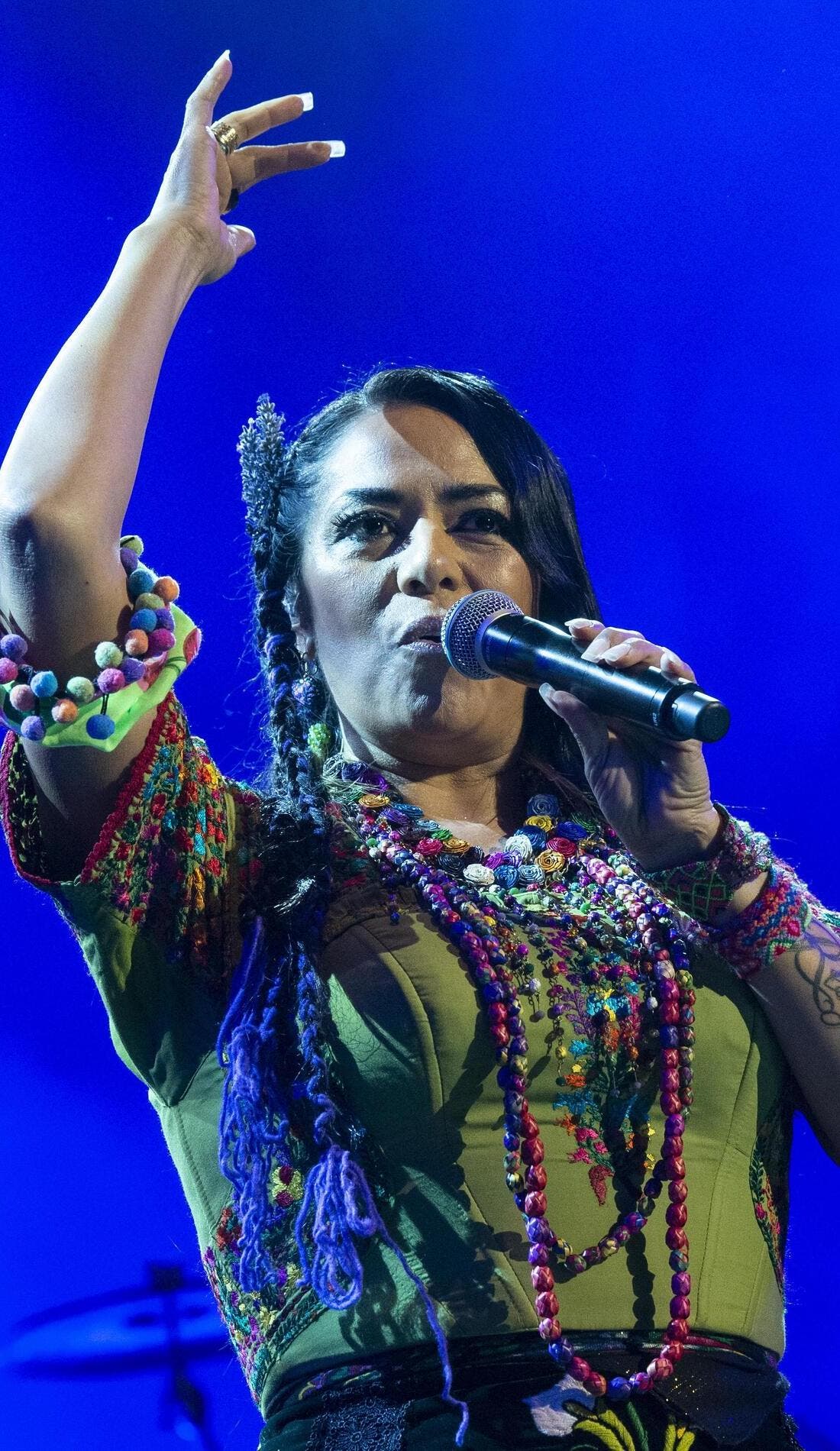
Lila Downs performing live on stage
Image: SeatGeek

Downs first gained broader international attention in the early 2000s, particularly after her contribution to the soundtrack of Frida, the acclaimed 2002 biopic about Frida Kahlo directed by Julie Taymor. Her performance of “La Llorona” on that soundtrack introduced her to audiences far beyond Mexico’s borders and set the stage for a career that would consistently prioritize artistic integrity over commercial convenience. She has released more than a dozen studio albums, earned a Grammy Award for Best Folk Album, and has been celebrated by cultural institutions worldwide for her work in preserving and reinterpreting indigenous Mexican musical traditions. That the Latin Recording Academy is now recognizing her with a Special Award feels not just deserved but necessary – a formal acknowledgment from the industry that the music she has championed matters.

Chichí Peralta and the Rhythm That Defined a Generation
Lila Downs, Chichí Peralta and - Chichí Peralta and the Rhythm That Defined a Generation

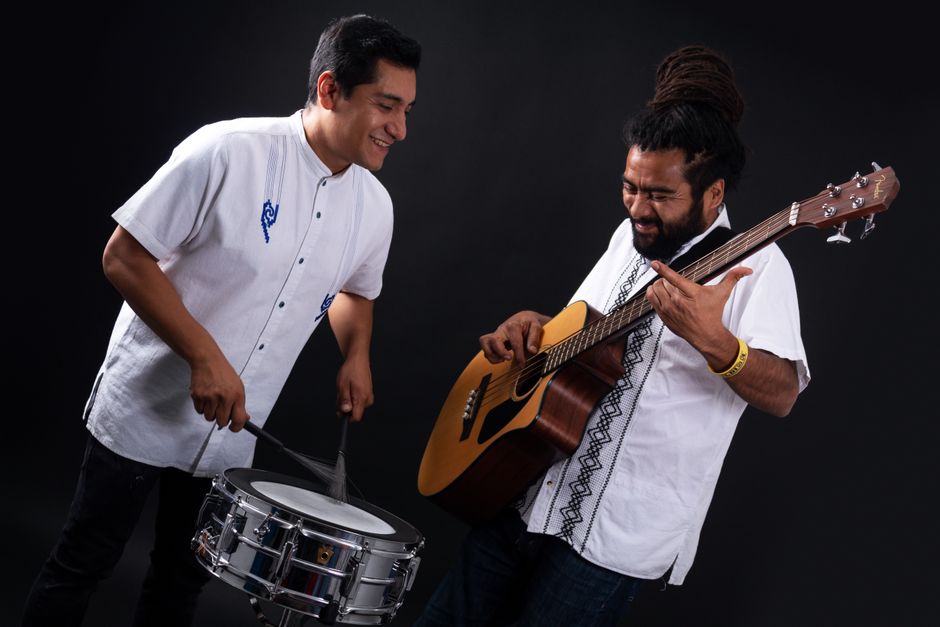
If Lila Downs represents the deeply rooted, indigenous soul of Latin music’s diversity, then Chichí Peralta represents something equally vital – the electric, irresistible heartbeat of urban Caribbean music. The Dominican Republic-born singer, composer, and bandleader rose to prominence in the 1990s as one of the most important figures in the modernization of merengue and bachata, two genres that had long been central to Dominican musical identity but were rarely heard outside of Latin communities in the Americas. Peralta changed that. His 1997 album Soplando became a landmark record, showcasing a willingness to blend traditional Dominican rhythms with jazz influences, sophisticated arrangements, and deeply personal lyrical content.

What made Peralta genuinely special among his contemporaries was his refusal to compromise the musical depth of his work in pursuit of radio play. His arrangements were complex, his themes were mature, and his voice carried a warmth and sincerity that translated across audiences. Tracks like “Procura” and “Me Puedes Contar” became staples of Dominican and broader Latin radio, but they endured because of their craftsmanship rather than their catchiness alone. Over the decades, Peralta has remained a respected figure in Dominican music – not just as a hitmaker but as a standard-bearer for quality. A Latin Recording Academy Special Award honors that standard, and it sends a message to an entire generation of Caribbean artists that musical excellence is always worth pursuing.
Advertisement

The Full Class of 2026 and What They Represent

Lila Downs, Chichí Peralta and - The Full Class of 2026 and What They Represent

While Lila Downs and Chichí Peralta have drawn much of the early attention, the 2026 Special Awards class extends further, gathering additional honorees whose contributions span different corners of the Latin music world. The breadth of the group is itself a statement – one that reflects the Latin Recording Academy’s awareness that Latin music is not a monolith but a sprawling, living collection of traditions, innovations, and regional identities. From the tropical Caribbean sound that Peralta helped elevate to the indigenous and folk traditions that Downs has fought to preserve, the 2026 class collectively maps the full spectrum of what Latin music has been and continues to become.

Latin Grammy Special Awards 2026 class of honorees
Image: Billboard

This variety is increasingly important at a moment when Latin music’s global profile has never been higher. The genre’s commercial visibility – driven in recent years by the explosive crossover success of artists like Bad Bunny, Karol G, and Peso Pluma – has been extraordinary. But commercial visibility and cultural depth are two different things, and the Special Awards ceremony is the Latin Recording Academy’s way of insisting that both matter. Honoring artists like Lila Downs and Chichí Peralta alongside whatever contemporary names fill out the 2026 roster sends a clear signal that the Academy understands the difference between what is popular and what is important, and that it intends to celebrate both.

Latin Grammy Week in Las Vegas: More Than Just a Ceremony

Lila Downs, Chichí Peralta and - Latin Grammy Week in Las Vegas: More Than Just a Ceremony

Las Vegas has become the established home of Latin Grammy Week, and the city’s glittering hospitality infrastructure has made it a natural fit for an event that has grown well beyond a single televised awards show. Latin Grammy Week now encompasses panel discussions, producer sessions, master classes, private showcases, and industry networking events that draw artists, executives, and journalists from across the Americas, Europe, and beyond. For many attendees, the week-long calendar is as valuable as the main ceremony itself, offering the kind of access and conversation that shapes the future direction of the industry. The Special Awards event, which takes place as a private ceremony during this week, operates at the heart of that spirit.

Latin Grammy Week Las Vegas event venue
Image: Variety

The private nature of the Special Awards ceremony is worth noting. Unlike the televised main show, which is designed for maximum spectacle and broad audience engagement, the Special Awards event is intimate and industry-focused. Honorees are typically celebrated with live performances, heartfelt tributes from peers, and speeches that feel less like acceptance remarks and more like genuine conversations between artists who respect one another’s work. It is, by all accounts, one of the most emotionally resonant events of the entire Latin Grammy calendar – precisely because it operates without the pressure of ratings and red-carpet spectacle. For artists like Lila Downs and Chichí Peralta, whose careers were built on substance over showmanship, that setting is entirely appropriate.

Why Lila, Chichí, and This Entire Class Deserve the Spotlight Right Now

There is a reason this particular announcement is landing with genuine cultural weight rather than as routine industry business. Latin music is currently living through a period of remarkable global expansion, and with that expansion comes a real risk of flattening – of the genre’s extraordinary diversity being compressed into whatever formula is currently winning on the Billboard Hot 100. The artists being honored at the 2026 Latin Recording Academy Special Awards represent an explicit counter-narrative to that flattening. Lila Downs has spent her career insisting that indigenous Mexican musical traditions are not niche curiosities but living, vital art forms worthy of the world’s stages. Chichí Peralta demonstrated that Caribbean dance music could carry intellectual and emotional depth without sacrificing its essential groove. These are not minor achievements.

For younger Latin artists watching from the edges of the industry, this class of honorees is also a kind of roadmap. It demonstrates that the path to lasting recognition does not have to run through viral moments or algorithm-friendly production choices – that building a body of work rooted in genuine cultural identity and musical craft is still a viable and honored approach. The Latin Recording Academy, whatever its limitations as an institution, is making a strong statement with this 2026 class. It is saying that Latin music’s future will be richer if it remembers where it came from, and that the people who carried those traditions forward through decades of work deserve to be celebrated loudly, completely, and without reservation. Lila Downs and Chichí Peralta have earned every bit of that recognition, and Latin Grammy Week 2026 will be a better event for having them at its center.

Advertisement
Share
Get the recap

Loved this story? Get more like it.

Join readers who get our weekly entertainment recap - the stories worth your time, delivered every Friday.

No spam. Unsubscribe anytime. By signing up you agree to our Privacy Policy.

Lila Downs, Chichí Peralta and M... | Sidomex Entertainment