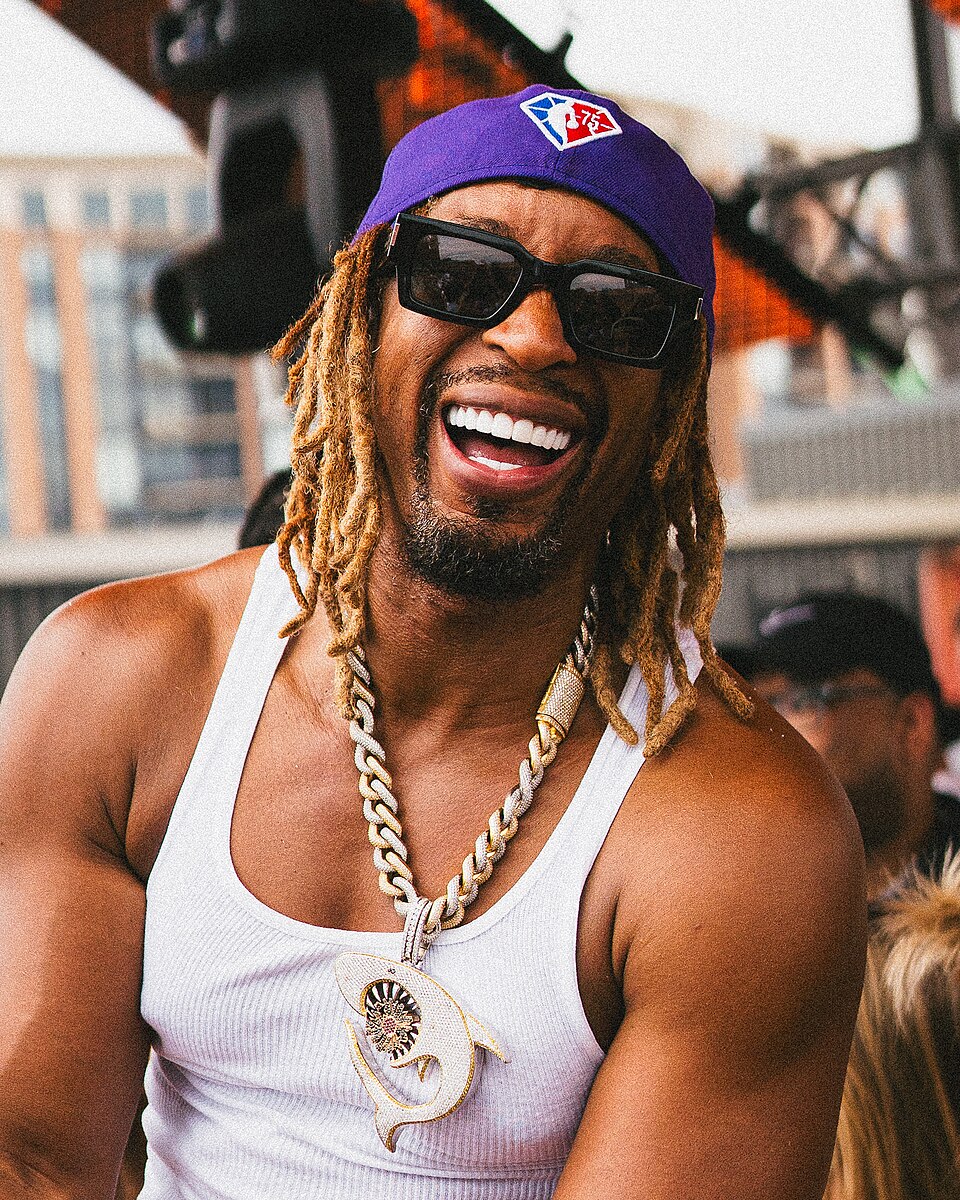
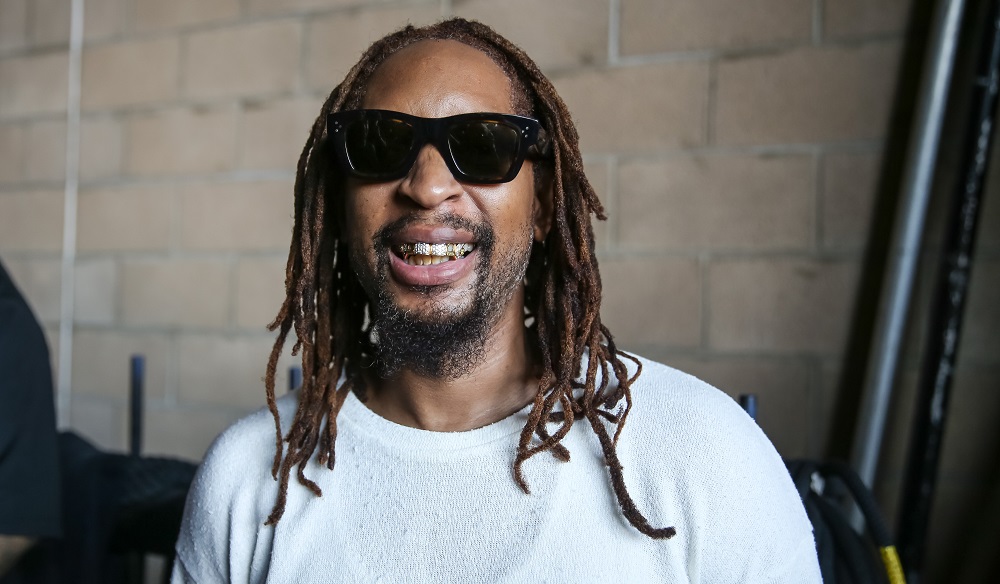
There are artists who write memoirs to celebrate their wins, and then there are those who write them to survive. Lil Jon - the Atlanta-born rapper, DJ, and producer who turned crunk music into a global phenomenon in the early 2000s - falls firmly into the second category. His forthcoming memoir, I Only Shout So You Can Hear Me, is set for release on October 20, and the road to getting it done was anything but straightforward. After the death of his son, the project that was already in progress took on an entirely different weight, one that forced Lil Jon to step away and then, eventually, come back with a completely different sense of purpose.
Image: Wikipedia
It is the kind of personal detail that reframes everything you think you know about a public figure. Lil Jon has spent decades being the loudest person in any room - literally - and his image as the hyped-up, chalice-carrying hype man of hip-hop has been so dominant that the quieter, more human parts of his story rarely make the front page. But grief has a way of demanding honesty, and this memoir appears to be exactly that: a deeply honest reckoning with a life lived at full volume, including the moments that brought it to a sudden, painful silence.
How Grief Became the Engine
When Lil Jon returned to the manuscript after his son’s passing, something shifted in the way he approached the entire project. What might have been a conventional celebrity biography - full of platinum records, wild tour stories, and industry gossip - reportedly transformed into something much more emotionally layered. Writing through loss is one of the oldest forms of human expression, and artists across every genre have found that grief, as brutal as it is, has a way of stripping away the performative and forcing you toward what actually matters. For Lil Jon, that meant revisiting his story not just as a record of success, but as something that could speak to other people carrying their own pain.
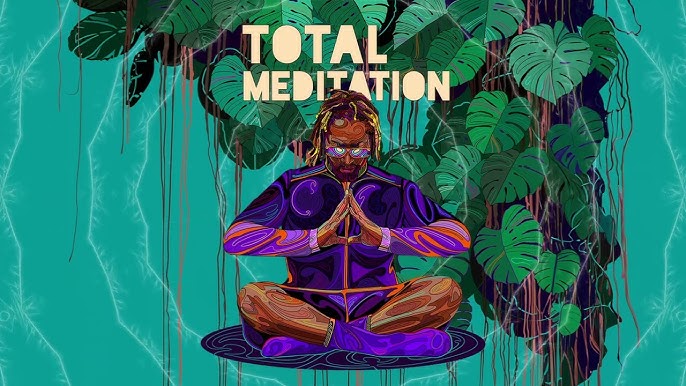
The decision to continue and complete the book rather than shelve it entirely says a great deal about where Lil Jon is as a person right now. He has spoken publicly in recent years about his spiritual journey - most notably when he appeared on the reality show Celebrity Apprentice and later when he documented a transformative trip to Ghana and Thailand for his Amazon Prime series, exploring cultures and practices rooted in mindfulness and ancient tradition. That version of Lil Jon - reflective, curious, willing to sit in discomfort - is clearly the one who finished this memoir. Grief did not break the process. It deepened it.
Who Is Lil Jon Beyond the Catchphrases
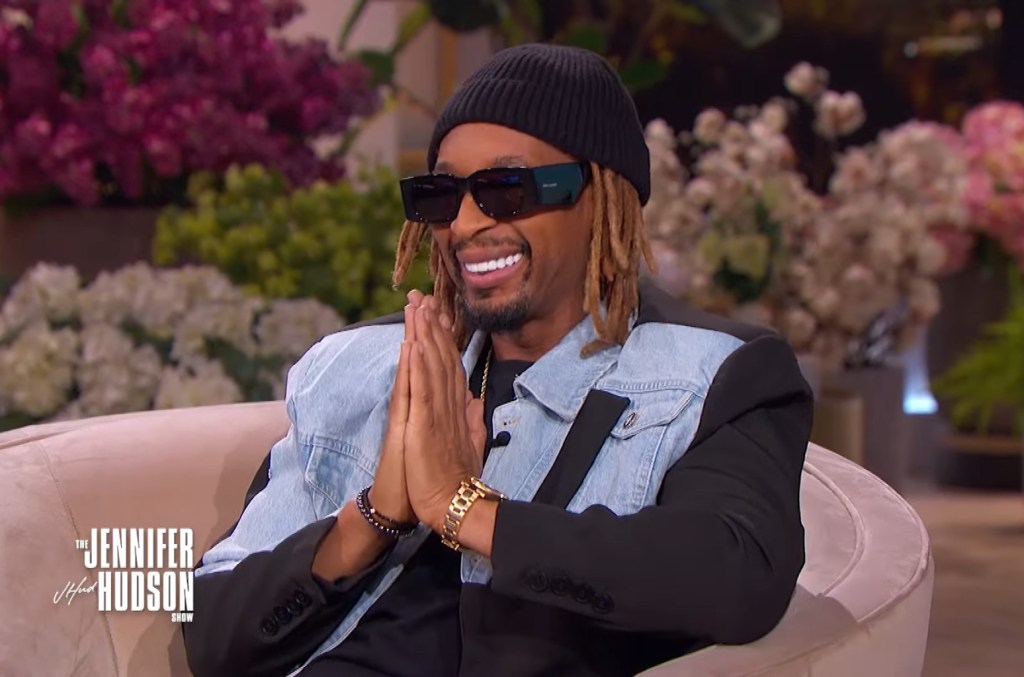
For a generation of music fans, Lil Jon is inseparable from a very specific era of hip-hop and pop culture. His production work in the early 2000s helped define crunk as a genre, blending Southern rap energy with club-ready production that crossed over into mainstream radio in a way few had anticipated. Songs like “Get Low” with Ying Yang Twins, “Yeah!” with Usher and Ludacris, and “Lovers and Friends” with Ludacris and Usher became defining tracks of that decade, earning him Grammy recognition and cementing his status as one of the most commercially successful producers of his generation. His signature ad-libs - “Yeah!”, “What?”, “Okay!” - became so culturally embedded that they still appear in memes, movies, and parodies to this day.
Image: YouTube
But behind the persona is a man named Jonathan Smith, born in Atlanta, Georgia, who built his career methodically before crunk exploded into mainstream consciousness. He worked as a club DJ and music executive before stepping into the spotlight himself, and that business acumen has always been a part of who he is. He is not simply a hype man who got lucky - he is someone who understood the music industry well enough to navigate it on his own terms for over two decades. That dimension of his story is one that a memoir is uniquely positioned to tell, and it sounds like I Only Shout So You Can Hear Me will give it the space it deserves.
Ad SpaceIn-Article - 300x250
Advertisement
What the Book Promises
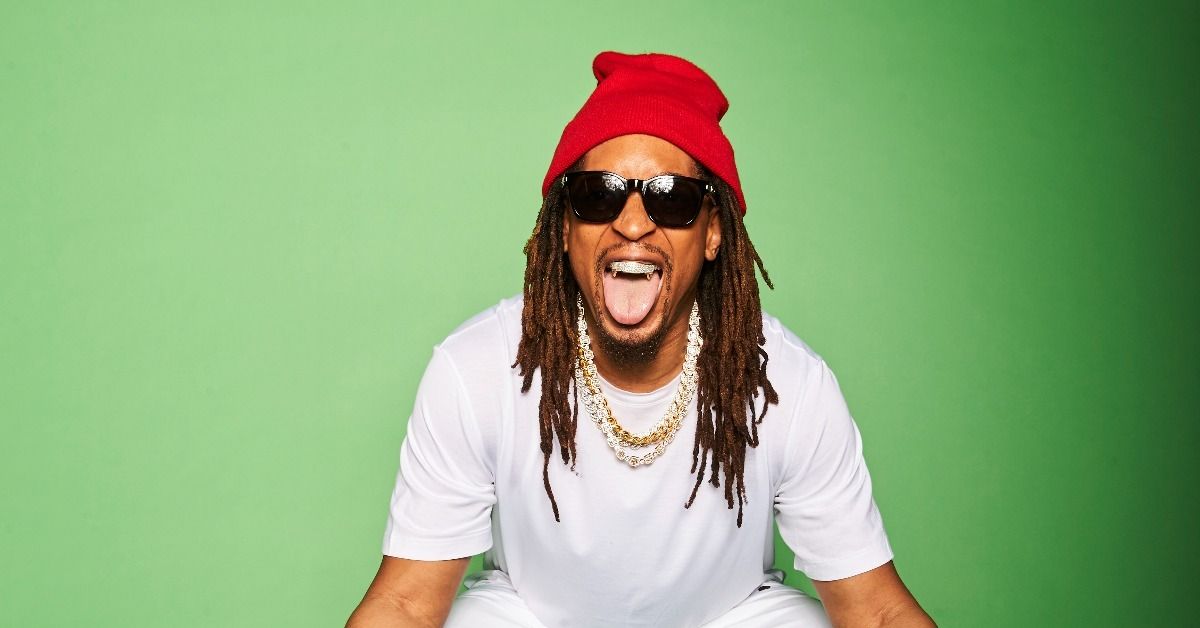
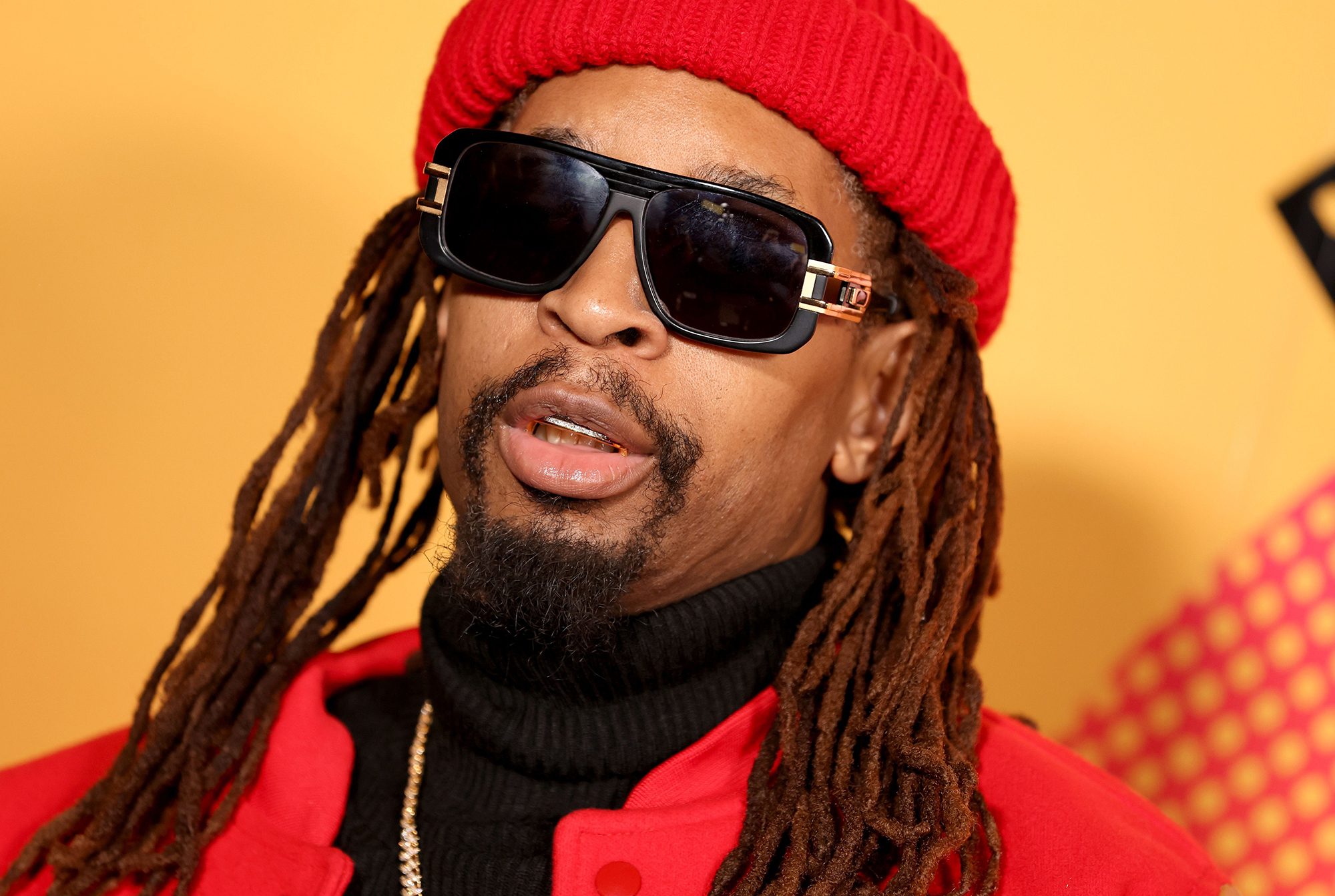
The title itself is a clever piece of self-awareness. I Only Shout So You Can Hear Me plays on his loudest public attribute while also suggesting something more vulnerable underneath - the idea that all that noise was always in service of genuine communication, of being seen and understood. It is a title that works on multiple levels, and it hints at a book that understands the difference between image and identity. Lil Jon has had to shout to be heard in an industry that constantly tries to flatten artists into single, marketable dimensions, and the memoir appears to be his way of finally speaking at a normal volume about who he actually is.
Image: Billboard
The book is expected to trace his journey from Atlanta to the heights of the music industry, touching on his creative process, his evolution as a producer and DJ, and the personal trials he has navigated along the way. The inclusion of his grief following his son’s death adds a layer of emotional intimacy that elevates the project well beyond the typical celebrity tell-all. Readers looking for a straightforward trip down nostalgia lane will find that, but they will also find something more unexpected: a man working through one of the hardest experiences a parent can face, and choosing to do it on the page, in public, so that others might feel less alone in their own grief.
A Bigger Conversation About Black Men and Grief
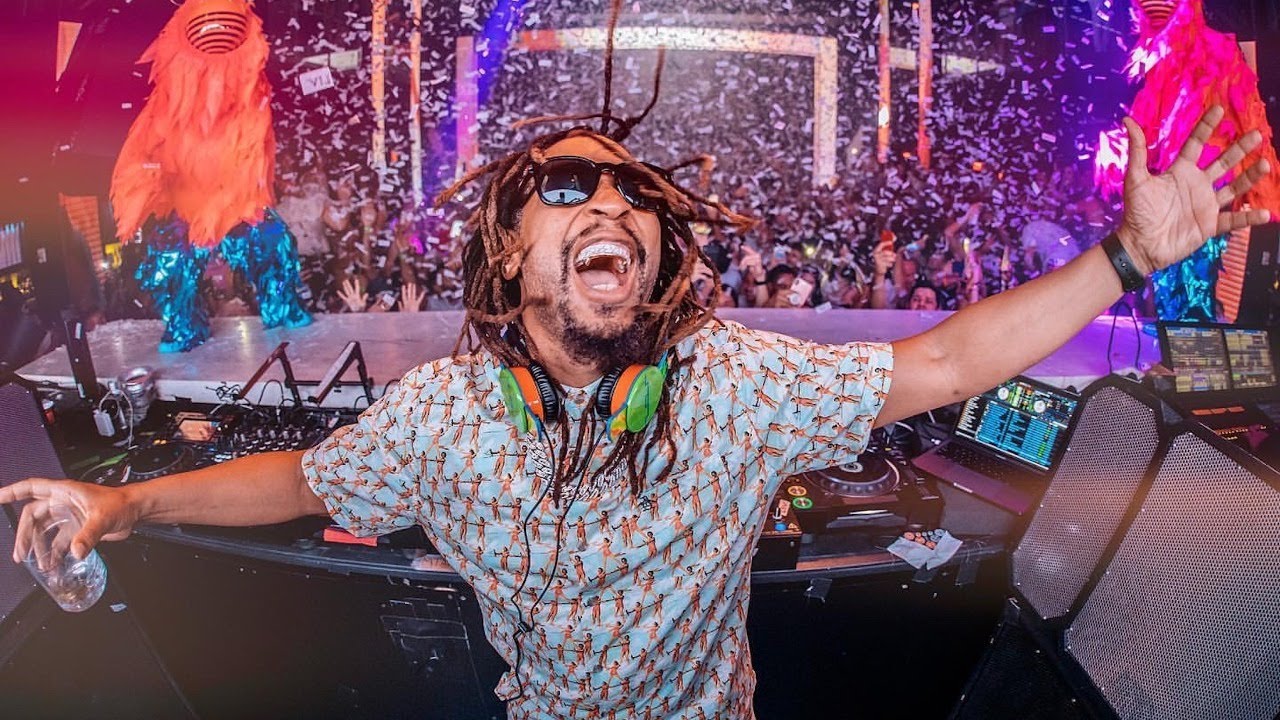
There is a broader cultural conversation that Lil Jon’s memoir steps into, whether intentionally or not. Black men in America - and across the diaspora - are so often conditioned to project strength, resilience, and imperviousness to pain, particularly in industries like hip-hop where toughness is frequently treated as currency. The willingness of artists to openly discuss grief, mental health, and emotional vulnerability has been growing in recent years, with figures like Kid Cudi, Kendrick Lamar, and Jay-Z all incorporating raw personal pain into their most celebrated work. Lil Jon joining that conversation through a memoir rather than an album is significant, because it creates space for a different kind of depth and reflection - one that does not need a beat to carry it.
Image: The Atlanta Voice
The idea that he returned to the manuscript specifically to help others who might be experiencing similar losses is the kind of creative motivation that tends to produce genuinely meaningful work. When artists create from a place of service rather than ego, something different comes through on the page. Lil Jon has always understood his audience - that instinct made him one of the great crowd-readers in hip-hop history - and applying that same attentiveness to a memoir about loss and resilience could result in something that resonates far beyond his existing fan base. Parents who have lost children, people navigating grief in silence, fans who grew up with his music and are now facing the complexities of adult life - there is a wide audience that this book could reach in ways that a crunk album simply could not.
What to Expect on October 20
With the release date of October 20 approaching, anticipation for I Only Shout So You Can Hear Me is building steadily. It arrives at an interesting moment for hip-hop culture, which is increasingly being celebrated not just as music but as a living history - one that is overdue for the kind of first-person documentation that serious literature provides. Memoirs from hip-hop figures have ranged from the extraordinarily candid (Jay-Z’s rapped autobiography that is Decoded) to the sharply observational, and Lil Jon’s contribution to that tradition looks to be one of the more emotionally compelling entries in recent memory. This is not a book about being the loudest voice in the room. It is about what happens when that voice has to find a way to speak through something unimaginable.
For fans who have followed Lil Jon’s career from his days producing for the Eastside Boyz to his evolution into one of the most sought-after DJs on the global circuit, this memoir represents a chance to understand the full picture. The man behind the chalice, the sunglasses, and the iconic ad-libs has lived a life with real weight to it - full of extraordinary highs and devastating lows. I Only Shout So You Can Hear Me drops October 20, and if the spirit in which it was completed is any indication, it might just be the most important thing Lil Jon has ever made.
Ad SpaceIn-Article - 300x250
Advertisement
Share
Get the recap
Loved this story? Get more like it.
Join readers who get our weekly entertainment recap - the stories worth your time, delivered every Friday.
No spam. Unsubscribe anytime. By signing up you agree to our Privacy Policy.