Lauryn Hill's Legacy: How The Miseducation Album Changed Black Music Forever
Arianne Cole··9 min read
Ad SpaceArticle Top - 728x90
Advertisement
A hush of organ chords, the scratch of a needle, the sound of a teacher calling a roll while one seat sits conspicuously empty. That is how the record opens, a classroom skit that frames everything to come, and within seconds the room fills with something that refuses to sit still inside any single genre. Drums knock like boom-bap hip-hop. A bassline rolls with the unhurried weight of Kingston reggae. Then a voice arrives, equally at home rapping a verse and bending into a gospel-trained note, and the whole thing locks into place. That voice belonged to a young woman from South Orange, New Jersey, and the album it carried would go on to rearrange the way an entire culture thought about what Black music could be in a single sitting.
Nearly three decades on, the conversation around that record has only grown louder. New generations discover it through streaming playlists and short-form video edits, established stars name it as the reason they picked up a pen, and African and diaspora artists fold its DNA into their own sound. To understand why a single 1998 release still casts such a long shadow, you have to start before it existed, in the smoky studios where a teenage prodigy first learned to make rooms go quiet.
From The Fugees To A Voice The World Could Not Ignore
Before the solo masterpiece, there was the group. The Fugees, made up of Lauryn Hill, Wyclef Jean and Pras Michel, rose to prominence in the mid-1990s with a blend of reggae, R&B, funk and hip-hop that deliberately turned away from the gangsta posturing dominating the charts. Their second album, “The Score,” released in 1996, became one of the defining records of the decade. It was anchored by their reimagining of Roberta Flack’s “Killing Me Softly with His Song,” with Hill on lead vocals, a recording that reached number one in roughly twenty countries and became one of the best-selling singles in several markets, including a chart-topping run in the United Kingdom.
What separated The Fugees from their peers was largely what separated Hill from everyone around her. In a genre that had often placed women in the hyper-sexualized background of male-led crews, she stood at the center. She could trade hard-edged bars on a posse cut like “How Many Mics,” then glide into the silk of “Killing Me Softly,” then settle into the warm R&B of “Zealots,” all on the same album. That range was rare for anyone, and rarer still for a young woman of color expected to pick a lane and stay in it. The group’s success made all three members stars, but it also exposed an imbalance. Hill’s gravitational pull was simply stronger.
The Fugees disbanded not long after “The Score” reached its peak, undone in part by personal entanglements and creative friction. For some artists, the end of a chart-topping group marks a slow fade. For Hill, it cleared the runway. She had been carrying the harmonies, the hooks, the most quotable verses and the emotional center of the music. The question was no longer whether she could lead. It was what she would say when no one else shared the microphone.
Building A World Inside One Album
The answer arrived in August 1998 as “The Miseducation of Lauryn Hill.” Conceived as a concept album about the education that schools never offer, the kind learned through love, heartbreak, motherhood and faith, it was structured almost like coursework, complete with classroom interludes where students debate what love actually means. That framing gave the record an unusual coherence. It was not a collection of singles hunting for radio play. It was a single sustained argument, delivered across fourteen tracks, about how a person grows up the hard way.
Musically, it drew on traditions that did not usually share a tracklist. The album leaned heavily on neo-soul and R&B while folding in hip-hop, reggae and the deep grain of classic soul. Where much of late-90s radio chased programmed beats and glossy production, Hill built the record around live instruments, layered vocal harmonies and arrangements that breathed. “Doo Wop (That Thing)” snapped with a horn-driven swing and a cautionary message aimed at both women and men. “Ex-Factor” turned a private heartbreak into a slow-burning ballad of devastating restraint. “To Zion” devoted an entire song to choosing motherhood over career pressure, set against a guitar figure from Carlos Santana. “Lost Ones” opened with a reggae-flavored bounce and a warning to anyone who underestimated her.
The result was a record that felt handmade in an era of factory polish. Listeners heard a human being thinking out loud, working through grief and gratitude and self-respect in real time, and they responded immediately. The album debuted at number one on the Billboard 200 with more than 422,000 copies sold in its first week, becoming the first number-one album by an unaccompanied female rapper on that chart. The commercial scale was enormous, but the deeper achievement was tonal. Hill had proven that an album could be confessional and commercial at once, intimate and ambitious, rooted in Black musical heritage while pointing forward.
The Night The Grammys Caught Up
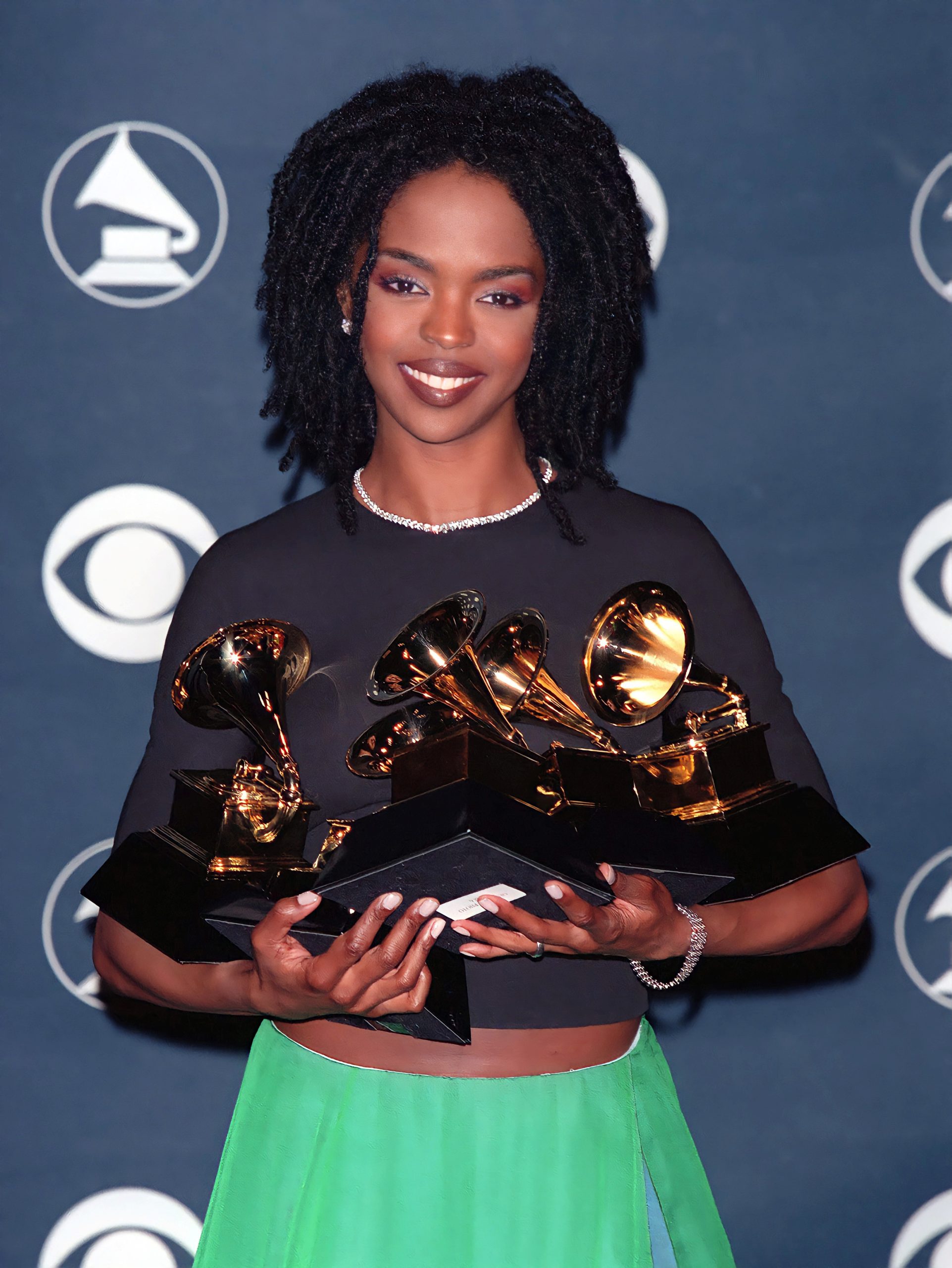
The recognition that followed reset records that had stood for years. At the 41st Annual Grammy Awards, Hill received ten nominations, the most for a woman at a single ceremony at that point. She won five, including Album of the Year, Best New Artist, Best R&B Album, Best R&B Song and Best Female R&B Vocal Performance. With those five wins she became the first woman to take home that many awards in a single night.
The most historic of them was Album of the Year. When “The Miseducation of Lauryn Hill” claimed it, the record became the first hip-hop album to win the Grammys’ top honor. That distinction is easy to state and hard to overstate. For most of its existence, hip-hop had been treated by the industry’s biggest stage as a novelty at best and a threat at worst, segregated into rap-specific categories and rarely considered for the marquee award. A young Black woman who had come up through a rap group walked onto that stage and collected the prize the establishment reserved for its most prestigious work. The ceiling did not merely crack. It came down.
Ad SpaceIn-Article - 300x250
Advertisement
The accolades did not stop with that night. In 2020 the Library of Congress added the album to the National Recording Registry, a designation reserved for recordings deemed culturally, historically or aesthetically significant. In February 2021 it was certified diamond by the Recording Industry Association of America, marking ten million in combined sales and streaming-equivalent units in the United States and making Hill the first female rapper to reach that tier. A record that began as one woman’s reckoning with her own life had become a permanent fixture in the national archive.
The Blueprint That Shaped A Generation Of Black Music
The clearest proof of the album’s reach is the music that followed it. Neo-soul, a movement that artists like D’Angelo and Erykah Badu had already begun pushing into the mainstream, found a new commercial high-water mark in Hill’s success. Critics have credited the broad return of live instrumentation in contemporary R&B partly to her approach, and have traced a direct line from “Miseducation” to subsequent work by Badu, Alicia Keys and Jill Scott. The idea that an R&B singer could write, produce and shape her own sonic world, rather than interpret material handed to her, gained enormous credibility from a record that did exactly that and won the industry’s highest award for it.
The influence widened with each passing year. Hill’s blend of rap and singing, her confessional songwriting and her refusal to separate the personal from the political became something close to a template. Her autobiographical, feminist framing has been cited as a forerunner to landmark albums including Beyonce’s “Lemonade,” SZA’s “Ctrl” and Janelle Monae’s “Dirty Computer.” Beyonce sampled “Ex-Factor” on her 2013 track “Mine,” folding Hill’s voice directly into a new generation’s catalog. Artists as varied as Alicia Keys, Drake, Kendrick Lamar and J. Cole have named her as a foundational influence. What ties those names together is not a single sound but a single permission, the freedom to treat a Black pop album as serious autobiography, to rap and sing in the same breath, and to expect the culture to take it seriously.
That permission travels beyond American borders. The fusion that “Miseducation” perfected, soul and hip-hop laced with the rhythmic pulse of reggae, speaks naturally to the cross-pollinated sound of the African diaspora. Hill’s reggae roots and her Pan-African sensibility were not incidental flourishes. They were central to her artistry, which is part of why her catalog has resonated so deeply with listeners far from New Jersey.
Why Her Name Still Carries Weight In Africa And The Diaspora
The connection between Lauryn Hill and African music is more than a matter of shared genre influences. It has been deliberate. In April 2016 she hosted and headlined the inaugural Diaspora Calling festival at the Kings Theatre in Brooklyn, an event built to showcase artists from across the African diaspora and featuring Afrobeats and African stars such as Mr Eazi, Stonebwoy and DJ Spinall. The gesture made explicit what her music had long implied, that the bridge between Black America and the continent runs through sound, and that she saw herself as a builder of that bridge rather than a distant observer.
That sense of kinship runs in both directions. As Afrobeats has grown into a global force, several of its leading voices have pointed back to Hill as an inspiration, among them Tems and Wizkid, artists whose own blend of soul, R&B and indigenous rhythm carries echoes of the template she helped popularize. The melodic intimacy that defines so much of the current African R&B and Afro-soul wave, the willingness to let a song breathe, to layer harmonies, to write about love without performing toughness, shares lineage with the world Hill built in 1998. For a generation of African and diaspora artists who refuse to choose between heritage and modernity, her catalog offers a precedent that already won every argument the industry could throw at it.
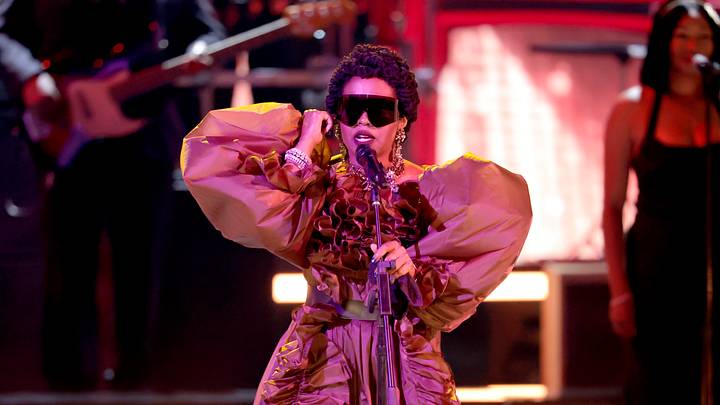
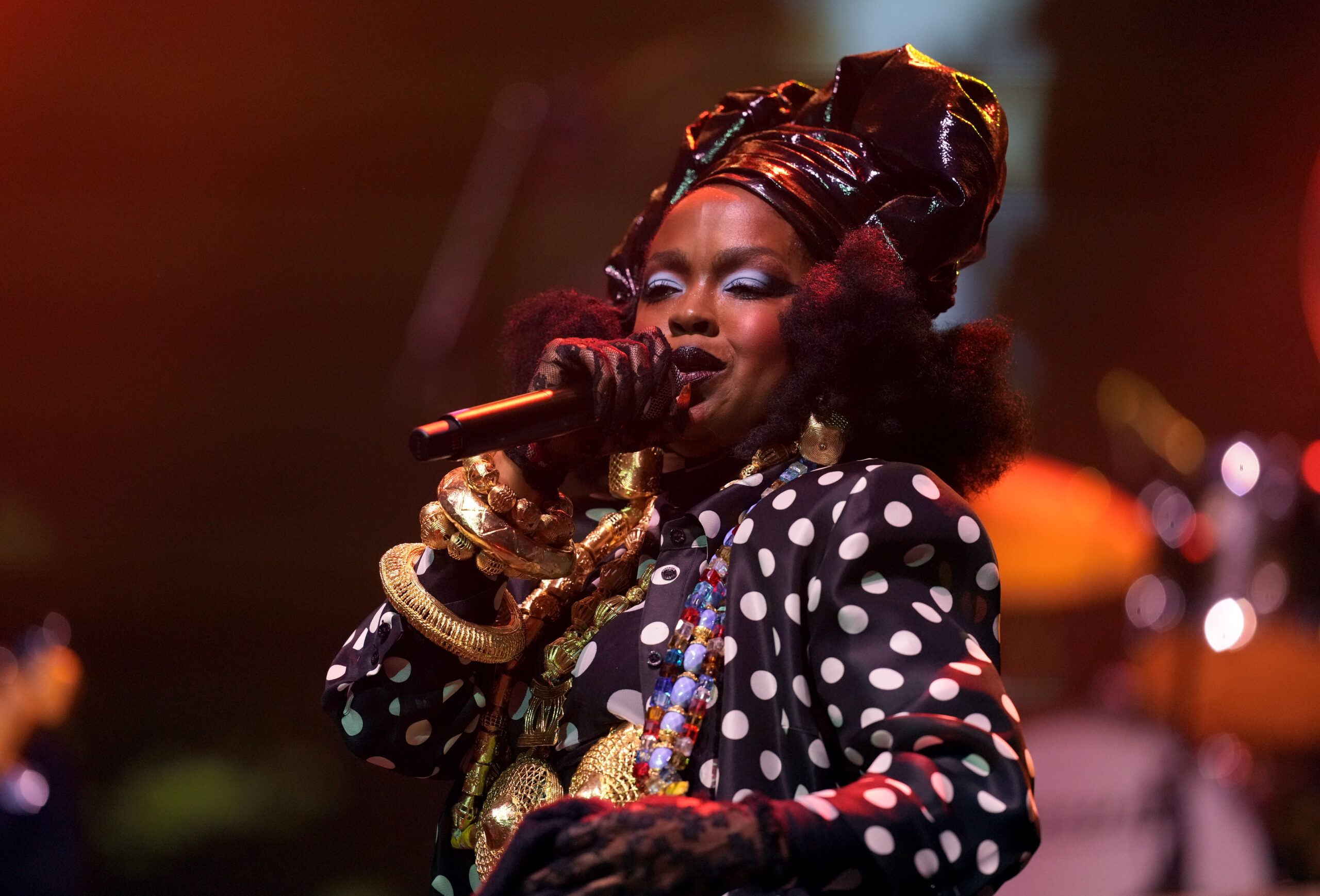
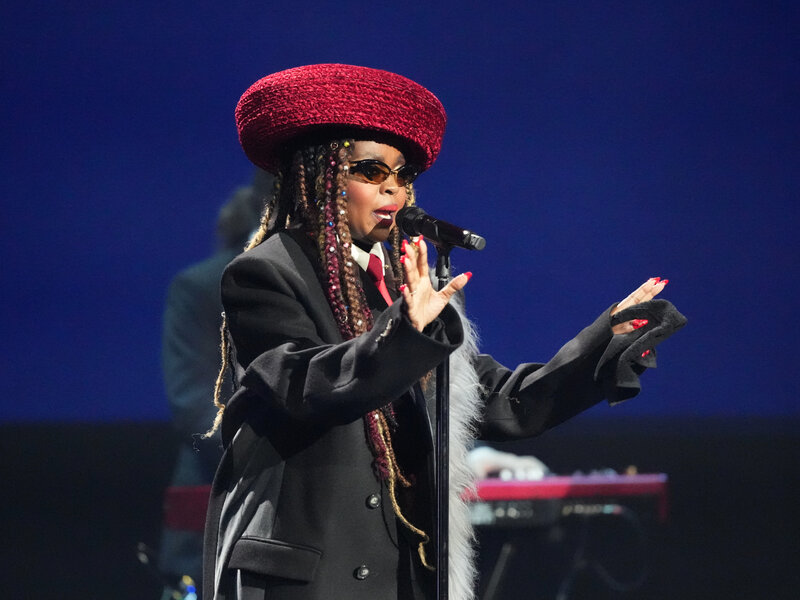
The recognition continues to arrive. In 2026 the BET Awards honored her with an inaugural Living Legend Icon Award and staged an all-star tribute, while her name appeared on the Rock and Roll Hall of Fame’s 2026 nominee shortlist. Both moments underline a strange and telling fact about her career. She released only one solo studio album, followed by the acclaimed live record “MTV Unplugged No. 2.0” in 2002, and then largely withdrew from the spotlight, becoming known almost as much for her absence as for her output. Yet that single album has carried her reputation across decades and continents, sustaining an influence that artists with deep discographies rarely achieve.
The Lesson Of A Single Perfect Record
There is a particular kind of artist who alters a culture not through volume but through precision, who says one thing so completely that everyone after them is in conversation with it. The story of “The Miseducation of Lauryn Hill” is the story of how thoroughly an idea can land when it is fully realized. The fusion of hip-hop, soul and reggae was not invented on that record, but it was synthesized there with such clarity and emotional honesty that it became a standard. The notion that a Black woman could write, produce and own her artistic vision, then be crowned for it at the industry’s highest table, moved from aspiration to documented fact.
For Sidomex readers tracking the long arc from Lagos studios to Brooklyn theaters, the record offers a useful reminder that influence is not measured in output alone. It is measured in how many doors a single work holds open. Every neo-soul singer who built a world from live instruments, every rapper who dared to sing through their pain, every Afrobeats artist who let melody and message share equal weight, every woman in music who insisted on creative control, owes a portion of their freedom to a teenager from New Jersey who turned heartbreak into a syllabus. The classroom skit that opens the album was never really a gimmick. It was a thesis. The lessons it taught are still being learned, one new listener and one new artist at a time, and they show no sign of going out of date.
Ad SpaceIn-Article - 300x250
Advertisement
Share
Get the recap
Loved this story? Get more like it.
Join readers who get our weekly entertainment recap - the stories worth your time, delivered every Friday.
No spam. Unsubscribe anytime. By signing up you agree to our Privacy Policy.