
Pull up any Afrobeats playlist on a Friday night in Lagos, London or Atlanta, and the first thing that hits you is not the bassline. It is the texture of the words themselves. A Yoruba praise chant slides into a Pidgin chorus, an Igbo cadence wraps around an English bridge, and the whole thing makes sense to a teenager in Houston who has never set foot in Nigeria. Beats can be copied, but the way Afrobeats artists braid three or four languages into a single hook is what gives the music its fingerprint.
The Yoruba Foundation
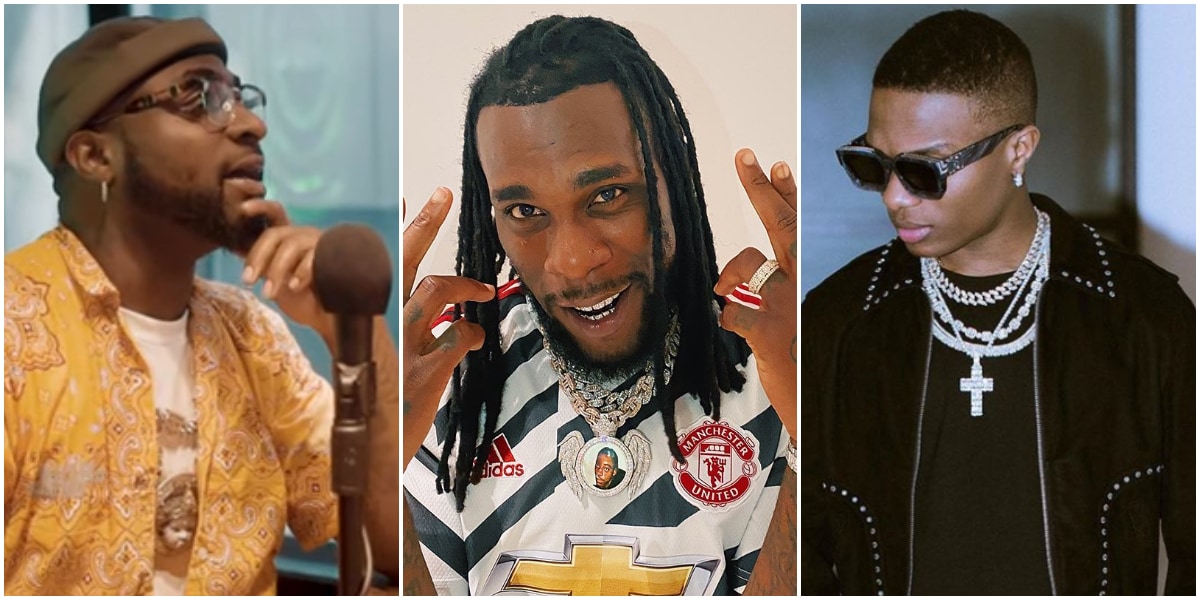
Walk into any major Afrobeats studio in Lagos and the working language on the mic is almost always Yoruba. Asake, Olamide, Wizkid, Davido, Tiwa Savage, Adekunle Gold, Burna Boy on his Lagos days, all are native Yoruba speakers, and that demographic concentration has shaped the genre’s vocal DNA more than any single producer ever could.
Yoruba is a tonal language. Pitch is not decoration in Yoruba speech, it is meaning. The same syllable spoken at three different tones produces three different words. That musical baseline gives Yoruba speakers a built-in ear for melody, and you can hear it in the way Wizkid stretches a vowel on “Joro” or Davido lands a phrase on “Fall.” The language already is melody.
Asake and the Yoruba Renaissance
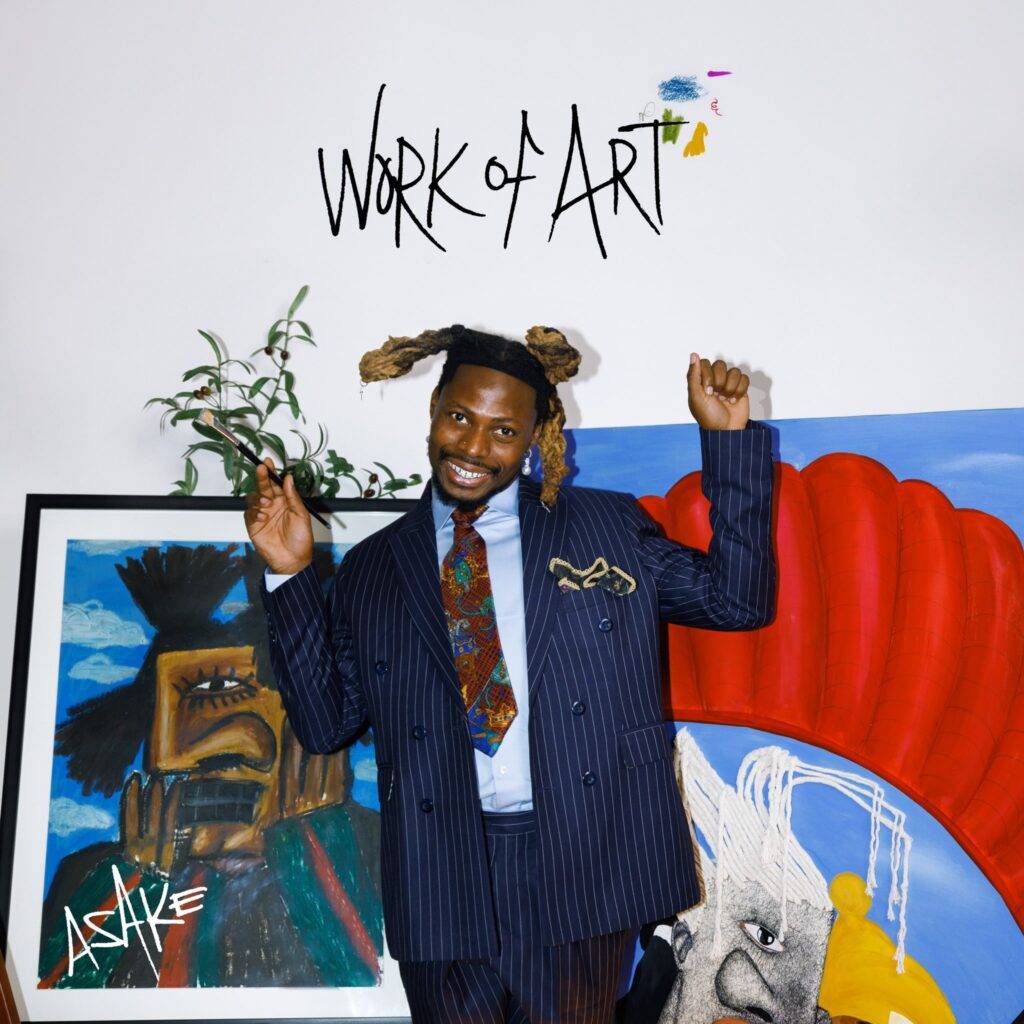
The clearest recent example of Yoruba’s grip on the genre is Asake’s run from 2022 through 2024. “Sungba,” “Ololade Asake,” “Joha,” “Peace Be Unto You,” the entire catalog leans hard into Yoruba phrasing, with the Fuji-derived call and response of Yoruba street music sitting at the center of every hook. Asake did not water down the Yoruba for international ears. He doubled down and let the rhythm of the language carry songs that climbed the Billboard Afrobeats chart anyway.
That run did something quietly seismic. It proved that Yoruba-dominant lyrics could travel without translation, that a Brooklyn listener would shout “Omo Ope” back at the stage without needing a glossary. The two-year window of Asake dominance is now referred to in some circles as the Yoruba renaissance, a moment when the language stopped being treated as a regional flavor and got recognized as a global pop currency.
The Olamide Bridge
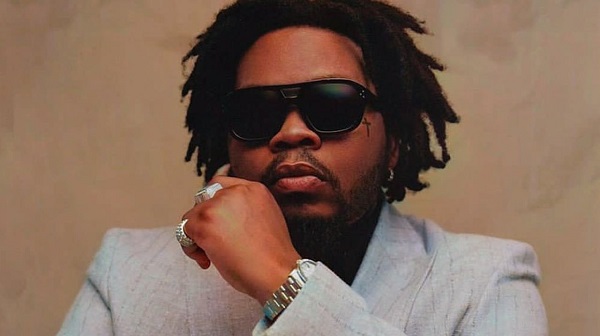
Before Asake could do what he did, Olamide had to do what he did. The YBNL boss spent the better part of a decade translating Yoruba street culture into a pop format that radio could play. “Eyan Mayweather,” “Wo,” “Science Student,” and dozens of other records did the unglamorous work of teaching a generation that Yoruba rap and Yoruba pop could coexist with English-language Afrobeats on the same playlist. Olamide’s insistence on rapping primarily in Yoruba, even when industry incentives pushed toward English, created the audience appetite the next generation inherited.
Wizkid’s Conversational Code-Switch
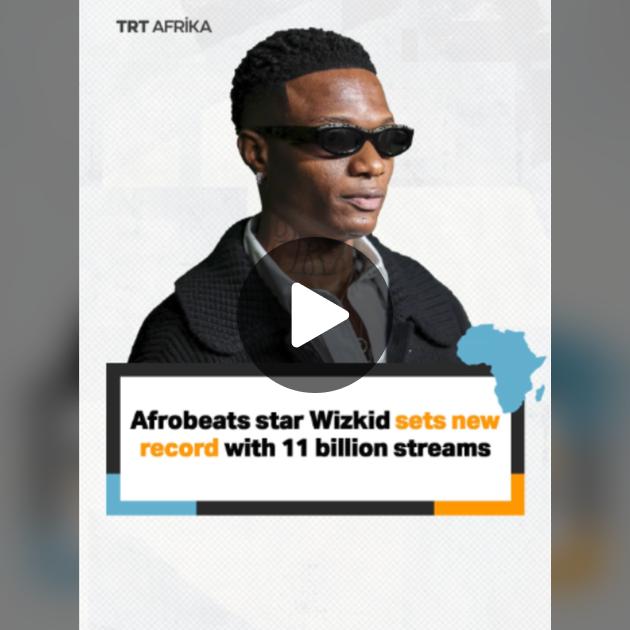
Wizkid takes a different approach. His songs typically run on an English skeleton with Yoruba sprinkled through the choruses and ad-libs. “Joro” lands its hook in Yoruba, “Soco” laces Yoruba phrases through the verses, and “Essence” threads Yoruba phrasing through its opening before settling into English. That formula gave him a chassis that worked on London radio and at a Surulere wedding without modification. The Wizkid model is conversational rather than confrontational. He places the Yoruba where the emotion lives, in the chorus, in the ad-lib, in the moment the song wants you to feel something rather than parse something.
Adekunle Gold the Revivalist
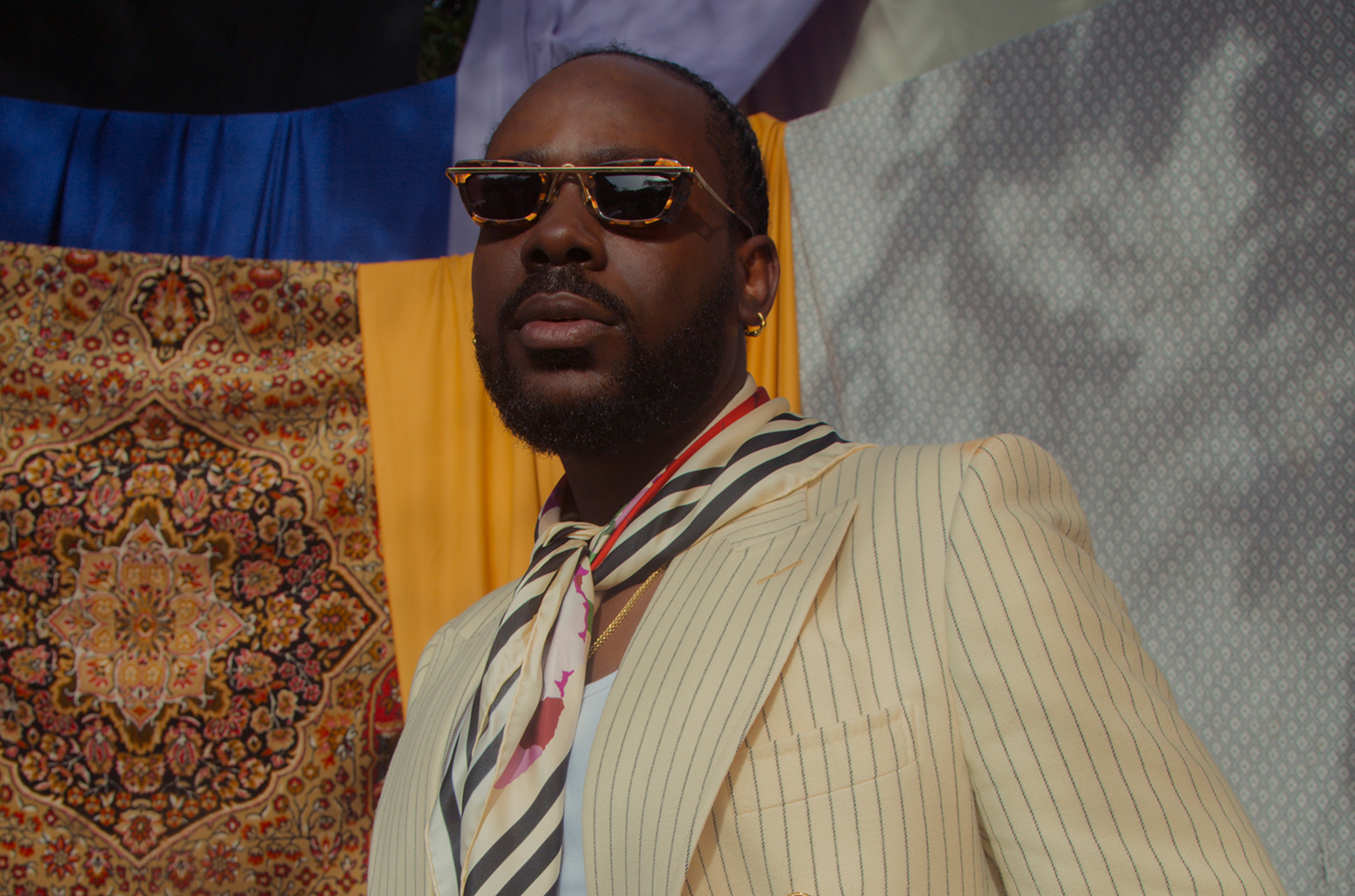
Adekunle Gold built his early identity around a more traditional Yoruba sensibility. His debut drew on highlife and Juju influences, made room for talking drums, and quoted Yoruba proverbs in the same breath as references to Lagos rent and lover’s quarrels. Even as his sound moved toward Afro-pop and house on later projects, the revivalist instinct stayed in the writing. He treats the language as a living tradition, not a costume to put on for a song.
The Igbo Counterweight
If Yoruba is the dominant tongue, Igbo is the genre’s most underrated source of melody. Igbo is also tonal, but its high tone tradition produces a different musical signature, brighter on the top end, more given to declarative phrasing, less prone to the long melismatic vowels that mark Yoruba hooks.
Flavour N’abania’s Full-Igbo Catalog
Flavour is the patron saint of Igbo-language Afrobeats. “Nwa Baby,” “Ada Ada,” “Sake of Love” and a long catalog of highlife-flavored hits prove that Igbo can carry a record from Enugu to Nairobi without needing an English chorus to anchor it. His phrasing borrows directly from Igbo highlife storytelling, where a song is structured like a short narrative with a clear protagonist, a turn, and a resolution. Highlife came out of the East and the Niger Delta, and Flavour’s commitment to writing in Igbo over Igbo-flavored arrangements kept that tradition’s heart beating in the streaming era.
Phyno Brings Igbo Rap to the Front
Phyno did for Igbo rap what Olamide did for Yoruba rap. He proved that rapping primarily in Igbo was commercially viable, that a Lagos audience would learn enough words to chant a chorus, and that a label would still cut a check. “Alobam,” “Connect,” “Fada Fada” with Olamide, all of them are Igbo-forward records that crossed regional lines without translation. Two of Nigeria’s biggest rappers, one rapping primarily in Yoruba and the other primarily in Igbo, choosing to collaborate openly and frequently, sent a message about what mainstream Afrobeats could look like when it stopped treating English as the default.
Kcee, Larry Gaaga, Zoro
Kcee mixes Igbo with English and Pidgin in roughly equal measure, with records like “Limpopo” and “Ojapiano” showing that Igbo phrasing slots cleanly into both Afrobeats and the newer amapiano fusion. Larry Gaaga has spent years producing records that center Igbo voices, often connecting mainstream Lagos stars with Igbo highlife veterans. Zoro brings a younger, slang-heavy Igbo to his verses, the kind you actually hear in Onitsha market rather than the textbook variety.
The CKay Subtitled Hit
CKay’s “Love Nwantiti” is the modern proof point for Igbo’s global reach. The chorus is built around an Igbo phrase that lands as “small love,” and it traveled to TikTok charts across South Asia, Latin America and North Africa without anyone in those markets speaking Igbo. The phenomenon birthed what some critics call the subtitled global hit, where the song’s foreignness is part of the appeal rather than a barrier to it.
The Hausa Question
The conversation about Afrobeats and Nigerian language almost always stops at Yoruba, Igbo and Pidgin. Hausa, the dominant language of Northern Nigeria and one of the most widely spoken languages on the continent, is conspicuously absent from mainstream Afrobeats playlists. The reasons are partly industry geography. Major labels and radio stations cluster in Lagos. Mainstream studios sit in Yoruba-speaking and Igbo-speaking territory. The Northern music economy runs on a different infrastructure entirely, built around Kannywood, the Kano-based film industry, and a vibrant Hausa-language music scene that mostly stays inside its own ecosystem.
Ali Jita is the most prominent Hausa music ambassador to the wider Nigerian audience, and his career illustrates both the possibility and the friction. Hausa records that cross over typically do so through fusion, with Northern artists adapting to Afrobeats production conventions rather than the other way around. Critics have argued for years that Afrobeats markets itself as Nigerian music while functioning as Southern Nigerian music, and the absence of Hausa from major playlists is exhibit A in that case.
Pidgin as Connective Tissue
If Yoruba is the foundation and Igbo is the counterweight, Pidgin is the cement. Nigerian Pidgin is the unofficial lingua franca of Lagos, the language that allows a Yoruba artist, an Igbo producer, an Edo songwriter and a South-South vocalist to make a record together without negotiating which mother tongue wins. Pidgin’s grammar is loose enough to absorb words from any Nigerian language while keeping a recognizable English skeleton. A Pidgin line can carry a Yoruba praise word in the middle and an English brand reference at the end without losing its rhythm. Every major Afrobeats star uses Pidgin, but a few have made it their primary songwriting tool.