
Table of Contents
- JI BLUE Claims Victory with “Keshiki”
- Arashi’s Historic Chart Domination
- Lienel’s Impressive Debut Performance
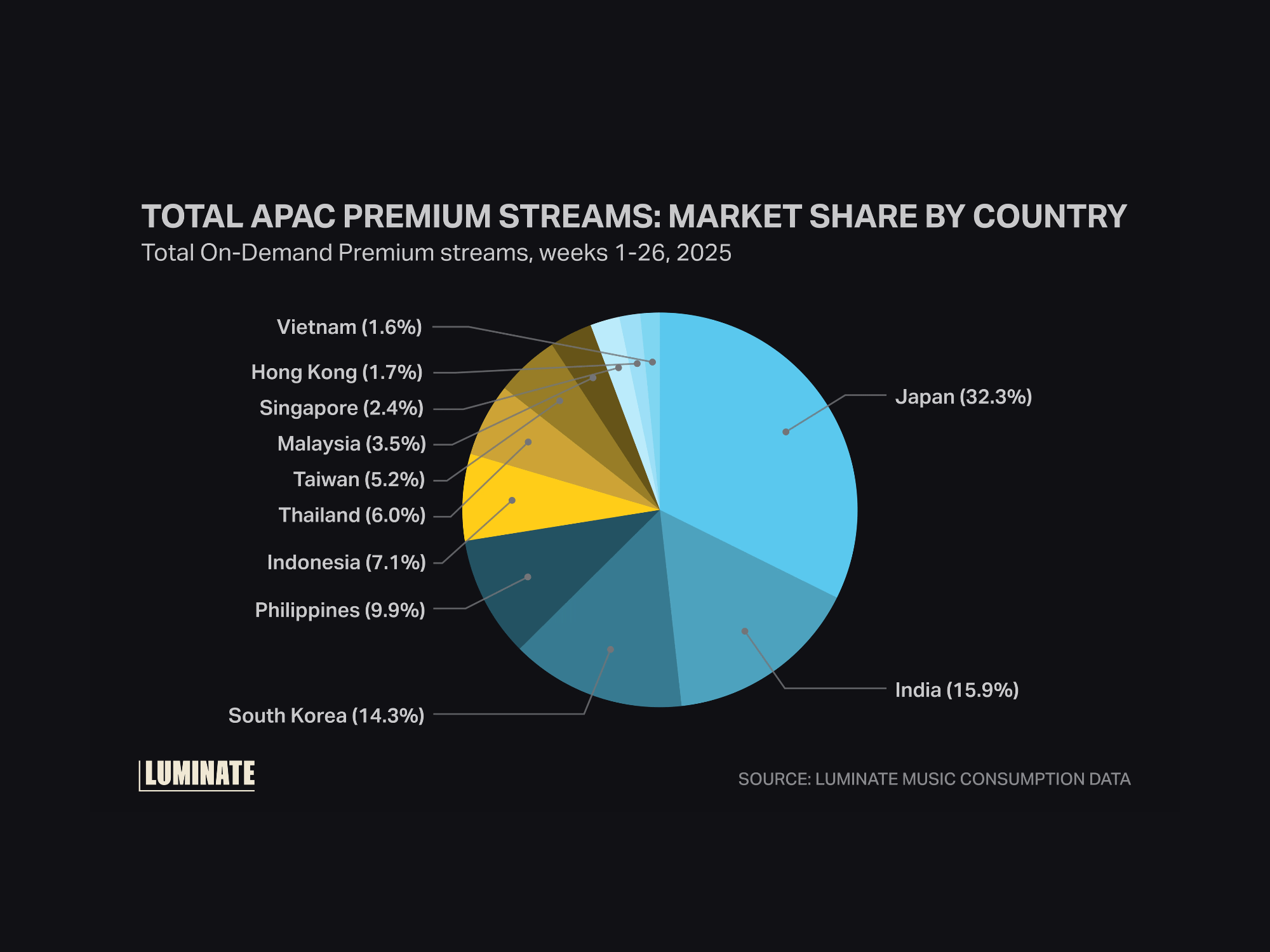
- The Evolving Japanese Music Landscape
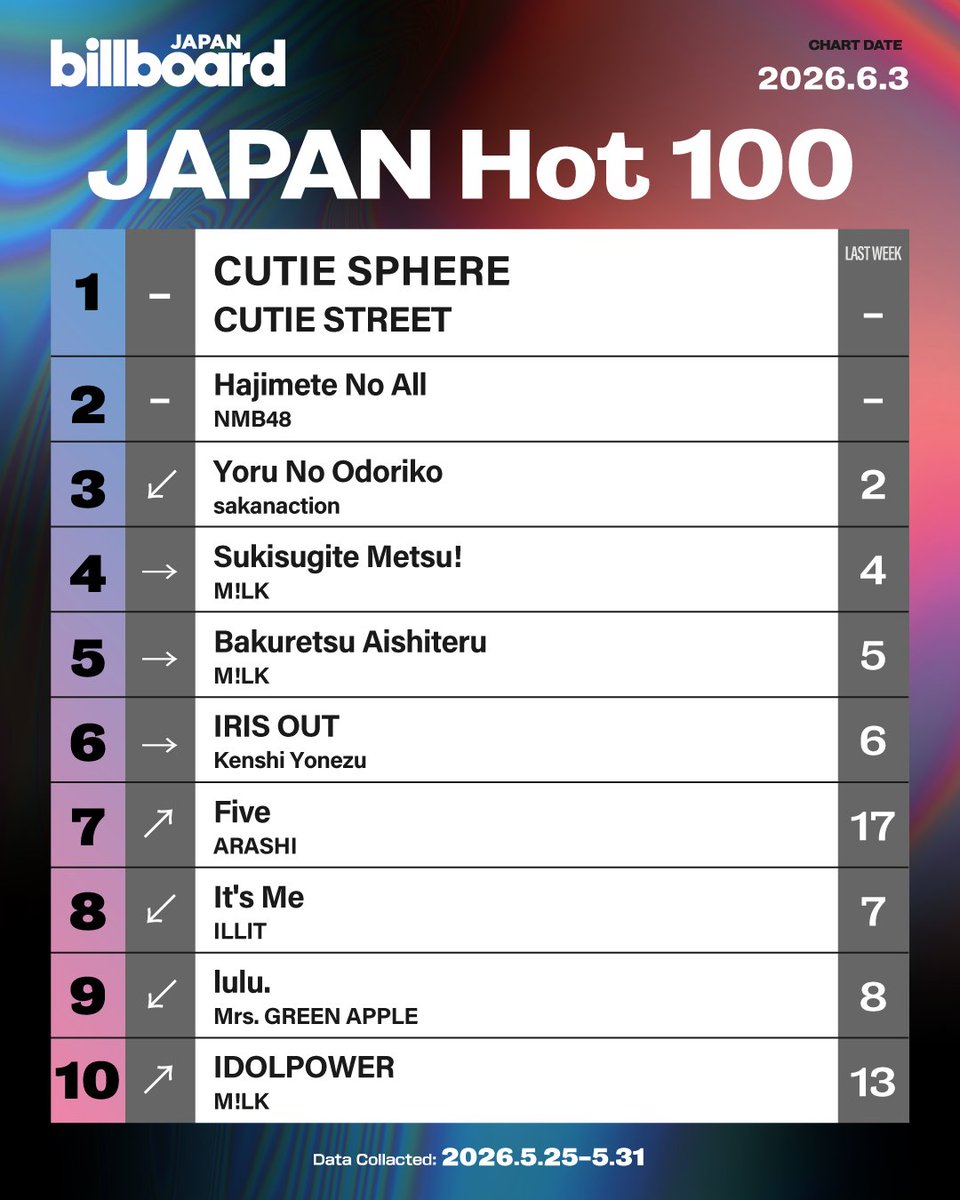
- Chart Performance Analysis
The Japanese music scene is experiencing a remarkable moment as multiple generations of artists showcase their staying power and fresh appeal on this week’s Japan Hot 100. JI BLUE has secured the coveted number one position with their latest release “Keshiki,” while legendary group Arashi has accomplished something truly extraordinary by placing a record-breaking 24 songs simultaneously on the chart. This unprecedented achievement demonstrates the enduring power of established acts while highlighting the dynamic nature of Japan’s contemporary music market. The convergence of veteran performers and emerging talent creates a fascinating snapshot of where J-pop stands today, reflecting both nostalgia and innovation in equal measure.
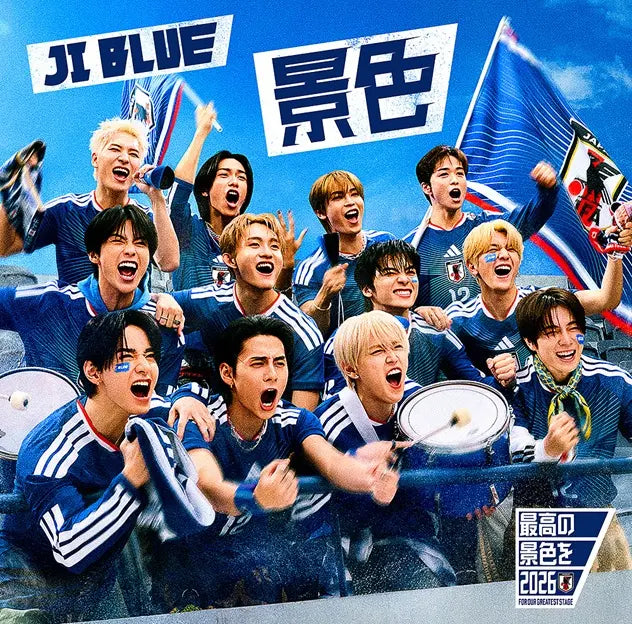
JI BLUE Claims Victory with “Keshiki”
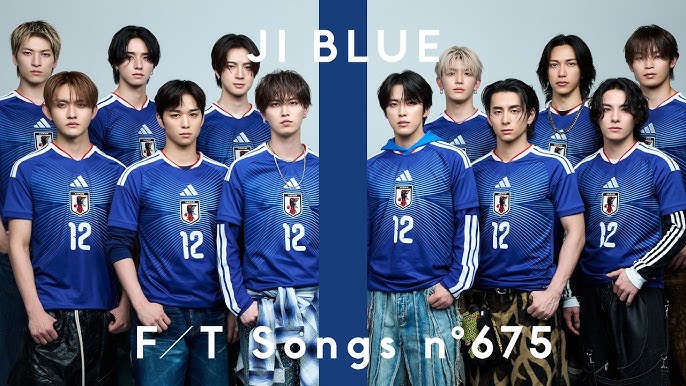
JI BLUE’s ascension to the top of the Japan Hot 100 with “Keshiki” represents a significant milestone for the artist and showcases the evolving tastes of Japanese music consumers. The track’s success can be attributed to its compelling blend of contemporary production techniques with emotionally resonant lyrics that have clearly struck a chord with listeners across different demographics. “Keshiki,” which translates to “scenery” or “landscape” in English, appears to have painted a vivid musical picture that resonates deeply with fans, driving both streaming numbers and physical sales that propelled it to the summit. The song’s achievement also highlights how newer artists can break through in Japan’s competitive music market when they deliver authentic, well-crafted material that connects with audiences on multiple levels.
The success of “Keshiki” also reflects broader trends in Japanese popular music, where artists are increasingly blending traditional J-pop sensibilities with global influences and modern production styles. JI BLUE’s approach to this balance seems to have found the sweet spot that appeals to both domestic audiences and the growing international fanbase for Japanese music. This chart-topping performance positions JI BLUE as an artist to watch closely, as breaking through to number one in Japan’s highly competitive market often serves as a launching pad for sustained commercial success and artistic recognition.
Arashi’s Historic Chart Domination
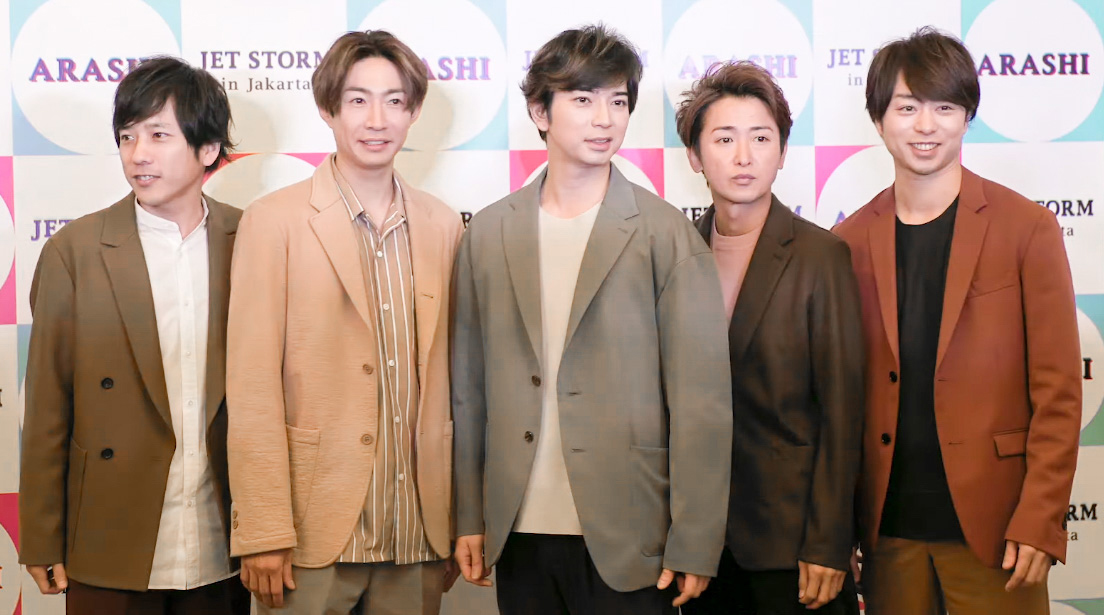
Arashi’s unprecedented achievement of charting 24 songs simultaneously on the Japan Hot 100 represents one of the most remarkable feats in the history of Japanese popular music charts. This extraordinary accomplishment underscores the group’s incredible catalog depth and the unwavering loyalty of their fanbase, even as the group has officially been on hiatus since December 2020. The simultaneous chart presence of so many tracks suggests either a major catalog re-release, anniversary celebration, or special project that has reignited fan enthusiasm and introduced their music to new listeners. Such massive chart representation demonstrates how legendary acts can maintain their relevance and commercial viability years or even decades after their initial breakthrough.
This chart domination also speaks to Arashi’s lasting impact on Japanese entertainment culture, extending far beyond their musical contributions to include their influence on television, film, and broader pop culture phenomena. The group, which debuted in 1999 under Johnny & Associates, built their reputation through a combination of catchy pop songs, charismatic performances, and multimedia presence that included variety shows, dramas, and commercials. Their ability to occupy nearly a quarter of the Hot 100 chart positions simultaneously reveals the enduring power of their brand and the deep emotional connection they’ve maintained with multiple generations of fans throughout their career.
Lienel’s Impressive Debut Performance
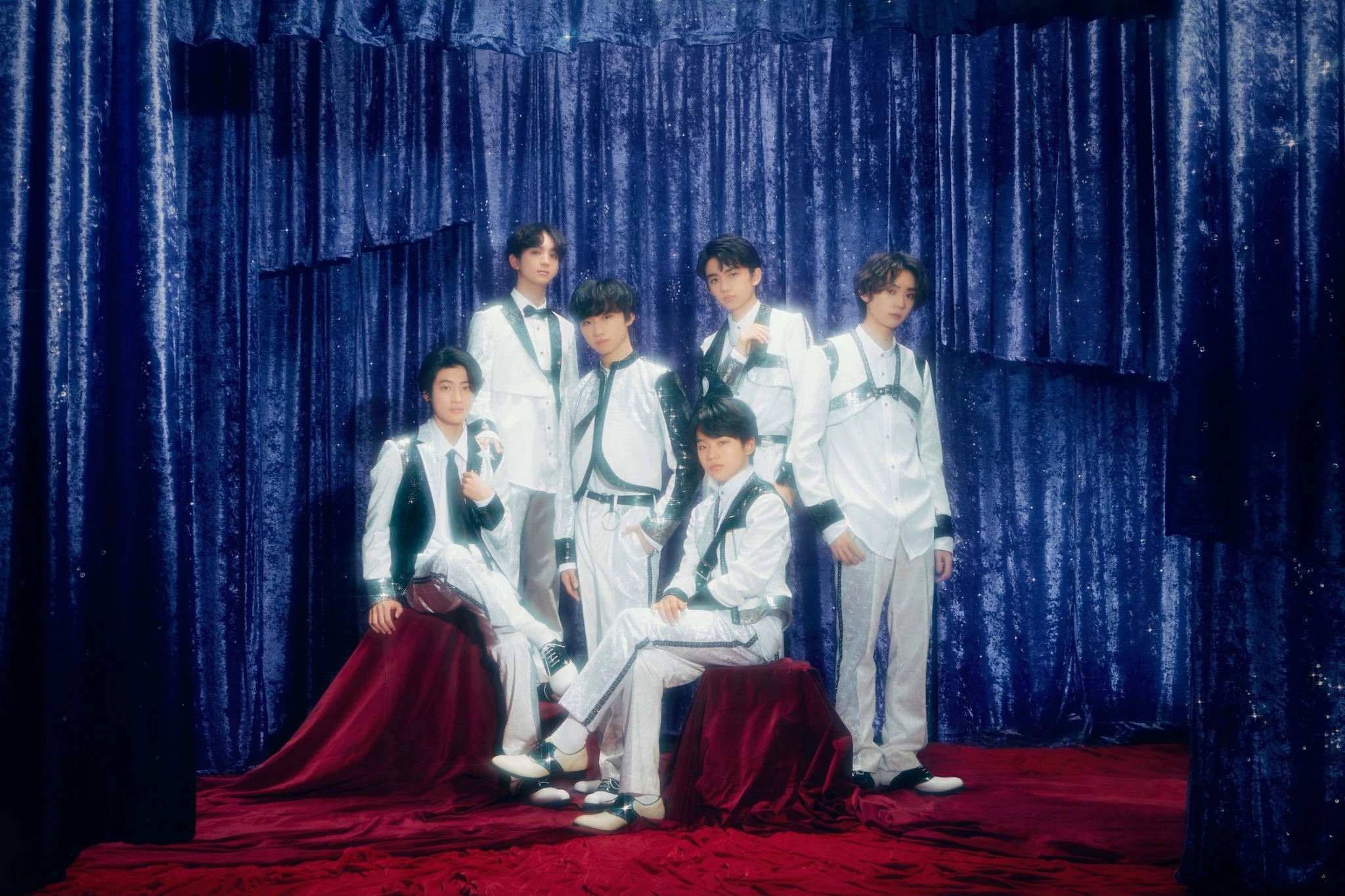
Making their mark at number three on the chart, Lienel’s “Melo Collection” represents a strong debut showing for the six-member group affiliated with EBiDAN, who achieved their major-label breakthrough on June 3rd. This impressive chart position for a debut single indicates that the group has successfully leveraged their EBiDAN connection while establishing their own distinct identity in the crowded J-pop landscape. EBiDAN, known for developing young male entertainers across various media platforms, has clearly provided Lienel with the foundation and industry connections necessary to make an immediate impact upon their major-label debut. The success of “Melo Collection” suggests that audiences are responding positively to whatever unique elements Lienel brings to the table, whether through their musical style, performance approach, or individual member personalities.