
Table of Contents
- A Farewell to a Television Giant
- The Making of a Legend: Cheers and Early Career
- Redefining Prime Time: Will & Grace and Beyond
- The Numbers That Tell the Story
- What James Burrows Meant to Television
- Hollywood Remembers Jimmy Burrows
A Farewell to a Television Giant
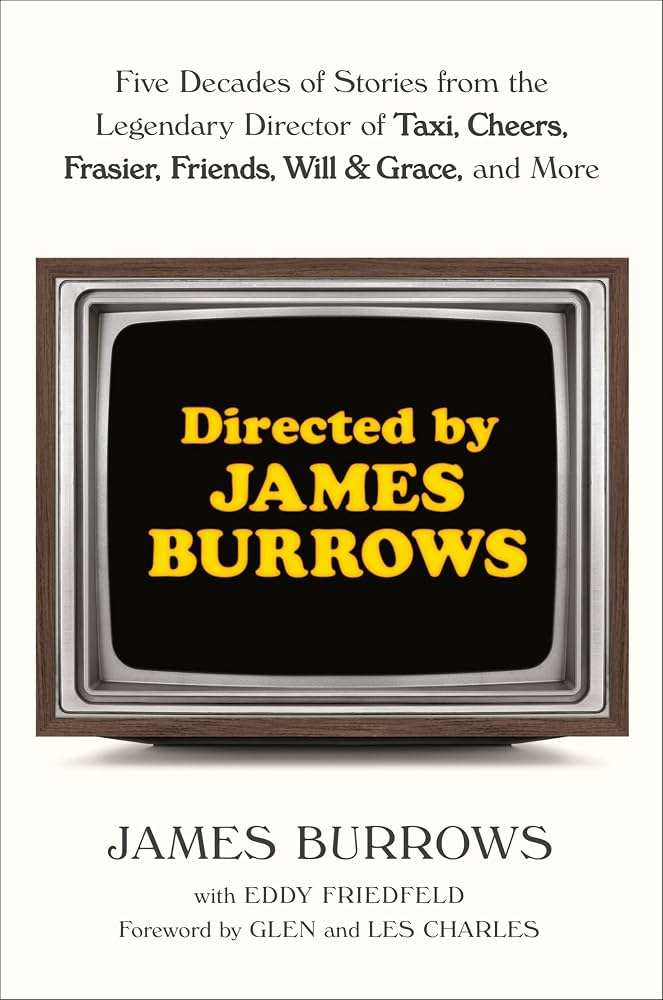
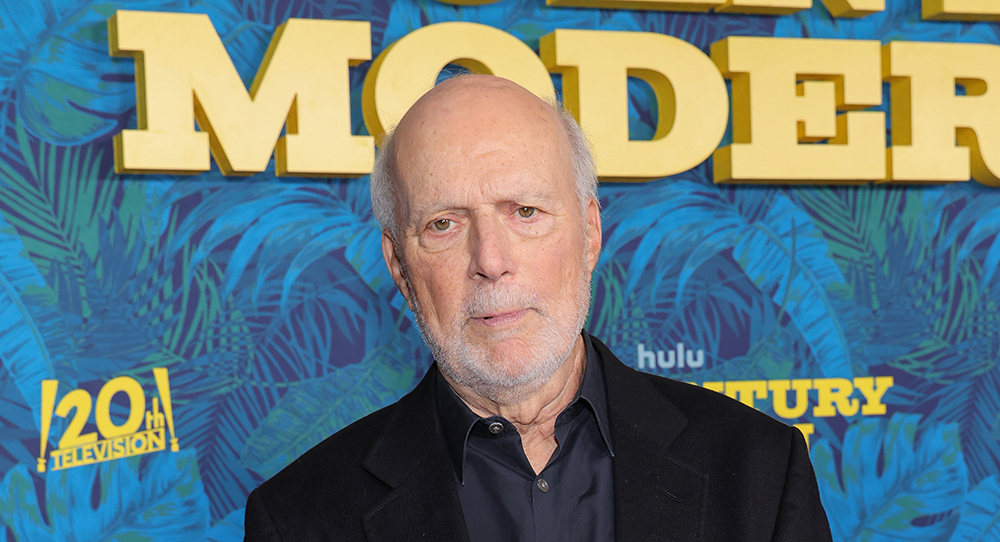
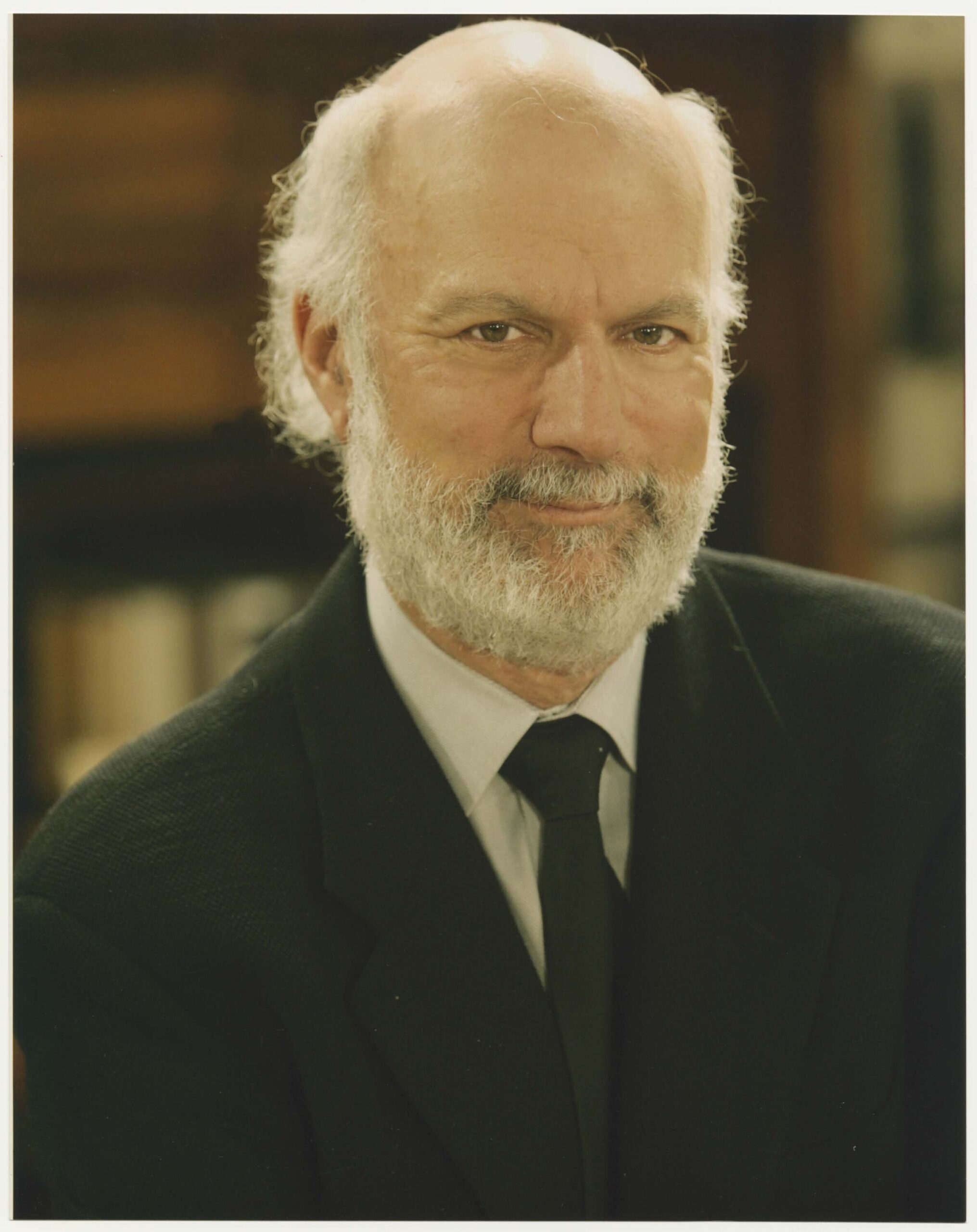
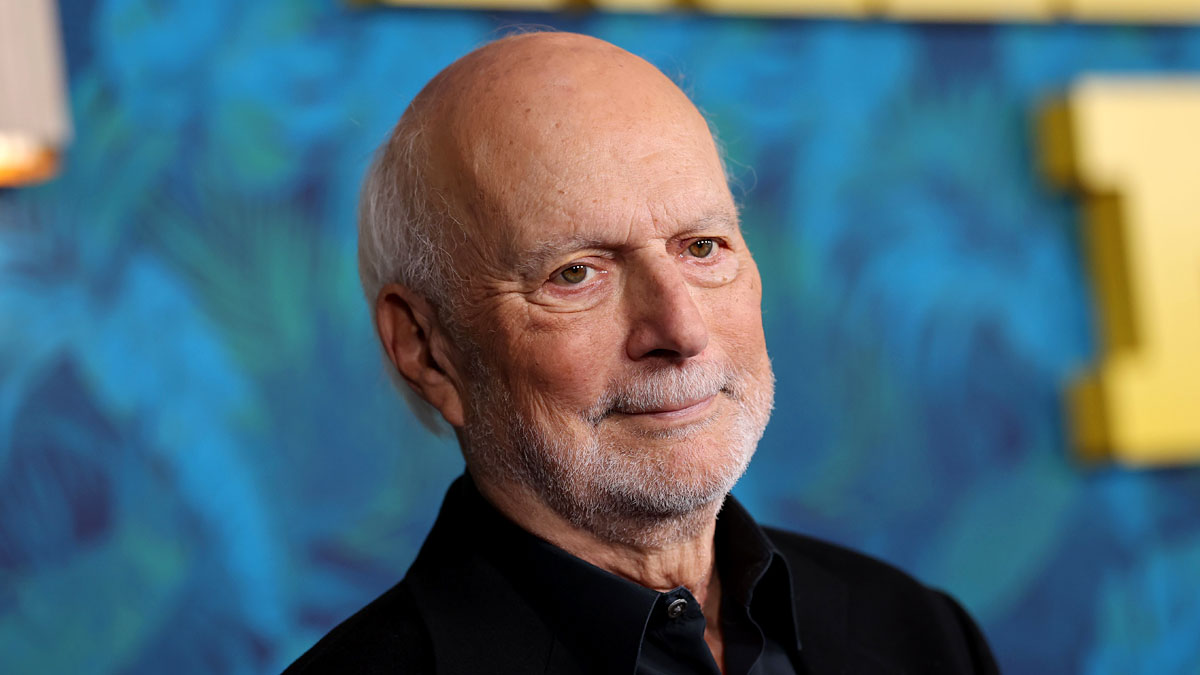
The world of American television lost one of its most foundational figures on Saturday, as James “Jimmy” Burrows - the visionary director and producer whose fingerprints are on some of the most beloved sitcoms ever made - passed away peacefully at the age of 85, surrounded by his family. His passing was confirmed through a statement that read, “We celebrate the extraordinary life and enduring legacy of James ‘Jimmy’ Burrows, who passed away peacefully today surrounded by his loving family.” It is the kind of send-off that only a man who dedicated his entire life to making people laugh could deserve - warm, dignified, and full of love. The entertainment industry, fans of classic television, and generations of comedy writers and directors are now reckoning with what it means to live in a world without him.
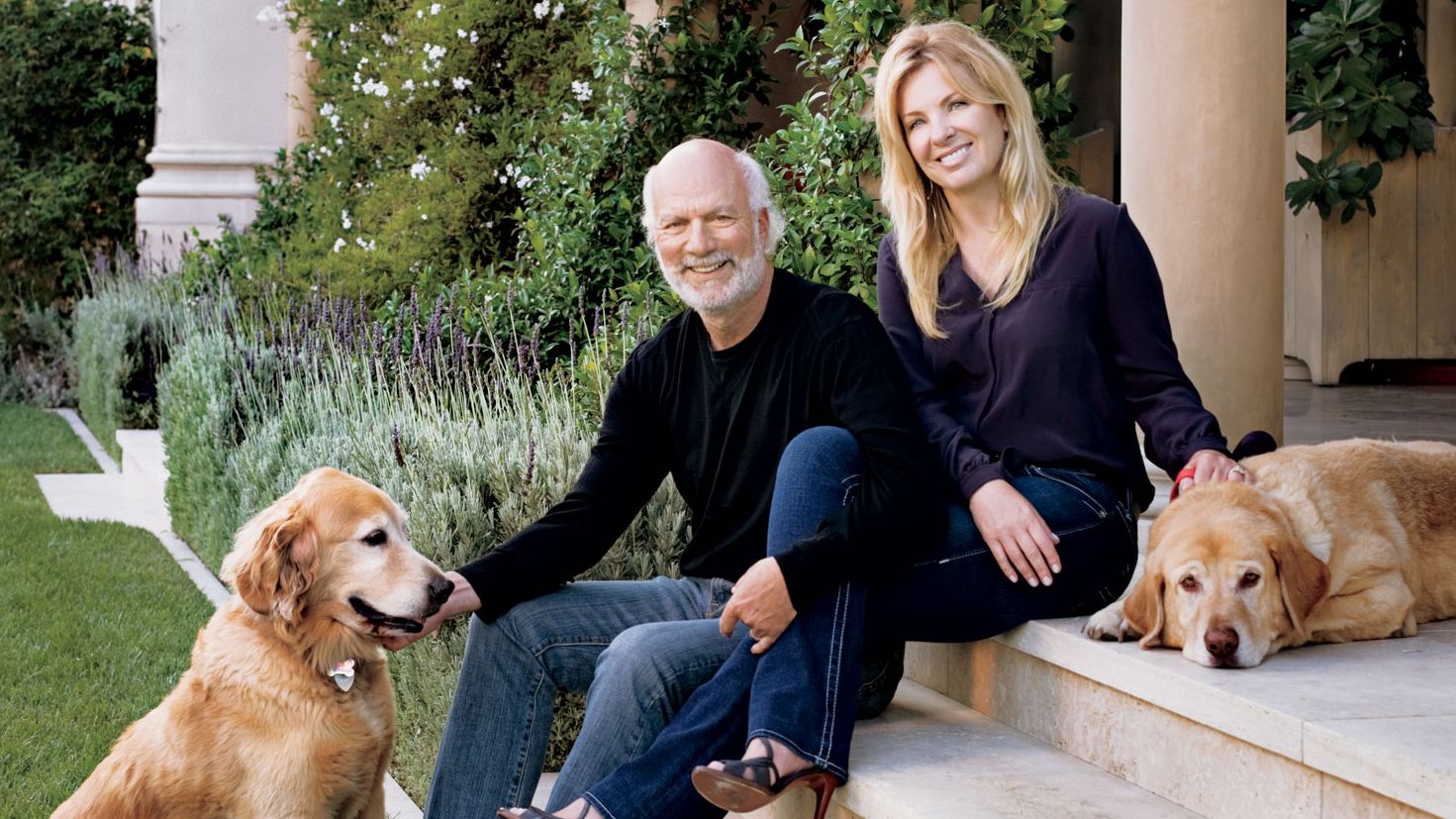
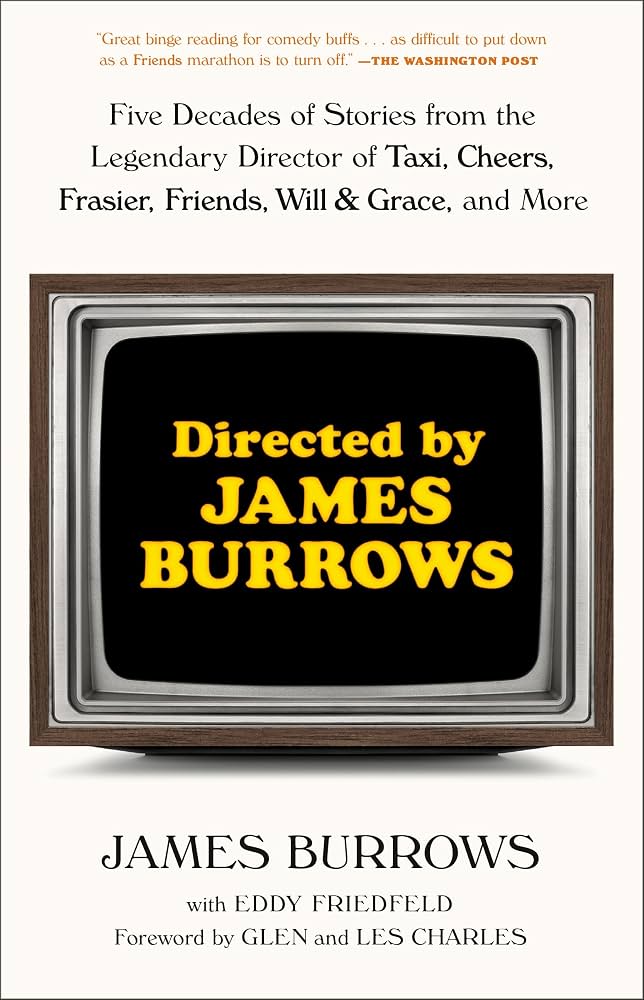
To the casual viewer, the name James Burrows might not carry the same immediate recognition as the stars he directed, but within the industry, he was nothing short of a mythological figure. He was the kind of professional whose absence from a production was noticed instantly - a director whose ability to coax timing, chemistry, and genuine warmth out of actors became the stuff of Hollywood legend. Over a career spanning more than five decades, Burrows accumulated an astonishing body of work that reshaped what the American sitcom could be. He did not just direct television shows; he built entire worlds, episode by episode, and invited millions of people to live in them every week.
The Making of a Legend: Cheers and Early Career
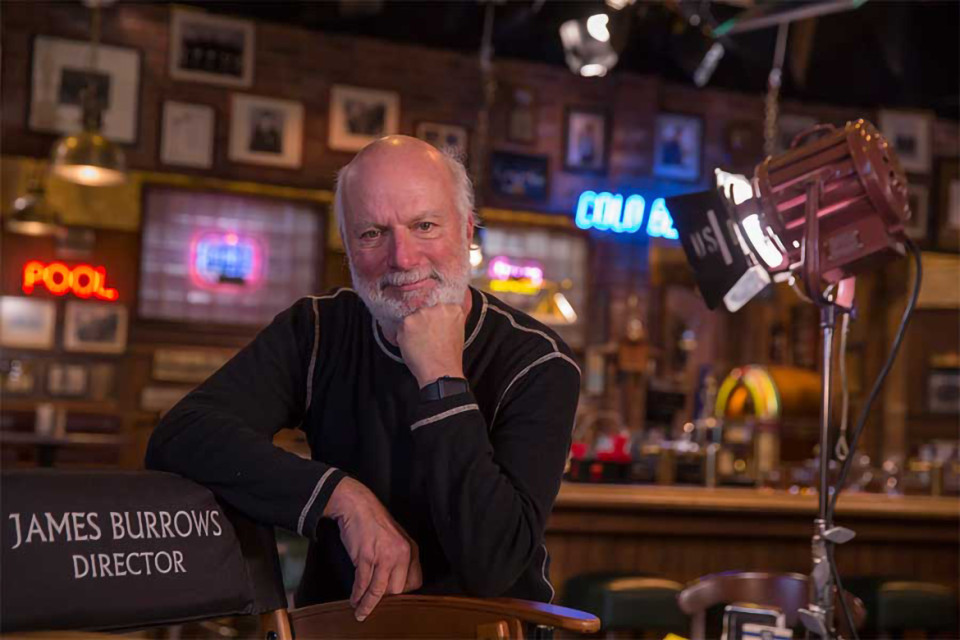
Burrows was born on December 30, 1940, in Los Angeles, California, the son of Abe Burrows - a celebrated Broadway lyricist, playwright, and humorist - which means storytelling was practically encoded in his DNA from birth. He studied at Oberlin College before earning a degree from the Yale School of Drama, and after spending time in the theatre world, he transitioned into television directing during the 1970s, working on shows like The Mary Tyler Moore Show and Phyllis. It was there that he honed the instincts that would define his career: an extraordinary sensitivity to comedic rhythm, a gift for staging multi-camera scenes, and a rare ability to make ensemble casts feel like genuine families rather than a collection of hired performers.
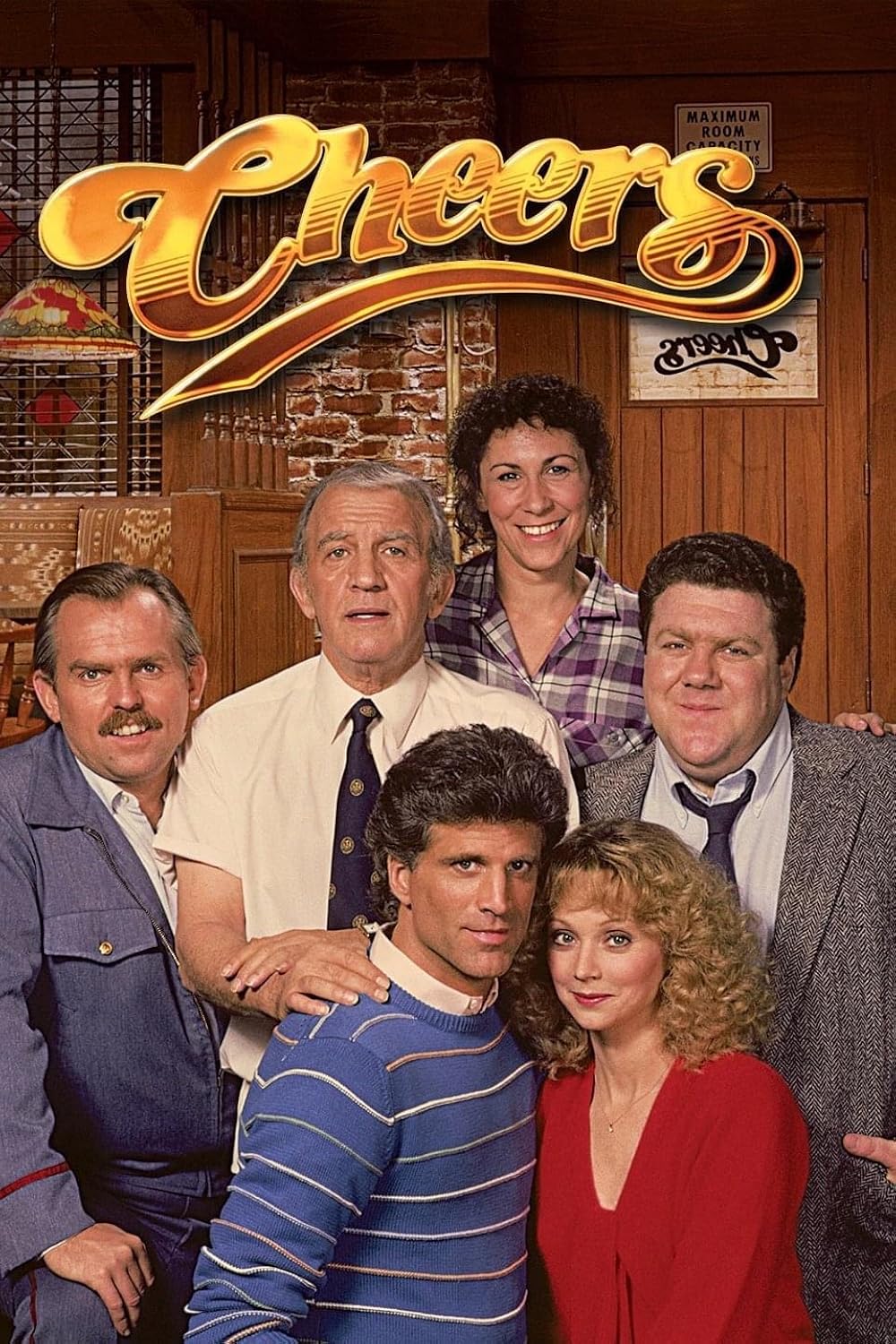
The turning point came in 1982 when Burrows co-created Cheers alongside Glen Charles and Les Charles for NBC - a decision that would permanently alter the landscape of American comedy. Set in a Boston bar where, as the iconic theme song goes, “everybody knows your name,” Cheers became one of the most critically acclaimed and commercially successful television series in history. It ran for eleven seasons, earned 111 Emmy nominations, and won the Outstanding Comedy Series award four times. But beyond the awards, it became a cultural touchstone - a show that understood loneliness, community, and the deeply human need to belong somewhere. Burrows directed an enormous number of its episodes and served as a guiding creative force throughout its entire run, setting a standard that the industry spent the next three decades trying to replicate.
Redefining Prime Time: Will & Grace and Beyond
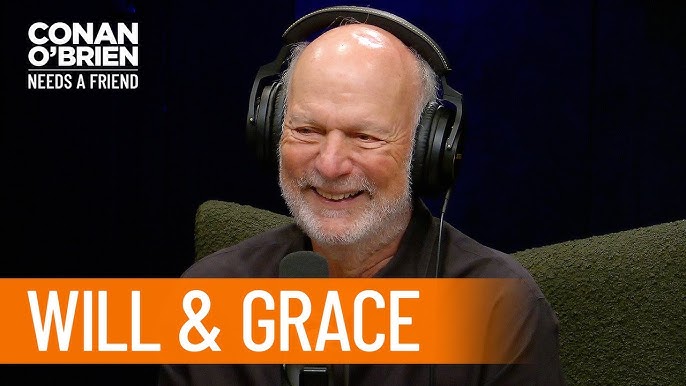
Will & Grace, which premiered on NBC in 1998, represented a different kind of landmark for Burrows - and for television as a whole. The show, which followed a gay lawyer and his best friend navigating life and love in New York City, was groundbreaking in its positive, funny, and deeply human portrayal of LGBTQ+ characters at a time when such representation on mainstream prime-time television was still vanishingly rare. Burrows was the series’ primary director throughout its original run from 1998 to 2006, and then again during its revival from 2017 to 2020, bringing the same sharp instincts and deep affection for character that had defined his best work on Cheers. Former Vice President Joe Biden, during his time in office, once credited Will & Grace with doing more to educate the American public about LGBTQ+ issues than almost anything else - a remarkable testament to the cultural weight Burrows helped carry.
But Cheers and Will & Grace are just the headline acts in a filmography so dense it almost defies comprehension. Burrows also directed episodes of Taxi, Night Court, Friends, Frasier, NewsRadio, Mike & Molly, The Big Bang Theory, Two and a Half Men, and Brooklyn Nine-Nine, among many others. What is extraordinary is not just the volume of work but the consistent quality - show after show, decade after decade, Burrows delivered comedy with a precision and a humanity that never felt mechanical or formulaic. He was the rare craftsman who got better with time rather than coasting on reputation, and younger writers and directors who worked with him consistently describe him as one of the most generous mentors in the business.