

Table of Contents
- Rising Star in the Spotlight
- Creative Production Techniques Revealed
- The Kelly Clarkson Connection
- The Pitt’s Growing Phenomenon
- Future Implications for Television
Rising Star in the Spotlight
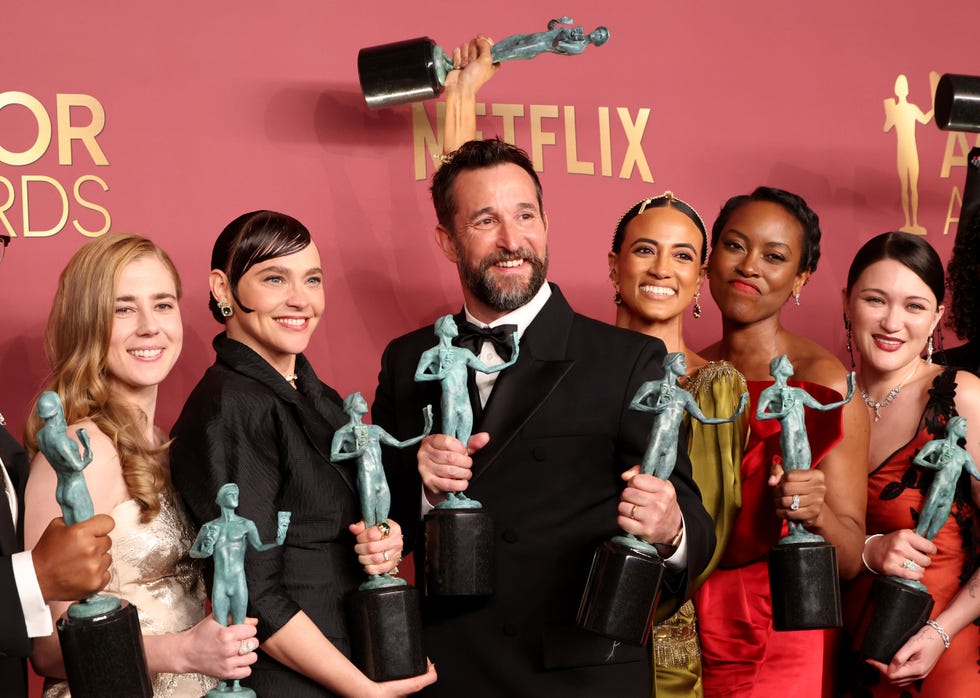
When Isa Briones stepped onto the set of The Kelly Clarkson Show, she brought with her not just the excitement of promoting her latest project, but also a fascinating behind-the-scenes story that would captivate both the studio audience and viewers at home. The talented actress, who has been making waves in the entertainment industry with her compelling performances, found herself in the unique position of explaining how the worlds of daytime television and medical drama unexpectedly collided. Her appearance on the talk show became more than just a typical promotional stop - it transformed into an educational moment about the innovative techniques being employed in modern television production. The conversation revealed the intricate ways that contemporary shows are finding creative solutions to production challenges, while also highlighting the collaborative spirit that exists within the entertainment industry.

Creative Production Techniques Revealed
During her candid conversation with Kelly Clarkson, Briones pulled back the curtain on one of the most interesting production methods being utilized on The Pitt, the gripping hospital drama that has been garnering significant attention from both critics and audiences. The actress explained how the production team discovered an innovative way to incorporate real-world elements into their fictional medical setting, creating a more authentic and immersive viewing experience. This technique represents a growing trend in television production where creators are constantly seeking new ways to blur the lines between reality and fiction, making their stories more relatable and engaging for modern audiences. The method that Briones described showcases the ingenuity of contemporary television makers who are willing to think outside traditional production parameters to achieve their artistic vision.
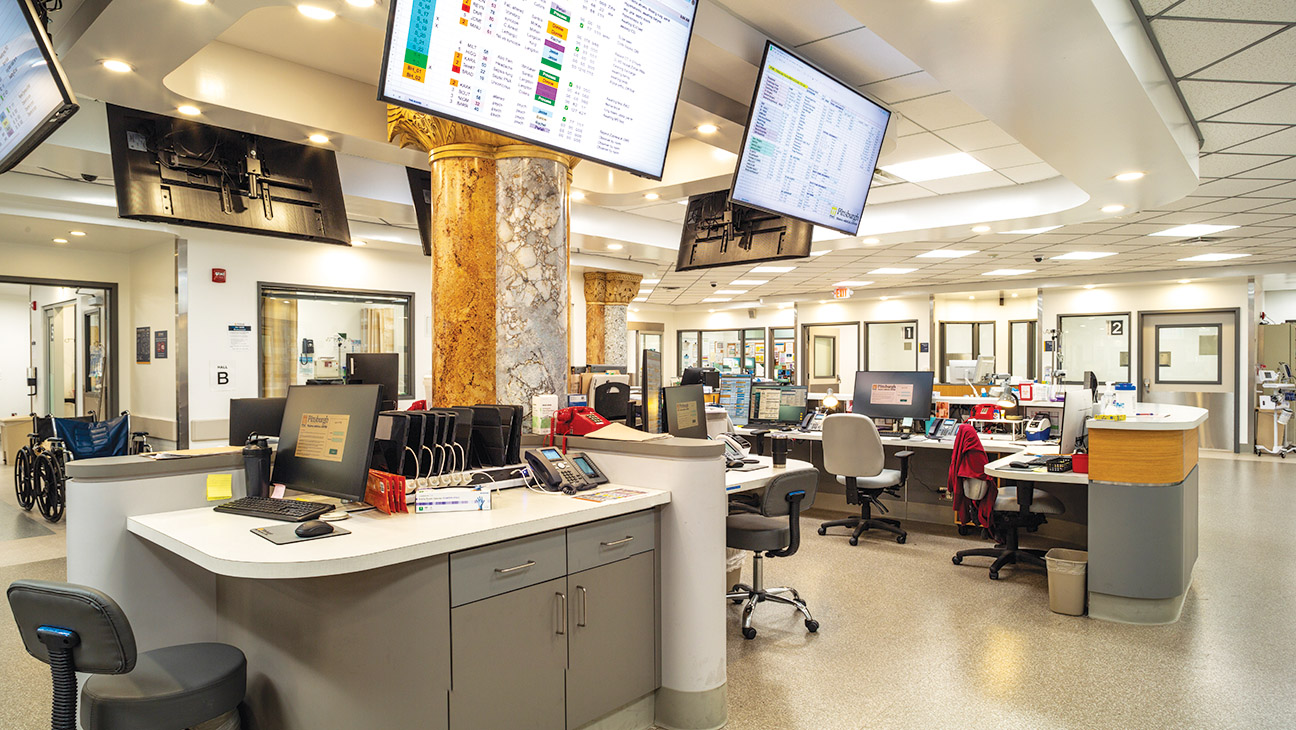
The specific trick that Briones revealed involves the strategic use of existing media content to enhance the show’s realistic portrayal of a busy hospital environment. Rather than creating entirely fictional news segments or talk show clips that might appear on television screens within the hospital setting, the production team found a way to seamlessly integrate actual programming that patients and staff might realistically encounter. This attention to detail demonstrates the commitment that The Pitt’s creators have toward authenticity, ensuring that even the smallest background elements contribute to the overall believability of their medical world.
The Kelly Clarkson Connection
The revelation of how Kelly Clarkson became inadvertently part of The Pitt created a delightful moment of meta-television during the interview, as the talk show host learned about her unexpected contribution to the medical drama. Clarkson’s reaction to discovering her show’s integration into the hospital series provided genuine entertainment value, showcasing her characteristic humor and graciousness when faced with this surprising news. The moment highlighted the interconnected nature of modern television production, where content from one show can organically become part of another’s storytelling fabric. This type of cross-pollination between different television properties reflects the collaborative ecosystem that exists within the entertainment industry, where creative teams are constantly finding new ways to support each other’s artistic endeavors.
The integration of Clarkson’s programming into The Pitt serves multiple purposes beyond mere background authenticity. It creates a sense of familiarity for viewers who might recognize the content, while also providing a subtle nod to the shared universe of television programming that exists in our daily lives. This technique helps ground the medical drama in a recognizable reality, making the fictional hospital feel more like a place that could exist in the real world where patients and staff would indeed be watching actual daytime television programming during their downtime.