“One Dance” did not arrive as an experiment. By the time Drake’s track with Wizkid and Kyla landed in 2016, the foundations of an Afrobeats crossover had been quietly laid in London nightclubs, Lagos studios, and Toronto DJ sets for the better part of a decade. The song hit number one in fifteen countries, sat at the top of the Billboard Hot 100 for ten weeks, and became, for a brief stretch, the most streamed song in Spotify’s history. The Afrobeats sound was no longer regional. It was global infrastructure.
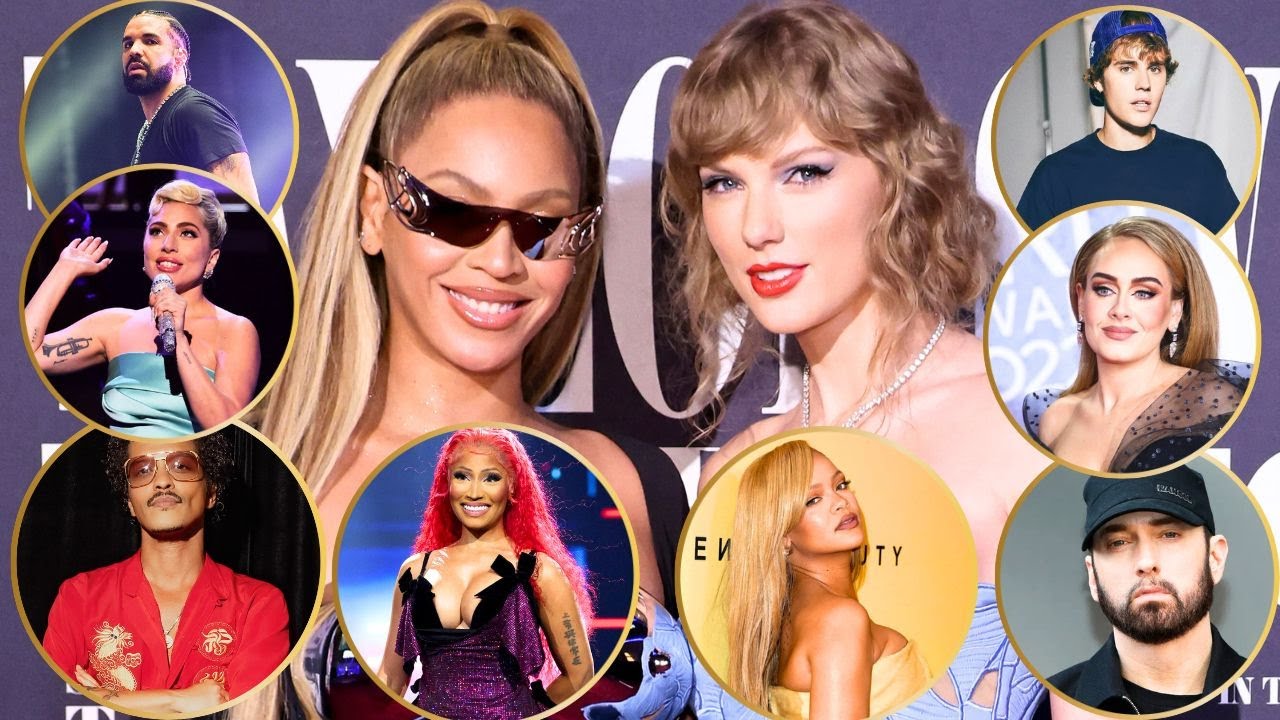
What followed was not a trickle of curiosity. It was a stampede. Within five years, nearly every major Western pop star had either released an Afrobeats collaboration or hired a producer who could deliver the sound. Beyonce filled an entire album with Nigerian, South African, and Ghanaian collaborators. Justin Bieber jumped on the Wizkid and Tems “Essence” remix and turned a slow-burn song into the highest-charting Afrobeats single in American chart history. Shakira and Burna Boy released “Dai Dai” together. Selena Gomez landed on the “Calm Down” remix. The pattern stopped being a pattern and became a strategy.
The structural pull toward Lagos
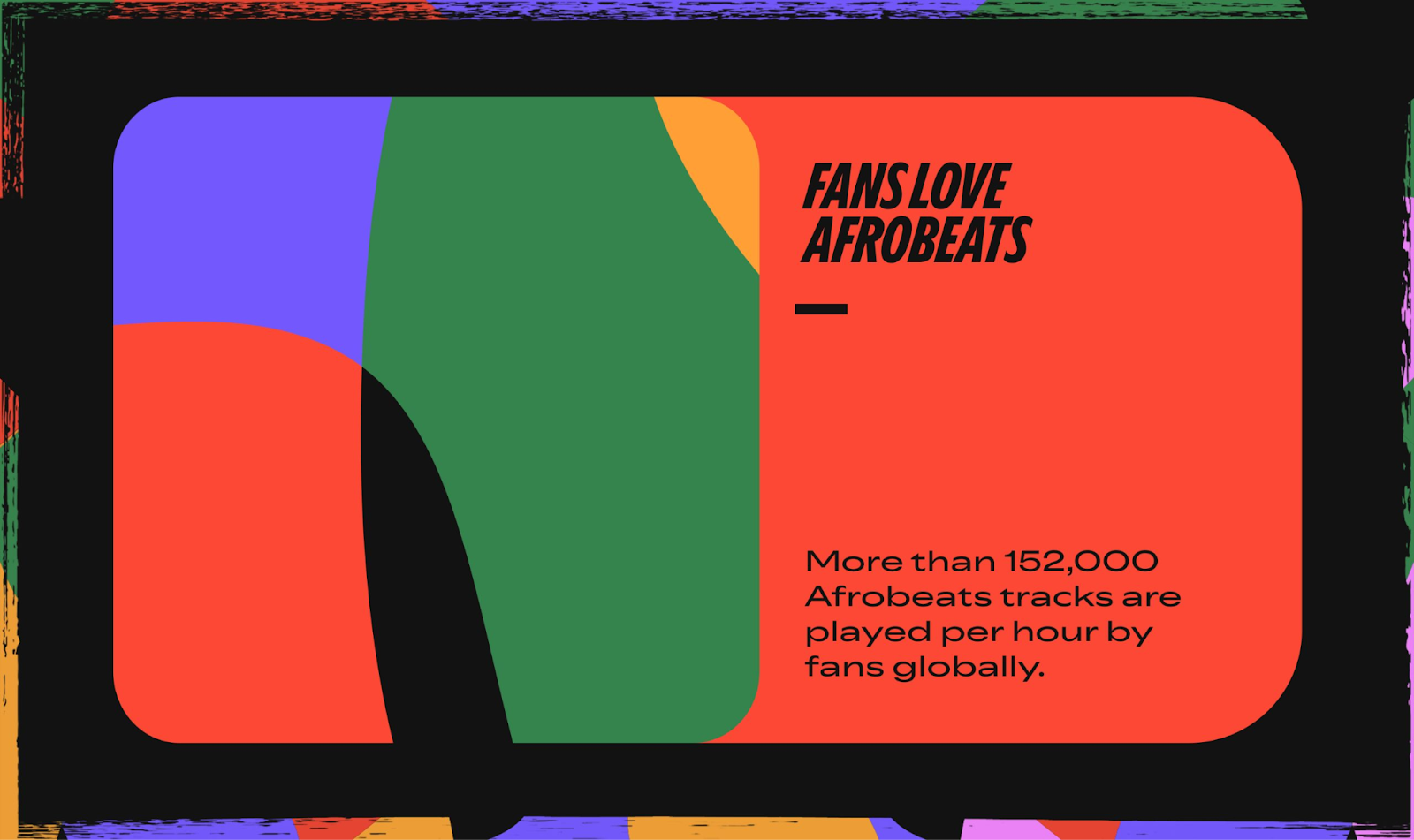
There are commercial reasons every major Western label now keeps an Afrobeats line item on its A&R budget. Spotify, Apple Music, and YouTube have made African listening data legible for the first time. The numbers describe a population of music consumers larger than most European markets combined, growing faster than any other region, and concentrated in countries with median ages well under 25.
Nigeria alone has more than 220 million people, with rapidly expanding internet penetration and a streaming economy that doubled in size between 2020 and 2023. South Africa, Ghana, Kenya, and Ivory Coast follow. The continent’s combined music streaming revenue, while still modest by global standards, is the fastest-growing market segment in the IFPI’s annual report. A Western pop star who lands an Afrobeats collaboration gains immediate access to that audience, often through a single playlist placement.
The infrastructure that delivers that access is partly Lagos and partly London. The two cities now function as an axis. Nigerian artists working in London studios, British-Nigerian producers like P2J, and labels like Atlantic UK and Sony Music UK have built a pipeline that moves songs from Surulere to the BBC Radio 1 playlist in days rather than months. The Western pop star sits on top of that infrastructure when she shows up for a collaboration. She is not pioneering anything. She is plugging into a system that was built by other people.
The Drake catalyst
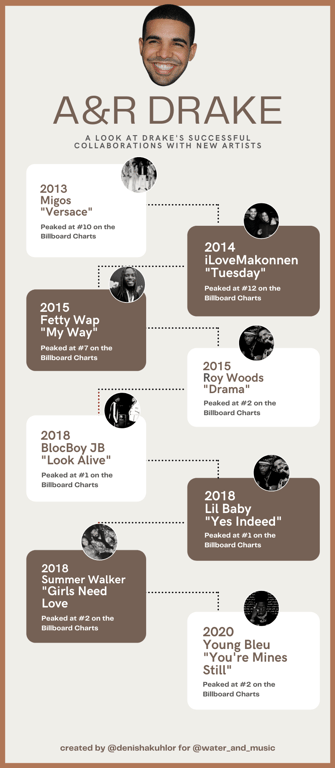
Drake’s relationship with Wizkid set the template. “One Dance” in 2016 was followed by “Come Closer” in 2017, then by years of stylistic borrowing across Drake’s catalog. The Toronto rapper has been open about his admiration for Wizkid’s vocal phrasing, and his subsequent albums have drawn on Afroswing and Afrobeats production cues even on tracks without Nigerian features.
What Drake demonstrated was that the collaboration could be commercially massive without requiring the Western artist to relocate or rebrand. He kept his own voice. Wizkid kept his. The fusion was structural rather than cosmetic. The success of that template invited the rest of the industry to attempt it.
Beyonce’s 2019 “Lion King: The Gift” album extended the model. The project featured Wizkid, Tiwa Savage, Burna Boy, Yemi Alade, Mr Eazi, Tekno, and a range of South African and Ghanaian artists. The accompanying visual album, “Black Is King,” gave the collaborations a coherent aesthetic frame. The release coincided with the live-action Lion King film and used the soundtrack mechanism to introduce Afrobeats to a mainstream American audience that might otherwise have stayed inside the algorithmic comfort zone of hip-hop and R&B.
“Brown Skin Girl,” the track from “The Gift” featuring Wizkid and Beyonce’s daughter Blue Ivy, won a Grammy in 2021 for Best Music Video. It was the first Grammy win for a Wizkid contribution and a turning point in the institutional reception of the genre.
The Bieber pivot and the streaming explosion
Wizkid and Tems released “Essence” in 2020 as an album track on “Made in Lagos.” The song built slowly through TikTok and West African radio. By mid-2021, it had become a sleeper international hit. Justin Bieber’s remix, released in August 2021, pushed it onto the Billboard Hot 100, where it peaked at number nine. It became the first Nigerian song to chart in the top ten of the Hot 100.
The Bieber feature was structurally important. It did not lead. It supported. He sang the second verse and stayed out of the chorus. The remix preserved the song’s identity rather than overwriting it. Audiences read this, correctly, as respect. The collaboration was framed not as charity but as commerce: a Canadian pop star recognizing that an existing hit could go higher with his name on it.
Rema’s “Calm Down” followed a similar pattern in 2022 and 2023. The original was already a global hit before Selena Gomez joined the remix. Her contribution did not redirect the song. It expanded the audience that would find it. The remix has crossed three billion streams on Spotify and remains, as of 2026, one of the most streamed African-credited songs in history.
The commercial pattern became impossible to ignore. Western label heads who had previously treated Afrobeats as a niche genre began to require Afrobeats features on flagship pop albums. Production credits for Nigerian, Ghanaian, and South African producers began appearing on releases by artists who had never visited the continent.
The Burna Boy and Shakira moment
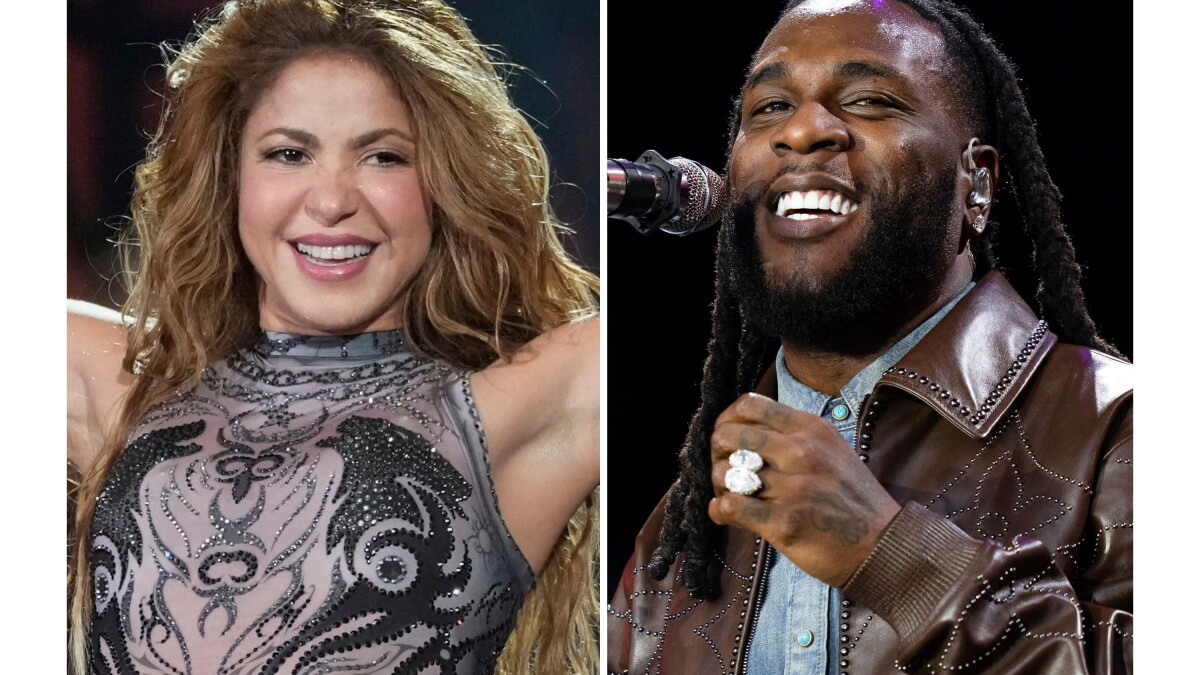
Shakira’s collaboration with Burna Boy on “Dai Dai” sat inside a different logic again. Shakira has spent her career navigating the Spanish-language and English-language pop markets with equal fluency. Her catalog already includes Arabic instrumentation, Colombian cumbia, and reggaeton features. The Afrobeats addition was less a stylistic departure than the next step in a long pattern of genre crossings.
For Burna Boy, the collaboration extended his reach into Latin American markets where Shakira’s audience is foundational. The strategic logic mirrored the Beyonce alliance: a global star using her platform to introduce an Afrobeats voice to listeners who might not have encountered him otherwise, in exchange for the cultural capital that comes from credibility with the African diaspora.
Burna Boy has been particularly explicit about how he chooses these collaborations. In interviews with Apple Music’s Zane Lowe and others, he has framed the question of partnership as a question of mutual benefit. He does not appear on tracks that treat Afrobeats as decoration. The collaborations he agrees to typically place him in a structural role within the song, not as an exotic interlude.
What separates a great collab from a cynical one
The collaborations that have endured share a set of features. The song is structurally built around the Afrobeats element rather than ornamented with it. The African artist has co-writing and production credit, not just a verse. The visual presentation, including the music video and promotional imagery, treats both artists as equals.