How Drake's Obsession With Afrobeats Changed the Sound of Hip-Hop Forever
Afrobeats

How Drake's Obsession With Afrobeats Changed the Sound of Hip-Hop Forever

Jalen RossJalen Ross··10 min read
Ad SpaceArticle Top - 728x90
Advertisement

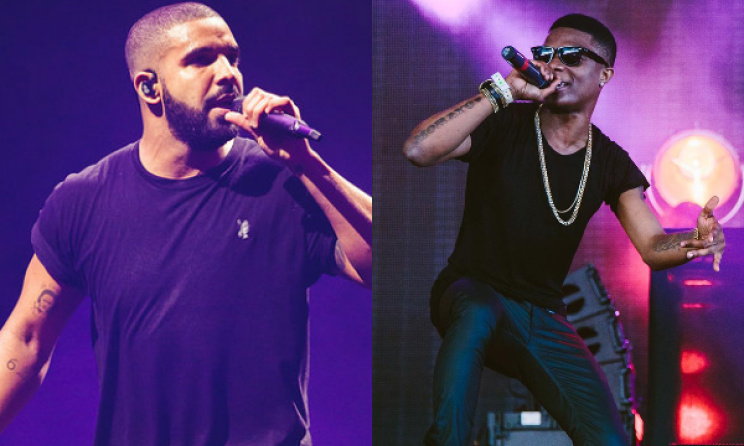
Spring 2016. A song crawls out of nowhere and refuses to leave the top of the charts. The bassline lopes at a tempo that doesn’t quite belong to rap, doesn’t quite belong to dancehall, doesn’t quite belong to anything North American radio had been programmed to recognize. Yet there it sat for ten weeks at number one on the Billboard Hot 100, the longest run of Drake’s career to that point. “One Dance” featured Wizkid and Kyla, and its arrival did something more permanent than topping a chart. It cracked open a door inside hip-hop that has never closed since.

The conversation about how American rap shifted toward melody, toward 100 to 160 BPM rhythms, toward textures borrowed from Lagos and London and Accra, almost always returns to one Toronto rapper. Whether by accident, instinct, or strategy, Drake spent the back half of the 2010s embedding Afrobeats into the bloodstream of mainstream hip-hop. The aftershocks of that choice still ripple through everything from Travis Scott productions to the chord progressions Asake builds his hooks around.

The Toronto Pipeline That Made It Possible
How Drake Obsession With Afrobeats - The Toronto Pipeline That Made It Possible

Drake’s pull toward Afrobeats was not a marketing pivot. It was geography.

Toronto is one of the densest Caribbean and African diaspora hubs in North America. Soca pulses through Scarborough block parties. Naija worship music fills church halls in Etobicoke. The city’s youth culture, particularly in the corridors where OVO Sound was born, has been steeped in Black diaspora sound for decades. Drake’s references to Sade as a foundational influence are not random name-drops. They are the residue of a city where smooth, atmospheric, dance-leaning vocal music has always shared the same playlists as boom-bap and grime.

By the time “Take Care” arrived in 2011, Drake was already weaving dancehall textures, half-sung phrasing, and Caribbean cadences into his palette. The mid-tempo bounce, the air of nocturnal melancholy, the willingness to sing a whole song rather than rap it on records like “Find Your Love,” all of it pointed to a rapper whose ear had been tuned by a city that doesn’t draw clean lines between hip-hop and the rest of the Black musical world.

The Diaspora Producers in the Room
How Drake Obsession With Afrobeats - The Diaspora Producers in the Room

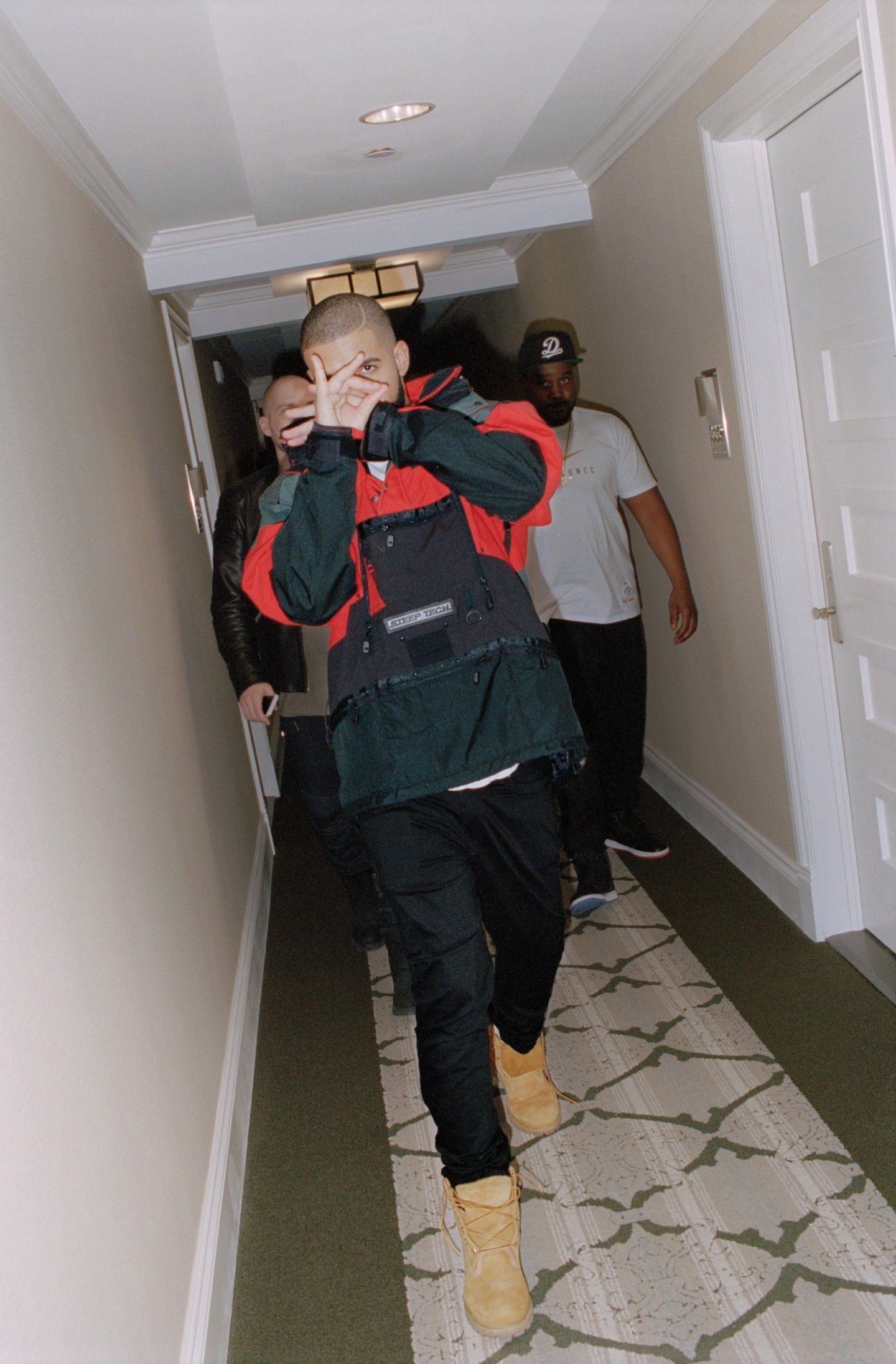
The traffic ran through people rather than press releases. Toronto’s Caribbean and West African communities sit close enough to the city’s studio scene that a rhythm heard at a party in Scarborough could be in a session the following week. On the other side of the Atlantic, the UK afroswing wave that produced acts like NSG and Tion Wayne was doing the same work with London as the hub. Producers swapped sketches between London, Toronto and Lagos, and cadences invented in one city would show up six months later, repurposed, in another.

Drake sat at the geographic center of that triangle. When “One Dance” landed, it was not the work of an outsider borrowing exotic sounds. It was the work of an artist who had been listening, absorbing, and waiting for the right collaborator. That collaborator turned out to be Wizkid, who co-wrote the track and gave the song its center of gravity.

“Views” and the Permission Slip for Everyone Else
How Drake Obsession With Afrobeats -

Released in April 2016, “Views” arrived as a 20-track album that critics initially struggled to parse. Was it a rap project? A dancehall project? A late-night R&B project? The truth was that it refused to be any one of those things, and that refusal was the point.

The record was Drake’s clearest declaration that his future would be built on fusion. “Controlla” leaned hard into dancehall. “Too Good” with Rihanna pushed the same melodic, tempo-shifted territory. “One Dance” sat at the heart of the project as both anchor and announcement. The album moved more than a million equivalent units in its first week in the United States and topped charts in a long list of countries.

What “Views” gave the rest of the rap industry was permission. Permission to slow down, to sing more than rap, to borrow rhythmic foundations from places American hip-hop had historically ignored. Within eighteen months of the album’s release, you could hear traces of that shift in projects from artists who had no obvious connection to Afrobeats or dancehall. The texture had become contagious.

The Wizkid Friendship That Outlasted the Hit
How Drake Obsession With Afrobeats - The Wizkid Friendship That Outlasted the Hit

Wizkid and Drake’s relationship did not end with “One Dance.” The two have remained publicly affectionate collaborators and friends, with Wizkid frequently citing Drake’s early co-signs as turning points for his international career. “Come Closer,” released in 2017 on Wizkid’s “Sounds From The Other Side,” flipped the arrangement of “One Dance”: this time Drake was the guest on a Nigerian artist’s project rather than the other way round. That reversal mattered more than the chart position it earned.

For Wizkid, the partnership opened gates that had been closed to Afrobeats artists for decades. For Drake, it offered something less tangible but equally important. Credibility within the African music ecosystem, a network of producers and writers, and a sound he could keep drawing from as the years rolled on.

“Wait For U” and the Grammy Moment That Sealed It
How Drake Obsession With Afrobeats -

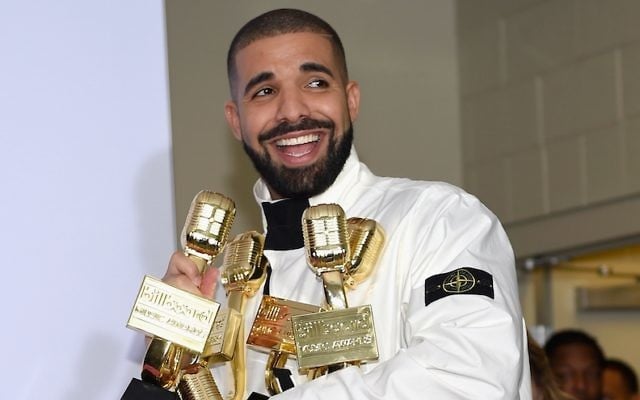
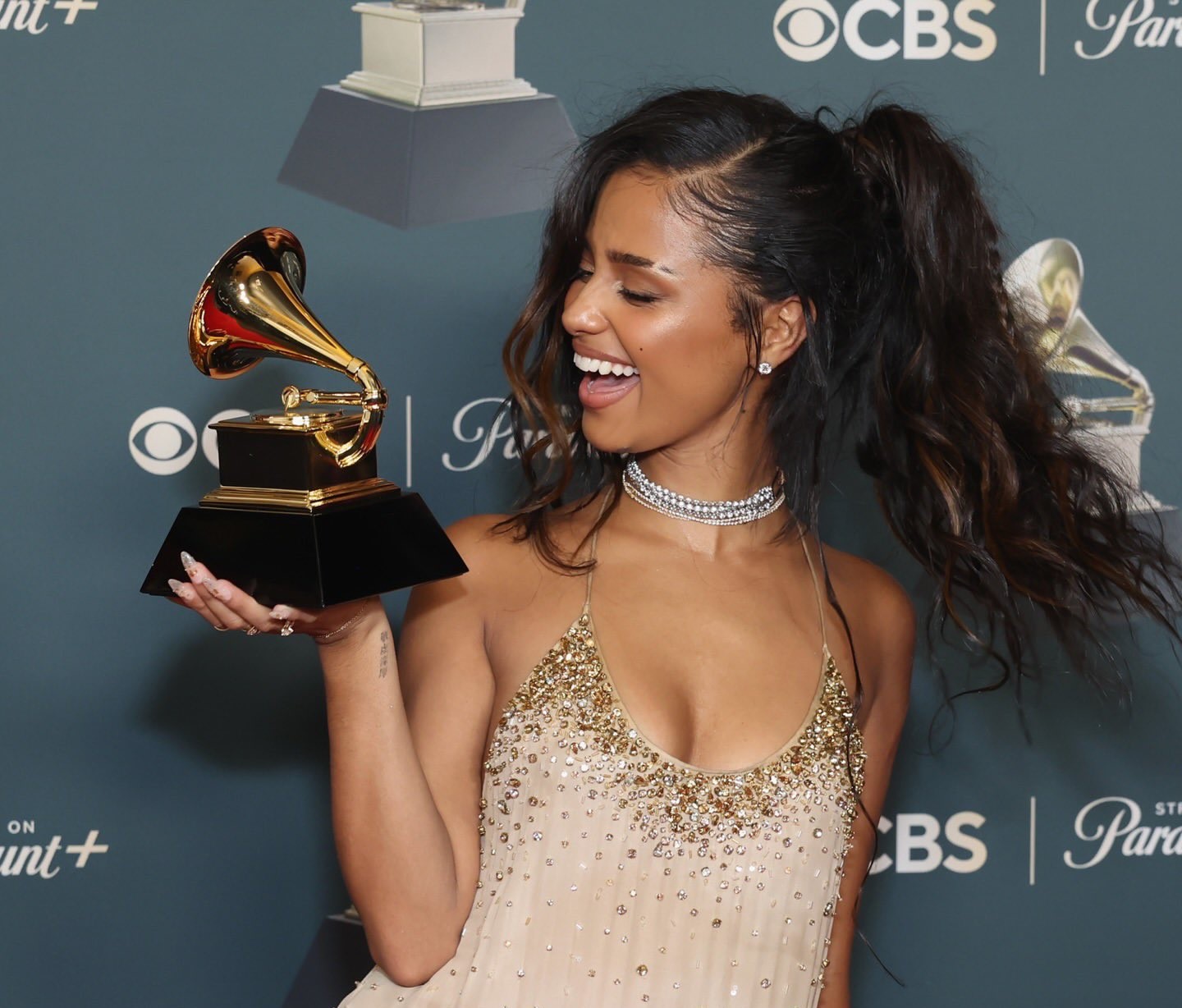
By 2022, the Afrobeats absorption into hip-hop had moved past trend status and into institutional recognition. “Wait For U,” the Future track featuring Drake and Tems, won the Grammy for Best Melodic Rap Performance. The song sampled Tems’ “Higher” and built a full Atlanta-Toronto-Lagos triangle into a single radio hit.

Drake’s verse on the song was not the focal point, but his presence was structurally important. He had spent six years quietly laying the rails for exactly this kind of collaboration to feel natural rather than novel. Tems has spoken publicly about Drake’s role as an early and consistent supporter of her music.

The Grammy win marked something larger than a trophy. It was the first time the Recording Academy had given its top melodic rap honor to a song that openly borrowed its emotional core from an Afrobeats vocalist. The genre boundaries that had once required a song to choose a lane had effectively collapsed.

Drake’s Afrobeats-Tinged Catalog Beyond the Hits
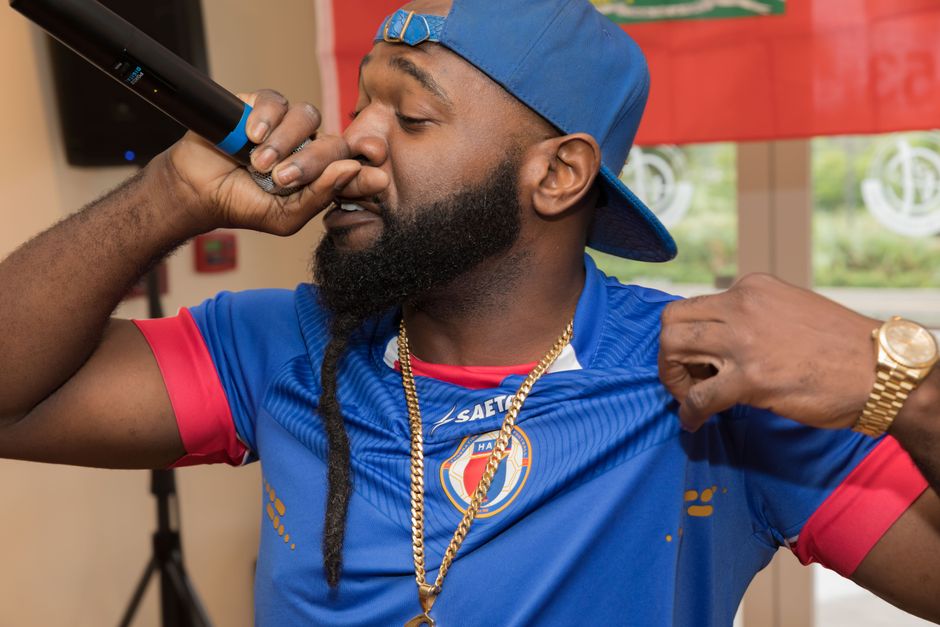
How Drake Obsession With Afrobeats - Drake's Afrobeats-Tinged Catalog Beyond the Hits

Beyond the obvious crossover singles, Drake’s discography is dotted with tracks where Afrobeats DNA appears in subtler forms. “Calling My Name,” from the “Honestly, Nevermind” era, carries the kind of percussive lightness and vocal layering that connects directly back to West African dance music traditions. The album as a whole, often described as a dance project, made more sense when read as the logical end-point of a decade-long absorption rather than a sudden left turn.

The same drift shows up in the guest verses and loose singles of that period. The hi-hat patterns loosened. Melody started carrying weight that had once been reserved for bars. Tempos settled well above the comfortable rap zone of 80 to 95 BPM and stayed there. None of it announced itself as an Afrobeats move, which is exactly why it spread so easily.
Ad SpaceIn-Article - 300x250
Advertisement

The Industry Shift Drake Helped Engineer

By the early 2020s, the average tempo of a Billboard rap hit had crept noticeably upward. Songs sitting between 140 and 160 BPM, once considered too fast for serious rap radio, were charting routinely. The melodic foundation had moved from being an optional flavor to being structural.

Travis Scott’s productions began incorporating textures that overlapped with what Lagos and London had been doing for years. Rappers few would have predicted as fusion experimenters started reaching for the same textures in side projects and guest features. The 21 Savage and UK afroswing crossover that emerged through producers and artists like Tion Wayne pushed similar boundaries from a different angle.

This was not a coincidence. It was the natural follow-on effect of a top-tier rapper spending six years making it commercially safe to operate outside the older lanes.

Asake, Global Pop, and the Return Loop

The relationship between Drake and the next generation of Afrobeats stars has not been purely one-directional. Asake, whose rise reshaped Nigerian street-pop in the early 2020s, came up in a scene where Drake’s records were part of the daily listening rather than a foreign import. The pattern is undeniable in both directions. Lagos artists watch Drake. Drake watches Lagos artists. The information flows both ways now.

The Asake-Travis Scott collaboration that emerged from this same period felt like a downstream effect of the door Drake pried open in 2016. Global pop had reorganized itself around the idea that an American rap superstar and a Nigerian street-pop innovator could share a hook without anyone needing to explain why.

The Davido and Wider Afrobeats Conversations

Drake’s relationship with Davido has been less commercially documented than his Wizkid partnership, but the two have been spotted in each other’s orbits over the years. Davido’s own crossover ambitions in the American market have leaned on the infrastructure that Drake’s success helped build. Every Afrobeats artist negotiating a major-label American distribution deal in the 2020s is operating inside a market that Drake personally helped create.

Producers like Sarz, whose fingerprints are on some of the most important Afrobeats records of the past decade, now sit in the same booking conversations as their American counterparts. Whether any specific Drake session has involved them is not something the public credits settle, but the broader point holds. The producer ecosystem that Drake works within has steadily widened to include the same names driving the sound of Lagos.

From Subgenre to Default Setting

The reframing that Drake helped accelerate has been most visible in how the music industry now talks about hip-hop itself. The phrase “global hip-hop” has gone from being a niche descriptor to a default frame. Streaming platforms structure their playlists around it. Major labels build A&R strategies around it. Festivals book lineups that would have been impossible to assemble in 2015.

A song like “One Dance” would not feel like a curveball if it dropped today. That is the deepest measure of what Drake’s Afrobeats obsession actually accomplished. It moved the goalposts so quietly that by the time anyone thought to argue about it, the conversation was already over.

The Toronto Caribbean Influences Drake Has Always Carried

Returning to the geographic foundation matters because it explains why this artist, more than any of his American peers, was the one who carried Afrobeats into the mainstream rap conversation. Drake grew up surrounded by the kind of cultural traffic that other major rappers simply did not have access to.

The dancehall-tinged moments scattered across the “Take Care” era now look like obvious precursors. The Sade influence that Drake has spoken about across his career provided the atmospheric template. The willingness to sing rather than rap when a song demanded it, the comfort with mid-tempo grooves, the patience to let a hook breathe instead of stuffing it with technical wordplay. All of it added up to a rapper who was structurally prepared to do exactly what he ended up doing in 2016.

What His Peers Could Not Replicate

Plenty of American rappers tried to chase the Afrobeats trend after “One Dance” proved it could work. Most of those attempts felt grafted on. The reason Drake’s version stuck is that it never read as appropriation or strategy. It read as the natural output of an artist whose musical DNA had been pointing in that direction since the very beginning of his career.

The diaspora Toronto pipeline of producers, writers, and artists kept feeding him source material. Wizkid and Tems and other major Afrobeats figures kept showing up as collaborators rather than guest features. The combination produced something none of his rap contemporaries could match. Authenticity, even when the music was commercial.

What the Rap Charts Sound Like After One Dance

Glance at any current Billboard rap or R&B chart and the fingerprints are everywhere. The melodic delivery is standard. The mid-tempo grooves are standard. The willingness to feature an Afrobeats vocalist on an American rap album barely registers as notable anymore. Burna Boy, Tems, Rema, Ayra Starr, Davido, and Wizkid himself have all appeared on projects from major American hip-hop artists in ways that would have been unthinkable a decade ago.

That collapse of genre walls did not happen on its own. It happened because one of the most commercially powerful rappers in the world spent six years acting as a translator, a bridge, and a co-signer. The sound of hip-hop in the late 2020s is not a Drake creation, but it is a Drake-shaped soundscape.

Stand in any club in Toronto on a Friday night and the playlist makes the case better than any essay could. A Drake hook flows into a Wizkid verse flows into a Tems chorus flows into a Lil Yachty experiment flows back into another Drake track. The lines that used to separate those artists have dissolved. What replaced them is the sound Drake spent a decade building. A sound that belongs to Lagos, to London, to Toronto, and to every rapper who picked up a microphone after “One Dance” and realized the rules had changed.

Ad SpaceIn-Article - 300x250
Advertisement
Share
Get the recap

Loved this story? Get more like it.

Join readers who get our weekly entertainment recap - the stories worth your time, delivered every Friday.

No spam. Unsubscribe anytime. By signing up you agree to our Privacy Policy.

How Drake's Obsession With Afrob... | Sidomex Entertainment