The Nigerian music industry is far more structured than outsiders assume. Behind the viral TikTok moments and packed arena tours sits a layered economy of labels, distributors, publishers, producers, lawyers, and brand partners.
For an industry that produced Burna Boy, Wizkid, Davido, Rema, Tems, and Asake within a single generation, the inner workings are still poorly understood by most fans and many of the artists trying to break in. Money flows in from streaming, brand deals, touring, sync licensing, merchandise, and publishing, but it does not flow evenly. The gap between a signed star and a bedroom producer with three million monthly listeners can be the difference between a Banana Island mansion and a one-bedroom in Surulere. Here is how the machinery fits together.
The Label Landscape
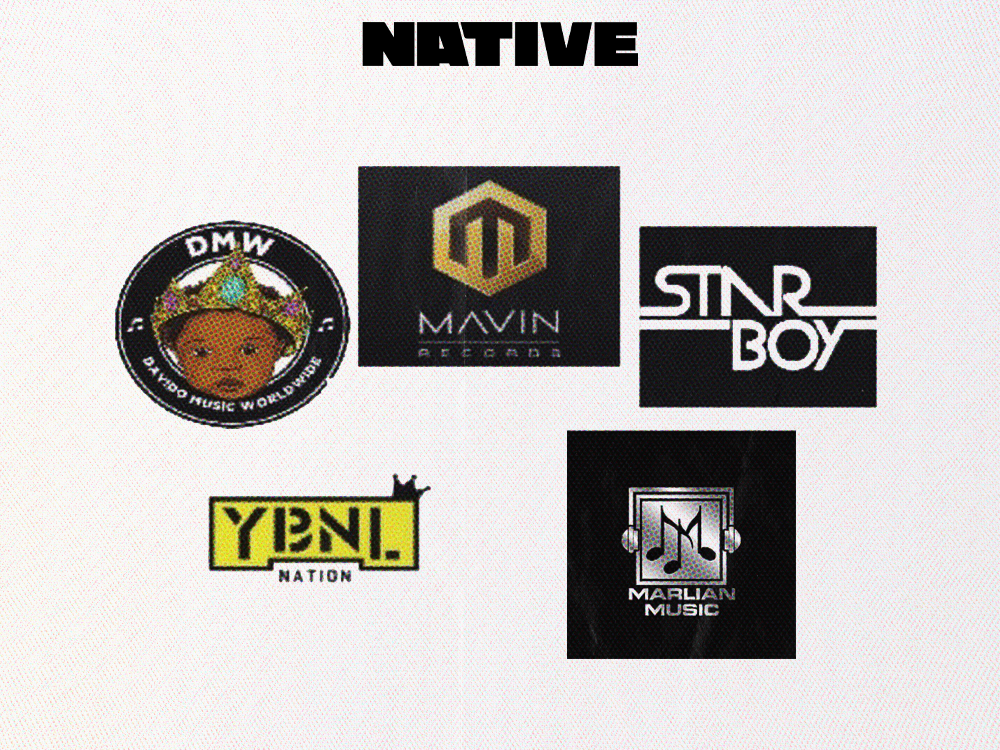
Nigerian music is dominated by a small group of homegrown labels that have, between them, shaped almost every major sound to come out of the country in the last fifteen years. Mavin Records, founded by Don Jazzy after the collapse of Mo’Hits, remains the gold standard of structured A&R, breaking Rema, Ayra Starr, Crayon, Magixx, Bayanni, and Boy Spyce. YBNL Nation, run by Olamide, gave Nigeria Fireboy DML, Asake, and Lil Kesh. Davido’s DMW has housed Mayorkun among a rotating cast of signees, while Wizkid’s Starboy Entertainment functions as both a label and a personal brand vehicle, with Terri among the acts associated with it. Chocolate City, once the home of MI Abaga, Ice Prince, and Brymo, was co-founded by Audu Maikori and has restructured more than once since its peak years. Aristokrat Records, which handled some of Burna Boy’s earliest releases, sits among the mid-tier imprints that round out the field.
Sitting above them is a layer of international majors that have circled Nigeria seriously since around 2018. Universal Music Group made the most dramatic move on 26 February 2024, when it announced a majority investment in Mavin Global, with Don Jazzy staying on as chief executive. The financial terms were not disclosed. Sony Music runs its own Africa division and the Orchard distribution arm, while Warner Music has built its presence through Warner Music Africa and direct artist partnerships across the region. The deal showed how seriously a major was prepared to back a Nigerian label.
The Independent Default
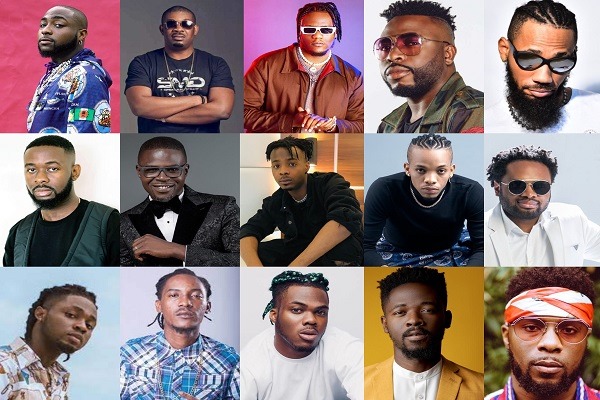
Most Nigerian artists start out independent, not by choice but because no label is paying attention until something pops. The standard path: an artist self-releases on a distributor like Empire, DistroKid, or Africori, builds streams from a club hit or a TikTok moment, watches DSP numbers and Shazam charts climb, then fields offers from labels and distributors with label-services arms. By the time a deal is on the table, the artist usually has leverage they would not have had six months earlier, which is why managers and lawyers tell their clients to delay signing until the heat is undeniable.
Asake is the modern textbook case. He spent years grinding on the Lagos circuit before his records caught fire, signed with YBNL when his negotiating position was strongest, and parlayed that into a global breakout inside about a year. The lesson is hard to ignore: leverage at signing day is worth more than any advance.
Deal Structures Explained
Three deal shapes dominate Nigerian conversations right now, and the difference between them is the difference between building wealth and signing it away. None of the three is inherently better than the others. What matters is the stage an artist has reached, how much leverage they are carrying into the room, and whether anyone on their side of the table has read the contract line by line. Lawyers who work this market consistently make the same point: the terms that look generous to an unknown artist are the terms that look punitive two hits later, and almost every public dispute in Nigerian music over the past decade traces back to a deal signed before the artist had any bargaining power.
The 360 Deal
A 360 deal gives the label a cut of every revenue stream the artist generates, not just recorded music. Touring, brand endorsements, publishing, merchandise, sync licensing, sometimes even acting fees all run through the label’s accounting. Terms are rarely published, but entertainment lawyers who work on these contracts describe recorded-music splits that favour the label, separate and lower percentages on the non-music streams, and multi-year commitments pegged to a fixed number of albums. The label invests heavily in marketing, videos, PR, and distribution muscle, and in exchange takes a stake in everything the artist becomes. For a new artist with no money and no profile, the cash and infrastructure can be life-changing. For an artist three hits in, the same deal can feel like a cage.
Distribution-Only Deal
At the opposite end sits the distribution-only deal. The artist owns the masters, owns the publishing, runs their own marketing, and pays the distributor either a flat fee or a modest percentage of revenue to push the music to Spotify, Apple Music, Boomplay, Audiomack, YouTube Music, and the rest. Empire has built much of its African business on this model, particularly with artists who already have an audience and just need the technical pipework. Olamide famously moved YBNL to a distribution-led structure years ago, which is part of why he could fund his own roster.
Label-Services Deal
The label-services deal is the middle path that has grown fastest since 2022. The artist keeps ownership of masters and the bulk of their publishing, but gets label-style marketing, A&R support, playlist pitching, and sometimes an advance. Splits vary widely from deal to deal, but the structure is designed to leave the artist with the larger share while the distributor takes a meaningful cut for the services it provides. Empire, Africori, and Sony’s Orchard all offer versions of this. It is what many established mid-tier Nigerian artists now sign, because it gives them upside without surrendering the catalogue.
Distribution and Where the Streams Actually Live
For a current Nigerian release, distribution means getting the song onto roughly a dozen platforms at once: Spotify, Apple Music, YouTube Music, Boomplay, Audiomack, Amazon Music, Deezer, Tidal, TikTok’s commercial library, Instagram Reels, and a handful of regional services. Empire dominates the African distributor conversation thanks to its early relationships with Olamide, Fireboy, and others. Sony’s The Orchard handles a chunk of the established catalogue. Africori is the South Africa-headquartered specialist that has signed plenty of Nigerian acts. Ditto Music and DistroKid serve the DIY tier. Boomplay deserves its own paragraph. As the dominant streaming service across Anglophone Africa, it pays less per stream than Spotify but delivers volume no other African platform comes close to. Its distribution arm also feeds songs to other DSPs, so for many artists it functions as both retailer and distributor. Its deals with labels are negotiated separately from the per-stream rates independent artists see, which is one of the persistent friction points in the local fairness conversation.
The Streaming Math Nobody Wants to Hear
No streaming service publishes a fixed per-stream rate, and the figures that circulate online are averages reverse-engineered from royalty statements rather than published tariffs. The pattern those statements point to is consistent, though: the global subscription services pay a fraction of a US cent per play, the rate moves with territory and subscription type, and African streaming platforms pay materially less per play than their Western counterparts while delivering far more of the volume. The practical consequence is that a single doing tens of millions of streams generates a gross sum that sounds large in a headline and then passes through the label, the distributor, the publisher, the producer, and any featured artists before the lead artist sees a line on a statement. Treat streaming as the marketing engine that makes the other income lines possible rather than the payday itself.
Where Artists Actually Make Money
Brand Endorsements
For top-tier Nigerian artists, brand work is widely understood to dwarf streaming income. Endorsement categories have been stable for years: telecoms, banks, beverage and spirits brands, consumer electronics, and, more recently, betting platforms. Individual fees are almost never disclosed, and the numbers that leak into gossip columns should be read as rumour rather than record, but the structural point holds. Davido, Wizkid, Burna Boy, and Tiwa Savage have all held major ambassador roles for large consumer brands, and a single multi-year contract of that kind is worth more to an artist than a year of royalty statements. For an artist whose streaming income barely covers studio time, one brand contract changes the arithmetic of their entire career.