
Table of Contents
- Official Streaming Platforms and Broadcasters
- International Viewing Options
- What to Expect from Eurovision 2026
- The Next Generation of Pop Stars
- How to Make the Most of Your Eurovision Experience
The Eurovision Song Contest continues to reign supreme as Europe’s most spectacular musical showcase, and 2026 promises to deliver another unforgettable night of glittering performances, surprising vocal powerhouses, and the kind of pop spectacle that has captivated global audiences for decades. With 25 countries preparing to showcase their finest rising talent, music lovers worldwide are already mapping out their viewing strategies for what many are predicting could be one of the most competitive Grand Finals in recent memory. The contest has evolved far beyond its European roots, becoming a genuine cultural phenomenon that attracts viewers from every continent, thanks in large part to the increasing accessibility of live streaming options. As the anticipation builds for this year’s competition, fans are eager to know exactly where and how they can catch every sequined moment of the action.
Official Streaming Platforms and Broadcasters
The European Broadcasting Union has significantly expanded its digital reach for Eurovision 2026, ensuring that fans across the globe won’t miss a single note of the competition. The official Eurovision YouTube channel will once again serve as the primary free streaming destination for viewers in non-participating countries, offering high-definition coverage complete with the beloved commentary team that has become synonymous with the Eurovision experience. This represents a continuation of the EBU’s commitment to making the contest as accessible as possible, recognizing that Eurovision’s appeal extends far beyond traditional broadcasting territories. The YouTube stream typically includes all the behind-the-scenes content, interval acts, and voting sequences that make Eurovision such a complete entertainment package.
For viewers in participating countries, national broadcasters remain the go-to option, with many offering enhanced digital experiences through their respective streaming platforms and mobile apps. The BBC iPlayer, France Télévisions’ streaming service, and Germany’s ARD Mediathek are just a few examples of how traditional broadcasters have adapted to the streaming age while maintaining their Eurovision heritage. These platforms often provide additional features like multi-camera angles, artist interviews, and exclusive content that enhances the viewing experience beyond what’s available through the main broadcast feed.
International Viewing Options

The global appetite for Eurovision has prompted several international streaming services to secure broadcasting rights, making the contest more accessible than ever before. Peacock TV has emerged as a key player for North American audiences, offering comprehensive coverage that includes pre-show analysis and post-competition interviews with the artists. This partnership has been particularly significant in introducing Eurovision to American audiences who might be discovering the contest for the first time, complete with cultural context and explanations of the unique Eurovision traditions that longtime fans take for granted. The service typically provides both live streaming and on-demand viewing options, accommodating different time zones and viewing preferences.
Social media platforms have also become increasingly important in the Eurovision ecosystem, with official Facebook and Twitter streams offering alternative viewing experiences. These platforms often feature real-time fan reactions, artist takeovers, and interactive elements that traditional broadcasting cannot match. TikTok has particularly embraced Eurovision content, with many participating artists using the platform to give fans behind-the-scenes glimpses of their preparation and rehearsals leading up to the Grand Final.
What to Expect from Eurovision 2026
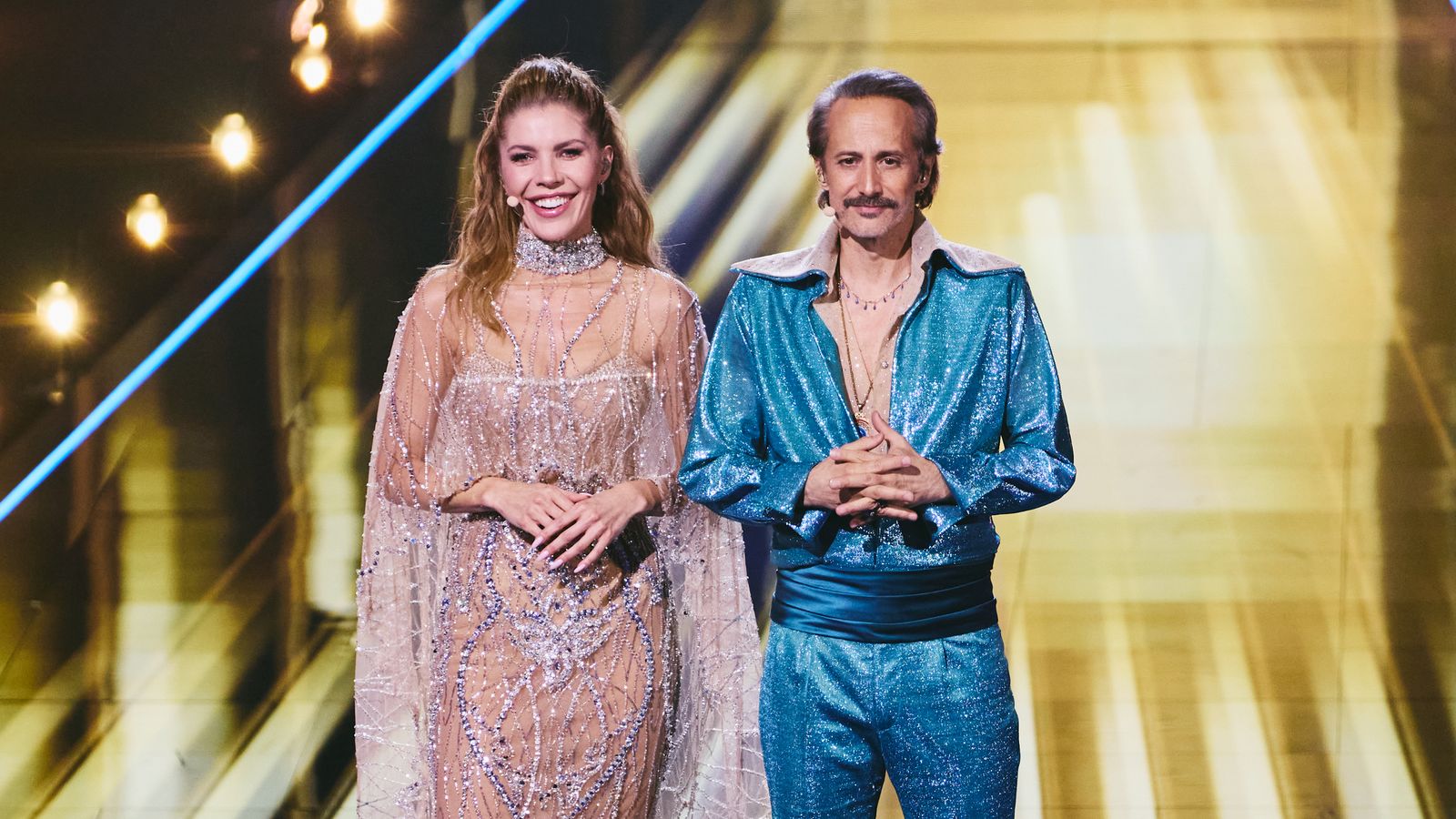
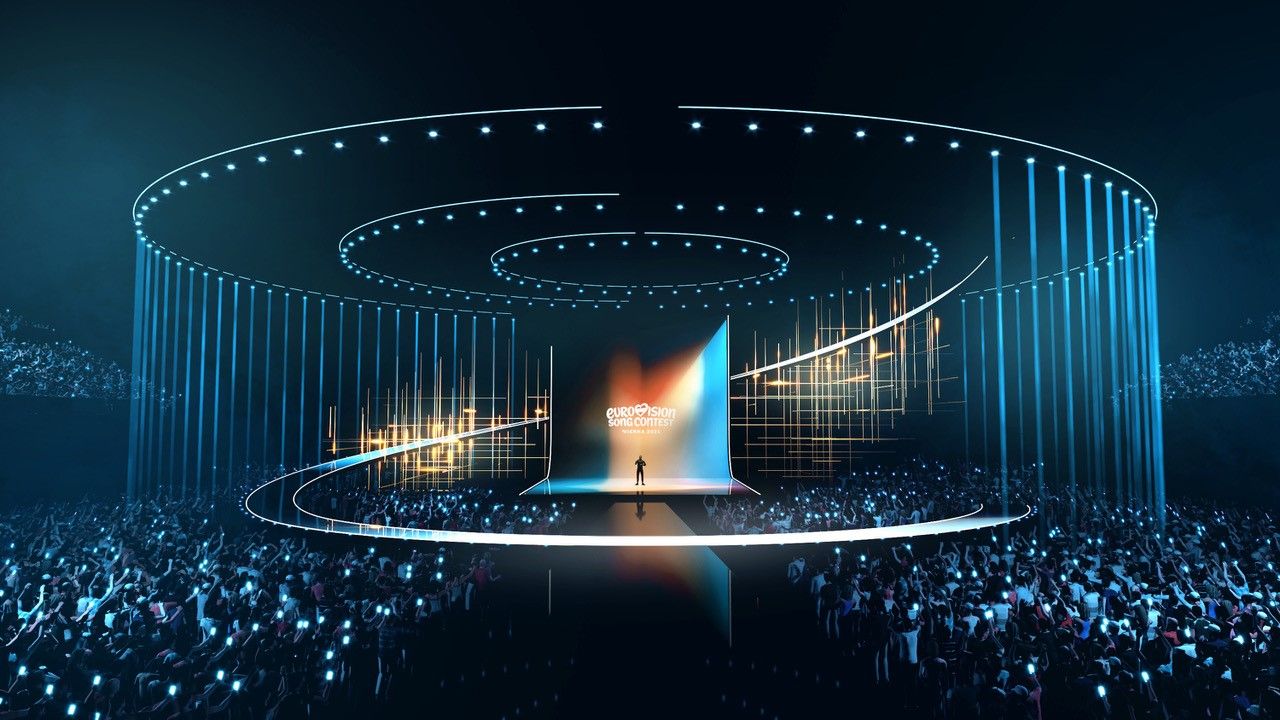
Eurovision 2026 is shaping up to be a particularly exciting edition, with several countries sending artists who represent the cutting edge of contemporary pop music. The contest has increasingly become a launching pad for artists who go on to achieve international success, with recent winners and participants finding their way onto global charts and major festival lineups. This year’s lineup reflects the current trends in pop music, with several entries incorporating elements of electronic dance music, alternative pop, and even some Afrobeats influences that reflect the genre’s growing global impact. The production values continue to escalate each year, with stage designs and visual effects that rival major concert tours and award shows.