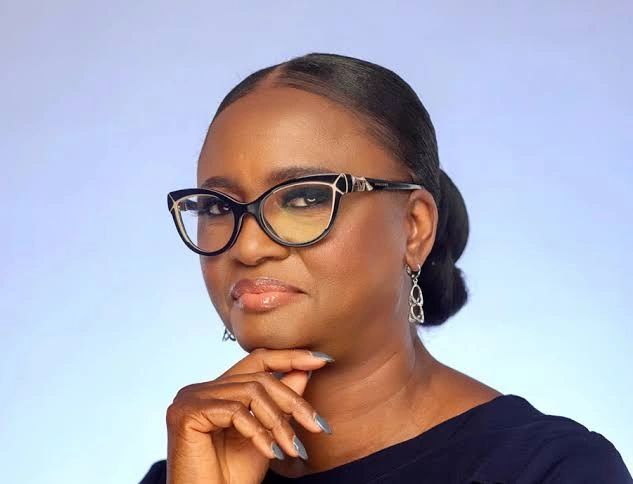

Elohor Aiboni Makes History as Shell Names Her First Nigerian Woman to Lead Operations in the Country
Celebrities

Elohor Aiboni Makes History as Shell Names Her First Nigerian Woman to Lead Operations in the Country

Miki AndersonMiki Anderson··6 min read
Advertisement

Table of Contents

A Historic Appointment Decades in the Making
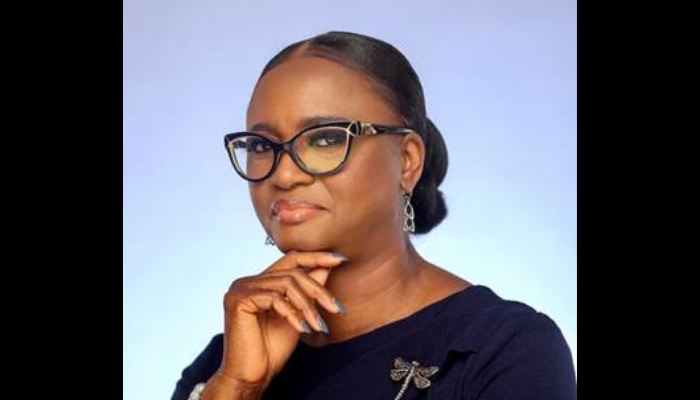
Elohor Aiboni Makes History as - A Historic Appointment Decades in the Making

There are milestones, and then there are moments that genuinely rewrite the script. Shell Plc’s announcement that Elohor Aiboni will serve as Executive Vice President and Country Chair for Nigeria is very much the latter. Set to take effect on August 1, 2026, the appointment marks the first time in Shell’s six-decade history of operating in Nigeria that a Nigerian person – and specifically a Nigerian woman – will hold the combined role of Executive Vice President and Country Chair. She succeeds Marno de Jong, who has held the position, and steps into one of the most high-profile corporate roles in the entire African energy landscape. For a country where the oil and gas sector has long been dominated by expatriate leadership and male executives, this is the kind of news that stops people in their tracks.

The significance of this appointment cannot be overstated, especially when you consider the weight of what Shell represents in Nigeria’s economic story. Since establishing operations in the country in the 1950s, Shell has been one of the most influential – and at times most controversial – foreign corporations operating on Nigerian soil. The idea that a Nigerian woman will now sit at the very top of that operation is a statement that goes far beyond corporate reshuffling. It is a reflection of shifting tides, both within Shell as a global organisation and within Nigeria’s professional ecosystem, where a new generation of homegrown talent is demanding its rightful seat at the table.

Who Is Elohor Aiboni?
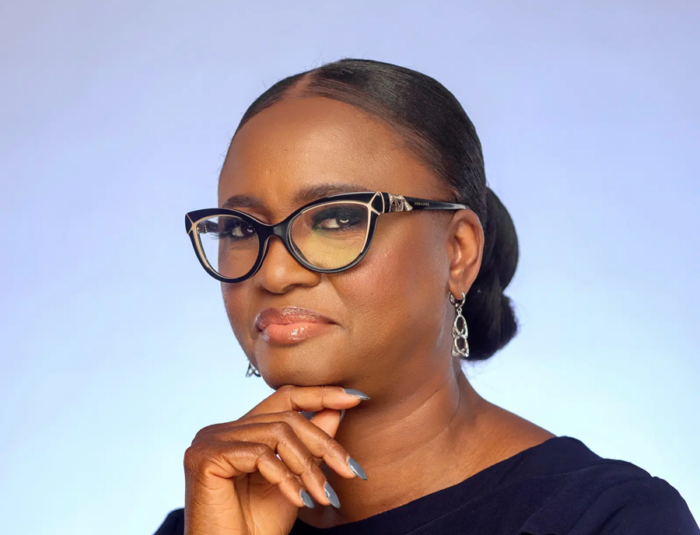
Elohor Aiboni Makes History as - Who Is Elohor Aiboni?

If you haven’t heard of Elohor Aiboni yet, it’s time to get familiar. She is not a newcomer arriving on the strength of a single flashy career move – she is a seasoned energy executive who has built her reputation over decades of work within the industry. Aiboni has been a recognisable figure within Shell’s Nigerian operations for a considerable period, rising through the ranks in an industry that has historically been resistant to promoting local talent, particularly women, into its most senior positions. Her trajectory within the company speaks to both her exceptional competence and her ability to navigate complex corporate environments while remaining rooted in her Nigerian identity.

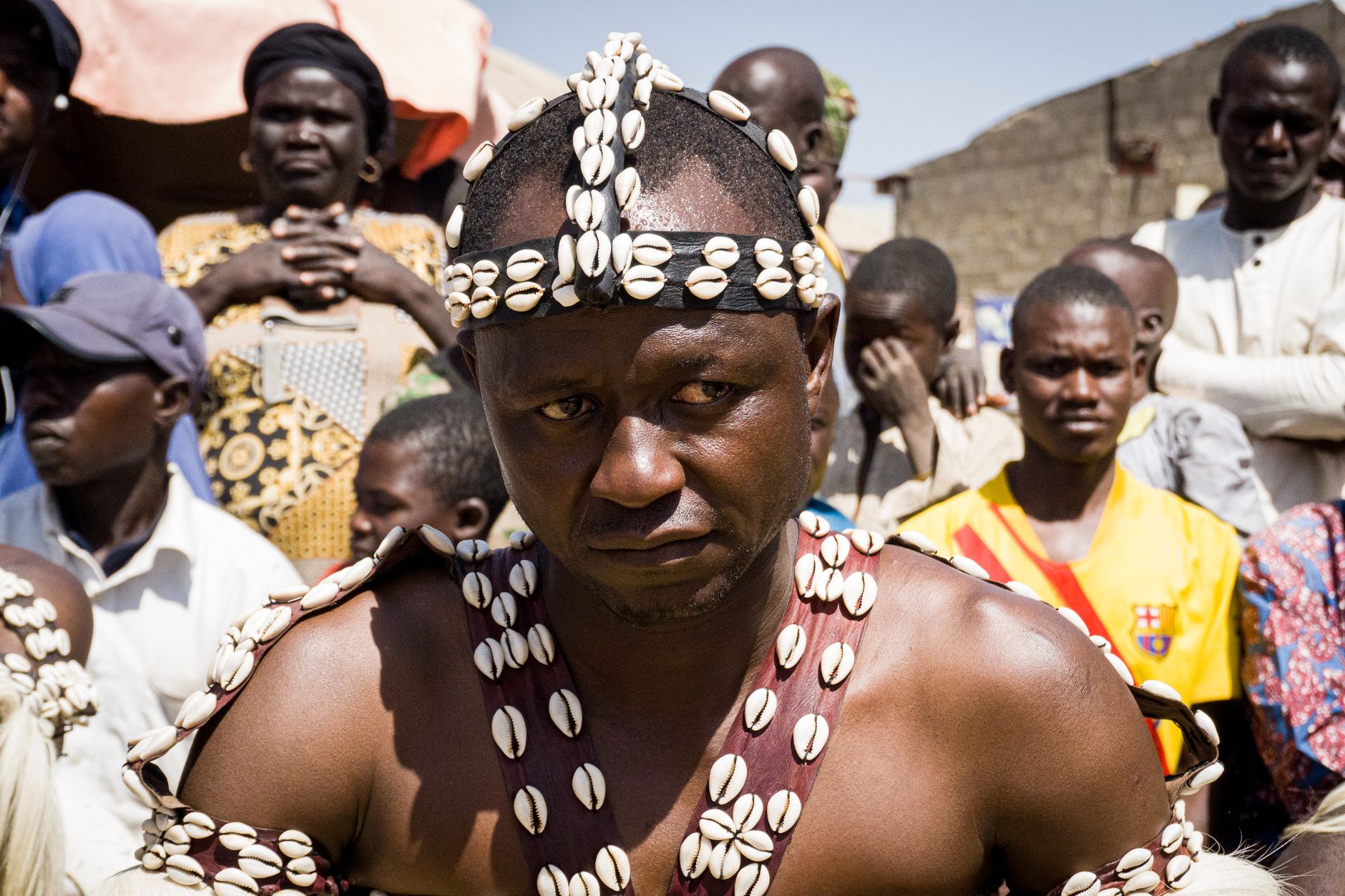
Elohor Aiboni Shell Nigeria executive leader
Photo by PICHA Stock / Pexels

Beyond her technical expertise in the energy sector, Aiboni has been noted as a voice for local content development and the empowerment of Nigerian professionals within the oil and gas space. Those who have followed her career describe her as someone who combines sharp business acumen with a genuine commitment to the communities and people her work affects. In an industry often criticised for prioritising extraction over impact, that combination of skills and values is precisely what makes her appointment feel like more than a symbolic gesture. It feels like an intentional choice by Shell’s global leadership to place someone who understands Nigeria – truly understands it – in the driver’s seat.

Shell’s Deep and Complex Roots in Nigeria

To fully appreciate why this appointment carries so much weight, you need to understand the long and layered history between Shell and Nigeria. Shell Petroleum Development Company of Nigeria, commonly known as SPDC, has been one of the country’s principal oil producers since commercial petroleum production began in earnest in the late 1950s. The Niger Delta, which sits at the heart of Nigeria’s oil wealth, has been the centre of Shell’s operations for generations – and it has also been the site of some of the most intense debates about environmental responsibility, community rights, and corporate accountability that Africa has ever seen. The relationship between Shell and Nigeria is not simple, and it has never been.
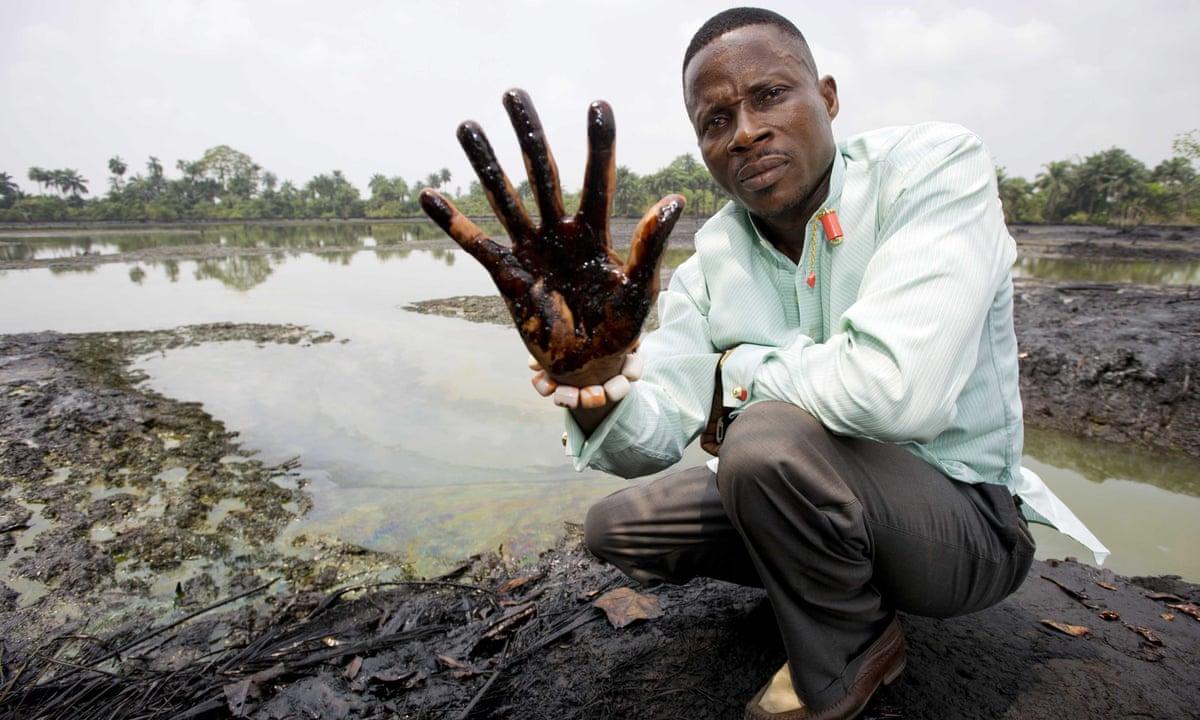
Shell petroleum operations in Nigeria
Image: The Guardian

In recent years, Shell has been navigating a significant strategic transition in Nigeria, including the announced divestiture of its onshore oil operations through SPDC, a move that signals a shift in how the company sees its future footprint in the country. This makes Aiboni’s appointment even more fascinating to watch. She steps into leadership at a moment of genuine transformation, not just symbolic change. The decisions made under her watch will help define what Shell’s next chapter in Nigeria actually looks like – and whether the company can close out one era while opening another with the kind of trust and legitimacy that has sometimes eluded it in the past.
Advertisement

Breaking Barriers in Africa’s Energy Sector

Elohor Aiboni Makes History as - Breaking Barriers in Africa's Energy Sector

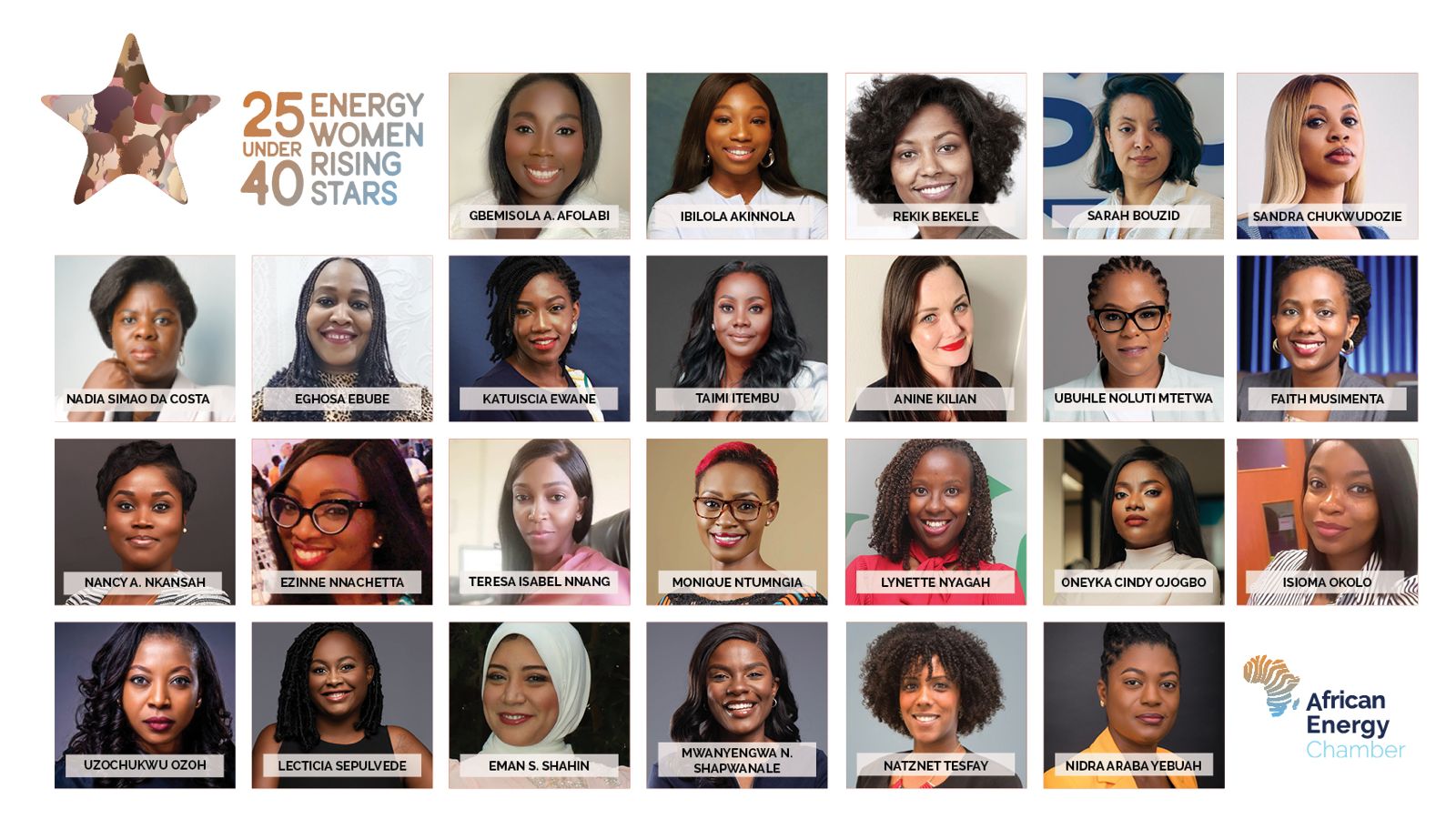
Let’s be direct about something: the energy sector across Africa remains one of the most male-dominated industries on the continent. Despite the growing visibility of African women in business, finance, and even politics, the upstream oil and gas space has been particularly slow to reflect the talent and ambition of women who have spent careers building expertise in the field. Names like Aiboni’s, when they do break through to the top, tend to do so against considerable structural resistance – not because the talent wasn’t there, but because the pathways were narrower and the gatekeeping was real. Her appointment to the top of Shell Nigeria disrupts that pattern in a very visible, very public way.

Women leaders in Africa oil and gas industry
Image: African Energy Chamber

Her ascent joins a growing, if still too small, list of African women who are reshaping the executive landscape of industries long considered male territory. Across the continent, from banking boardrooms in Lagos to mining operations in Johannesburg, women are increasingly occupying positions of serious institutional power. Aiboni’s appointment doesn’t exist in a vacuum – it sits within this broader movement and adds to its momentum. For young Nigerian women studying engineering, geology, business management, or any discipline adjacent to the energy sector, seeing someone who looks like them in a role this significant carries the kind of inspirational power that no corporate diversity initiative can fully manufacture.

Why This Moment Matters Beyond the Boardroom

Elohor Aiboni Makes History as - Why This Moment Matters Beyond the Boardroom

Here’s the thing about representation at the highest levels of industry – it ripples outward in ways that are sometimes hard to quantify but impossible to ignore. When Elohor Aiboni assumes her role as Country Chair in August 2026, she won’t just be making decisions about pipelines and production targets. She will be the most senior Nigerian in the history of one of Nigeria’s most consequential corporate relationships, and that status comes with a kind of cultural gravity. Every meeting she leads, every policy decision she influences, every public statement she makes will be received with the awareness that she got there first. That pressure is real, and so is the opportunity.

For Nigeria’s broader conversation about local content, which gained formal legislative momentum through the Nigerian Oil and Gas Industry Content Development Act of 2010, this appointment is also a meaningful data point. The spirit of local content policy has always been to ensure that Nigerians benefit from Nigeria’s resources – not just in terms of revenue, but in terms of skills, leadership, and ownership. Having a Nigerian woman at the helm of Shell’s country operations is, in its own way, a lived expression of that aspiration. It doesn’t resolve every tension or answer every critique, but it does signal something real about how the ground is shifting.

What to Expect When Aiboni Takes the Helm

With her official start date set for August 1, 2026, there’s still time for the industry to watch, speculate, and prepare for what her leadership will actually look like in practice. The energy transition conversation is front and centre globally, and Nigeria – as one of Africa’s largest oil producers – is at a crossroads between maximising its fossil fuel assets and positioning itself for a future increasingly shaped by renewable energy demands. Aiboni will inherit these tensions, and how she navigates them will say a great deal about both her leadership philosophy and Shell’s evolving strategy for the African market.

What seems clear is that her appointment was not made lightly. Shell’s global leadership does not restructure country chairmanships without careful deliberation, particularly in a market as strategically important as Nigeria. Placing Aiboni in this role suggests confidence in her ability to manage complex stakeholder relationships – from the Nigerian government and local communities to Shell’s international investors and partners. She enters this role as a pioneer, yes, but also as a proven executive whom her organisation trusts with one of its most challenging and consequential assignments. Nigeria will be watching closely, and so will the rest of the continent. History, as they say, is just getting started.

Advertisement
Share
Get the recap

Loved this story? Get more like it.

Join readers who get our weekly entertainment recap - the stories worth your time, delivered every Friday.

No spam. Unsubscribe anytime. By signing up you agree to our Privacy Policy.