

Table of Contents
- Who Is Elisha Cuthbert?
- Stepping Away From the Spotlight
- The Honest Truth Behind the Break
- Life Outside of Hollywood
- What This Conversation Means for the Industry
- What’s Next for Elisha Cuthbert?
Who Is Elisha Cuthbert?
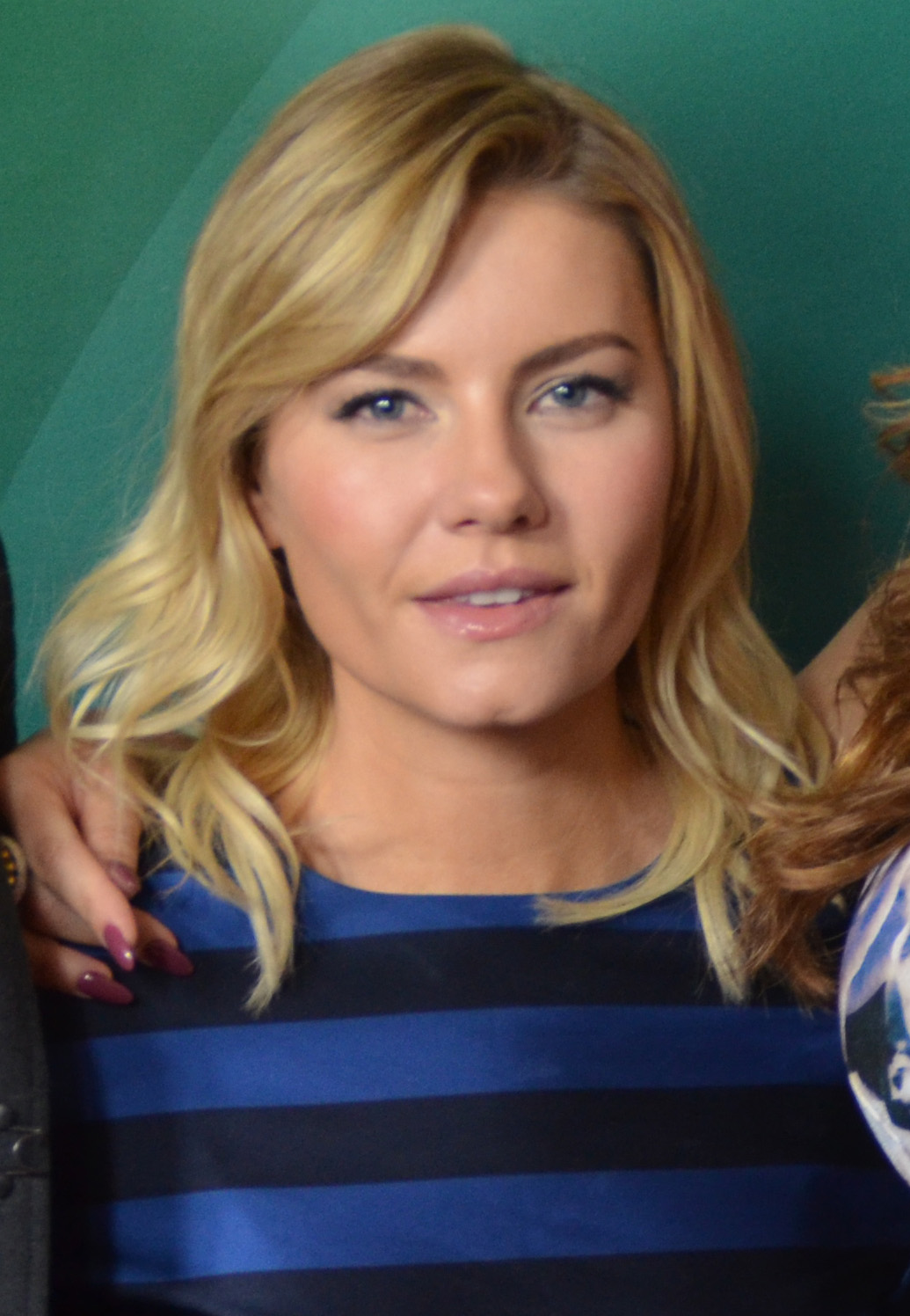
If you came of age in the early 2000s, the name Elisha Cuthbert is likely tied to a very specific kind of nostalgia. The Canadian actress burst onto the global scene with her breakout role as Kim Bauer in the iconic real-time thriller series 24, where she starred alongside Kiefer Sutherland in one of television’s most talked-about dramas of the era. She followed that with a headline-grabbing turn in the 2004 teen comedy The Girl Next Door, a film that cemented her status as one of Hollywood’s most recognizable young faces. Between her sharp comedic timing, undeniable screen presence, and consistent ability to anchor both drama and lighter fare, Cuthbert seemed destined for an unbroken, decades-long career at the top of the entertainment industry. But Hollywood rarely plays out exactly as audiences expect, and Cuthbert’s path took a turn that she is only now speaking about with real candor.

Born in Calgary, Alberta, in 1982, Cuthbert got her start in Canadian television before crossing over into American productions that would change her life entirely. She was also well-known to comedy audiences for her role as Alex on the long-running CBS sitcom Happy Endings, which ran from 2011 to 2013 and earned a devoted cult following even after its cancellation. Her range across genres - from suspense-driven drama to sharp ensemble comedy - made her one of the more versatile actresses of her generation, someone who never quite fit neatly into one box. That versatility made her quiet exit from Hollywood all the more surprising to fans who had followed her career closely.
Stepping Away From the Spotlight

For approximately four years, Elisha Cuthbert was notably absent from screens, a gap that raised questions among fans and industry watchers alike. In the entertainment business, a four-year absence can feel like a lifetime, especially for an actress who had spent the better part of two decades maintaining a steady and visible presence in Hollywood productions. Speculation, as it always does in celebrity circles, filled the void - but Cuthbert has since made it clear that her reasons were deeply personal rather than the result of any industry falling-out or professional setback. The truth she has shared is something far more relatable and, frankly, far more important than any behind-the-scenes drama.

What makes Cuthbert’s story resonate so broadly is the timing of it all. Her break coincided with a broader cultural moment in which conversations around mental health, burnout, and the sustainability of high-pressure careers were becoming increasingly mainstream. Celebrities across music, film, and television were starting to speak more openly about the cost of constant public life - from Adele scaling back touring to various athletes and public figures openly discussing the weight of professional pressure. Cuthbert’s eventual honesty about her own experience placed her within that growing wave of voices choosing authenticity over the carefully polished image that Hollywood typically demands.
The Honest Truth Behind the Break
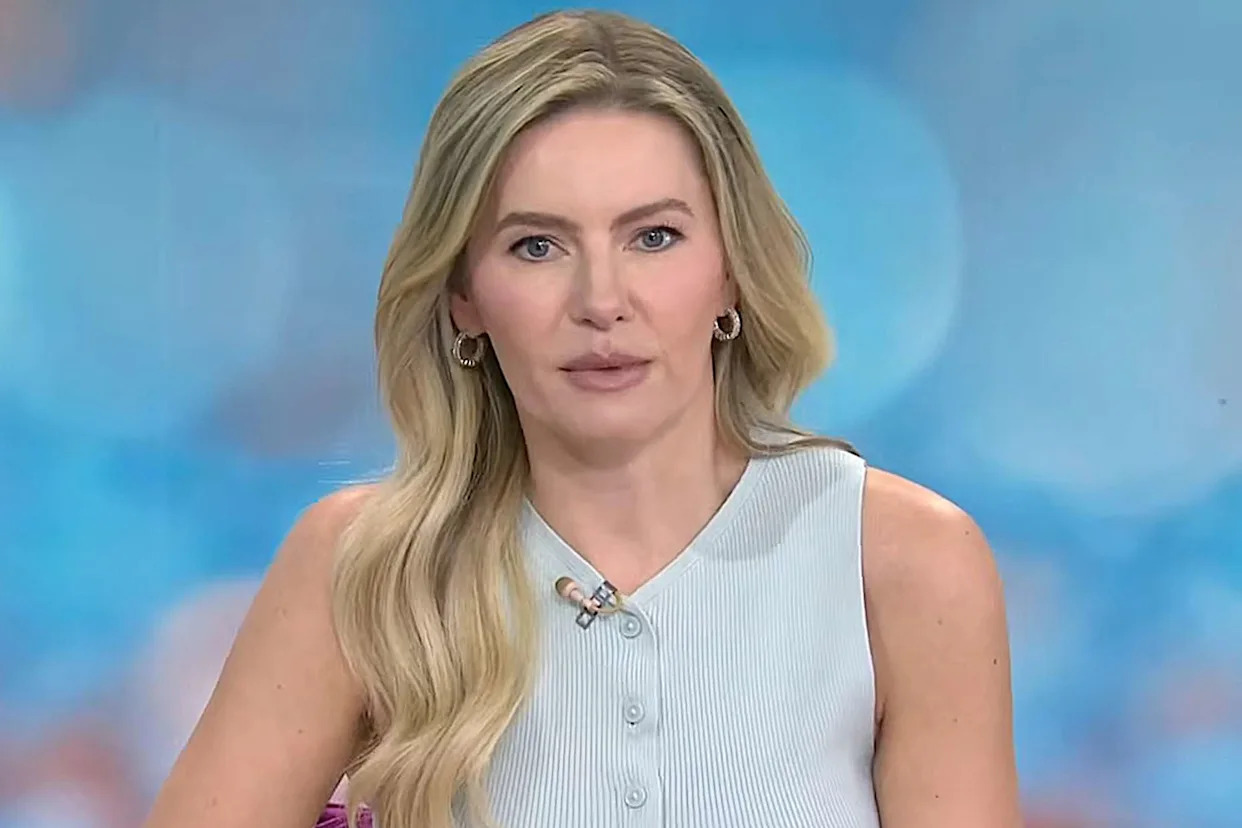
Speaking publicly about the period, Cuthbert was refreshingly direct. She stated plainly that she simply did not want to be on set - a statement that sounds straightforward but carries significant weight when you consider what being on a film or television set actually demands. Acting is not a nine-to-five profession with clearly defined boundaries. It requires long hours, emotional vulnerability, constant travel, and the kind of sustained mental and physical energy that can quietly drain a person over years of continuous work. For someone who had been working at Cuthbert’s level since her early teens, the accumulation of all of that pressure was clearly substantial.

Her honesty reflects something that the entertainment industry has historically been reluctant to acknowledge openly: that actors are human beings with limits, and that the relentless machine of production does not always allow space for those limits to be respected. The phrase “I didn’t want to be on set” is deceptively simple. It speaks to a kind of emotional and creative exhaustion that many working professionals in demanding fields will immediately recognise, even if their offices look nothing like a Hollywood soundstage. Cuthbert’s willingness to name that feeling without dressing it up in more palatable language is, in itself, a form of quiet courage in an industry that rarely rewards vulnerability with anything other than concern about marketability.