Table of Contents
- Drake Speaks Out
- Who Was Tay Keith?
- The Legacy of “First Person Shooter”
- Hip-Hop Mourns a Giant
- A Producer Who Redefined a Sound
- More Than Just a Beat Maker
Drake Speaks Out
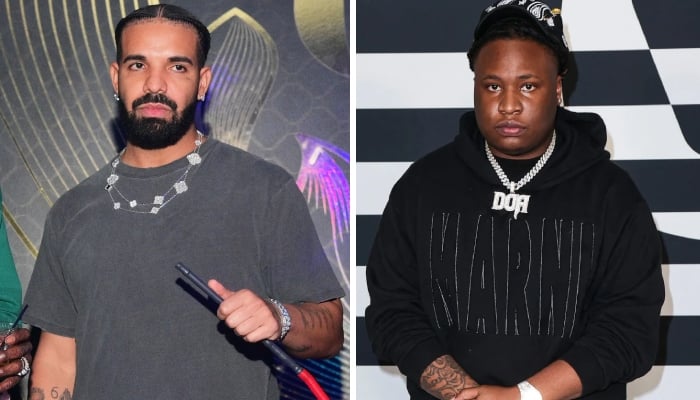
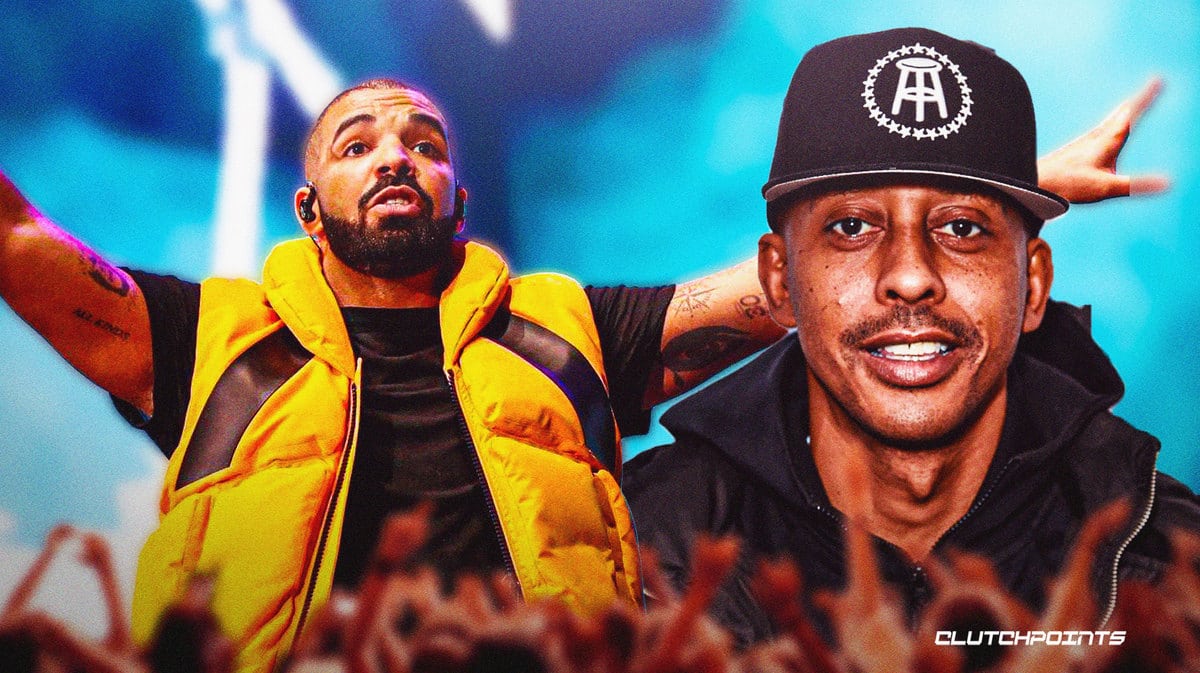
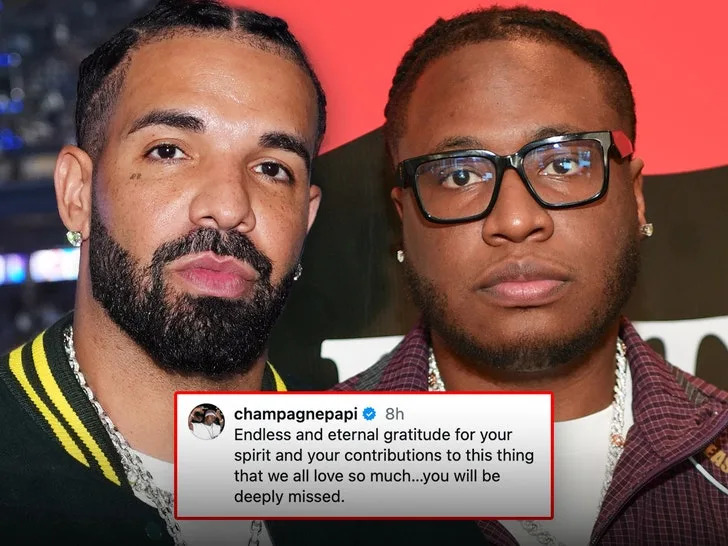
When news broke about the passing of Memphis-born producer Tay Keith, the music world came to a standstill - and among the first major voices to respond was Drake, one of the artists who understood perhaps better than anyone just how much Tay Keith meant to hip-hop. The Toronto rapper took to social media to express his grief and admiration, describing his feelings toward the producer as one of “endless and eternal gratitude.” It was a message that felt deeply personal, not just a routine celebrity condolence post, but something that reflected a genuine creative bond built across years of collaboration and mutual respect. For fans who have followed Drake’s career closely, the tribute made complete sense - this was a relationship that had produced real, chart-defining music.
Drake’s words resonated far beyond his own fan base. The sentiment behind his message touched a nerve across the wider hip-hop community because it acknowledged something many producers rarely receive enough credit for - the role they play in shaping an artist’s identity, not just their sound. A rapper can have every lyrical gift in the world, but it takes a visionary producer to build the sonic universe around those words. Tay Keith was exactly that kind of visionary, and Drake’s tribute made sure the world remembered it.
Who Was Tay Keith?
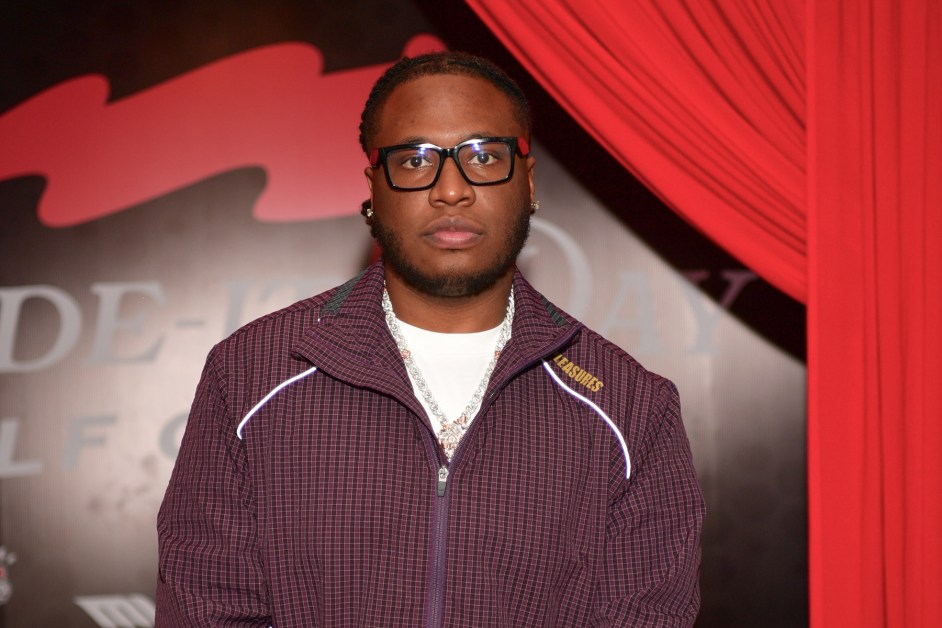
Born Tremayne Keith Chambers Jr., Tay Keith rose from Memphis, Tennessee, to become one of the most sought-after hip-hop producers of his generation. His story is the kind that inspires - a young kid from the South who turned an obsession with beats into a career that put him in the studios of some of the biggest names in rap. He first exploded onto the mainstream scene in 2018 when Travis Scott’s “SICKO MODE” - which featured his production work - became a cultural phenomenon. That track spent 37 weeks on the Billboard Hot 100 and reached number one, making Tay Keith a household name practically overnight. Before that landmark moment, he had already been building his reputation locally and regionally, developing a style that was immediately recognizable.
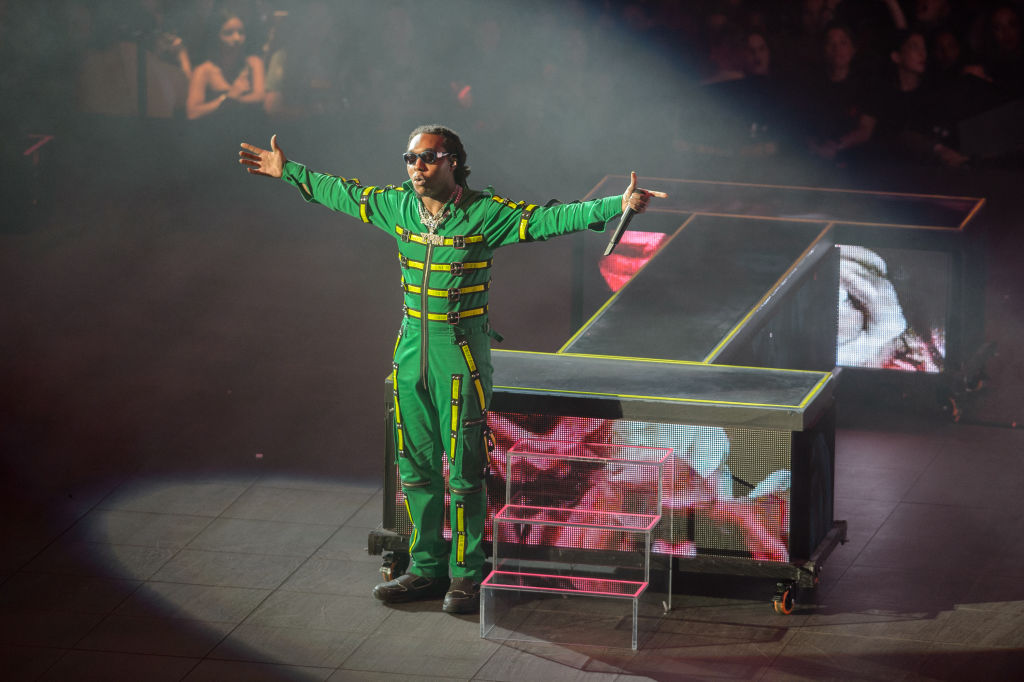
What made Tay Keith stand out in a crowded field was his ability to craft beats that felt cinematic - big, bold, and relentless in their energy. His productions had a certain hunger to them, a raw ambition that matched the artists who rapped over them. He worked with a wide roster of talent over the course of his career, including Lil Wayne, Eminem, BlocBoy JB, and of course Drake, accumulating a body of work that spanned genres within hip-hop and cemented his place as a defining producer of the streaming era. Memphis has long been a city with a rich musical heritage, and Tay Keith carried that tradition forward while pushing it into entirely new territory.
The Legacy of “First Person Shooter”
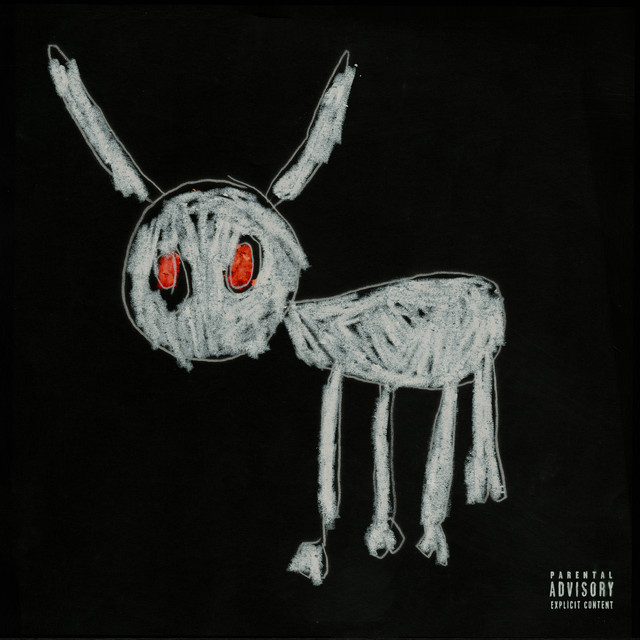
“First Person Shooter,” the standout collaboration between Drake and J. Cole that featured production from Tay Keith, became one of the most talked-about tracks of 2023. Released as part of Drake’s album For All The Dogs, the song debuted at number one on the Billboard Hot 100, marking a massive commercial achievement for everyone involved. J. Cole’s verse sparked a wave of debate among hip-hop fans about the current state of rap, while Drake’s hook and delivery reminded the world why he remains one of the genre’s dominant forces. But beneath all of that discourse was Tay Keith’s production - an atmospheric, hard-hitting beat that gave both rappers the perfect canvas to work on.
The success of “First Person Shooter” was a testament to what Tay Keith brought to any project he touched. He had a rare gift for reading what an artist needed and then delivering something that exceeded expectations. The track’s beat felt simultaneously urgent and cinematic, the kind of production that makes a song feel like an event rather than just another release. For Drake, working with Tay Keith on that record clearly meant more than just a business arrangement - and his tribute following the producer’s death underscored just how meaningful that collaboration truly was.