DR Congo's Rise in World Football - The Players, the Stories and the African Dream
Miki Anderson··10 min read
Ad SpaceArticle Top - 728x90
Advertisement
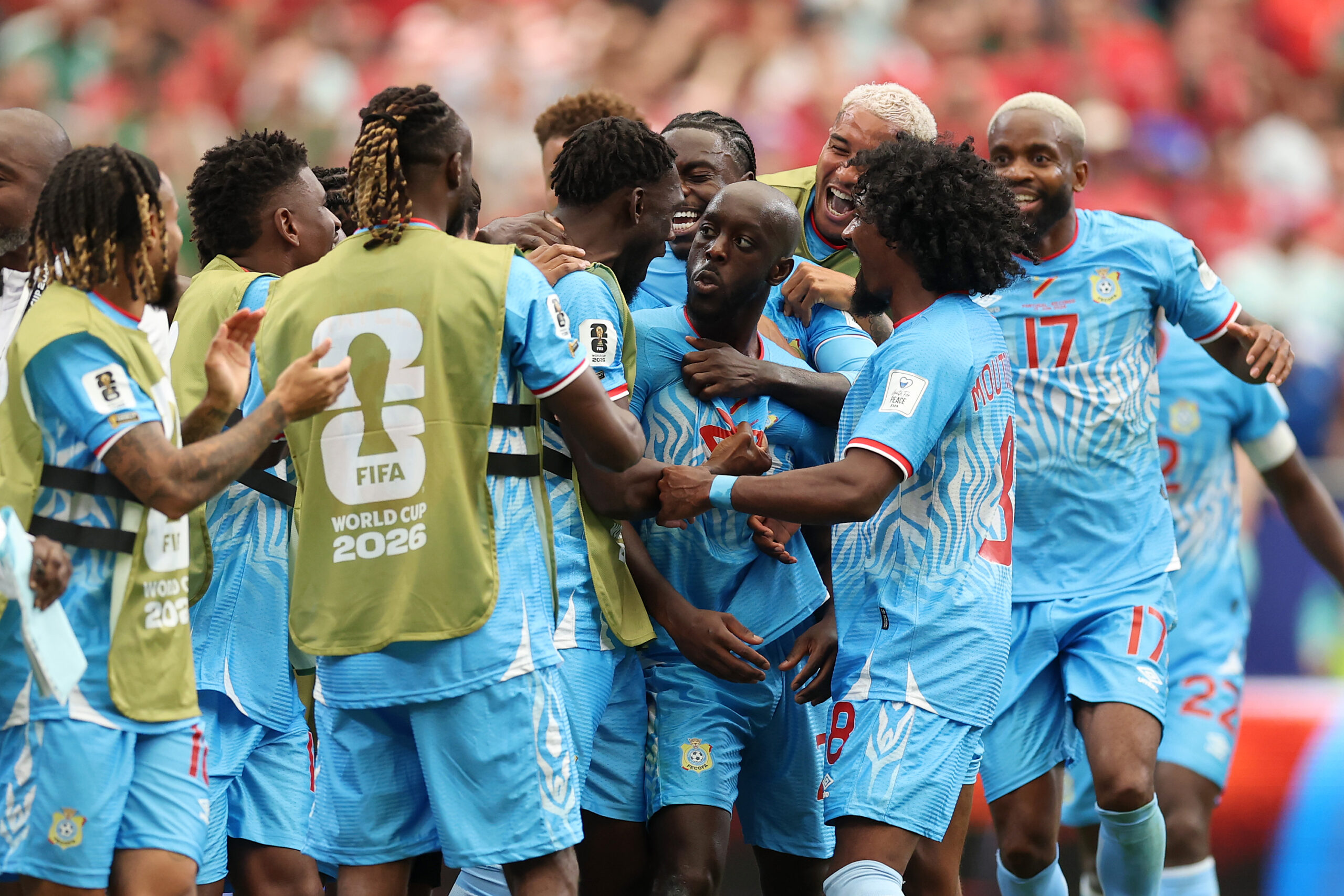
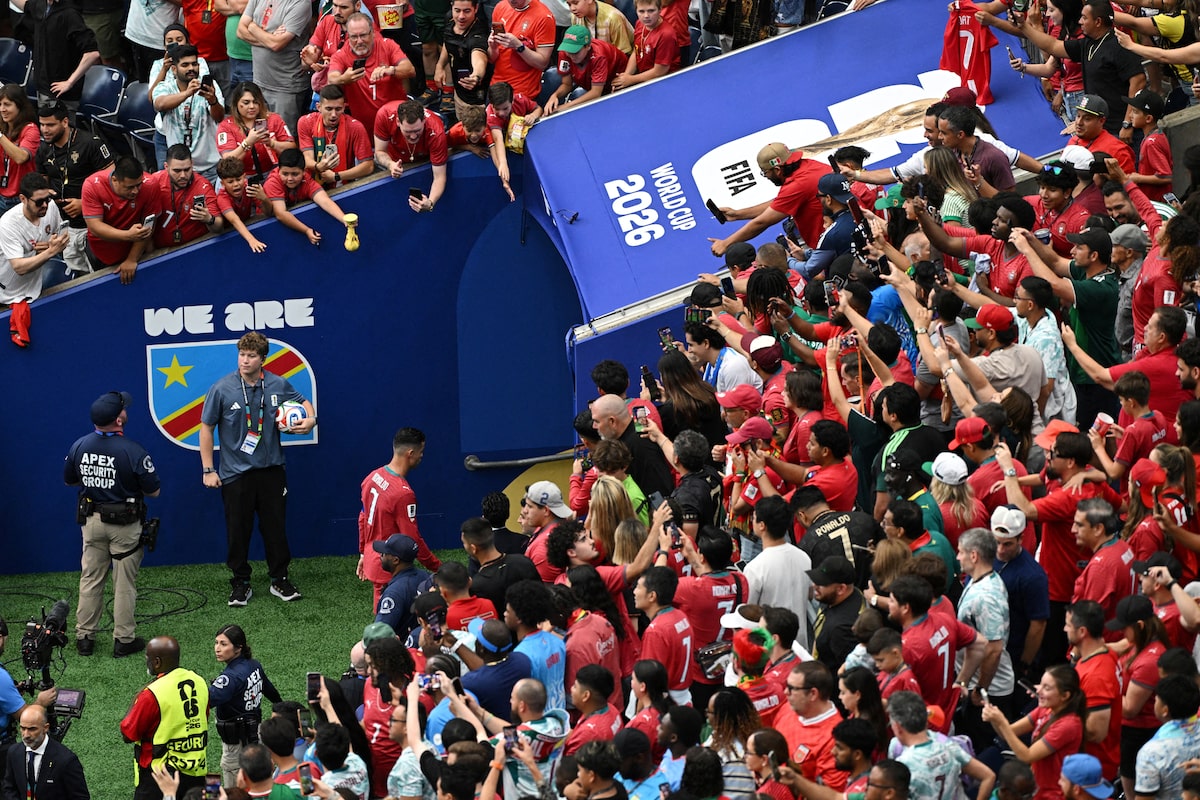
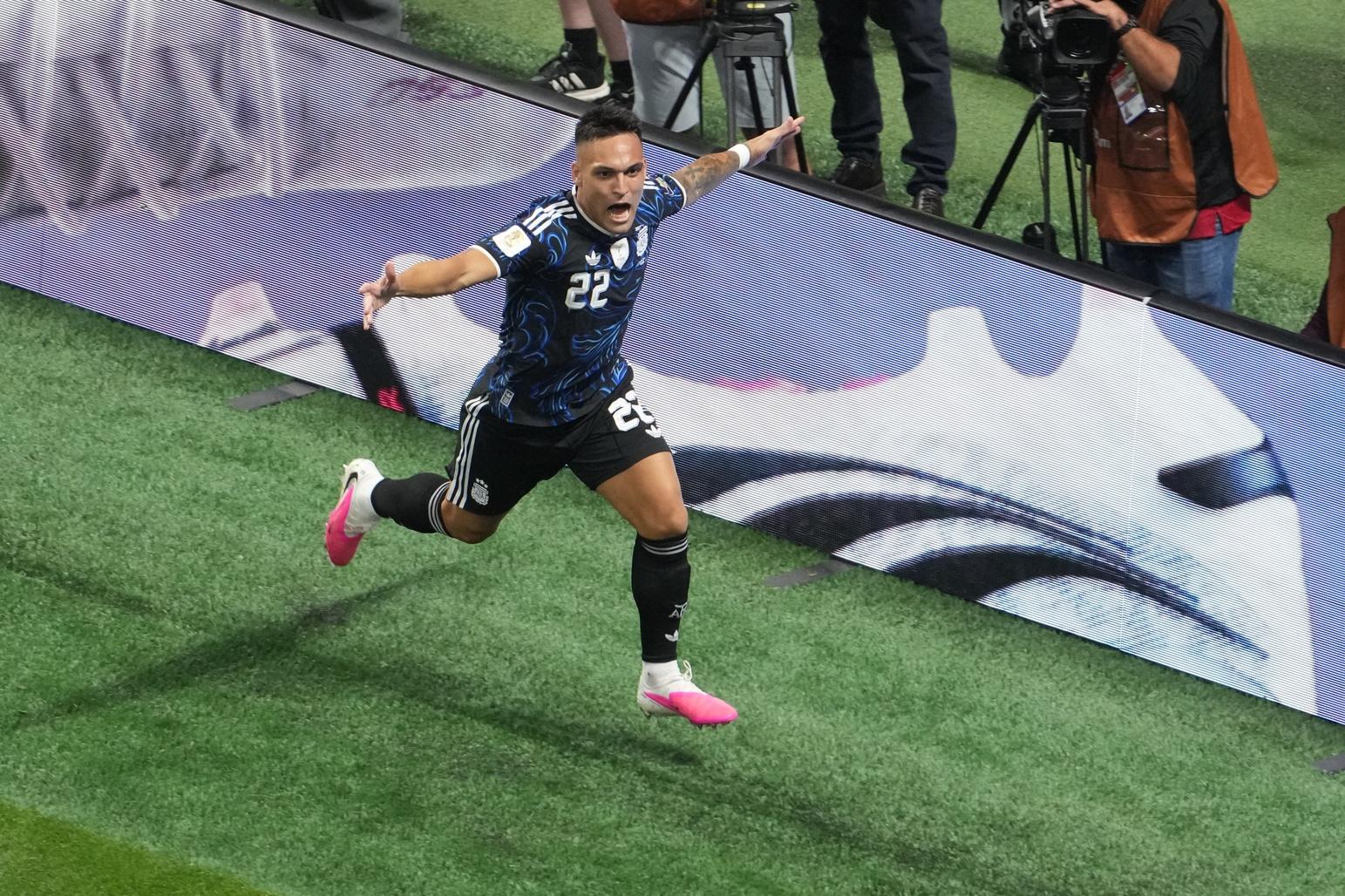
Houston Stadium fell into a particular kind of hush on the stroke of half-time, the sort of silence that comes when something improbable is about to happen. Portugal had been passing the ball around for forty-four minutes like men who already knew the result, Cristiano Ronaldo prowling the box, Joao Neves having nodded them ahead inside five minutes. Then a corner swung in, Yoane Wissa rose between two defenders, and the ball thumped off his head and into the net. The Congolese supporters who had filled their corner of the stadium did not so much cheer as erupt. That header, scored on 17 June 2026, was the first goal the Democratic Republic of Congo had ever recorded at a FIFA World Cup. The 1-1 draw that followed was their first point. The country had waited fifty-two years for both.
Wissa wheeled away with his arms wide, and somewhere in that celebration was the weight of every previous generation that never got the chance. The Leopards were not at the World Cup to make up numbers. They had come to settle a very old score.
The night a stadium remembered Zaire
To understand why a single header against Portugal could mean so much, you have to go back to West Germany in 1974, to a team that wore green and carried a different name. Zaire, as the country was then called under the dictator Mobutu Sese Seko, became the first sub-Saharan African nation to reach a World Cup finals, and the first Black African side to do so. It should have been a coronation. It turned into one of football’s most painful and misunderstood chapters.
The tournament began with a respectable 0-2 loss to Scotland and then collapsed into farce. The players, who say they were told they would not be paid, lost 0-9 to Yugoslavia in one of the heaviest defeats in World Cup history. Against Brazil came the moment that the world chose to remember and laugh at. Defender Mwepu Ilunga broke from his own wall and booted a Brazilian free-kick away before it had even been taken, earning a yellow card and decades of ridicule as the African who supposedly did not understand the rules. The truth, which Ilunga revealed only years later, was darker. He understood the rules perfectly. He was protesting. Mobutu’s presidential guards had reportedly travelled with the squad, and the players had been warned that a heavy defeat would carry consequences when they got home. Ilunga, who died in 2015, was not a clown. He was a frightened man making a point the only way he could.
Zaire lost that match 0-3, went home, and effectively disappeared from the global game. That 1974 defeat to Brazil was the last World Cup match the nation played until Wissa’s header in Houston more than half a century later. In between lay the wilderness: a name change back to the Democratic Republic of Congo in 1997, decades of conflict and instability across the vast central African country, and a football federation that lurched from crisis to crisis. The talent never stopped flowing. The platform to show it on simply vanished.
The slow climb back from the wilderness
The modern resurrection did not happen overnight, and it did not happen by accident. The turning point traces to June 2022, when the federation appointed the French coach Sebastien Desabre, a 49-year-old journeyman who had spent years building his reputation across African football, most notably with Uganda. Desabre inherited a squad rich in European-based talent but short on belief, a collection of individuals who had never been welded into a team that travelled well or held its nerve in the moments that decide tournaments.
He changed that, slowly and then suddenly. The first real evidence arrived at the 2023 Africa Cup of Nations, the tournament held in Ivory Coast in early 2024 after a delay forced by the West African rainy season. The Leopards arrived as something of an afterthought and left as the story of the competition. They ground their way out of the group stage, then beat Egypt on penalties in the last sixteen after a goalless draw, the kind of result that announces a side has found its spine.
The quarter-final against Guinea was when the country truly started to believe. Falling behind to a penalty, DR Congo refused to fold. Captain Chancel Mbemba levelled, Wissa converted a penalty of his own to turn the game, and Arthur Masuaku curled in a free-kick to seal a 3-1 win and a place in the semi-finals for the first time since 2015. The run ended there, against the hosts. Ivory Coast, riding a wave of home support and destiny that would carry them to the title, won the semi-final 1-0 through a brilliant Sebastien Haller strike on 65 minutes. The Leopards went out with their heads high, fourth-place finishers who had reminded the continent they existed.
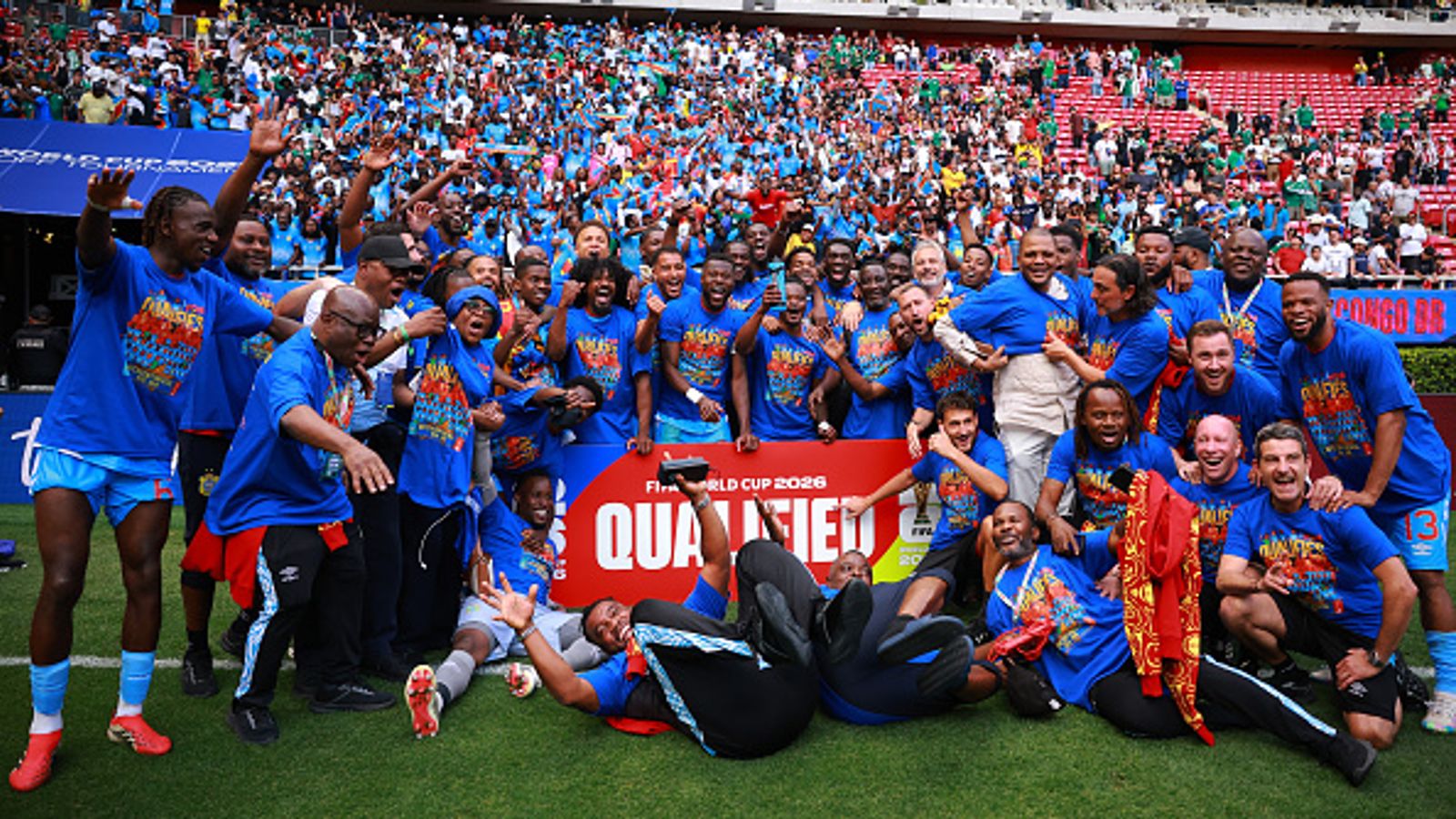
That AFCON run was the foundation. The summit came in the qualifying campaign for the 2026 World Cup, and it was achieved the hardest way imaginable. DR Congo finished as one of the best-placed runners-up and entered the African play-off mini-tournament in Morocco. There they eliminated Cameroon 1-0, Mbemba again the hero with a stoppage-time strike. The final, against Nigeria’s Super Eagles, was a war of nerves: 1-1 after extra time, Meschack Elia cancelling out an early Frank Onyeka opener, the match dragging to penalties. Mbemba stepped up to convert the decisive spot-kick in a 4-3 shoot-out win, sending the Leopards to the intercontinental play-off, which they navigated to book their ticket. Fifty-two years after Zaire, DR Congo were going back to the World Cup.
The standout players carrying the flag
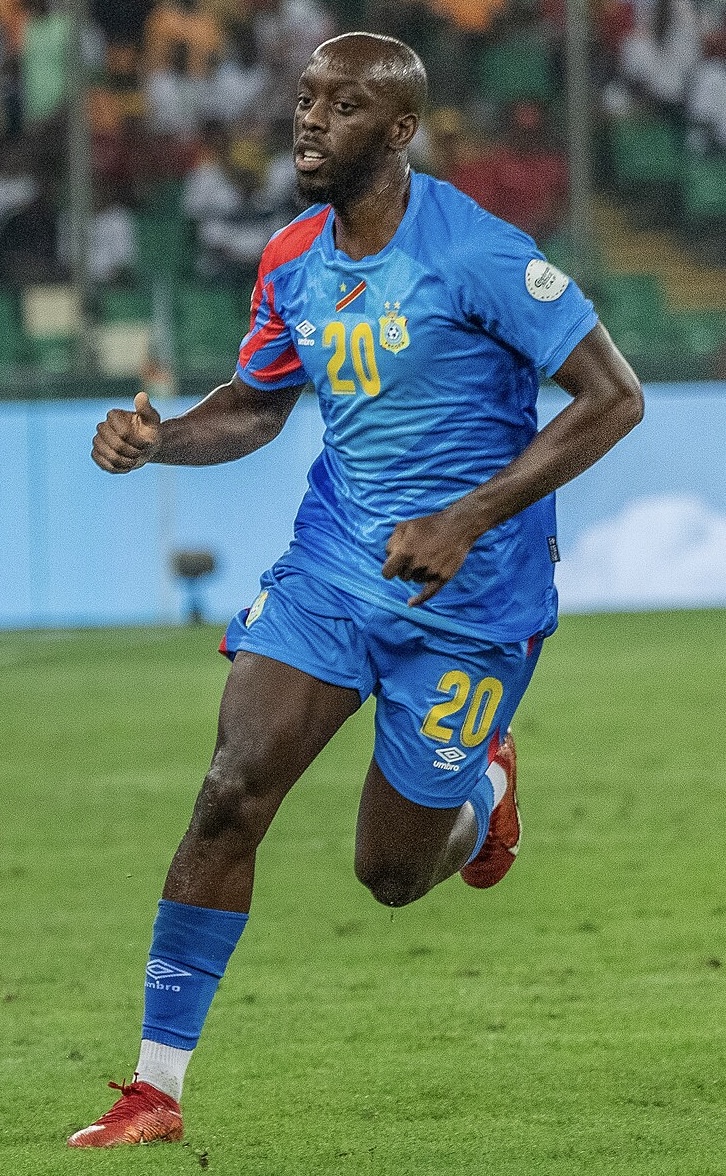
The face of this team is Yoane Wissa, and his journey says a great deal about how the modern Leopards were assembled. Born in France, Wissa built his name in the English Premier League at Brentford, where four seasons of sharp, relentless forward play made him one of the most underrated attackers in the division. In September 2025 the work paid off when Newcastle United signed him for a reported fifty million pounds plus add-ons, a fee that confirmed his arrival among the elite. An injury-disrupted debut season at St James’ Park could not dim the summer that followed. His estimated market value sits in the region of twenty-seven million euros, and on the World Cup stage he has been priceless, scoring against both Portugal and Uzbekistan.
Ad SpaceIn-Article - 300x250
Advertisement
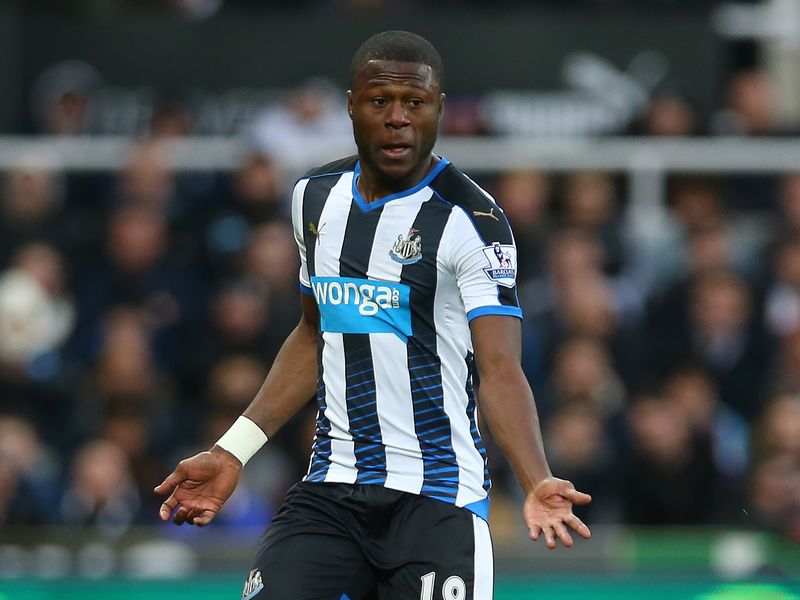
Behind him stands the spiritual leader, Chancel Mbemba. The centre-back, who now captains the side and plays his club football in France’s Ligue 1 with Lille, has been the constant through every defining moment of this rise. He scored against Guinea, struck the winners against Cameroon, and held his nerve from the spot against Nigeria. Now in his thirties and valued more modestly than his younger team-mates, with estimated wages reported around fifty thousand euros a week, Mbemba’s worth to this team cannot be measured in transfer fees. He is the bridge between the talent and the temperament.
Around that spine sits a squad scattered across Europe’s leagues, a roll-call of clubs that maps the Congolese footprint on the continental game. Cedric Bakambu, the experienced striker who once cashed in on a lucrative move to China before returning to Spain with Real Betis, brings a goalscorer’s calm. Silas Katompa Mvumpa, the explosive winger who joined Bundesliga side Mainz in January 2026, offers pace and directness. Arthur Masuaku, the left-sided defender now at French club Lens, has supplied moments of magic from set-pieces and open play alike. Theo Bongonda adds firepower from his base in Russia, and the veteran Gael Kakuta, once the teenage prodigy English clubs fought over and now plying his trade in Greece at thirty-five, gives the squad a craft and a memory of long campaigns. Estimated squad market values stretch into the tens of millions, but the real value, as Desabre understood, was in fusing these scattered careers into a single national purpose.
The diaspora reshaping European football
Here is the part of the Congolese story that often goes untold: for every player wearing the Leopards’ shirt, there is another with Congolese blood who chose, or whose family chose, a European flag. The DR Congo diaspora has quietly become one of the most important talent pipelines in world football, and nowhere is that clearer than in Belgium, the former colonial power that ruled the Congo until 1960.
Romelu Lukaku, one of the most prolific strikers of his generation and a fixture of Belgium’s celebrated golden era, was born in Antwerp to Congolese parents. His father, Roger Lukaku, was a professional footballer capped at international level by Zaire, which means the family has now spanned both the green ghosts of 1974 and the modern European elite. Vincent Kompany, the former Manchester City captain turned coach, was born to a Congolese father. Divock Origi, the man whose goals won Liverpool a Champions League, carries African heritage through his family. Youri Tielemans, a midfield mainstay for Belgium, has a Congolese mother. At one recent World Cup, close to half of Belgium’s squad traced their roots to Africa, with the Congo featuring prominently in that lineage.
France too has drawn on Congolese blood. Goalkeeper Steve Mandanda, a long-serving member of the Les Bleus squad, was born in Kinshasa before building his career and international future in France. The pattern repeats across Europe, a generation of children of Congolese migrants who grew up in Brussels and Paris and Lyon and became the stars of other nations. For years this felt like a loss, a steady drain of talent that might have worn the Leopards’ colours. The current rise reframes it. Desabre and the federation have leaned hard into the diaspora, persuading France-born players such as Wissa to commit their futures to the country of their parents, and the World Cup run is the proof of what that strategy can build. The talent was never gone. It just needed a reason to come home.
What the rise means back home
It is difficult to overstate what a World Cup means to a country like the Democratic Republic of Congo. This is a nation of more than one hundred million people, immensely rich in mineral wealth yet scarred by decades of conflict, particularly in its eastern provinces. Football here is not a diversion. It is one of the few arenas in which the entire country, across its hundreds of ethnic groups and its sprawling distances, can stand together and feel like one thing.
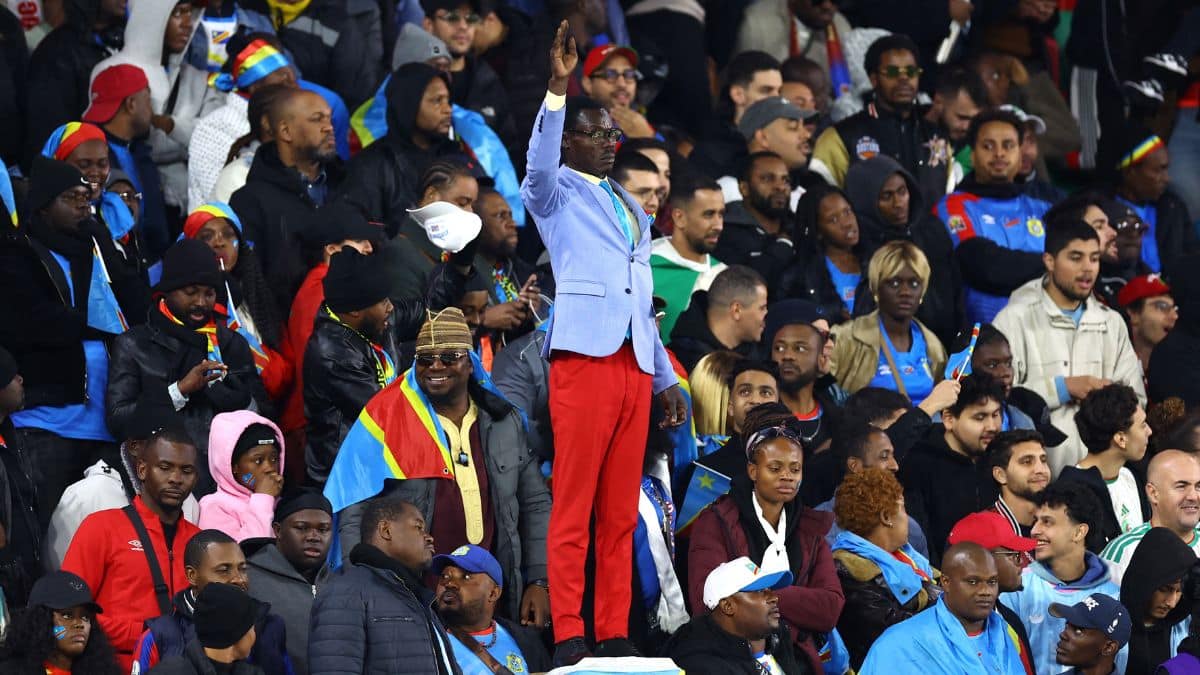
When Mbemba scored against Nigeria to seal qualification, the celebrations in Kinshasa spilled into the streets through the night. When Wissa headed in against Portugal, fans crammed into viewing centres and bars roared in unison at a result against a European giant featuring one of the most famous footballers alive. For a population that has known too much hardship, the Leopards offer something simpler and rarer: pride that requires no qualification, a team that belongs entirely to them, competing on the biggest stage there is and refusing to be embarrassed.
There is a generational dimension too. The children watching Wissa and Mbemba now will grow up with proof that a Congolese footballer can be sold for fifty million pounds, can captain a side at the World Cup, can score against Portugal. The 1974 generation grew up under a dictator who weaponised the game for his own image and abandoned the players when it mattered. This generation is watching a team that earned its place through penalty shoot-outs and stoppage-time goals, that travelled to North America and held its nerve. That difference, between a nation’s footballers being used and a nation’s footballers being celebrated, is the whole story of these fifty-two years.
The Leopards write their own ending
The wider African dream is woven through every thread of this. The continent sent a record number of teams to the expanded 2026 World Cup, and DR Congo’s run is part of a broader assertion that African football is no longer content to arrive and applaud the established powers. The Leopards have done more than arrive. In Group K they drew with Portugal, beat Uzbekistan 1-0 through Wissa with a Masuaku assist, and lost narrowly to a strong Colombia side by a single Daniel Munoz goal. Four points was enough. They finished second in the group, above Portugal, and advanced to the round of 32.
That progression is not the soft consolation of a plucky underdog. It is a team of European-tested professionals, marshalled by a coach who knew exactly what he was building, doing what fifty-two years of Congolese footballers had been denied the chance to do. Mwepu Ilunga kicked a free-kick away in fear in 1974 and was laughed at for forty years. Yoane Wissa rose for a header in Houston in 2026 and silenced a stadium. Between those two moments sits the entire arc of a footballing nation, and as the Leopards prepare for the knockout rounds, the green ghosts have finally been put to rest by men in fresh colours who came to win.
Ad SpaceIn-Article - 300x250
Advertisement
Share
Get the recap
Loved this story? Get more like it.
Join readers who get our weekly entertainment recap - the stories worth your time, delivered every Friday.
No spam. Unsubscribe anytime. By signing up you agree to our Privacy Policy.