Daveigh Chase Biography: Early Life, Career, Net Worth, Death & Legacy
Arianne Cole··16 min read
Ad SpaceArticle Top - 728x90
Advertisement
Some careers are defined by a single unforgettable moment. Daveigh Chase had at least two of them, and she achieved both before she was a teenager. As the sweet, spirited voice behind Lilo in Disney’s Lilo & Stitch and the chilling, otherworldly face of Samara in the horror blockbuster The Ring - both released in 2002 - she accomplished something that most actors spend entire lifetimes chasing: she made audiences feel something profound. She made them laugh, she made them cry, and she made them afraid to walk past their own television sets. That kind of range, demonstrated so early and so convincingly, announced the arrival of a genuinely extraordinary young talent.
The entertainment world received devastating news when Daveigh Chase passed away at the age of 35, sending shockwaves through Hollywood and drawing an enormous outpouring of grief from fans who had grown up watching her work. For a generation raised on the warmth of Lilo & Stitch and the psychological dread of The Ring, the loss is deeply personal. Those films are not mere nostalgia - they are cultural touchstones, and Chase’s contributions to both are inseparable from their enduring power. Her death has prompted a widespread reexamination of her career, her struggles, and the remarkable body of work she left behind.
This biography aims to present the full picture of Daveigh Chase - the gifted child performer who captivated Hollywood, the young woman who navigated the turbulent aftermath of early fame, and the complex human being behind the iconic roles. From her childhood in Las Vegas to the heights of mainstream Hollywood success, and through the quieter, more difficult years that followed, hers is a story that deserves to be told with care, honesty, and the depth it commands.
Quick Facts / At a Glance
Category
Details
Full Name
Daveigh Elizabeth Chase
Date of Birth
July 24, 1990
Place of Birth
Las Vegas, Nevada, USA
Nationality
American
Profession
Actress, Singer, Voice Actress
Known For
Voice of Lilo in Lilo & Stitch (2002), Samara in The Ring (2002), Rhonda Volmer in Big Love (HBO)
Net Worth (Estimated)
Estimated at approximately $500,000 - $1 million at peak career (figures unverified)
Early Life and Background
Daveigh Elizabeth Chase was born on July 24, 1990, in Las Vegas, Nevada - a city that, for all its glittering spectacle, is perhaps not the most conventional launching pad for a Hollywood career. She was raised in a supportive family environment that recognized and actively encouraged her creative gifts from a very young age. Her parents identified early on that their daughter possessed an unusual combination of natural expressiveness, vocal ability, and an almost instinctive comfort in front of audiences. These qualities, rare in any child, would eventually become the foundation of a career that reached remarkable heights within just a decade of her birth.
From early childhood, Chase demonstrated a passion for performance that extended well beyond the average child’s enthusiasm for school plays and talent shows. She showed genuine interest in singing and dancing alongside acting, and her family supported her in pursuing training across all three disciplines. This well-rounded approach to the performing arts gave her a versatility that would serve her well in Hollywood, where the ability to move between live-action drama, voice work, and musical performance is a genuine professional asset. Her early training instilled a discipline and a work ethic that helped her transition into professional work far more seamlessly than many child performers manage.
Growing up in Las Vegas also meant that Chase was, from an early age, surrounded by the mechanics of entertainment - live performance, stagecraft, and the business of show business were embedded in the culture of her hometown in ways that simply do not apply to most American cities. Whether or not that environment directly shaped her ambitions, it arguably made the idea of a professional performance career feel less distant and more attainable than it might have elsewhere. By the time she began pursuing acting opportunities in earnest, she carried with her a self-assurance and a sense of readiness that set her apart from peers of the same age.
Details about Chase’s formal education remain relatively private, as was characteristic of her general approach to her personal life. What is known is that her career trajectory required the kind of flexibility and accommodation that many child performers rely upon - a combination of on-set tutoring and more conventional schooling, structured around the demands of an increasingly active professional schedule. Like many young actors who find early success, the traditional rhythms of childhood and adolescence were, to a significant degree, shaped and sometimes interrupted by the demands of a career that was already gathering considerable momentum before she reached her teenage years.
Career Beginnings
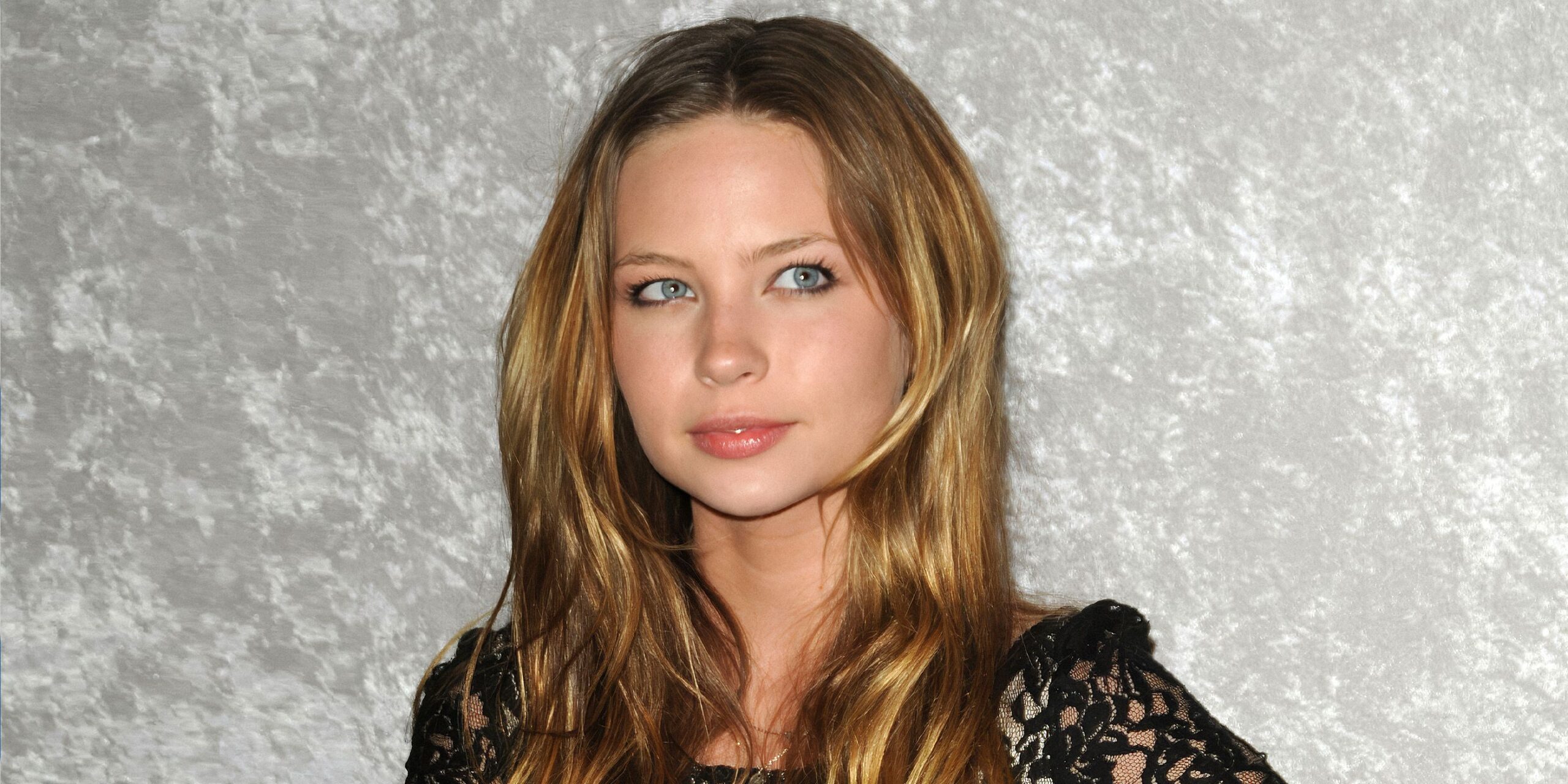
Image: Alamy
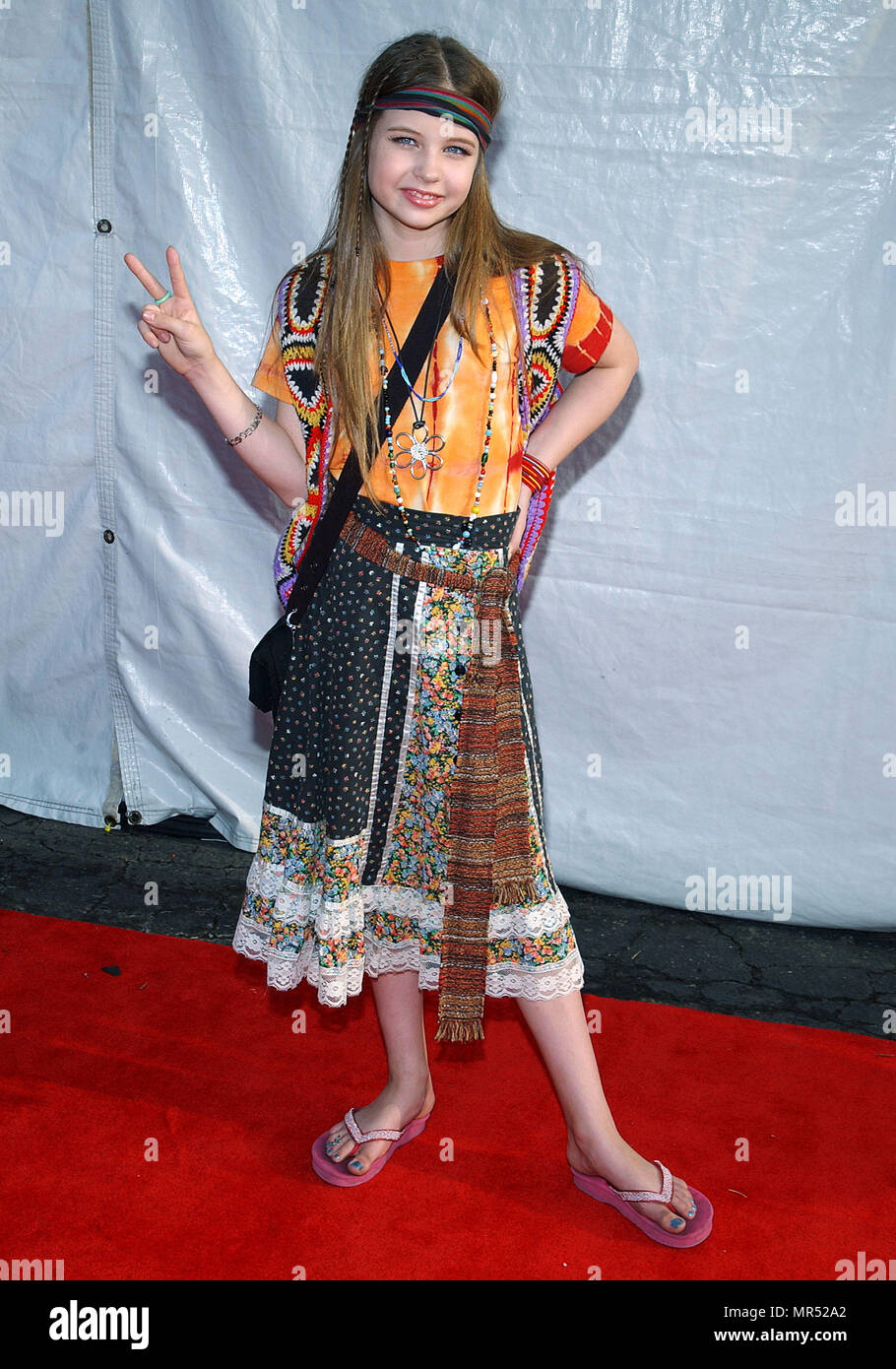
Daveigh Chase made her first forays into professional entertainment in the late 1990s, initially building a resume through television commercials and small guest roles that, while modest in scope, gave her invaluable on-set experience. The path of most child actors who eventually break through to major roles typically runs through exactly this kind of foundational work - auditions, callbacks, bit parts, and the gradual accumulation of credits that demonstrate reliability and consistency to casting directors. Chase moved through this early phase with apparent confidence, and those who worked with her during this period reportedly noted her unusual focus and her ability to take direction with a maturity beyond her years.
Her television work during this formative period included guest appearances on several series, helping her develop the on-screen presence that would eventually translate into more substantial opportunities. Guest roles on established shows serve a dual purpose for young actors: they build technical skill under professional conditions, and they place a performer in front of casting professionals who remember faces and names when larger projects arise. Chase made enough of an impression in these early appearances to keep her in consideration for increasingly significant parts, and her range - even at a young age - made her a compelling candidate for roles that required real emotional commitment rather than simply a photogenic face and the ability to hit a mark.
By the early 2000s, Chase had established herself as a legitimate presence in the competitive world of child acting, with a growing list of credits and a reputation for professionalism that belied her age. It was during this period that the auditions and opportunities began to arrive that would fundamentally change the scale and nature of her career. The combination of her vocal gifts, her emotional expressiveness, and her physical presence - particularly the striking, dark-featured quality that would make her so unforgettable in The Ring - meant that she was being considered for projects of a very different caliber from the guest spots and commercials that had built her early career.
Rise to Fame
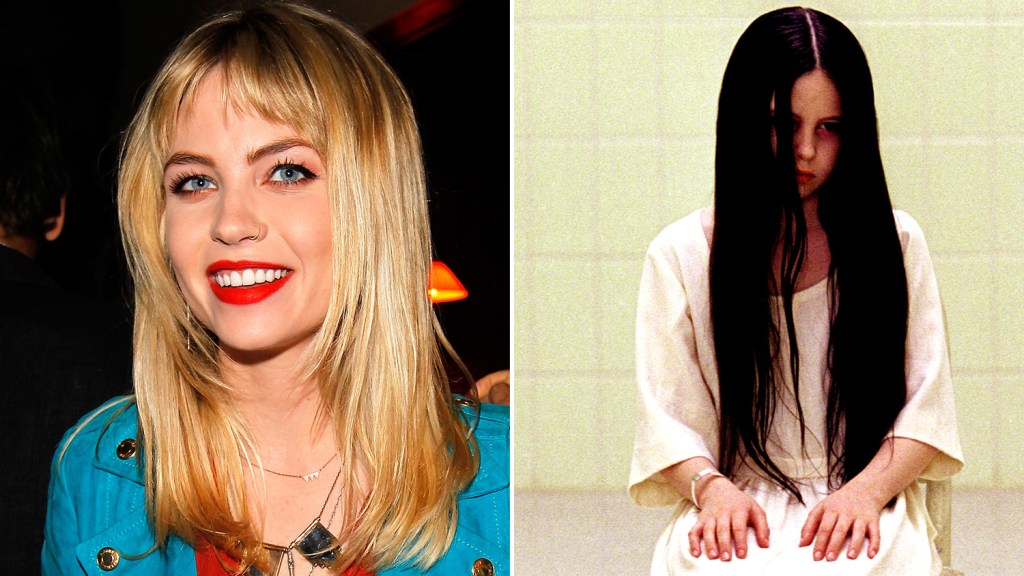
Image: Variety
The year 2002 stands as one of the most remarkable single-year breakouts in the history of child performance in Hollywood. In that one calendar year, Daveigh Chase delivered two performances in two completely different genres that would each, independently, have been sufficient to define a career. That she achieved both simultaneously - voicing the lead character in a major Disney animated feature while simultaneously starring as one of the most frightening antagonists in mainstream horror cinema - was an achievement so unlikely that it borders on the extraordinary. It spoke not just to her talent, but to an almost uncanny ability to inhabit entirely different emotional and creative registers.
Lilo & Stitch, released by Walt Disney Animation in the summer of 2002, was an immediate critical and commercial success, and Chase’s voice performance as Lilo Pelekai was widely recognized as central to the film’s emotional power. Lilo is not a simple or straightforward character - she is lonely, grieving, fiercely imaginative, and stubbornly herself in a world that does not always understand her. Bringing that character to life required a voice actress capable of conveying genuine vulnerability alongside defiant humor, and Chase delivered both with a naturalness that made Lilo feel utterly real. The film went on to earn hundreds of millions of dollars worldwide and generated a franchise that continued for years, with Chase returning to voice Lilo in the subsequent animated series and direct-to-video films.
Just months after audiences fell in love with her as Lilo, Chase appeared in The Ring - the American adaptation of the Japanese horror film Ringu - as Samara Morgan, a terrifying supernatural figure whose image became one of the defining visual icons of early 2000s horror. The role demanded something completely unlike the warmth of her Disney work: a cold, otherworldly menace conveyed largely through physicality and presence rather than conventional performance techniques. Chase rose to the challenge in a way that stunned critics and audiences alike. Her portrayal of Samara was disturbing precisely because it felt genuinely inhuman, and the film went on to become a massive box office hit, grossing over $249 million worldwide against a reported production budget of approximately $48 million.
The simultaneous success of both films created a cultural moment that was genuinely unique. Audiences found themselves in the surreal position of hearing the same young actress bring joy and laughter to cinema screens in one film and profound dread in another - sometimes within the same week, depending on their viewing habits. Entertainment journalists and critics took notice, and Chase found herself positioned as one of the most talked-about young performers in Hollywood. The dual breakthrough generated a level of mainstream attention that very few child actors ever experience, and it raised enormous expectations for the trajectory of her career in the years to come.
Her rising profile was further consolidated by her casting in HBO’s critically acclaimed drama series Big Love, which premiered in 2006. Chase played Rhonda Volmer, a recurring character within the series’ complex exploration of a polygamist family navigating life on the margins of mainstream American society. The role placed her alongside a distinguished adult cast and demonstrated that her talents were not confined to the spectacular or the fantastical - she could hold her own in the grounded, character-driven world of prestige television drama. Big Love ran for five seasons and earned consistent critical praise, and Chase’s contributions to the series added a meaningful new dimension to a career that had already proven itself in animation, live-action film, and now long-form television storytelling.
Ad SpaceIn-Article - 300x250
Advertisement
Major Career Achievements
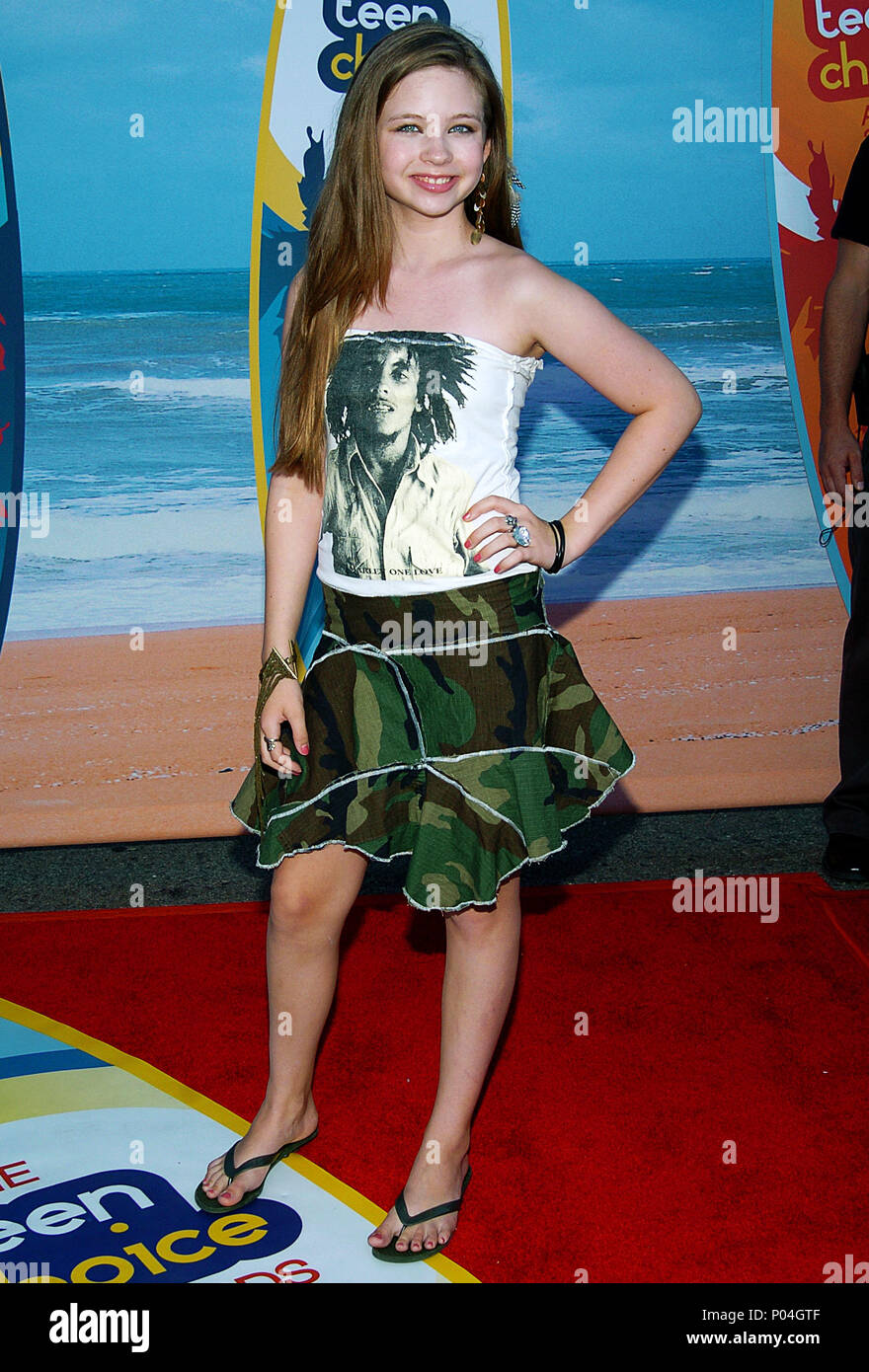
Image: Deadline
When measuring Daveigh Chase’s career achievements, it is impossible to separate the sheer breadth of her work from the extraordinary circumstances under which she accomplished it. She delivered two defining performances in the same calendar year - 2002 - that would have been the envy of any actress twice her age. Voicing Lilo in Disney’s Lilo & Stitch required not just vocal talent but genuine emotional depth, and Chase delivered a character who felt real, funny, lonely, and fiercely loving all at once. The film was a massive commercial success, grossing over $273 million worldwide against a production budget of approximately $80 million, and it launched one of Disney’s most enduring modern franchises. Chase’s vocal performance was widely credited as the emotional anchor of the film, giving Lilo a spirited authenticity that resonated with children and adults alike.
That same year, Chase stepped into entirely different territory with The Ring, the American adaptation of the Japanese horror phenomenon Ringu. Playing Samara Morgan - the pale, hollow-eyed girl at the center of the film’s supernatural terror - Chase delivered one of the most genuinely unsettling child performances in horror history. The film was a box office phenomenon, earning over $249 million worldwide and revitalizing the American taste for atmospheric, psychological horror. Directors and film critics frequently noted that Chase’s physical commitment to the role, including the now-iconic crawling sequence, was achieved largely through her own movement and expression rather than relying entirely on digital effects. It remains one of the most memorable horror performances ever given by a young actor.
Beyond those two landmark roles, Chase continued building a respectable body of work across television and film. Her recurring role as Rhonda Volmer in the HBO drama series Big Love - which ran from 2006 to 2011 - demonstrated her ability to sustain a complex, morally ambiguous character across multiple seasons. Rhonda was a manipulative and unsettling young woman living within a polygamist family structure, and Chase played her with a calculated, unnerving intelligence that earned the show critical praise. It was the kind of supporting role that other actors might have played safely, but Chase brought an unpredictability to Rhonda that made every scene she appeared in genuinely tense.
Chase also lent her voice to the English dub of Hayao Miyazaki’s Oscar-winning masterpiece Spirited Away, voicing the lead character Chihiro for the American release distributed by Disney. The film went on to win the Academy Award for Best Animated Feature in 2003, making Chase part of an Oscar-winning production at just twelve years old. While voice acting in a dub is a different creative process than originating a role, the fact that her voice carries one of the most celebrated animated films in cinema history is a remarkable distinction. Together, her contributions to Lilo & Stitch, The Ring, Spirited Away, and Big Love represent a career highlight reel that most actors spend decades attempting to build.
Personal Life and Relationships
Daveigh Chase’s personal life was, by most accounts, a story shaped heavily by the pressures of early fame and the difficult transition from child stardom into adulthood - a transition the entertainment industry handles poorly for almost everyone who attempts it. Born and raised in Las Vegas, Nevada, she grew up in an environment that was both supportive of her performing ambitions and, ultimately, far removed from the carefully managed world of Hollywood child stardom. Her mother, Linda Chase, was closely involved in her early career management and remained a significant figure in her life. The entertainment industry tends to compress childhood in ways that are difficult to fully appreciate from the outside, and Chase was no exception to that pattern.
In terms of Daveigh Chase’s personal life and relationships, relatively little was ever confirmed through official channels, as Chase largely retreated from the public eye following the peak years of her fame. She was at various points linked to individuals outside the entertainment industry, and she made occasional returns to social media over the years that gave fans glimpses into her adult life. Those glimpses were sometimes joyful and sometimes concerning to the people who had grown up watching her work. She spoke at times about the difficulties of being recognized for roles she had played as a child, and the particular strangeness of having Samara from The Ring be such a persistent part of her public identity long into adulthood.
It was reported in earlier years that Chase faced personal struggles that included legal difficulties and challenges related to her health and wellbeing. These reports, which circulated primarily through entertainment news outlets in the 2010s, painted a picture of someone navigating a very difficult chapter of life largely out of the spotlight. It would be reductive and unfair to allow those reports to define the totality of who she was as a person - they represent a period, not a permanent state, and many people who knew her personally spoke warmly of her humor, her sensitivity, and her genuine artistic instincts. The full complexity of her personal journey deserves to be held alongside, not overshadowed by, the professional brilliance she demonstrated so early in life.
Net Worth and Business Ventures
Estimating Daveigh Chase’s net worth with any real precision is difficult given the limited financial disclosure available for former child actors and the significant gaps in her professional activity over the years. At the height of her career in the early 2000s, she was working on major studio productions and a prestige cable drama, which would have generated meaningful income for a performer of her profile. Various entertainment finance sources estimated Daveigh Chase’s net worth at various points in the range of several hundred thousand dollars, though those figures were always speculative rather than verified. Child actors in particular often face complicated financial histories, including cases where earnings were mismanaged or depleted before they reached adulthood - a well-documented problem in the industry that prompted California’s Coogan Law reforms.
There is no substantial public record of Chase having pursued significant business ventures or brand partnerships of the kind that many former child stars have used to rebuild financial stability in adulthood. Her professional activity in the latter part of her career was sporadic, with occasional smaller film and television appearances rather than the kind of consistent output that generates reliable income streams. Some former child actors of her generation successfully transitioned into producing, directing, or entrepreneurial work, but Chase did not appear to have taken that route publicly. What remains clear is that her legacy is cultural and artistic rather than commercial - her value to audiences was always about the emotional and creative impact of her performances rather than any business enterprise built around her name.
Interesting Facts and Trivia
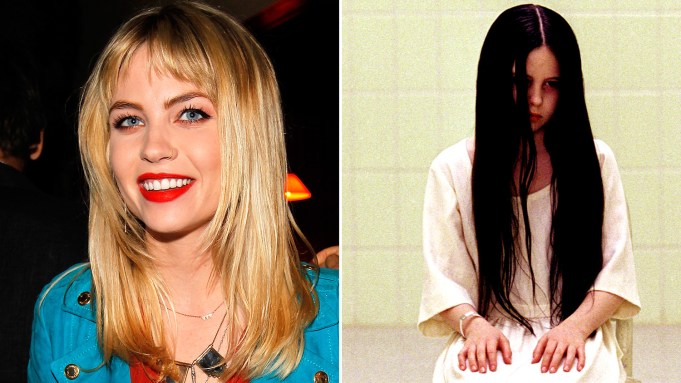
Image: Interview Magazine
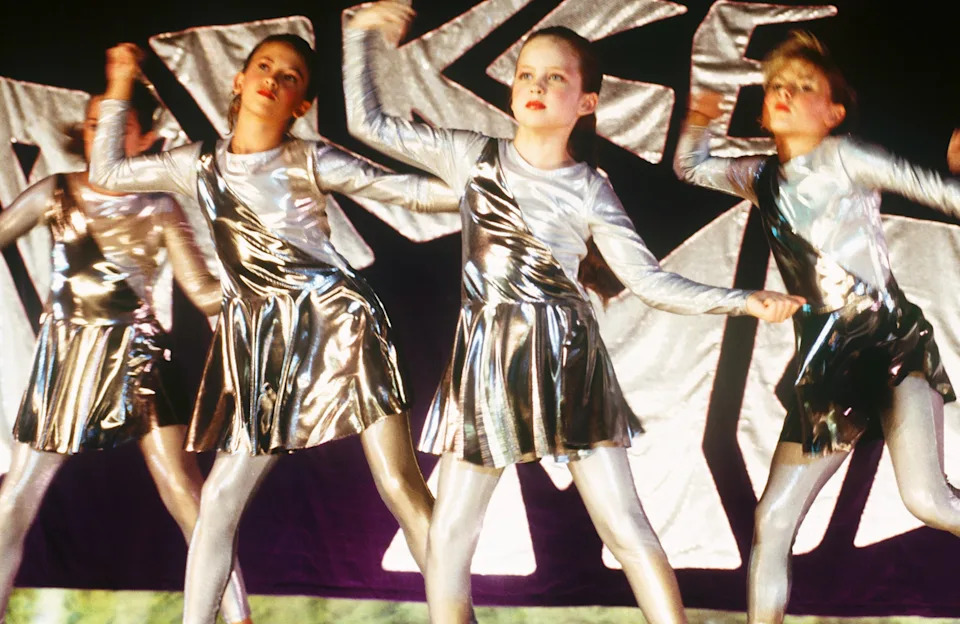
For those who have followed Daveigh Chase’s career closely, there are layers of interesting detail that go beyond the headline roles. She was a trained dancer and singer before she became an actress, which informed the physical and expressive quality she brought to even her earliest performances. That training was evident in the way she inhabited characters physically - Lilo’s bouncy, awkward energy and Samara’s grotesque, fluid movement both required a body awareness that goes beyond simple acting technique. It is one of the things that distinguished her early work and made both performances feel so specific and so memorable to audiences who encountered them at an impressionable age.
Perhaps one of the most striking pieces of trivia surrounding Daveigh Chase is the sheer cultural range of her two most famous roles. Lilo and Samara exist at almost opposite poles of the emotional spectrum - one a symbol of warmth, belonging, and the healing power of found family, the other a symbol of dread, isolation, and inescapable horror. That a single performer brought both of those characters to life in the same year, at roughly ten years old, is an almost unprecedented achievement in terms of tonal range. Generations of children who grew up in the early 2000s were simultaneously comforted by Lilo and terrified by Samara, often without realizing the same girl was responsible for both.
Daveigh Chase was born on July 24, 1990, in Las Vegas, Nevada.
She began performing in dance competitions and local theater productions before transitioning to on-screen acting.
Her voice performance as Lilo in Lilo & Stitch (2002) helped make the film one of Disney’s biggest commercial successes of that era.
She voiced Chihiro in the English dub of Spirited Away, which won the Academy Award for Best Animated Feature at the 2003 Oscars.
Her portrayal of Samara in The Ring (2002) is frequently cited in lists of the most frightening performances in modern horror cinema.
She played Rhonda Volmer across multiple seasons of HBO’s critically acclaimed drama Big Love, from 2006 to 2011.
Despite her wide-ranging voice work, Chase also had a distinctive on-screen presence that directors found compelling from a very young age.
Legacy and Impact
Daveigh Chase’s legacy is one of the more quietly profound in early 2000s popular culture, precisely because it operates on so many different emotional registers at once. She was the voice behind one of Disney’s most beloved modern characters, a genuine source of comfort and joy for millions of children who grew up watching Lilo find her place in the world. She was simultaneously the face behind one of cinema’s most enduring nightmare images, a performance so effective that it lodged itself permanently in the cultural imagination. Very few performers at any stage of their careers manage to leave marks on both ends of that spectrum, and Chase did it before she was a teenager. That dual cultural footprint - warmth on one side, dread on the other - is a remarkably rare artistic legacy.
The conversation around child stardom and its long-term human costs is one that the entertainment industry continues to grapple with, and Daveigh Chase’s life and career will inevitably become part of that conversation. She was a genuinely exceptional talent who was asked to carry major studio productions at an age when most children are still in elementary school, and the pressures that come with that kind of early visibility are only now being more honestly examined by the industry and by the public. Her story is not simply a cautionary tale - it is a more complex portrait of a person with real gifts who moved through an extraordinarily difficult environment. The warmth and humor that people who knew her personally describe deserve to be part of how she is remembered alongside her professional accomplishments.
For fans of Lilo & Stitch, The Ring, and Big Love, the loss of Daveigh Chase at 35 is a genuinely painful reminder of how fragile the lives behind beloved performances can be. Her work will continue to be encountered by new audiences - children who discover Lilo for the first time, horror fans who finally sit down with The Ring on a dark night, and viewers who find Big Love through streaming platforms years after its original run. In all of those encounters, her talent will be the first thing those audiences meet, and it will hold up. That is ultimately what legacy means for a performer - not the circumstances of a life, but the work that survives it and keeps finding new people to move, delight, and genuinely terrify.
Ad SpaceIn-Article - 300x250
Advertisement
Share
Get the recap
Loved this story? Get more like it.
Join readers who get our weekly entertainment recap - the stories worth your time, delivered every Friday.
No spam. Unsubscribe anytime. By signing up you agree to our Privacy Policy.