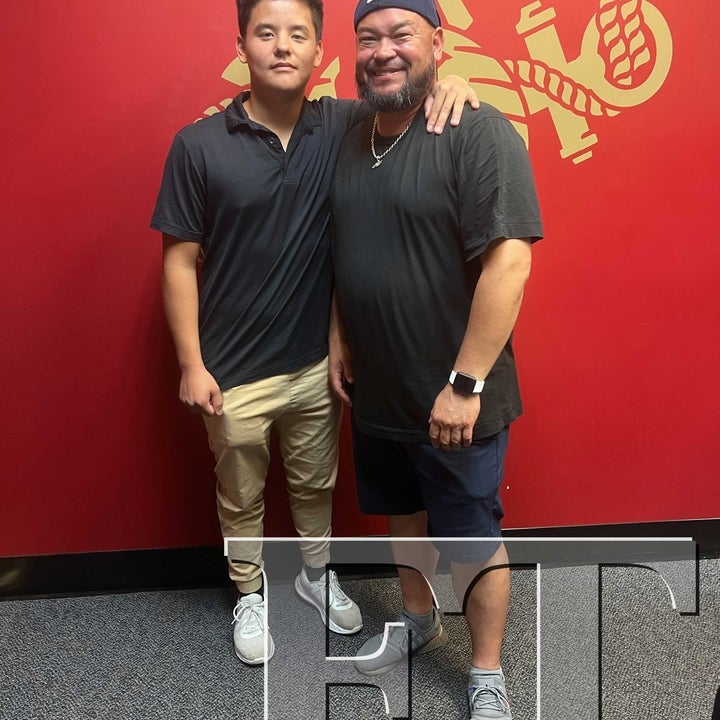
For millions of American households in the late 2000s, the Gosselin family was appointment television. Jon and Kate Plus 8, the TLC reality series that followed parents Jon and Kate Gosselin as they raised a set of twins and a set of sextuplets, was a cultural phenomenon at its peak - pulling in ratings that most cable networks could only dream about. The family was everywhere: magazine covers, talk show circuits, merchandise deals. To the outside world, it looked like a chaotic but loving household. What viewers were watching, however, was a carefully constructed version of family life, and one of those eight children is now old enough to tell a very different version of that story.
Image: IMDb
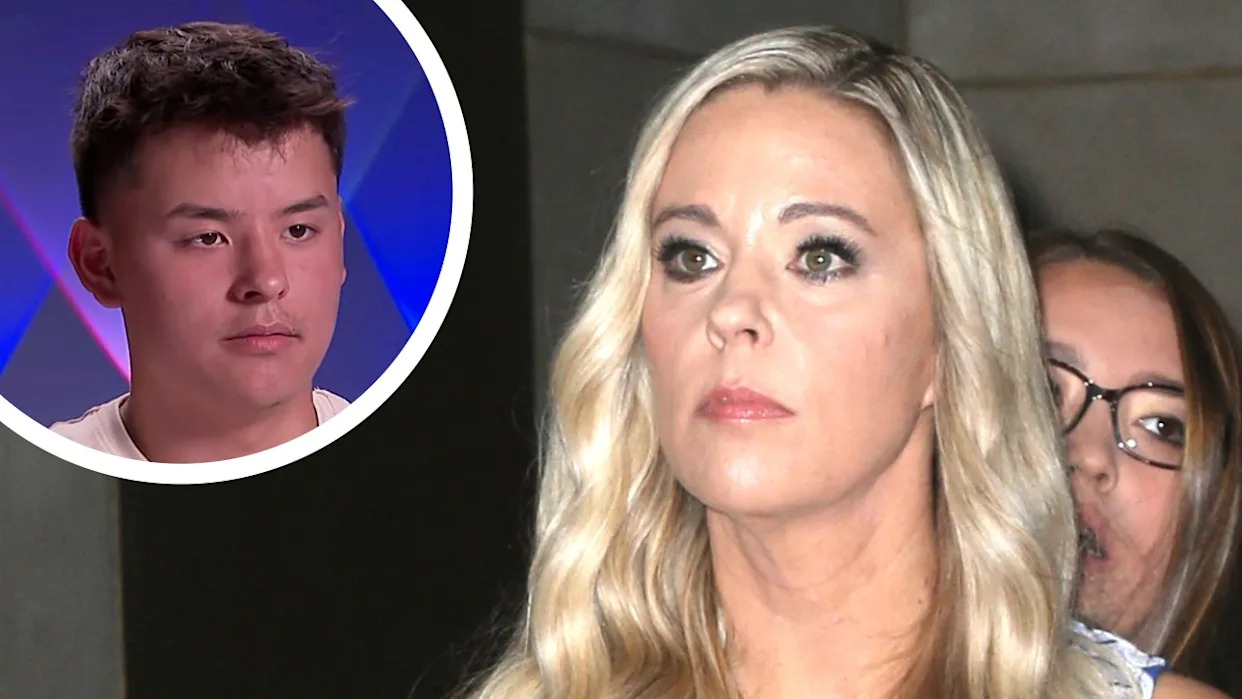
Collin Gosselin, now in his early twenties, has spent the last few years steadily stepping out of the shadow that reality television cast over his childhood. He has spoken in interviews, maintained a public presence alongside his father Jon Gosselin, and slowly begun to piece together a narrative that challenges the image his mother Kate Gosselin worked hard to project both on camera and off. His story is not a feel-good reunion arc. It is, by his own account, a reckoning with a childhood marked by pain, isolation, and alleged abuse at the hands of the woman who was supposed to protect him most.
What Collin Is Alleging Against Kate
Collin Gosselin’s recent allegations are serious and deeply specific. Among the claims he has made publicly, one of the most striking involves what he describes as Kate praying to stop herself from hitting him - an admission, he suggests, that she was aware of her own behavior and its severity. This detail is particularly jarring because it frames the alleged abuse not as something Kate was oblivious to, but as something she reportedly struggled to control. Collin has described instances of physical violence that he says took place behind closed doors, far from the cameras that documented so much of his early life.
Image: AOL.com
What makes these allegations especially compelling from a public interest standpoint is the context in which they are being made. Collin is not a bitter teenager lashing out on social media. He is an adult who has clearly spent time organizing his memories, seeking perspective, and now presenting those experiences through the structured format of a memoir. He has spoken carefully and with noticeable emotional weight, which gives his account a credibility that goes beyond the usual celebrity family drama. These are not vague accusations - they are personal, detailed, and deeply uncomfortable to sit with.
The Memoir: In the Shadow of Eight
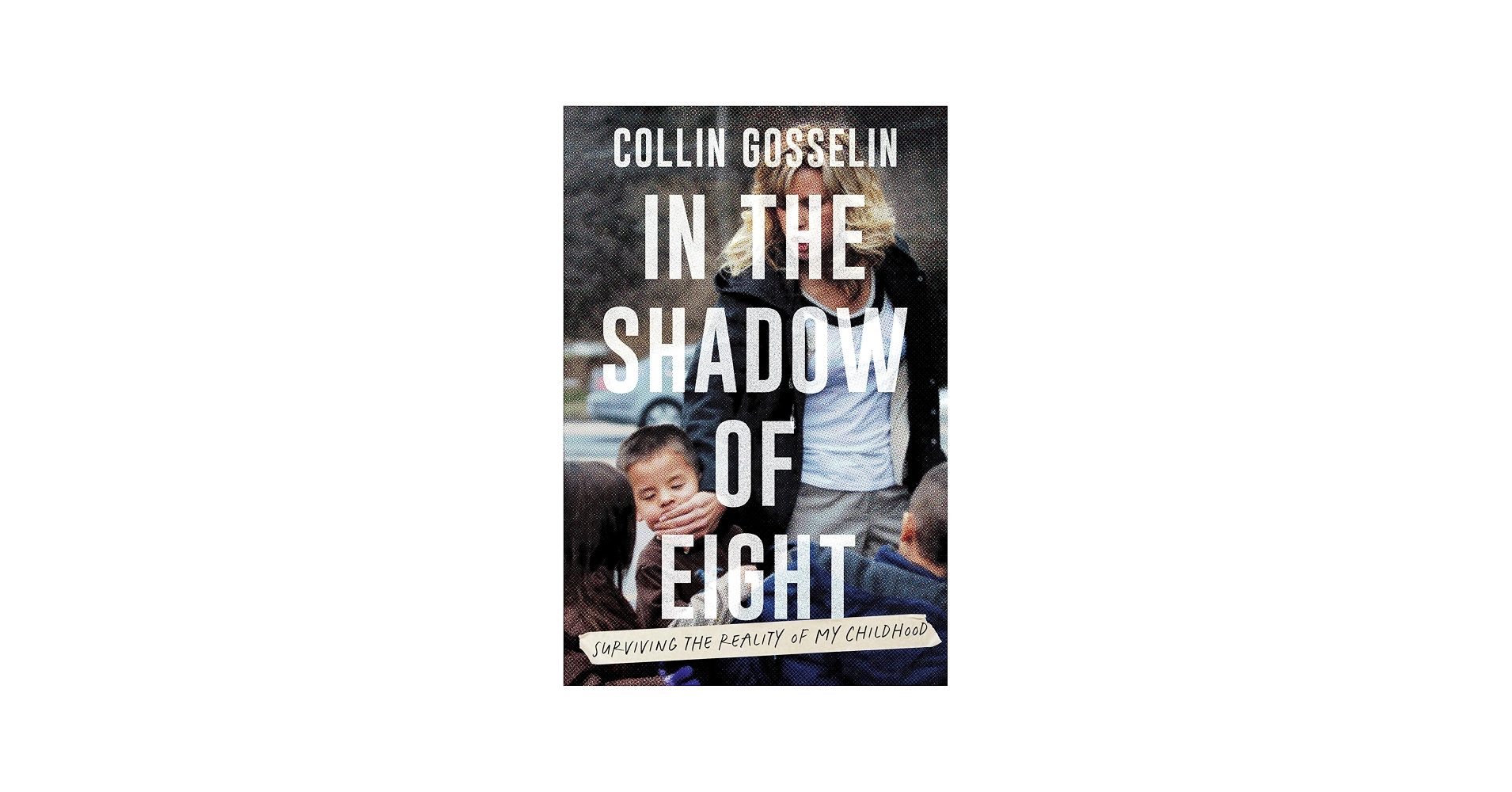
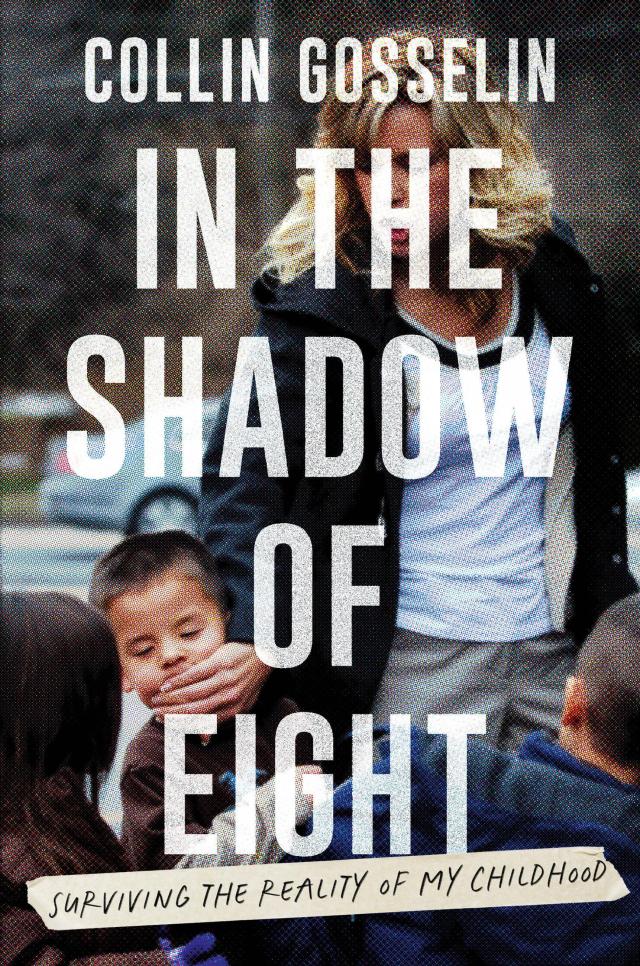
Collin’s upcoming book, titled In the Shadow of Eight: Surviving the Reality of My Childhood, is positioned to be one of the more significant celebrity memoirs of its kind - not because of its Hollywood glamour, but precisely because of its lack of it. The title itself is loaded with meaning. To grow up in a household of eight children, already under the microscope of a national television audience, and still feel invisible and endangered is a particular kind of pain. The “shadow” he refers to is not just the literal shadow of a large family - it is the shadow of a narrative that was controlled by adults, for adult purposes, while the children lived inside it.
Image: Hachette Book Group
Publishing a memoir at his age takes courage, and there is clearly a purpose behind it beyond simply settling scores. Collin has indicated that part of his motivation is to speak for children who find themselves in similar situations - kids who are visible to the public but invisible in terms of their actual wellbeing. The reality television industry has long faced criticism for how it handles child participants, and In the Shadow of Eight looks set to become a key reference point in that ongoing conversation. Whether the book ultimately shifts public policy or simply shifts public perception, it represents Collin taking full ownership of a story that was never really his to tell - until now.
Ad SpaceIn-Article - 300x250
Advertisement
The Troubled History Between Collin and Kate
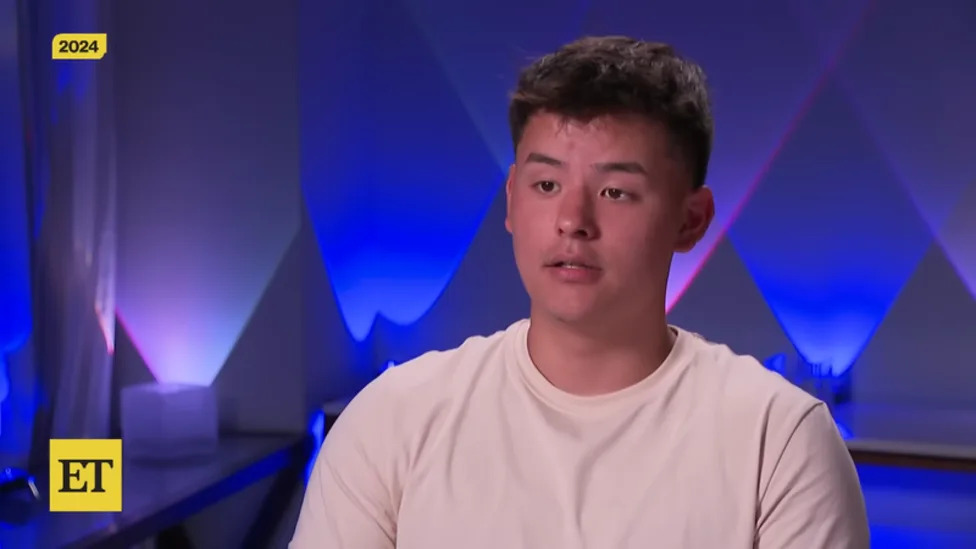
The tension between Collin and Kate Gosselin did not begin with this memoir. Their fractured relationship has been playing out in public, in fragments, for years. One of the most discussed chapters in this family’s history involves Collin being placed in a residential treatment facility when he was around twelve years old - a decision made by Kate, who cited behavioral issues. Collin and his father Jon have both pushed back on the framing of that decision, suggesting it was less about Collin’s needs and more about control. Jon eventually gained custody of Collin, and the two have maintained a close relationship since, often appearing together publicly and presenting a united front.
Image: Entertainment Tonight
The years Collin spent in that facility remain one of the most controversial aspects of the Gosselin family saga. He has described the experience as isolating and traumatic, and has noted that contact with his siblings and father was significantly restricted during that period. The placement came during a time when Kate was still a relatively prominent public figure, and critics at the time questioned whether adequate scrutiny was applied to the situation. Looking at it now, through the lens of what Collin is alleging in his memoir, those questions take on a sharper and more urgent edge. The pattern he is describing - of a parent using institutional and physical control to manage a child - is one that advocates for child welfare have long warned needs to be taken seriously when it surfaces in high-profile families.
Where Kate Gosselin Stands
Kate Gosselin, for her part, has largely retreated from public life over the past several years. After a string of solo reality projects that failed to capture the cultural moment she had during the peak of Jon and Kate Plus 8, she has been notably quieter. She has not, as of the time of writing, issued a substantive public response to the specific allegations Collin has raised in connection with his memoir. That silence is notable in itself, though it would be unfair to read too much into it without knowing whether legal considerations or other factors are shaping her communications strategy. Kate has, in the past, defended herself against criticism from both Jon and her children, often characterizing those disputes as one-sided or motivated by animus.
It is worth noting that Kate also has a complicated relationship with several of her other children, some of whom have spoken positively about her and others who have been more distant. The Gosselin children, now all adults or approaching adulthood, are navigating their individual relationships with both parents on their own terms. What Collin is doing is different from simply airing grievances - he is building a documented account, one that will exist permanently in the public record. For Kate, that represents a reputational challenge that cannot simply be waited out or dismissed with a brief statement. The memoir, once published, will stand independently of whatever either parent says about it.
Collin Gosselin’s Truth, On His Own Terms
There is something quietly powerful about watching someone reclaim a childhood that was essentially public property. Collin Gosselin grew up with cameras in his home, his tantrums and milestones and difficult moments broadcast to millions of people who felt they knew him. What those viewers never had access to was whatever allegedly happened when the cameras stopped rolling. In the Shadow of Eight is his attempt to fill in that gap - to say, clearly and in his own words, that the version of his family life Americans consumed as entertainment was not the full picture.
The conversation around child stars and reality television participants has grown significantly more serious in recent years, with documentaries, advocacy campaigns, and legal reforms all pushing the industry to reckon with how it treats its youngest subjects. Collin’s story lands directly in the center of that conversation. His willingness to put specific, personal, and damaging allegations on the record - under his own name, in a book he is publicly promoting - signals that he is not looking for sympathy so much as accountability. He is an adult man who was once a child on television, and now he is doing what reality TV never allowed him to do: telling the truth without a producer deciding what makes it to air.
Ad SpaceIn-Article - 300x250
Advertisement
Share
Get the recap
Loved this story? Get more like it.
Join readers who get our weekly entertainment recap - the stories worth your time, delivered every Friday.
No spam. Unsubscribe anytime. By signing up you agree to our Privacy Policy.