
Table of Contents
- The Debut That Started Everything
- The Song That Was Never Supposed to Be a Single
- Sixteen, Signed, and Deadly Serious About It
- What the Billboard Hot Country Songs Chart Meant in 2006
- From One Chart Entry to a Global Empire
- From “Tim McGraw” to the Eras Tour - the Full Circle of It All
The Debut That Started Everything
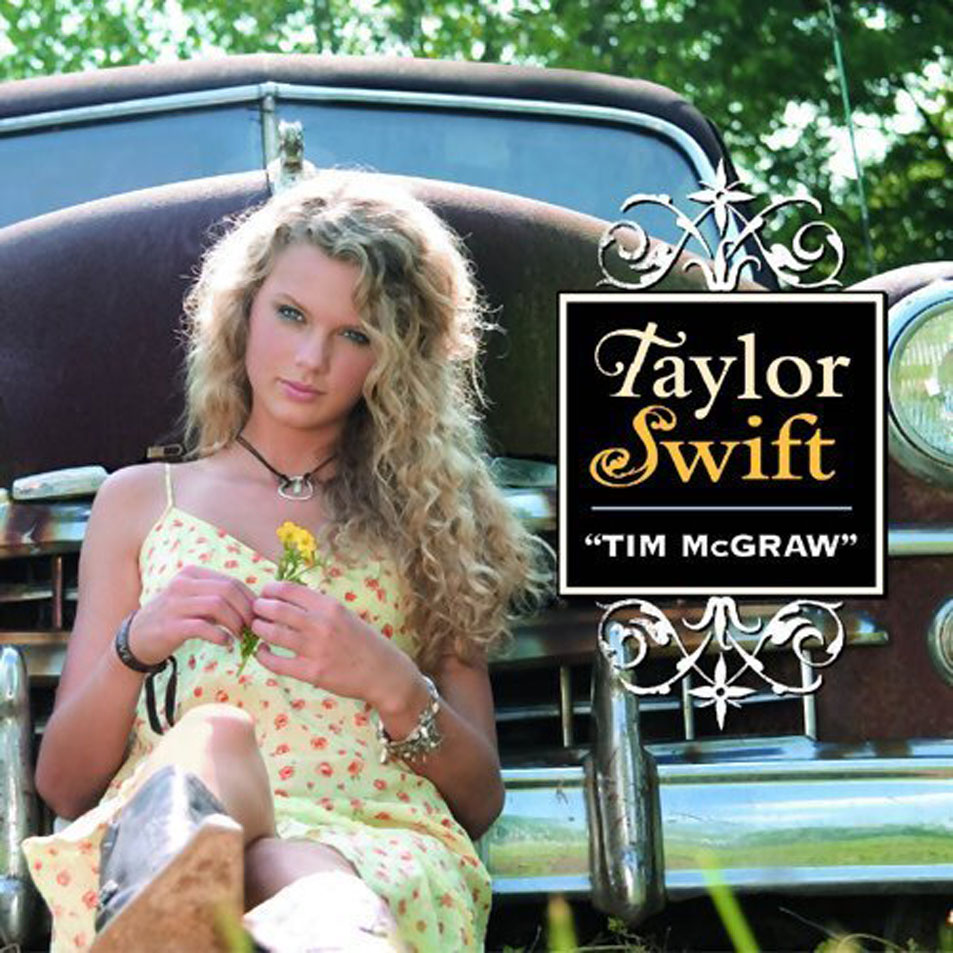
Eighteen years ago this July, a teenager from Wyomissing, Pennsylvania, walked onto the Billboard charts for the first time and quietly announced herself to the world. On July 1, 2006, “Tim McGraw” - the debut single from a then-unknown 16-year-old named Taylor Swift - entered the Billboard Hot Country Songs chart, kicking off what would eventually become one of the most extraordinary careers in modern music history. There were no red carpets that day, no sold-out stadiums, no friendship squads making tabloid headlines. There was just a song, a chart position, and a teenager who had already been working toward that moment for years. Looking back now, it feels almost impossibly humble for an origin story that would eventually produce a billionaire pop superstar whose concert tour became a measurable economic event.
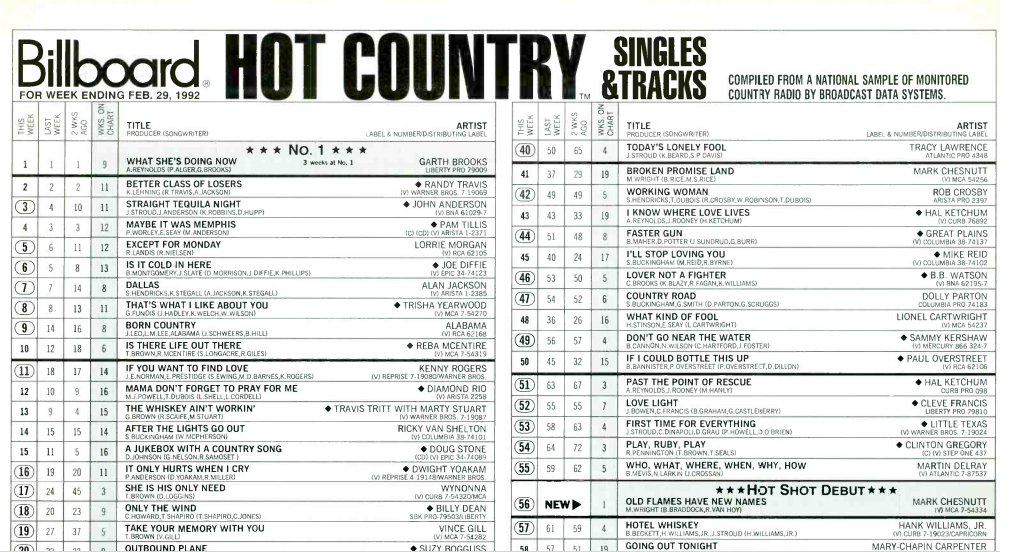
The song’s entry onto the Hot Country Songs chart was not a dramatic explosion - it was a quiet, confident arrival. “Tim McGraw” climbed steadily through the summer, eventually peaking at number 40 on that chart, and it spent an impressive 40 weeks on the listing before all was said and done. For a debut single from an artist with zero mainstream name recognition, that was a genuinely strong performance, and it signaled to anyone paying close attention in Nashville that something different was happening. The country music industry had seen teenage acts before, but Swift came in with something extra - she had co-written the song herself, and that detail mattered more than anyone could have anticipated at the time.
The Song That Was Never Supposed to Be a Single
“Tim McGraw” is one of those songs that feels both deeply personal and universally relatable all at once, which is exactly why it worked. Swift wrote it during her freshman year of high school, sitting in a math class, thinking about her then-boyfriend who was headed off to college while she stayed behind. The idea was simple but emotionally precise - she wanted him to think of her when he heard a Tim McGraw song on the radio. That premise, rooted in the specific texture of young heartbreak and small-town summers, resonated immediately with country audiences who recognized themselves in every lyric. It was not a song manufactured by committee in a Music Row office. It felt like a real diary entry, and listeners knew the difference.
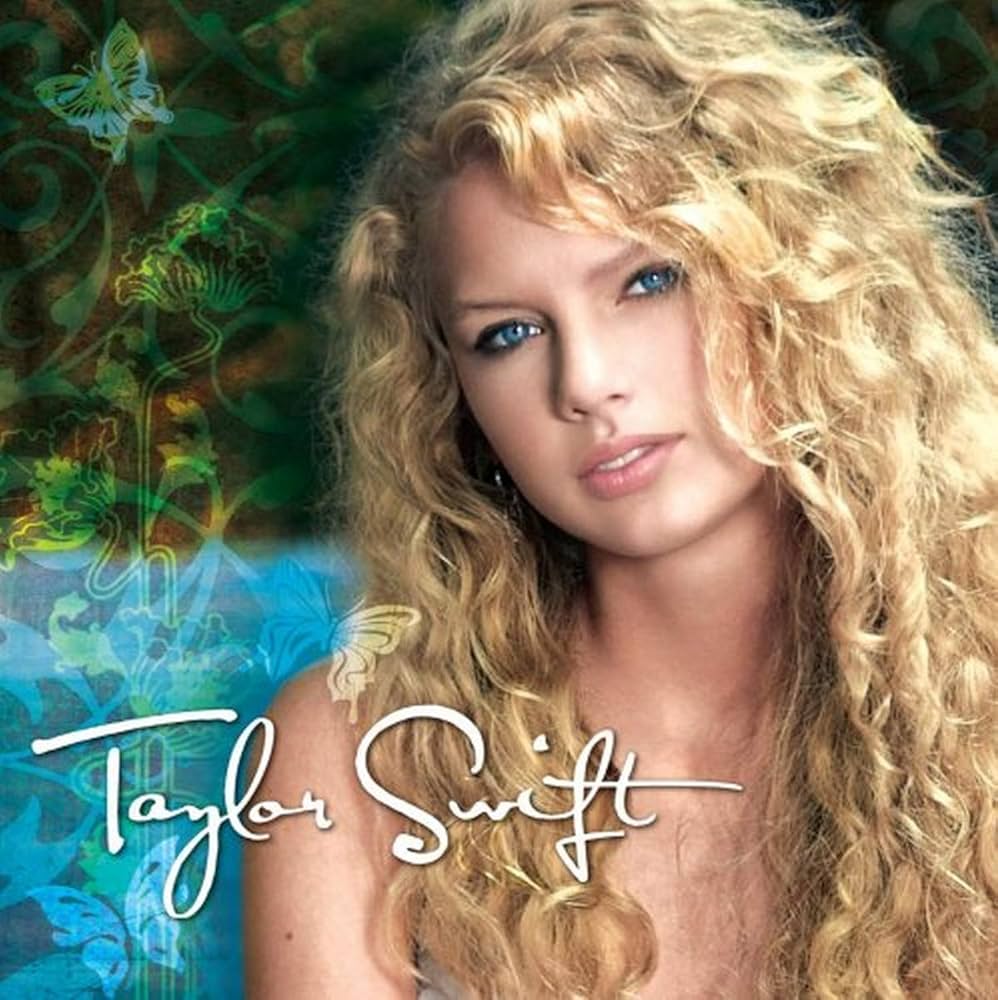
What made the whole situation even more remarkable is that Swift initially wrote the song without any certainty it would ever be released commercially. She wrote it for herself, as a keepsake for a relationship she knew was ending. But when she brought it to Scott Borchetta at Big Machine Records - the brand-new independent label that had signed her - both of them recognized they were holding something special. Borchetta took a significant gamble on Swift, launching his entire label largely around her career, and “Tim McGraw” was the first bet placed on that table. The fact that the song had not been workshopped or overly produced actually worked in its favor. It had an authenticity that slicker country products of the era often lacked.
Sixteen, Signed, and Deadly Serious About It
To understand why July 1, 2006 matters, you need to understand exactly who Taylor Swift was before that date. She had moved her entire family from Pennsylvania to Tennessee at 14 years old specifically to pursue a music career in Nashville, a city that had rejected her initial advances from major labels who thought she was too young. Rather than accept that verdict, Swift spent her early teenage years honing her craft, writing obsessively, playing every venue that would have her, and networking with industry veterans who recognized her drive even when they were not ready to bet money on it. She was not a child star pushed forward by a stage parent - she was the one pulling everyone else along. That level of self-possession at 14 and 15 years old is genuinely unusual, and it explains almost everything about what came after.
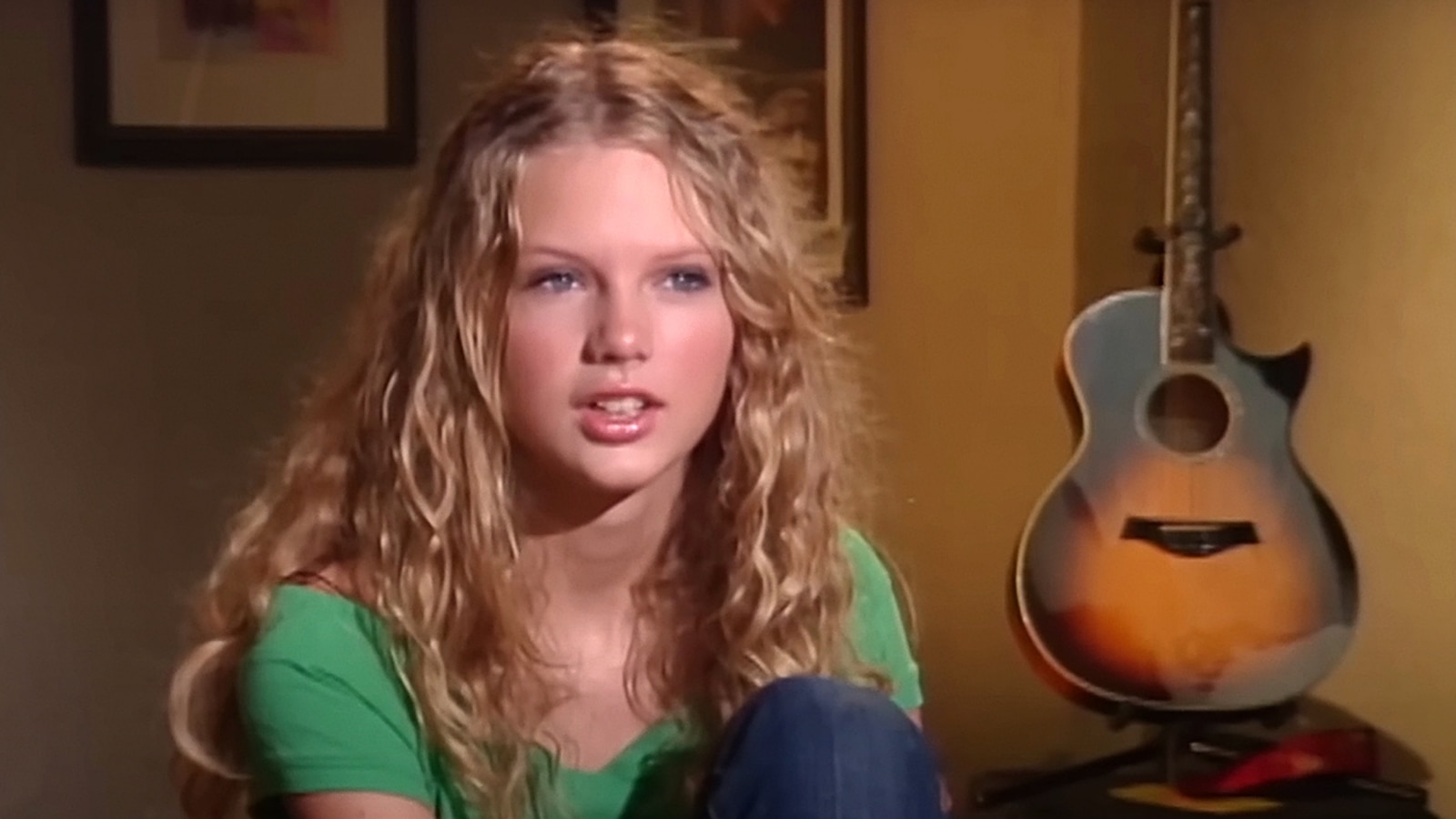
When Big Machine Records finally signed her, Swift was the label’s flagship artist by default since there were barely any other artists on the roster. That could have been a precarious position, but it turned out to be a gift in disguise. She had a level of creative control and personal investment in her career that artists signed to major labels with large rosters rarely experience. She co-wrote every song on her debut album. She had input into the rollout strategy. She was not a product being managed from the outside - she was a participant in every decision. That ownership mentality, forged at 15 and 16 years old, never left her, and it is one of the most defining qualities of her entire career trajectory.