
Table of Contents
- A New Collaboration Born from Shared Musical Vision
- The Artistic Evolution of Celeste Ojatula
- Dwin, The Stoic Brings Complementary Artistry
- Visual Storytelling That Matches the Music
- Looking Ahead to ‘Our Time In The Sun’
- The Broader Impact on Contemporary African Music
In an era where digital connections often substitute for physical presence, few artists have managed to capture the nuanced emotions of long-distance relationships with the authenticity that Celeste Ojatula and Dwin, The Stoic achieve on their latest collaboration “This Side of Love.” The track serves as more than just another entry in the growing catalog of contemporary African music - it represents a mature exploration of love’s complexities when geography becomes an obstacle. Released as the lead single from Ojatula’s upcoming EP “Our Time In The Sun,” the song demonstrates how two distinct artistic voices can harmonize to create something both deeply personal and universally relatable. The collaboration marks a significant moment for both artists, showcasing their ability to translate intimate experiences into compelling musical narratives that resonate across cultural and geographical boundaries.
A New Collaboration Born from Shared Musical Vision

The partnership between Celeste Ojatula and Dwin, The Stoic represents a meeting of complementary artistic sensibilities, each bringing distinct strengths to their shared musical canvas. Ojatula’s warm, emotive vocal delivery finds perfect counterpoint in Dwin’s more restrained, contemplative approach, creating a dynamic that mirrors the push and pull of the long-distance relationship they’re depicting. The track’s acoustic foundation allows both artists to showcase their vocal abilities without overwhelming production, letting the raw emotion of their performance take center stage. This stripped-back approach reflects a growing trend in contemporary African music, where artists are increasingly comfortable exploring vulnerability and intimacy rather than relying solely on high-energy arrangements. The chemistry between the two performers feels organic and lived-in, suggesting that their collaboration stems from genuine artistic connection rather than mere commercial calculation.
What makes “This Side of Love” particularly compelling is how it avoids the typical pitfalls of songs about long-distance relationships, steering clear of overly sentimental territory while maintaining genuine emotional depth. The lyrics navigate the specific challenges of maintaining intimacy across miles, touching on the small moments and gestures that become magnified in importance when physical presence isn’t possible. Both artists demonstrate remarkable restraint in their delivery, understanding that sometimes the most powerful emotions are conveyed through subtlety rather than dramatic flourishes. The song’s pacing reflects the patience required in long-distance love, building slowly and allowing each emotional beat to register fully before moving to the next. This collaborative approach showcases both artists’ maturity as performers and their understanding of how to serve the song’s emotional core rather than their individual showcasing needs.
The Artistic Evolution of Celeste Ojatula
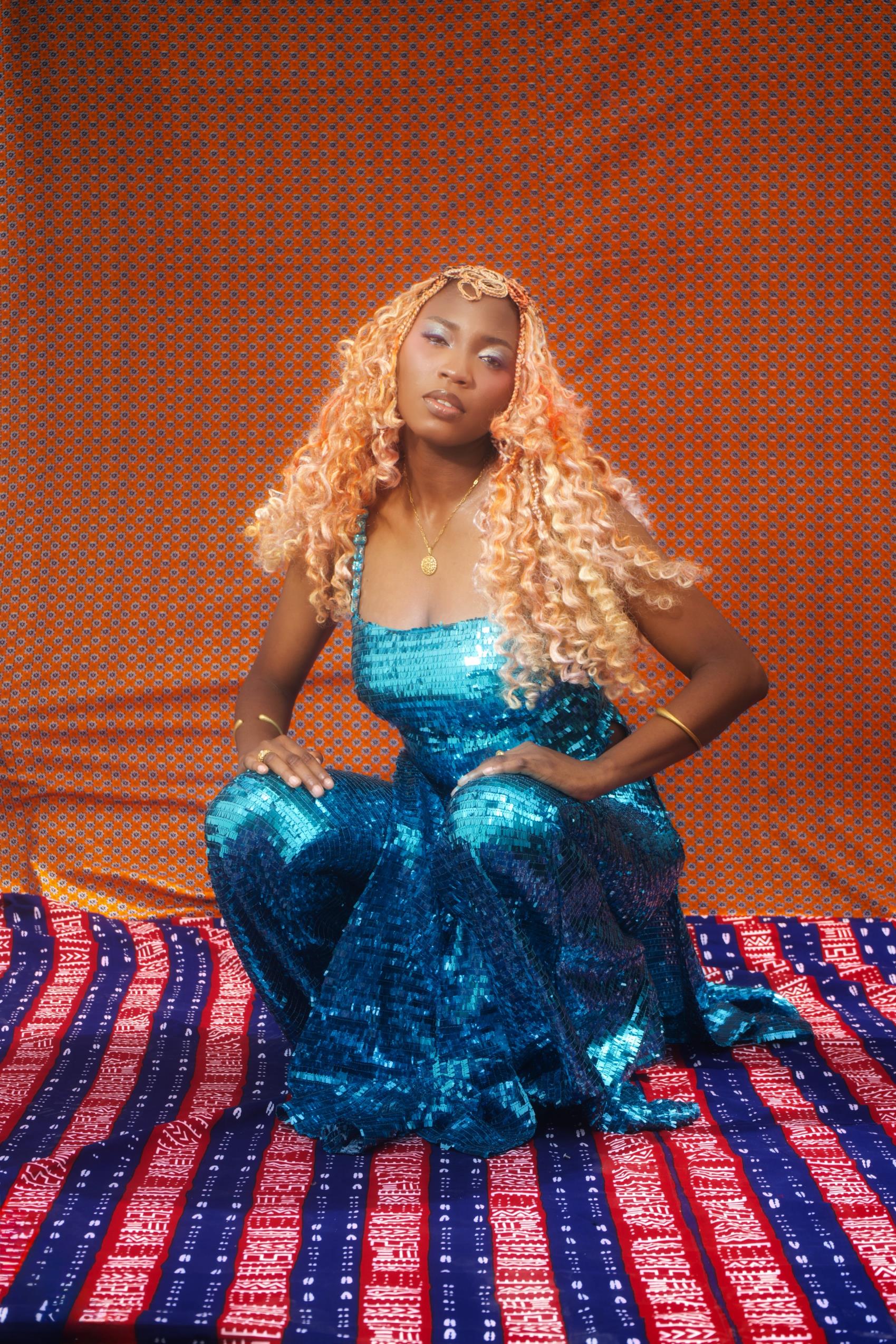
Celeste Ojatula’s artistic journey has been marked by consistent growth and an increasingly sophisticated approach to songcraft, with “This Side of Love” representing another significant step in her evolution as a vocalist and storyteller. Her previous work has shown a steady progression toward more nuanced emotional territory, moving beyond simple romantic declarations to explore the complexities and contradictions inherent in modern relationships. This latest release demonstrates her growing confidence as an interpreter of intimate emotions, showcasing vocal control that allows her to convey vulnerability without sacrificing strength. The way she navigates the song’s quieter moments reveals an artist who understands that restraint can be more powerful than technical showmanship, a lesson that many contemporary performers struggle to learn. Her collaboration with Dwin also shows her willingness to share musical space, creating dialogue rather than simply alternating solos.
The choice to lead her upcoming EP with this particular track speaks to Ojatula’s artistic vision and her understanding of how to sequence a musical narrative. Rather than opening with an uptempo attention-grabber, she’s chosen to introduce listeners to this new chapter of her artistry through intimacy and emotional honesty. This decision reflects a confidence in her ability to hold audience attention through pure musical and emotional authenticity, without relying on production tricks or commercial formulas. Her vocal approach on the track shows increased sophistication in her use of dynamics and phrasing, with subtle inflections that add layers of meaning to the lyrics. The performance suggests an artist who has found her voice not just technically, but conceptually, understanding exactly what kind of stories she wants to tell and how she wants to tell them.
Dwin, The Stoic Brings Complementary Artistry

Dwin, The Stoic’s contribution to “This Side of Love” exemplifies the kind of thoughtful collaboration that elevates both artists involved, bringing his characteristic introspective style to complement Ojatula’s warmer emotional palette. His stage name suggests his artistic approach - a measured, contemplative presence that provides emotional ballast to more expressive performances. On this track, his restrained delivery creates space for Ojatula’s vocals to soar while providing essential emotional grounding that prevents the song from becoming overly sentimental. The way he phrases his contributions shows deep understanding of the song’s emotional geography, knowing when to step forward and when to recede. His performance demonstrates the kind of artistic maturity that comes from understanding that sometimes the most important contribution is knowing what not to do.
The musical chemistry between Dwin and Ojatula feels particularly authentic because neither artist attempts to dominate or overshadow their collaborator, instead creating genuine musical conversation. Dwin’s verses provide different perspectives on the central theme, offering masculine vulnerability that balances Ojatula’s feminine emotional expression without falling into stereotypical gender roles. His vocal texture adds richness to the overall sonic palette, creating contrast that makes both voices more distinct and impactful. The way he approaches the song’s more delicate moments shows an artist who understands that strength and sensitivity aren’t mutually exclusive, bringing emotional honesty that matches the track’s intimate subject matter. This collaboration appears to bring out qualities in both artists that might not emerge as clearly in their solo work, demonstrating the best aspects of musical partnership.