
Table of Contents
- Breaking the Tradition of Generational Wealth
- Sting’s Philosophy on Self-Made Success
- Other High-Profile Stars Making Similar Choices
- Business Moguls Leading by Example
- The Psychology Behind These Decisions
- The Great Wealth Debate Continues
Breaking the Tradition of Generational Wealth
In a world where celebrity children often make headlines for their lavish lifestyles and trust fund privileges, a growing number of A-list stars are taking a dramatically different approach to their family fortunes. These wealthy entertainers are publicly declaring that their children shouldn’t expect to inherit their massive estates, challenging the traditional notion that success should automatically be passed down through generations. The movement represents a fascinating shift in how celebrity parents view their responsibility to their offspring and what truly constitutes giving them the best possible start in life.
This trend isn’t just about being tough on the kids - it reflects deeper philosophical questions about privilege, work ethic, and the true meaning of success. Many of these celebrities argue that inheriting vast sums of money can actually be detrimental to a child’s development, robbing them of the motivation to pursue their own passions and build their own sense of accomplishment. The debate has sparked conversations not just among the ultra-wealthy, but across all socioeconomic levels, as parents grapple with how much help is too much help.
Sting’s Philosophy on Self-Made Success
Perhaps no celebrity has been more vocal about this philosophy than legendary musician Sting, whose real name is Gordon Sumner. The former Police frontman, who has an estimated net worth of over $400 million, has made it crystal clear that his six children shouldn’t expect to coast on his musical legacy and financial success. In various interviews over the years, Sting has expressed his belief that his children need to make their own way in the world, emphasizing that he expects them to work for their achievements rather than simply inherit them.

Sting’s approach isn’t rooted in stinginess or lack of love for his children - quite the opposite. The Grammy-winning artist has explained that he views this decision as the ultimate gift to his kids, forcing them to develop their own talents, work ethic, and sense of personal accomplishment. He’s spoken about wanting his children to have the same satisfaction he experienced building his career from the ground up, starting from humble beginnings in England to becoming one of the world’s most successful musicians. This philosophy extends beyond just money to encompass the entire concept of earned versus inherited success.
Other High-Profile Stars Making Similar Choices
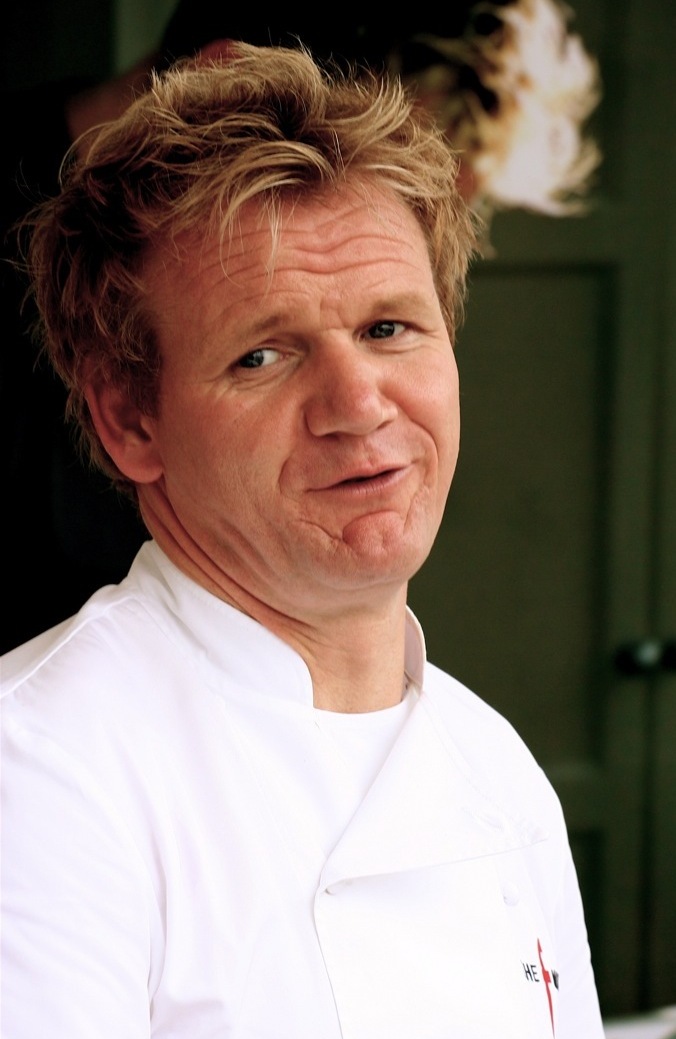
Sting certainly isn’t alone in this thinking among entertainment industry elites. Legendary chef and television personality Gordon Ramsay has been equally adamant about his children earning their own way, despite his multi-million dollar restaurant empire and media career. Ramsay has publicly stated that his children fly economy class while he enjoys first-class accommodations, and he’s made it clear that they won’t be inheriting his fortune. The fiery chef believes that giving his children everything would ruin their drive and ambition.
Similarly, talk show icon Elton John has expressed reservations about leaving his entire fortune to his children. The “Rocket Man” singer, worth an estimated $500 million, has indicated that while he’ll ensure his sons are comfortable and educated, he doesn’t want them to become spoiled by excessive wealth. These celebrities share a common thread in their reasoning - they want their children to understand the value of hard work and to develop their own identities separate from their famous parents’ achievements.