The Business of Afrobeats Merchandise: From T-Shirts to NFTs
Jalen Ross··11 min read
Ad SpaceArticle Top - 728x90
Advertisement
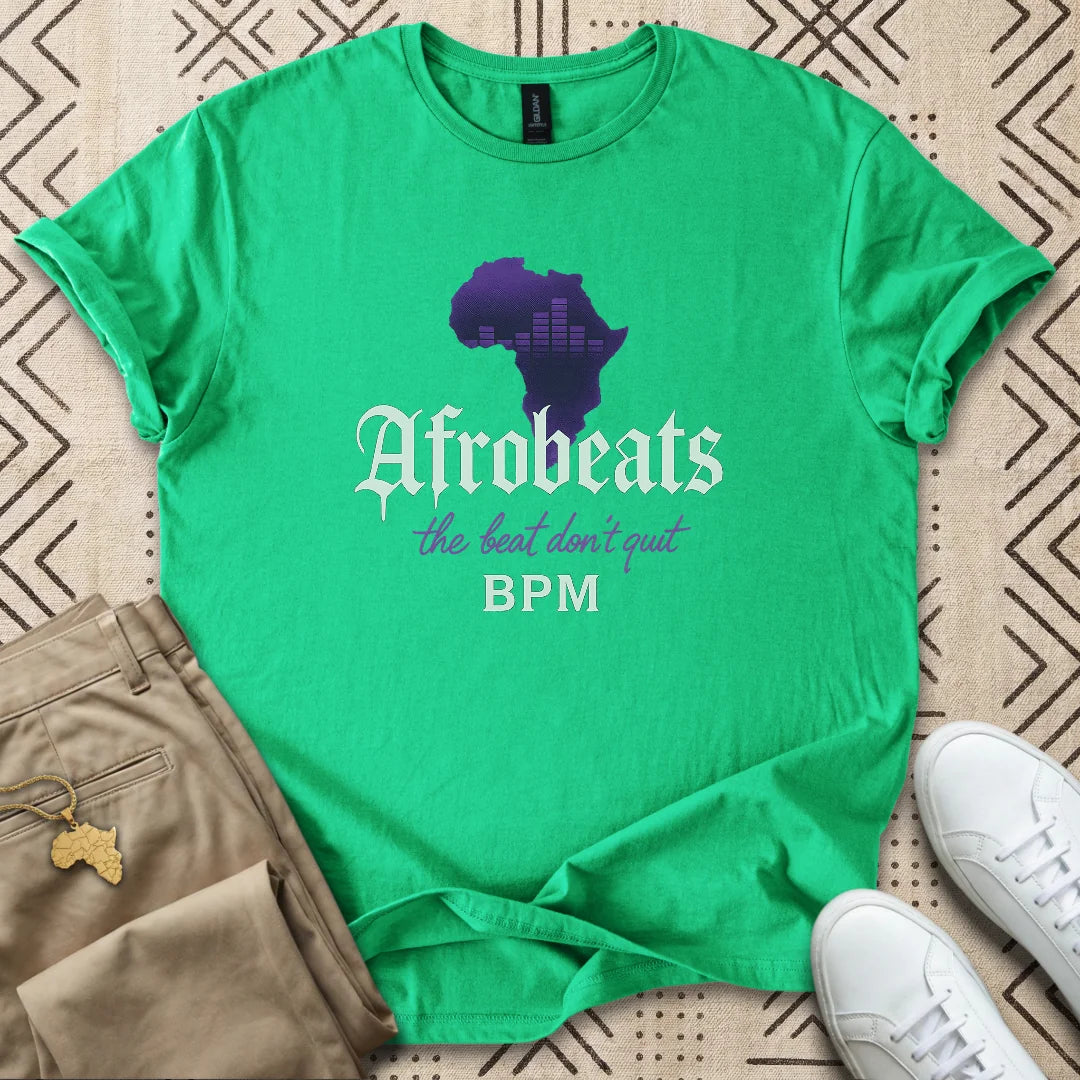
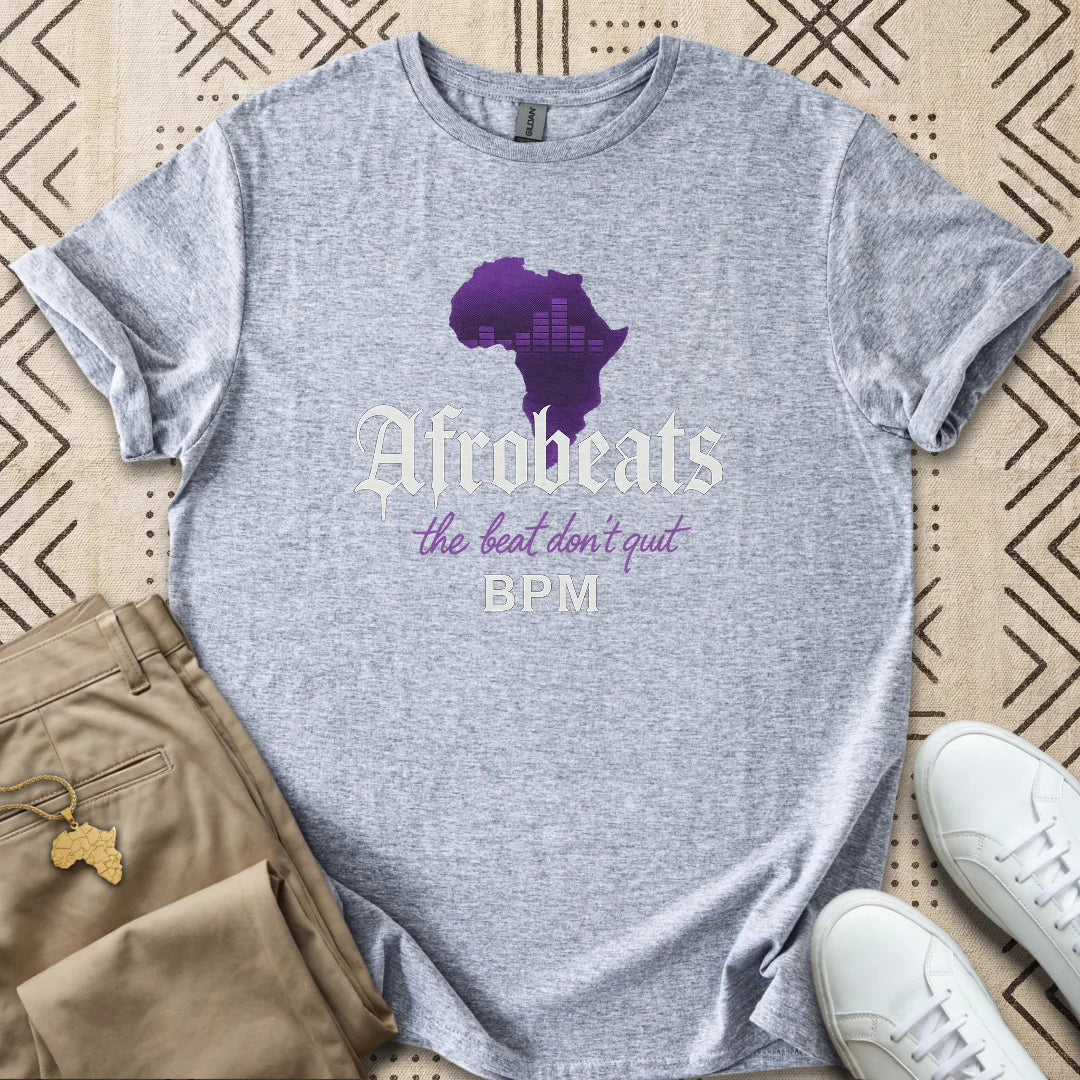
Walk past the merch table at any Afrobeats arena show and you see a quiet truth: the t-shirt rack is doing work that streaming royalties cannot. A black hoodie with a tour route printed down the sleeve moves for sixty thousand naira at the O2 in London, then resurfaces on Grailed three weeks later for double. The fan in the queue is not buying cotton. She is buying a receipt that says she was there, and the artist on the other side of that transaction is keeping a margin that no DSP payout structure has ever offered.
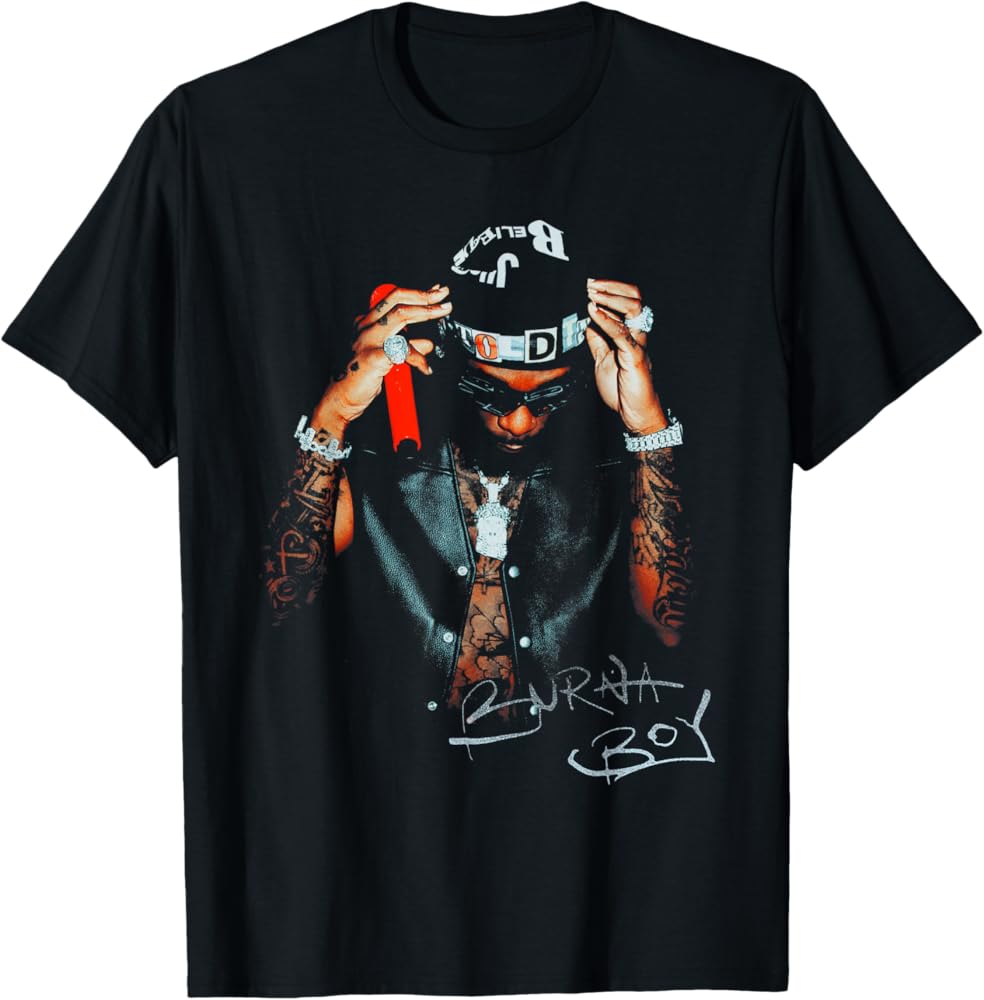
For a long time, Nigerian artists treated merchandise as an afterthought, a folded stack of printed tees sold at the back of a venue by a cousin with a card reader. That era is over. Davido’s OBO line, Wizkid’s Starboy catalog, Burna Boy’s African Giant capsules, Asake’s Mr Money drops and Tems’ minimalist runs have turned merch into a parallel revenue stream that, on a strong tour, can rival the gate. Tour accountants generally describe merch as landing somewhere between a tenth and a quarter of the tour gross, and on the right night with the right drop it pushes past that.
What follows is a working map of how that money moves, from the factory floor to the Shopify checkout, with a stop at the NFT crater of 2021 and a look at why physical product came back stronger than anyone predicted.
The Modern Merch Table
Step inside Eko Convention Centre or the O2 Arena during an Afrobeats tour stop and the table is a tiered menu rather than a pile of shirts. Tour managers and merch operators describe the bands below, and they move with the exchange rate, the city and how far into the album cycle the tour sits. Treat them as the shape of the pricing rather than a price list.
Product tier
Typical price at a tour merch table
Logo tee
3,000 to 15,000 naira
Hoodie
25,000 to 60,000 naira
Limited or numbered drop
40,000 to 100,000 naira
Indicative bands described by tour merch operators, not fixed prices.
The spread inside each tier is the whole story. A basic logo tee and a cut-and-sew piece with embroidered chest detail sit in the same row of the table above and are separated by a factor of five, because one is a souvenir and the other is a garment. The limited drops, the pieces with serial numbers on the inner tag or a date silk-screened on the back panel, routinely sell out before the encore, which is exactly what they are designed to do.
Pricing is not random. Merch operators describe tour-exclusive product carrying a premium of roughly a third above the same artist’s online standard line. Fans accept it because the scarcity is real. A shirt printed only for the Lagos date will never appear in the webstore. That promise is what makes the line at the merch table longer than the line at the bar.
Tour Exclusives And The Scarcity Loop
Asake built the cleanest version of this playbook around the Mr Money With The Vibe rollout. Each city on the European leg got its own colorway, with the venue name and date heat-pressed onto the lower back. Fans in Manchester could not buy the Brussels piece. The webstore never restocked it. Resale listings on Grailed and eBay confirmed the demand, with sold-out tees appearing at several times their retail price within weeks.
That loop is the entire mechanism. Limit the supply, attach it to a moment, photograph it well, let the secondary market do the marketing. Davido ran a similar version during his Timeless world tour, with London and Atlanta pop-up shops opening for a forty-eight hour window around the show dates. The pop-up itself becomes content. Fans queue overnight, film the haul, post the receipt, and the next city’s pop-up has demand baked in before the doors open.
Inside The Top Programs
Davido’s OBO line is the closest thing Afrobeats has to a mature merchandise operation. The catalog spans seasonal capsules, tour-only product and a steady evergreen run of logo basics that ship from a fulfillment partner rather than a back office in Lekki. The 30BG fan economy feeds it. When the 30BG community crowdfunded a Lekki Bridge billboard for Davido’s birthday, that same network was already trained to buy direct from the artist’s store.
Wizkid’s Starboy operation runs a different aesthetic, leaning into a quieter luxury feel. The Puma partnership Wizkid signed around the Made In Lagos era remains one of the few official Afrobeats-to-major-footwear-brand arrangements to actually ship product rather than stall at announcement stage. The follow-up has been slower than fans expected, but the original drop established that a Nigerian artist could move sneakers in the same drop framework that streetwear brands had been refining for a decade.
Burna Boy’s program has leaned heavily on a flirtation with high fashion. The informal Burna Boy and Versace association, built through years of him wearing the house on stage and in videos, has not produced an official collaboration line, but the visual identity bleeds into his own merch. The African Giant tour pieces carried a heavier weight cotton, French terry hoodies, and a price point that signaled the artist’s positioning rather than apologized for it.
Asake’s drops, by contrast, are tighter and more frequent. Mr Money With The Vibe operated on a near-monthly cadence during the album cycle, with small runs that sold out and rarely returned. The strategy treats the fanbase as a streetwear customer first and a music customer second, which is a meaningful inversion of how older Nigerian artists thought about merch.
Tems sits at the other end of the spectrum. Her merch line is deliberately minimal, mostly monochrome, with type-driven graphics and a small palette. The pricing is consistent rather than tiered, and the drops do not chase volume. It works because it matches the artist. A Tems hoodie reads as wardrobe, not as a souvenir.
The Independent Lane
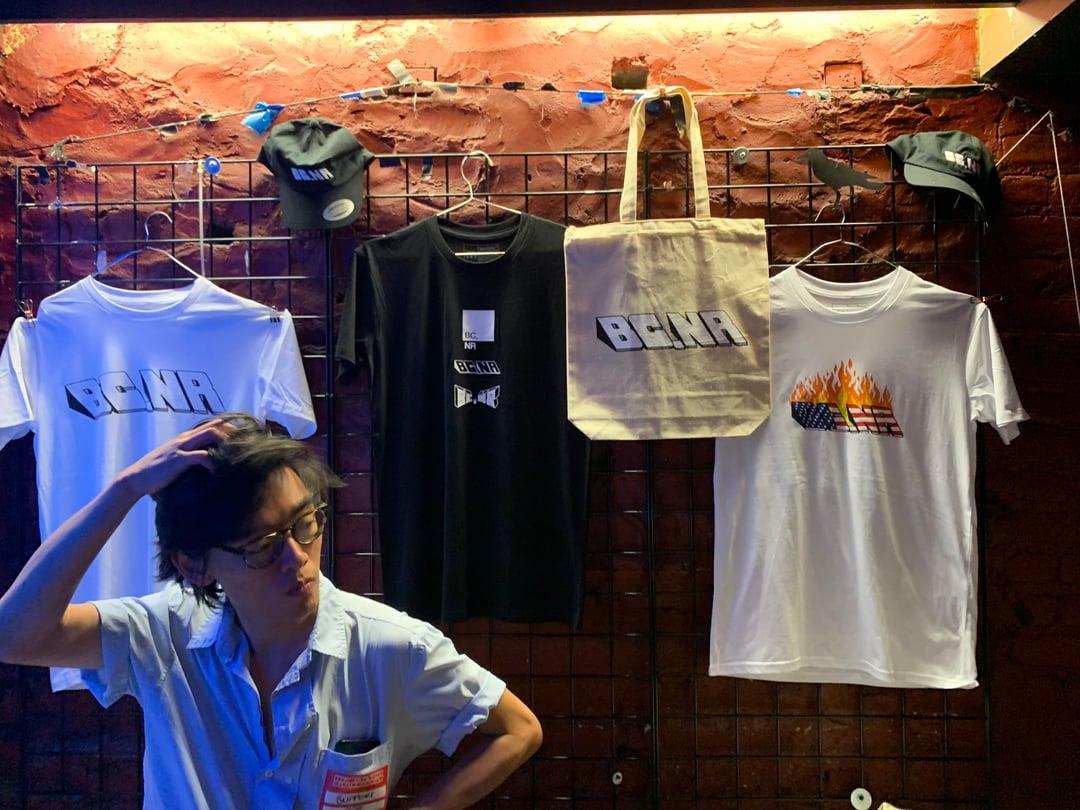
Show Dem Camp’s boutique merch deserves a separate mention. The duo has built a small, design-led catalog around the Palmwine Music aesthetic, with cut-and-sew pieces, embroidered caps and the kind of small-batch production that closer resembles a Lagos streetwear label than an artist merch line. The margin is higher per unit because the quality bar is higher, and the customer is buying into a scene rather than chasing a hit single.
The Manufacturing Question
Behind every clean-looking merch table is a supply chain decision. The default route for serious Afrobeats programs runs through Bangladesh and China, where cut-and-sew factories can produce heavyweight tees, French terry hoodies and embroidered detail at a unit cost that survives the markup needed for tour exclusives. Lead times sit at eight to twelve weeks from approved sample to landed inventory, which forces planning around tour announcements rather than reactive drops.
Lagos production exists and is growing, with a handful of cut-and-sew workshops in Surulere and on the mainland servicing both fashion brands and artist merch lines. The advantage is speed and the ability to do small runs, ten to fifty pieces of a tour-exclusive colorway, without committing to a container order. The trade-off is consistency. A factory in Dhaka producing five thousand units to a tech pack will deliver a more uniform product than a Lagos workshop producing fifty. Programs that care about resale value, and therefore long-term brand integrity, tend to split the order, with core inventory imported and exclusive drops produced locally.
Ad SpaceIn-Article - 300x250
Advertisement
The quality bar has risen sharply. Not long ago a printed Gildan blank with a vinyl logo was acceptable. The customer at an Afrobeats show now compares the hoodie in her hand to the Fear of God Essentials piece in her closet, and the artist who ships a thin cotton tee with a cracking print loses the resale market entirely. Cut-and-sew, custom labels, woven necks and proper tech packs are now table stakes for any program that wants to charge above twenty thousand naira a unit.
Direct To Consumer And The Shopify Era
The webstore is where the margin lives. Most serious Afrobeats merch lines now run on Shopify, with Instagram Shop integration handling discovery and a Stripe or Flutterwave checkout closing the transaction. The economics are clean, and they are the reason the webstore matters more than any single retail partner. Wholesale pricing for resellers and pop-up partners is typically described at somewhere near half of retail. On a hoodie retailing around sixty thousand naira, operators put the landed cost in the low teens of thousands, which leaves a wholesale price roughly in the middle of those two figures. Selling direct captures the entire spread instead of splitting it, and it is why programmes that once chased stockists now treat physical retail as a marketing channel rather than a revenue one.
Drop announcements have become their own content category. The standard playbook runs a tease on the artist’s Instagram story forty-eight hours out, a full product shot twenty-four hours out, a launch post at the drop moment, and a sold-out story within hours. Featured photography is no longer a nice-to-have. Programs that invest in proper lookbook shoots, on-model and on-location, convert at materially higher rates than programs that ship product photos against a white seamless. Davido’s London pop-up around the Timeless tour came with a full editorial shoot in advance, which gave the campaign two weeks of feed content before the doors opened.
The Atlanta And London Pull
The diaspora market is the engine. Atlanta and London are the two cities where Afrobeats merch consistently outperforms Lagos on a per-capita basis, and the reason is straightforward. The diaspora customer has more disposable income, a stronger emotional attachment to the artist as a cultural symbol, and a wardrobe that already has space for premium streetwear. A pop-up in Peckham or in the West End during Wizkid’s O2 run will clear inventory at a rate that no Lagos retail location currently matches.
That is why every major tour now builds a pop-up component into the routing. The pop-up is not just a retail moment. It is a press moment, a content moment, and a way to test new product in a controlled environment before committing to a full production run.
The NFT Detour
In 2021 and 2022, every conversation about Afrobeats merchandise included the word NFT. Davido was among the artists who launched a fan token, which traded briefly with real volume before collapsing in the broader crypto unwind. Multiple other artists tested NFT drops, often partnered with platforms that promised access, exclusive content and a piece of future royalties. Almost none of them produced sustained revenue.
The failure was not a failure of imagination. The mechanics of a scarce digital collectible attached to an artist’s catalog were sound on paper. The failure was a failure of fit. The Afrobeats fan in Lagos, Lekki, Houston or London wanted a physical object she could wear to a show and a photograph of herself wearing it. The NFT offered neither. When the crypto market turned and the speculative buyer disappeared, the artists were left with collections that had no resale floor and no cultural utility.
The honest accounting on the NFT era is that most Afrobeats experiments lost money, both for the artists who promoted them and for the fans who bought in. A small number of drops cleared their costs. None produced a long-term revenue line. By 2024 the conversation had quietly moved on.
What Survived
What did survive was the underlying impulse, which was the desire for a digital collectible that proved fandom. Pop Cards, Tour Passes and other lower-stakes digital products have filled that space. A digital tour pass that unlocks pre-sale access for the next tour, lives in a wallet on the artist’s app, and is priced at the cost of a couple of coffees is a product fans actually use. It is not an NFT in the speculative sense. It is a loyalty token with utility. The programmes that built quietly in this space, often in partnership with ticketing platforms, have become part of the standard merch stack alongside the t-shirt and the hoodie.
The lesson the market absorbed is that the digital product has to either be functional or be visually beautiful enough to live as a screensaver. Speculation alone does not hold the line.
Brand Collaborations And The High Fashion Pull
The Wizkid and Puma arrangement remains the cleanest example of an Afrobeats artist landing an official major brand collaboration that reached shelves. Rumors of a Burna Boy x Nike project have circulated for years without a confirmed release. Asake has been linked to Adidas conversations, though no official drop has been announced. The pattern is consistent. The brands want the cultural credit that comes with an Afrobeats association, the artists want the legitimacy and the unit economics, and the deals move slowly because both sides are negotiating from a position of growing leverage.
What has filled the gap is informal association. Burna Boy wearing Versace on every red carpet is, in commercial effect, a brand partnership without a contract. The same is true of multiple Nigerian artists with Balenciaga, Off-White and Rick Owens. The fashion houses get the imagery. The artists get the wardrobe. Neither side prints money from it directly, but the cultural positioning compounds.
Merch As Marketing Versus Merch As Profit
Underneath every program decision sits a tension that the smartest managers acknowledge openly. A t-shirt with the artist’s name on it is a billboard. The fan who wears it to a coffee shop in Brooklyn is doing marketing the label would otherwise pay for. That argues for pricing the entry-level product low, even at slim margins, to maximize street presence.
The same t-shirt is also a high-margin product that can fund a tour, pay a band, and keep the artist solvent between album cycles. That argues for pricing it at what the market will bear and treating volume as upside rather than as the goal.
The programs that navigate this best run a tiered approach. The logo tee at the lower price point does the marketing work and ships at high volume. The cut-and-sew hoodie at the higher price point does the profit work and ships at controlled volume. The tour-exclusive drop at the top price point does the cultural work, generates the resale market, and feeds the next tour announcement with content. None of the three pieces is doing all three jobs. Together they do.
The Receipt In Her Hand
Back at the O2 merch table after the Wizkid set, the queue has not shortened. A fan three rows from the front is holding two hoodies and a tour booklet, doing the math in her head before she gets to the front. The black hoodie has the London date stitched on the cuff. The booklet has a fold-out poster inside that her friend back in Abuja has already asked her to find. The card reader beeps, the receipt prints, and she folds the bag under her arm as she walks back toward the Tube. The artist is already on a flight to Manchester. The next merch table is being built as she rides home.
Ad SpaceIn-Article - 300x250
Advertisement
Share
Get the recap
Loved this story? Get more like it.
Join readers who get our weekly entertainment recap - the stories worth your time, delivered every Friday.
No spam. Unsubscribe anytime. By signing up you agree to our Privacy Policy.