
Federal Court Dismisses Criminal Charges Against Aristokrat Records in Burna Boy Catalogue Dispute
Music

Federal Court Dismisses Criminal Charges Against Aristokrat Records in Burna Boy Catalogue Dispute

Jalen RossJalen Ross··6 min read
Advertisement

Table of Contents

Court Rules in Favor of Aristokrat Records
Federal Court Dismisses Criminal Charges - Court Rules in Favor of Aristokrat Records

In a significant development for the Nigerian music industry, a Federal High Court has dismissed criminal charges against Aristokrat Records relating to the controversial handling of Burna Boy’s early music catalogue. The court’s decision effectively clears the record label of allegations that they secretly sold or mishandled the Grammy-winning artist’s recordings from his early career. The ruling represents a major victory for Aristokrat Records, which has been embroiled in this legal battle for several years, and provides important clarity on the complex relationship between artists and their former labels in Nigeria’s rapidly evolving music landscape.

Burna Boy during his early years with Aristokrat Records
Image: Nigerian Entertainment Today

The court’s decision was particularly critical of the police investigation, describing the law enforcement approach as inadequate and lacking the thoroughness required for such complex intellectual property matters. This criticism highlights ongoing challenges within Nigeria’s legal system when dealing with modern entertainment industry disputes that often involve intricate contractual arrangements and digital distribution rights. The judge’s remarks suggest that the case may have been poorly constructed from the outset, lacking the detailed evidence and legal foundation necessary to support criminal charges in what many industry observers viewed as fundamentally a civil contract dispute.

Legal experts following the case have noted that this ruling sets an important precedent for how similar disputes might be handled in the future. The dismissal on procedural grounds rather than a full trial on the merits means that while Aristokrat Records has been cleared of criminal wrongdoing, questions about the underlying business relationship and contractual obligations may still linger. This outcome reflects the complex nature of music industry relationships, where the line between legitimate business practices and potential misconduct can often be blurrier than it appears on the surface.

The Origins of the Catalogue Controversy

Federal Court Dismisses Criminal Charges - The Origins of the Catalogue Controversy

The dispute traces back to Burna Boy’s early career when he was signed to Aristokrat Records, one of Nigeria’s pioneering independent labels that played a crucial role in developing the Afrobeats sound that has now conquered global markets. During his time with the label, Burna Boy recorded several tracks that would later become significant as his international profile exploded following his departure and subsequent signing with major international distributors. The allegations centered on claims that Aristokrat Records had sold or licensed these early recordings without proper notification or compensation arrangements that reflected the artist’s later commercial success.

Aristokrat Records has consistently maintained that all their actions regarding Burna Boy’s catalogue were within the bounds of their original contractual agreements with the artist. The label argued that they had legitimate rights to monetize recordings created during their business relationship and that any subsequent commercial exploitation was conducted according to industry standard practices. This position reflects a common tension in the music industry worldwide, where artists who achieve massive success often find that their early contracts, signed before their commercial breakthrough, may not reflect their current market value or bargaining power.

The complexity of the situation was further compounded by the rapid evolution of digital music distribution and streaming platforms, which have fundamentally changed how music catalogues generate revenue. When Burna Boy’s original contracts were signed, the current streaming landscape and global Afrobeats market simply didn’t exist in their current form. This technological and commercial evolution has created numerous gray areas in older contracts that were written for a very different music industry ecosystem, leading to disputes not just in Nigeria but across the global music industry.

Federal Court Dismisses Criminal Charges - What This Means for Music Industry Contracts
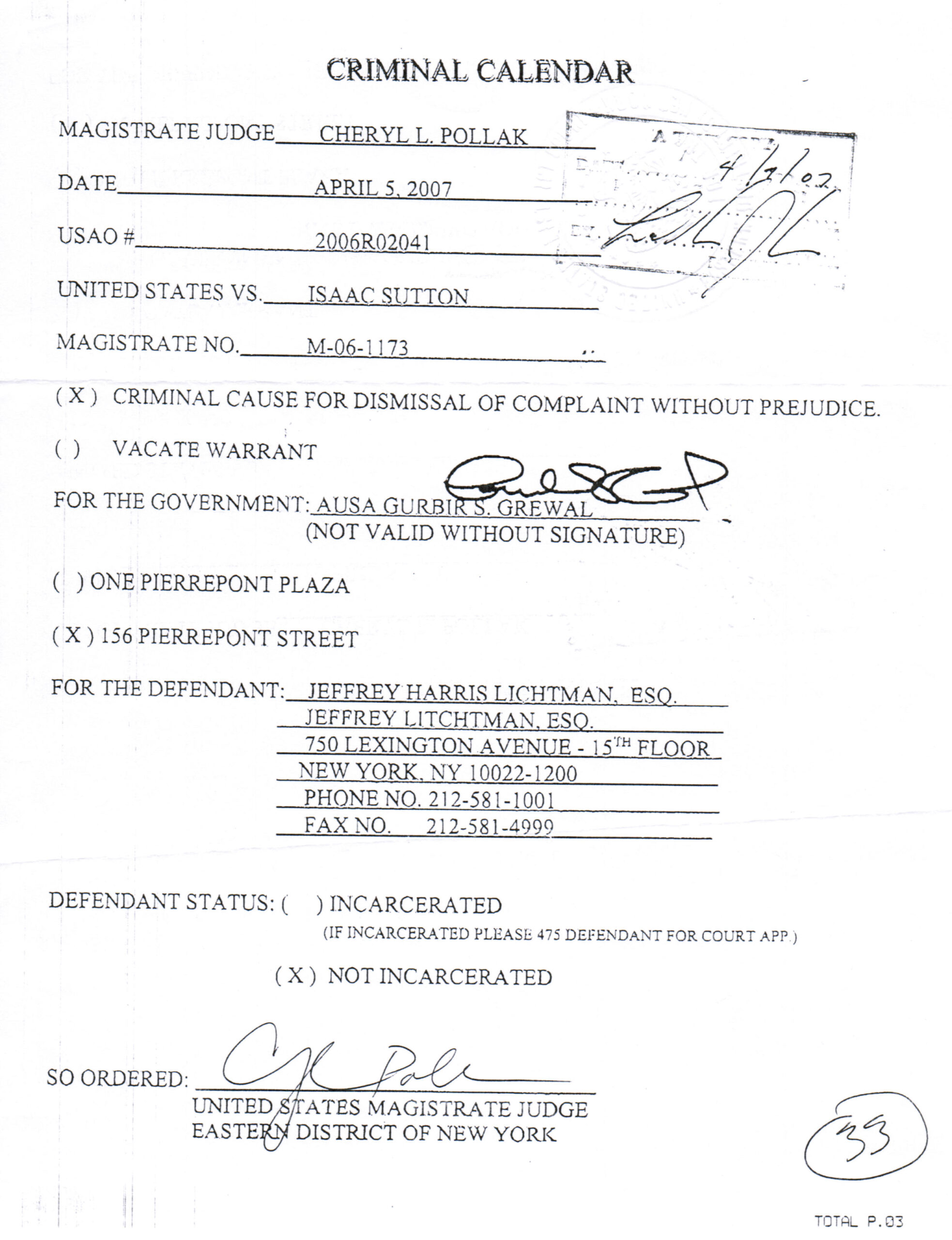
The court’s decision to strike out the criminal charges while criticizing the police investigation methodology sends several important messages to the Nigerian music industry. First, it reinforces that contractual disputes between artists and labels should generally be resolved through civil proceedings rather than criminal prosecution, unless there is clear evidence of fraud or other criminal behavior. This distinction is crucial for maintaining a healthy business environment where labels and artists can negotiate and operate without fear that routine commercial disagreements might result in criminal liability.

Music industry contracts and legal documents Nigeria
Image: LinkedIn

Industry lawyers and music business professionals have welcomed the ruling as providing much-needed clarity about the boundaries between criminal and civil matters in entertainment law. The decision suggests that courts will require substantial evidence of intentional wrongdoing before allowing criminal charges to proceed in catalogue and royalty disputes. This higher bar for criminal prosecution should encourage more parties to resolve their differences through negotiation, mediation, or civil litigation rather than seeking to criminalize what are essentially business disagreements.


Advertisement

The ruling also highlights the importance of clear, comprehensive contracts that anticipate future scenarios including artist success, technological changes, and evolving revenue streams. Many industry observers have noted that this case, regardless of its specific merits, demonstrates why both artists and labels need sophisticated legal representation when negotiating agreements, and why contracts should include detailed provisions for handling catalogue rights as artists’ careers develop and market conditions change.

Burna Boy’s Evolution from Aristokrat to Global Stardom

Federal Court Dismisses Criminal Charges - Burna Boy's Evolution from Aristokrat to Global Stardom

Burna Boy’s journey from his early days with Aristokrat Records to becoming a Grammy-winning global superstar represents one of the most remarkable success stories in contemporary African music. His time with Aristokrat was formative, helping him develop his distinctive sound and gain initial recognition in the Nigerian music scene. The label provided crucial early support and industry connections that helped launch what would become one of Africa’s most successful international music careers. However, as often happens in the music industry, the artist’s rapid growth eventually outpaced what an independent Nigerian label could provide in terms of global distribution and marketing capabilities.

Burna Boy holding Grammy award international success
Image: CNN

The transition from Aristokrat to major international partnerships, including his current relationship with Atlantic Records and other global distributors, reflects the broader evolution of the Afrobeats genre from a regional sound to a worldwide phenomenon. Burna Boy’s success has opened doors for countless other African artists and has fundamentally changed how international labels view the commercial potential of African music. His catalogue from the Aristokrat period now represents not just early recordings, but historical documents of an artist and genre in development, making questions about ownership and control particularly significant.

This evolution also illustrates the challenges facing African independent labels that develop talent only to see their biggest successes move to international partners with greater resources. While this pattern is common globally, it’s particularly pronounced in emerging markets where local labels may lack the infrastructure to support artists at the highest levels of international success. The resolution of this particular dispute may provide a template for how similar transitions can be handled more smoothly in the future, potentially benefiting both developing artists and the independent labels that first believe in their potential.

Broader Impact on Afrobeats Business Practices

Federal Court Dismisses Criminal Charges - Broader Impact on Afrobeats Business Practices

The conclusion of this high-profile legal case comes at a crucial time for the Afrobeats industry, which has experienced explosive international growth but still faces challenges in establishing standardized business practices and legal frameworks. The court’s decision provides important guidance for how catalogue disputes should be handled, potentially reducing the likelihood that future disagreements will escalate to criminal proceedings. This clarity should make the Nigerian music industry more attractive to international investors and partners who need predictable legal frameworks to justify their investments in African talent and music businesses.

Afrobeats music industry international expansion Nigeria
Image: Worldcrunch

Industry associations and music business organizations across Africa have been closely watching this case as they work to develop best practices and standard contracts that can prevent similar disputes in the future. The ruling reinforces the importance of professional legal representation and sophisticated contract negotiations in an industry that has historically operated on more informal relationships and handshake agreements. As Afrobeats continues its global expansion, these more formal business practices will become increasingly necessary to support the genre’s commercial development and protect all parties involved.

Looking forward, this case serves as a valuable learning opportunity for the entire African music ecosystem. It demonstrates both the potential pitfalls of inadequately structured business relationships and the importance of having robust legal mechanisms for resolving disputes when they arise. As more African artists achieve international success and music catalogues become increasingly valuable assets, the lessons learned from this dispute between Burna Boy and Aristokrat Records will likely influence how business relationships are structured throughout the continent’s rapidly growing music industry.

Advertisement
Share
Get the recap

Loved this story? Get more like it.

Join readers who get our weekly entertainment recap - the stories worth your time, delivered every Friday.

No spam. Unsubscribe anytime. By signing up you agree to our Privacy Policy.

Federal Court Dismisses Criminal... | Sidomex Entertainment