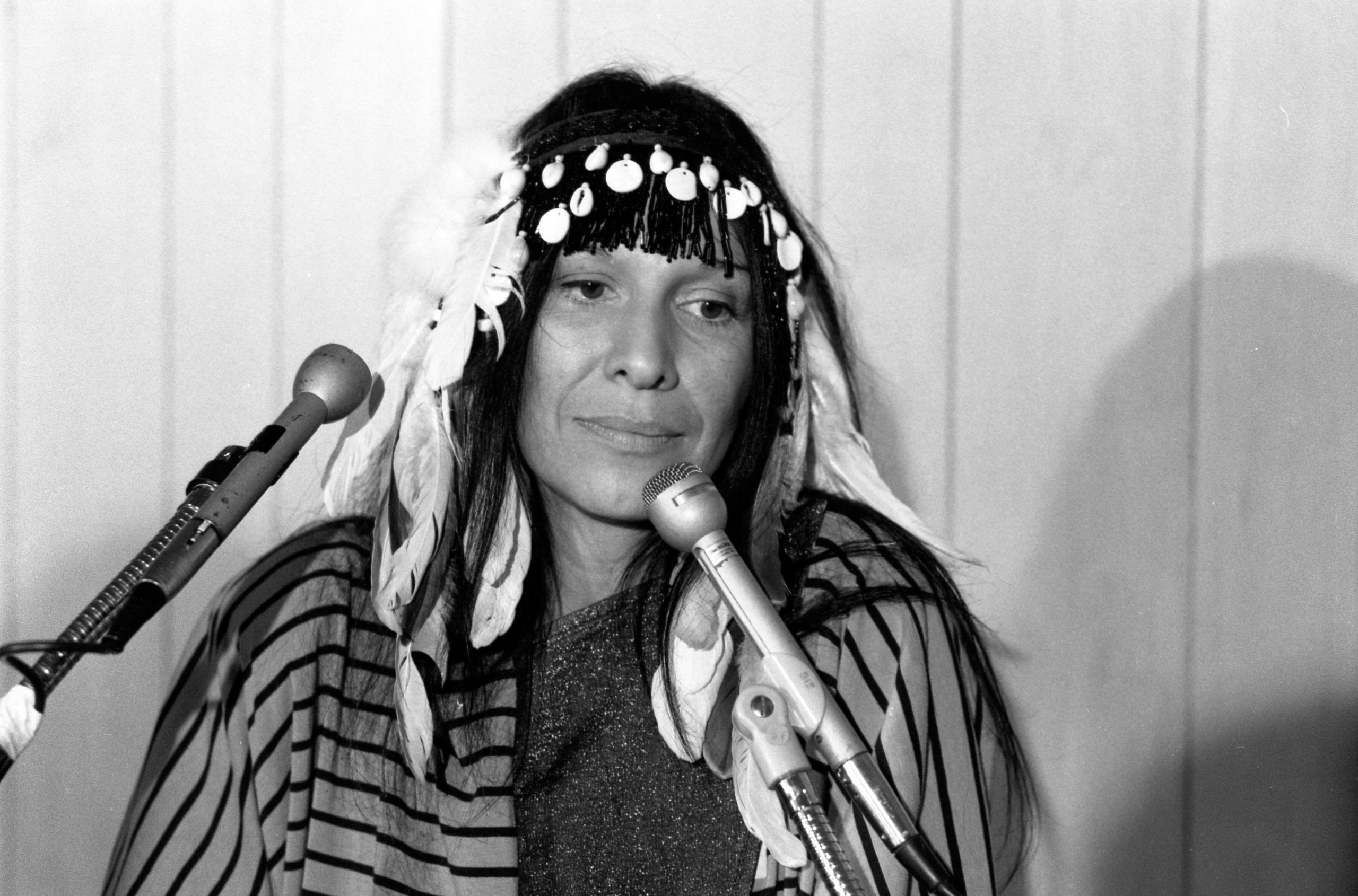
The University of Toronto has made the rare and dramatic decision to rescind an honorary degree previously awarded to legendary folk singer Buffy Sainte-Marie, marking a stunning fall from grace for the Oscar-winning artist. The institution’s move to strip Sainte-Marie of her honorary Doctor of Laws degree represents one of the most significant academic reversals in recent memory, highlighting the serious nature of ongoing questions surrounding her claims of Indigenous ancestry. This unprecedented action sends shockwaves through both academic and entertainment circles, where such honors are typically considered permanent recognitions of lifetime achievement. The university’s decision reflects mounting pressure and scrutiny that has been building around the acclaimed musician’s background claims over recent months.
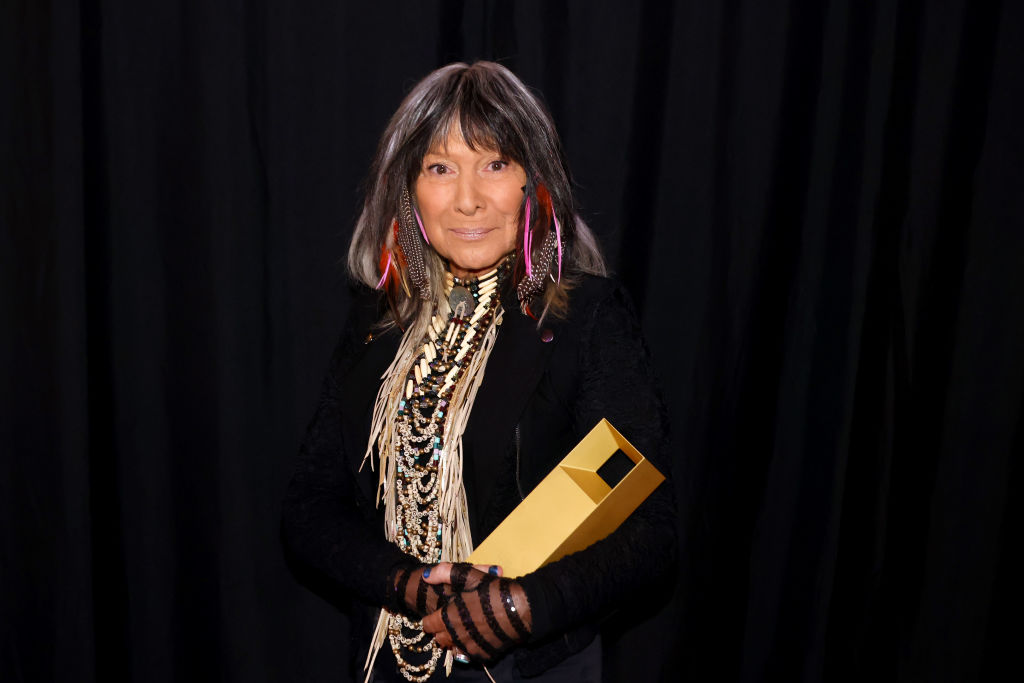
Image: Wikipedia
The timing of this decision is particularly striking given Sainte-Marie’s decades-long career as both an entertainer and activist. Academic institutions rarely take such drastic steps unless presented with compelling evidence that calls into question the fundamental basis upon which an honor was originally granted. The University of Toronto’s choice to publicly announce the rescission rather than handling it quietly demonstrates the gravity of the situation and the institution’s commitment to maintaining the integrity of its honorary degree program. This move likely required extensive deliberation at the highest levels of university administration, given the potential legal and reputational implications for all parties involved.
A Storied Musical Career Under Scrutiny
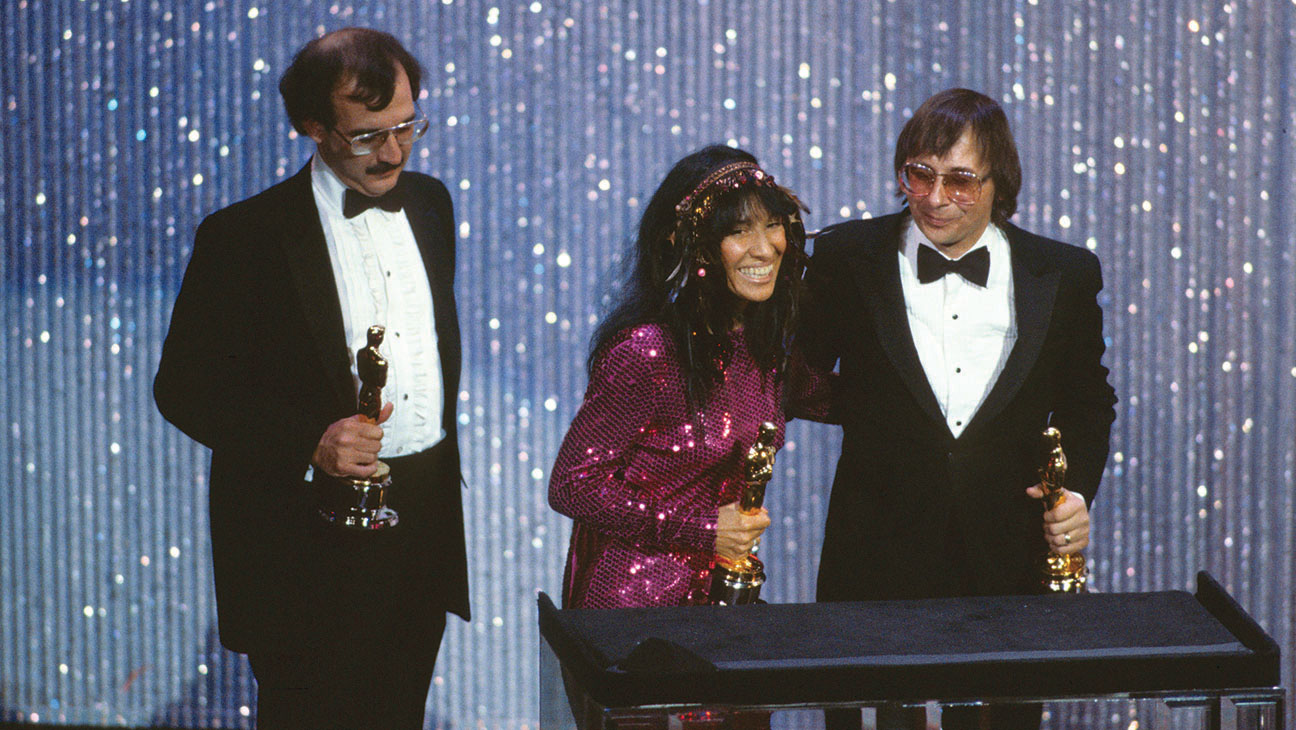
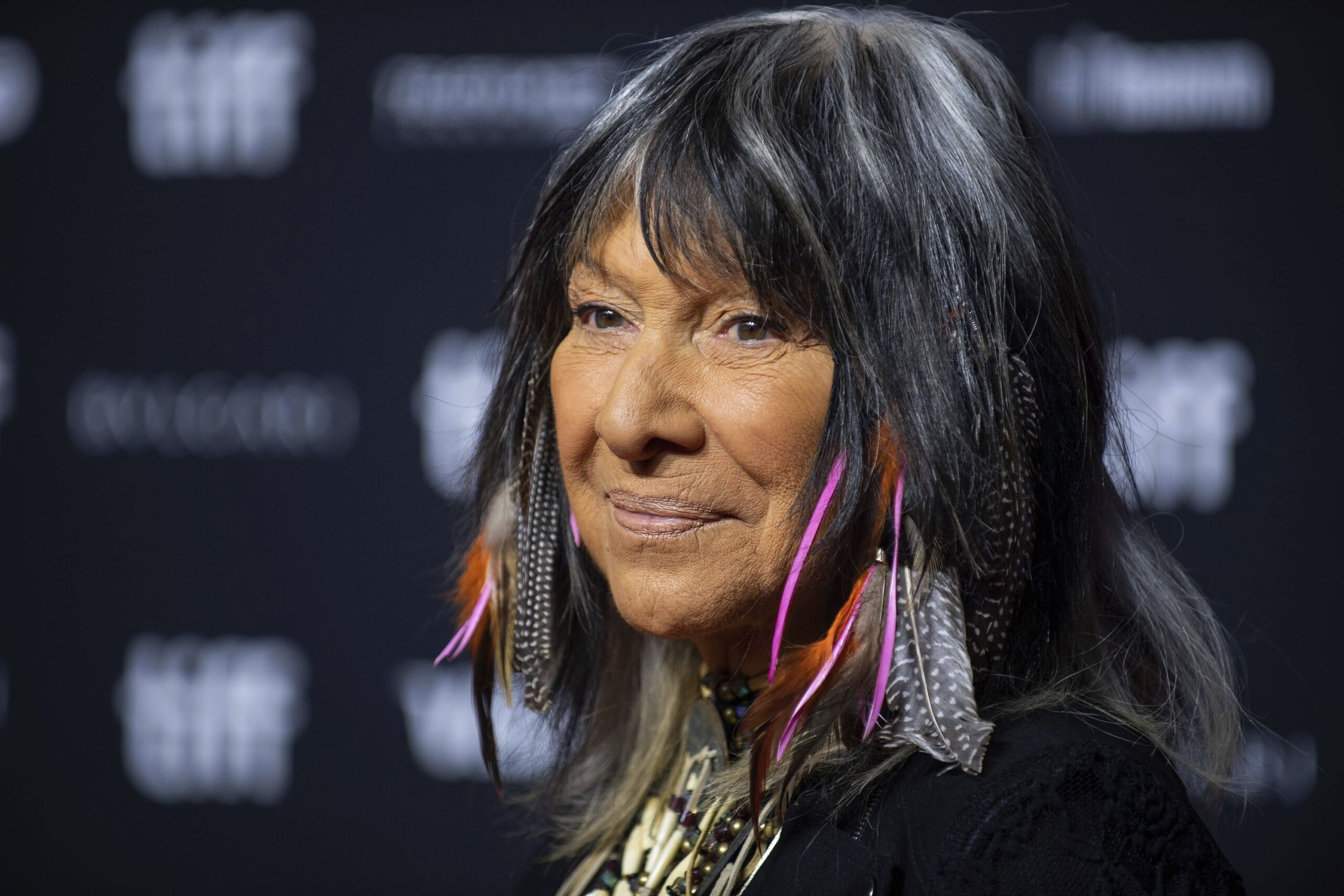
Buffy Sainte-Marie has long been celebrated as one of the most influential folk musicians of the 20th century, with a career spanning more than five decades and achievements that few artists ever attain. Her 1982 Academy Award for Best Original Song for “Up Where We Belong” from the film “An Officer and a Gentleman” cemented her place in entertainment history, while her earlier compositions like “Universal Soldier” became anthems of the anti-war movement. Throughout her career, she has been recognized not just for her musical talents but for her role as a pioneering Indigenous voice in mainstream entertainment, breaking barriers and opening doors for future generations of Native artists. Her work has influenced countless musicians and activists, making her a revered figure in both the folk music community and Indigenous rights movements.
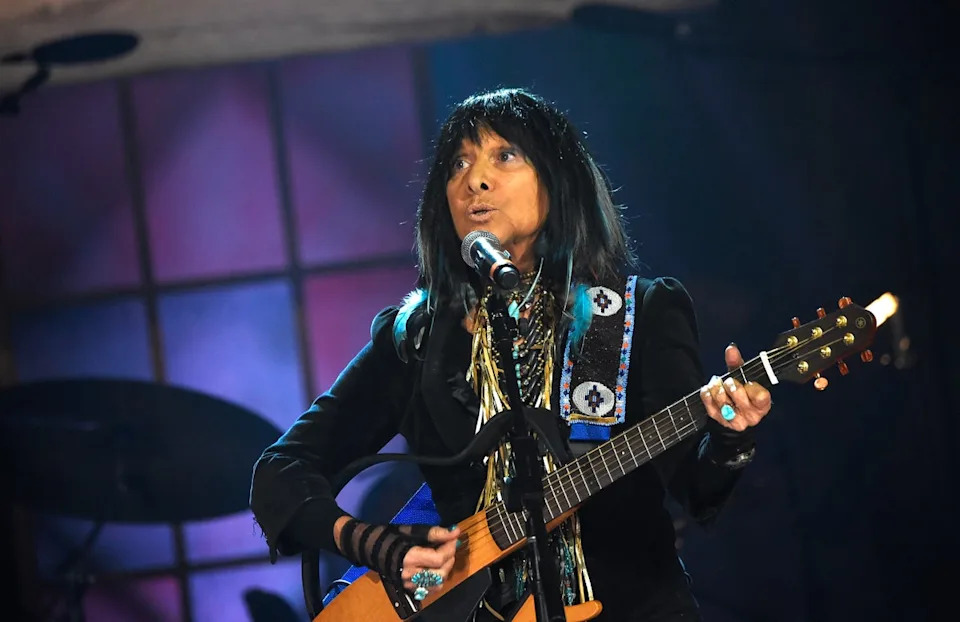
Image: The Hollywood Reporter
The controversy now surrounding her heritage claims casts a shadow over this impressive body of work and raises complex questions about identity, representation, and authenticity in the entertainment industry. Sainte-Marie’s music has often dealt with themes of Indigenous experience, social justice, and cultural preservation, making her ancestry claims not just personal matters but central to her artistic and activist identity. The current scrutiny forces fans, critics, and industry professionals to grapple with how to evaluate an artist’s work when fundamental aspects of their claimed identity come into question. This situation highlights the delicate intersection between personal biography and public artistry, particularly for artists whose work is deeply connected to specific cultural experiences and communities.
Decades of Indigenous Advocacy Work
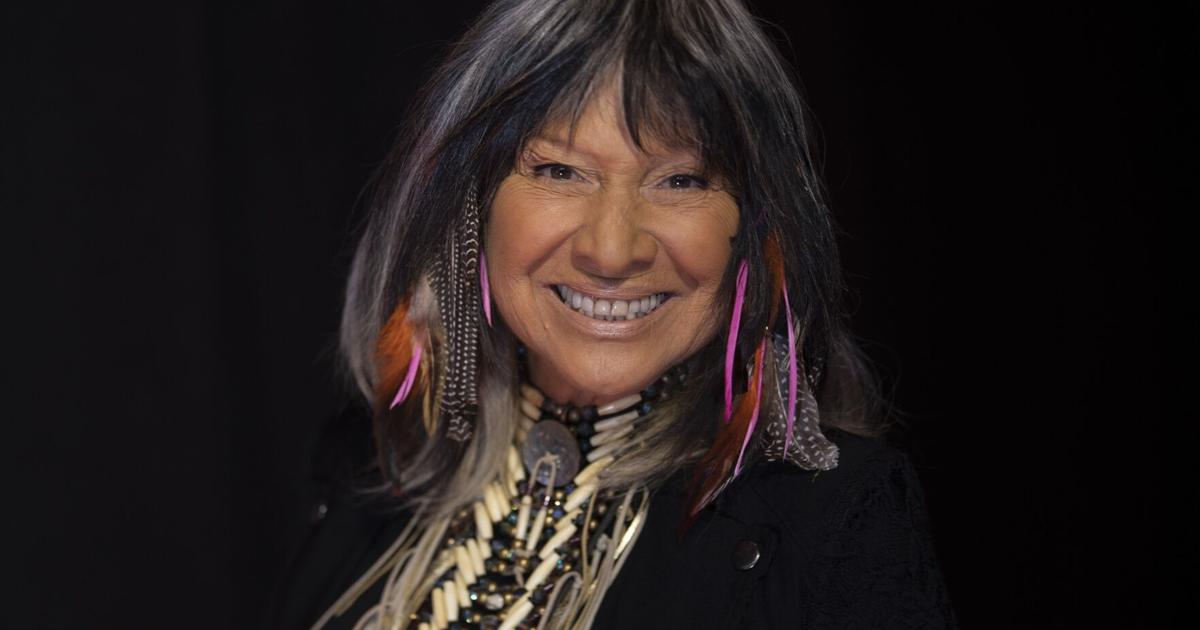
Beyond her musical achievements, Sainte-Marie has been a tireless advocate for Indigenous rights and education, using her platform to raise awareness about Native American issues and supporting numerous charitable causes throughout her career. Her work has included educational initiatives, scholarship programs, and efforts to preserve Indigenous languages and cultures, making her a respected figure in Native communities across North America. She has consistently used her celebrity status to shine light on historical injustices, contemporary challenges facing Indigenous peoples, and the importance of cultural preservation in an increasingly globalized world. Her advocacy work has earned her recognition from various Indigenous organizations and has been seen as an integral part of her legacy alongside her musical contributions.
Image: PBS
The current controversy surrounding her heritage claims has created a particularly painful situation for Indigenous communities who have long viewed her as an ally and advocate. Many Indigenous activists and community leaders now find themselves in the difficult position of reconciling their appreciation for her advocacy work with questions about the authenticity of her claimed connection to Native communities. This situation underscores the complex dynamics around identity and representation within Indigenous communities, where questions of blood quantum, cultural connection, and authentic representation have long been sources of both unity and division. The controversy also raises broader questions about allyship, cultural appropriation, and the responsibilities that come with claiming Indigenous identity in public spaces.
Ad SpaceIn-Article - 300x250
Advertisement
The Unfolding Controversy
The current situation didn’t emerge overnight but rather represents the culmination of growing scrutiny and investigation into Sainte-Marie’s background claims that has been building over recent months. Questions about her Indigenous heritage began surfacing through various channels, including genealogical research and investigative reporting that challenged long-held assumptions about her family history and cultural background. These investigations have reportedly uncovered documentation that contradicts some of the claims she has made about her ancestry and upbringing, leading to increased pressure from various quarters for clarification and accountability. The controversy has gained momentum as more details have emerged, creating a snowball effect that has now reached the level where major institutions like the University of Toronto feel compelled to take action.
Image: CNN
What makes this situation particularly complex is the sensitive nature of Indigenous identity verification and the historical context of forced assimilation, adoption, and cultural disconnection that has affected many Native families. These historical traumas have created situations where family histories can be complicated, documentation may be incomplete or inaccurate, and individuals may have genuine uncertainty about their heritage. However, the level of scrutiny now being applied to Sainte-Marie’s claims suggests that investigators have found evidence that goes beyond simple documentation gaps or family legend discrepancies. The University of Toronto’s decision to rescind her honorary degree indicates that the evidence raised questions serious enough to warrant this dramatic action, despite the potential backlash and controversy such a move would inevitably generate.
Ripple Effects Across Entertainment
The entertainment industry is watching this situation closely, as it raises important questions about identity verification, cultural representation, and the responsibilities of artists who build their careers around specific cultural identities. This controversy comes at a time when the industry is already grappling with increased scrutiny around diversity, inclusion, and authentic representation, making Sainte-Marie’s situation particularly relevant to broader ongoing conversations. The case highlights the challenges faced by institutions, organizations, and industry bodies when deciding how to handle situations where an artist’s claimed identity comes into question after years or decades of recognition and achievement. The precedent set by the University of Toronto’s decision may influence how other organizations and institutions handle similar situations in the future.
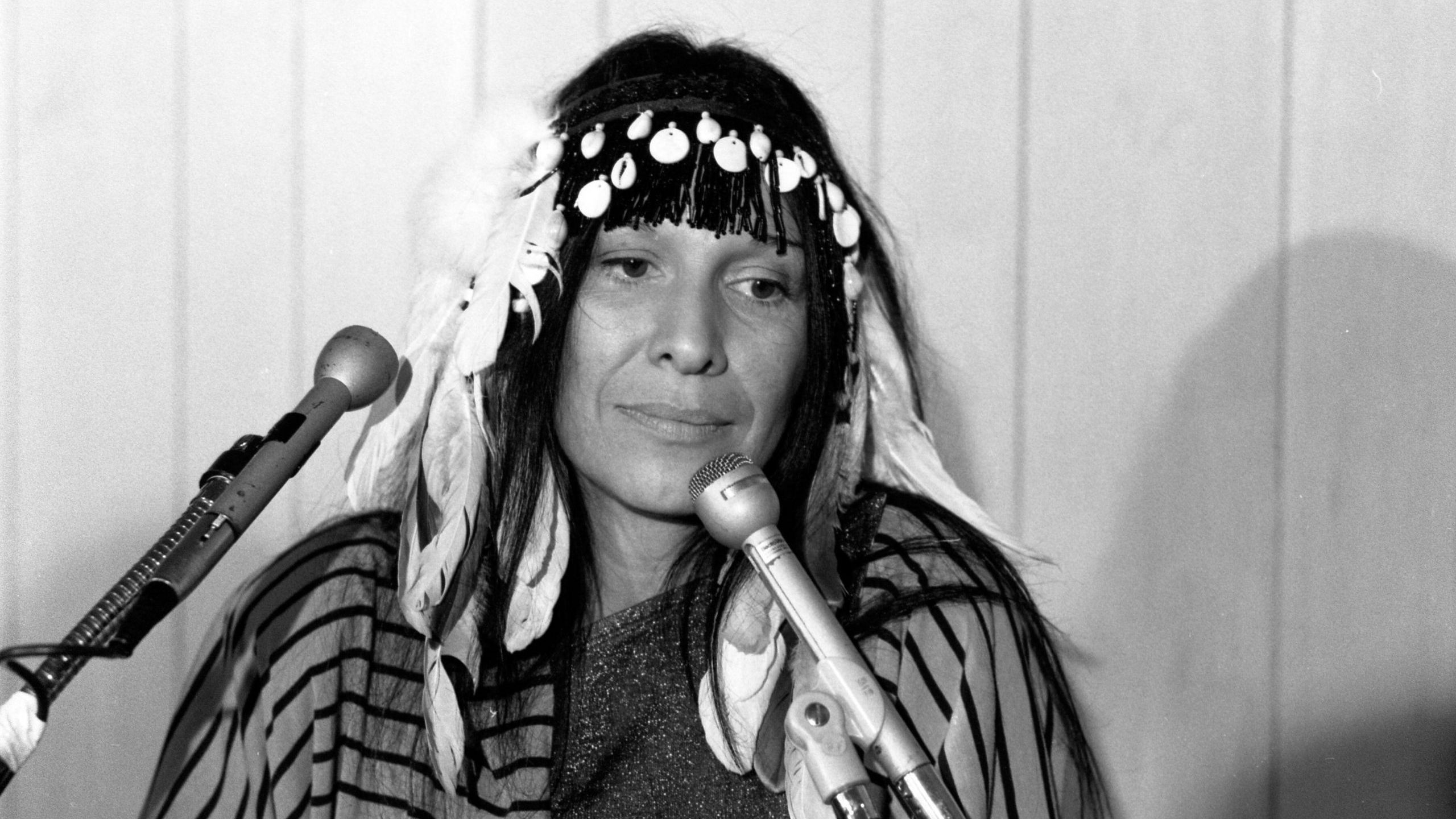
Image: Soul Country
The controversy also has implications for how the music industry approaches questions of cultural authenticity and representation moving forward. Record labels, award organizations, and music institutions may find themselves needing to develop new protocols or guidelines for handling situations where an artist’s cultural claims are challenged. This could lead to broader discussions about the role of cultural identity in artistic recognition and whether institutions should be in the business of verifying or validating artists’ personal heritage claims. The situation underscores the complex relationship between artistic merit, cultural representation, and institutional recognition in an industry that increasingly values diversity and authentic voices from underrepresented communities.
What This Means Moving Forward
As this controversy continues to unfold, the long-term implications for Sainte-Marie’s career and legacy remain unclear, though the University of Toronto’s decision certainly marks a significant turning point in how her story is being perceived and evaluated. The rescission of her honorary degree represents a concrete consequence of the ongoing scrutiny and suggests that other institutions may face pressure to review their own recognition of the artist. This situation will likely prompt broader conversations within academic, entertainment, and Indigenous communities about identity verification, cultural representation, and the appropriate responses when questions arise about public figures’ claimed heritage. The case may also influence how institutions approach the vetting process for honorary degrees and similar recognition in the future.
Regardless of how this controversy ultimately resolves, it has already sparked important conversations about identity, representation, and authenticity that extend far beyond one individual’s situation. The case highlights the complex challenges facing Indigenous communities as they navigate questions of membership, identity, and representation in an era of increased visibility and recognition. It also underscores the ongoing impact of historical traumas and policies that have complicated family histories and cultural connections for many people. As the entertainment industry and society more broadly continue to grapple with questions of diversity, inclusion, and authentic representation, the Sainte-Marie controversy serves as a reminder of the complexity and sensitivity required when dealing with issues of cultural identity and heritage claims.
Ad SpaceIn-Article - 300x250
Advertisement
Share
Get the recap
Loved this story? Get more like it.
Join readers who get our weekly entertainment recap - the stories worth your time, delivered every Friday.
No spam. Unsubscribe anytime. By signing up you agree to our Privacy Policy.