
If there is one thing the music business runs on besides talent and streaming royalties, it is the calendar. From glittering awards ceremonies to closed-door industry conferences where the actual decisions get made, the annual cycle of events that Billboard tracks and champions represents the full ecosystem of modern music - artist development, business deals, cultural recognition, and everything in between. Whether you are a rising artist trying to understand how the industry works, a fan who wants context for why certain moments matter, or simply someone who loves the business of music as much as the music itself, understanding this calendar is genuinely useful. It is also, frankly, fascinating - because the events Billboard highlights reveal what the industry considers important, who it celebrates, and where it is heading.
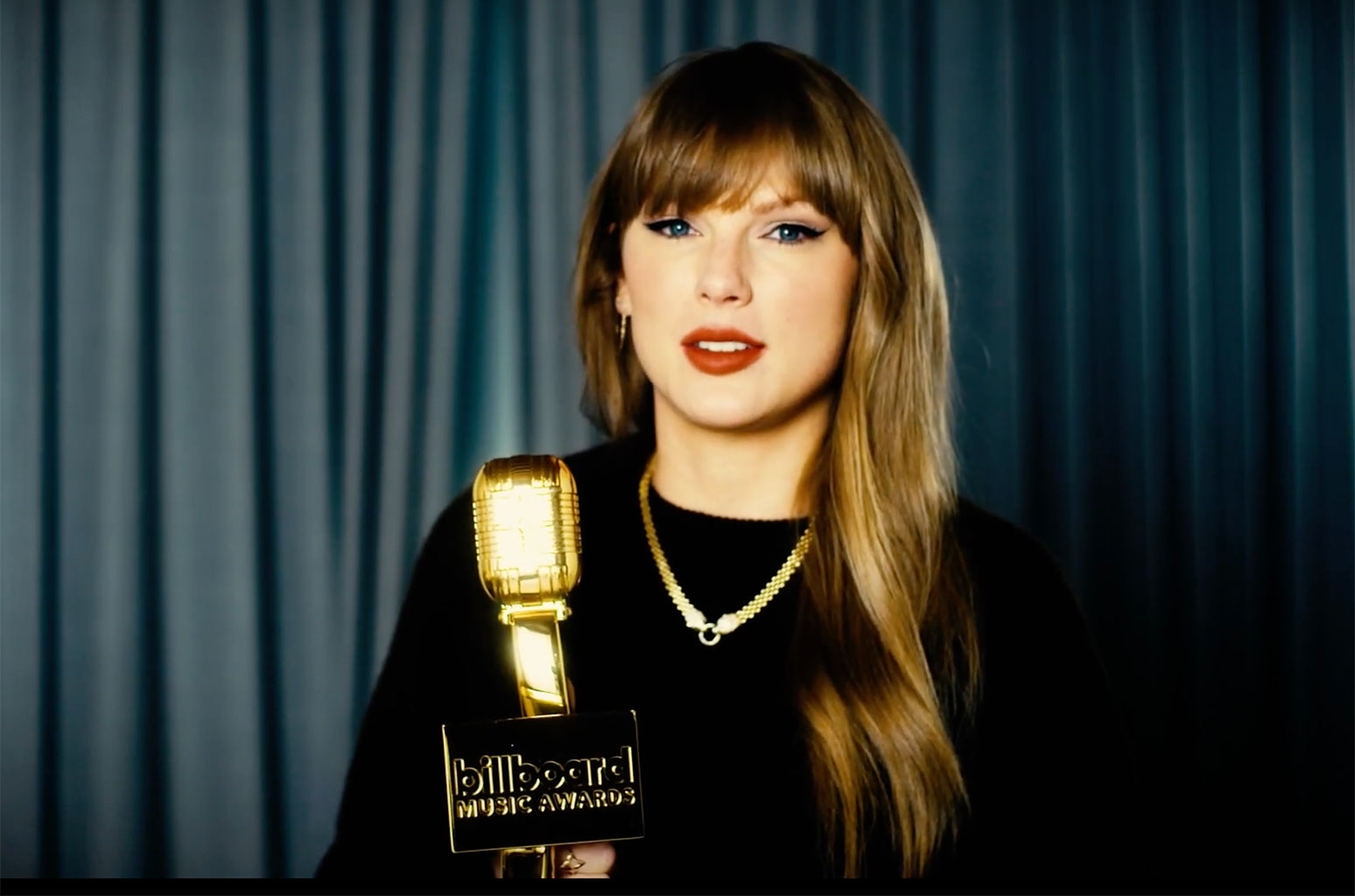
Table of Contents
- Why the Events Calendar Matters More Than You Think
- The Awards Season That Defines Careers
- Conferences Where the Real Conversations Happen
- Live Music and Festival Season as Industry Engine
- The Global Music Push and What It Means for Africa
- Billboard’s Hot 100 at 65 and the Chart Power Debate
Why the Events Calendar Matters More Than You Think
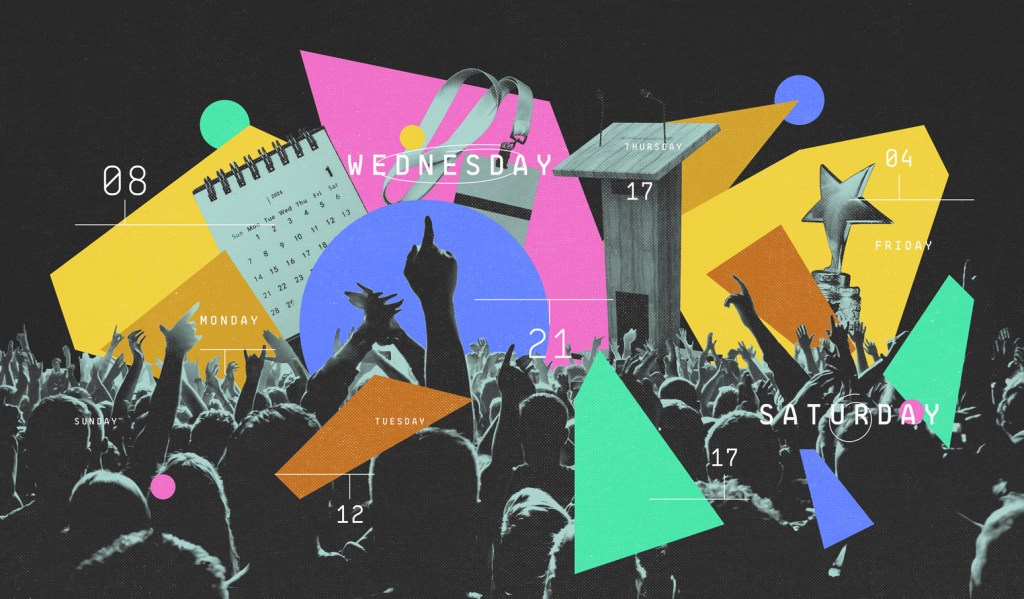
Billboard has been the music industry’s de facto trade bible since 1894, and its annual events calendar is not simply a list of parties and ceremonies. It functions more like a roadmap - a structured sequence of moments when the industry pauses, takes stock, celebrates achievement, debates its future, and conducts a significant amount of behind-the-scenes business. Label executives use these windows to finalise deals. Managers use award nominations to leverage renegotiations. Streaming platforms align promotional campaigns around the same dates everyone else is watching. The calendar, in other words, is infrastructure. Understanding it helps you read the industry’s moves with much greater clarity.
The rhythm of the year is also surprisingly consistent. January typically kicks off with conference season, where executives gather to debate everything from AI-generated music to licensing reform. Spring brings major awards shows. Summer explodes with festival culture and live touring revenue - still the single biggest income stream for most working artists. Autumn returns to conference mode, often with a technology and innovation focus. And the final quarter delivers the year-end charts and lists that generate enormous cultural conversation. Knowing this rhythm means you are never caught off guard by industry news - you understand exactly why a particular story is breaking at a particular moment.
The Awards Season That Defines Careers
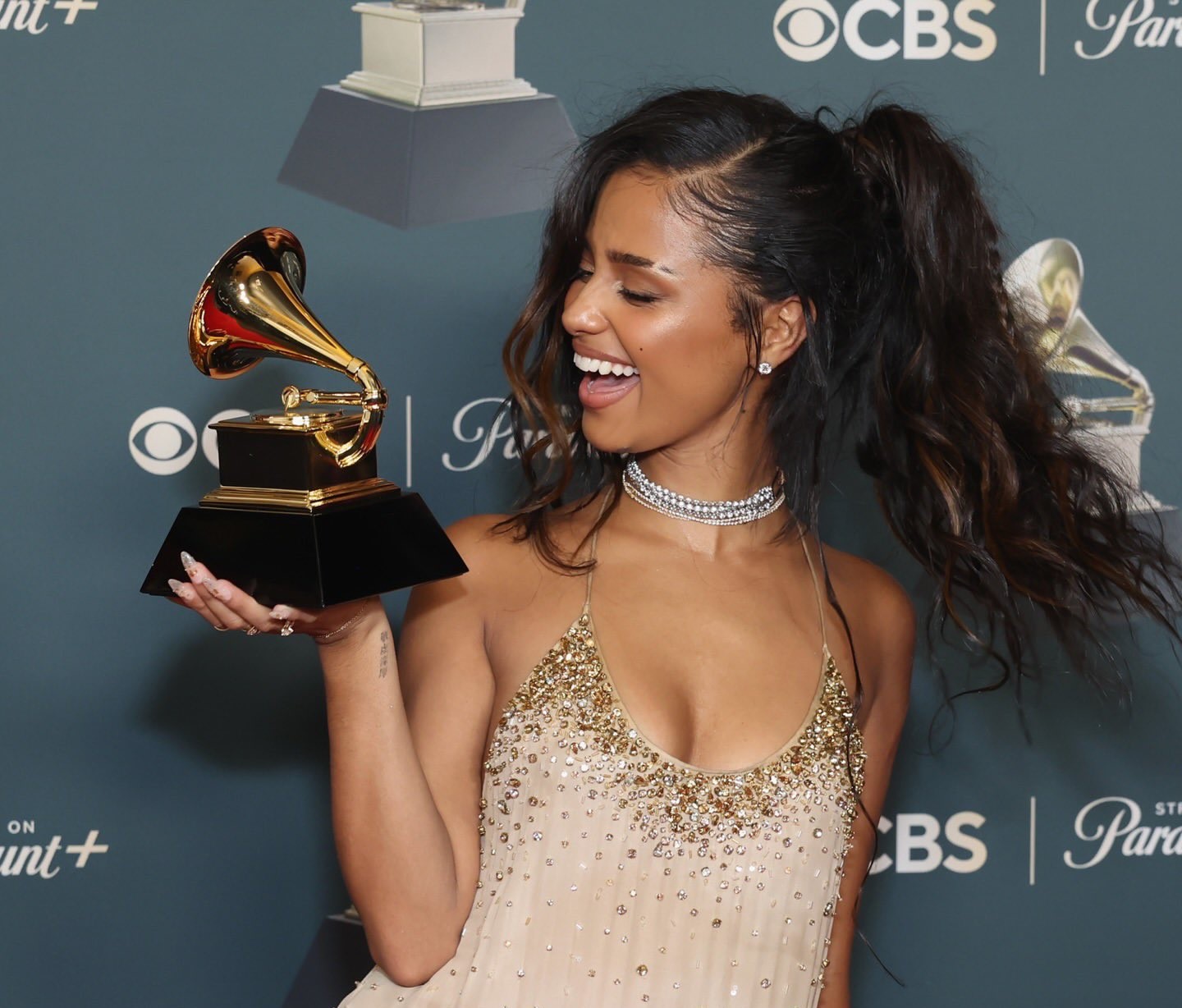
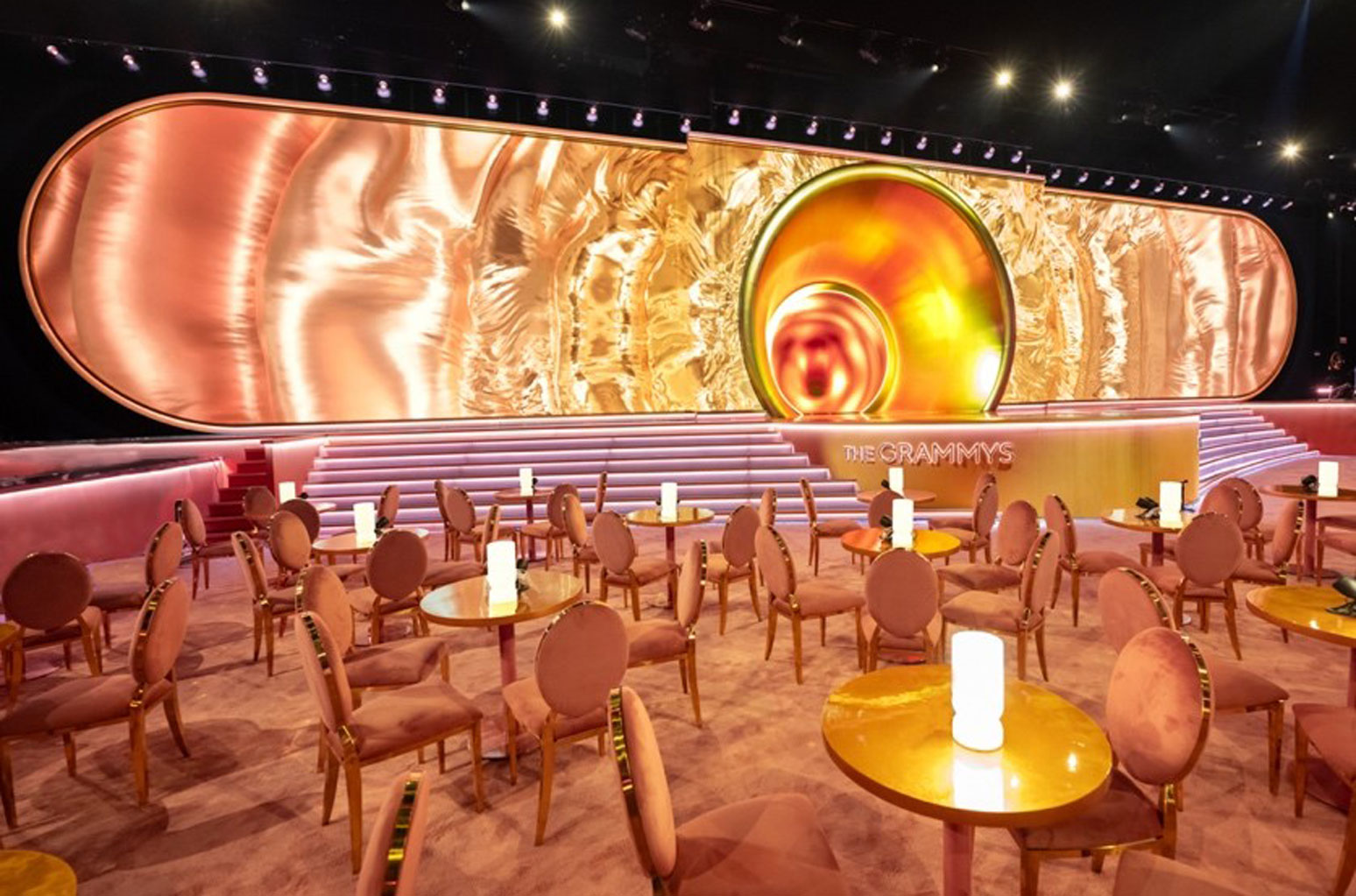
Awards season in music is longer and more layered than most people realise. The Grammy Awards - which Billboard covers exhaustively - remain the undisputed centrepiece, drawing global attention each February and carrying genuine career weight for nominees and winners alike. A Grammy nomination can add tens of thousands of streams overnight and completely reframe how a mid-tier artist is perceived by labels, promoters, and playlist curators. The Recording Academy has spent recent years working to diversify both its membership and its categories, adding new genre fields and adjusting voting eligibility rules in response to longstanding criticism about the Grammys overlooking Black artists and commercially dominant pop acts.
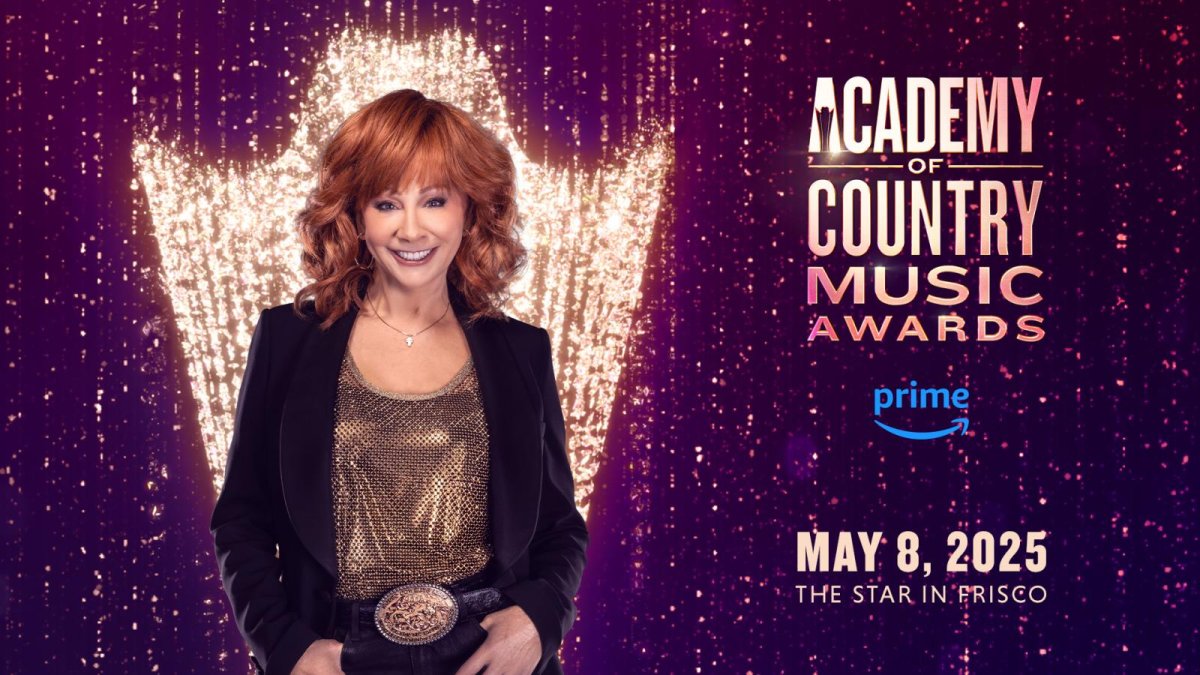
But the Grammys are just the headline act. The Billboard Music Awards, which air typically in May, operate on a different principle entirely - the winners are determined by Billboard chart performance rather than peer voting, making them a more direct reflection of commercial success and streaming dominance. The American Music Awards, the MTV VMAs, the BET Awards, and the iHeartRadio Music Awards each occupy their own distinct cultural space, serving different audiences and recognising different flavours of achievement. The BET Awards in particular carry enormous weight within Black music communities and have become an increasingly important platform for Afrobeats artists as the genre’s global footprint expands. Artists like Burna Boy, Wizkid, and Tyla have all been recognised at BET in recent cycles, a clear signal of where the mainstream is moving.
Conferences Where the Real Conversations Happen
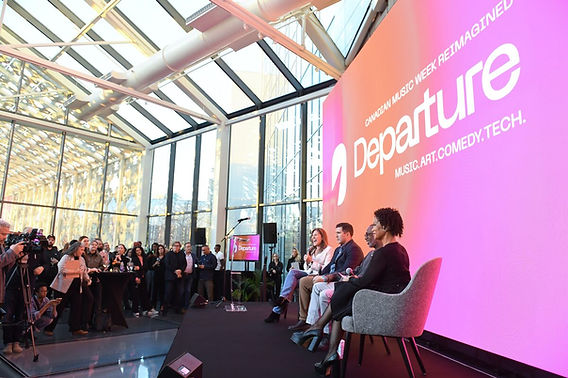
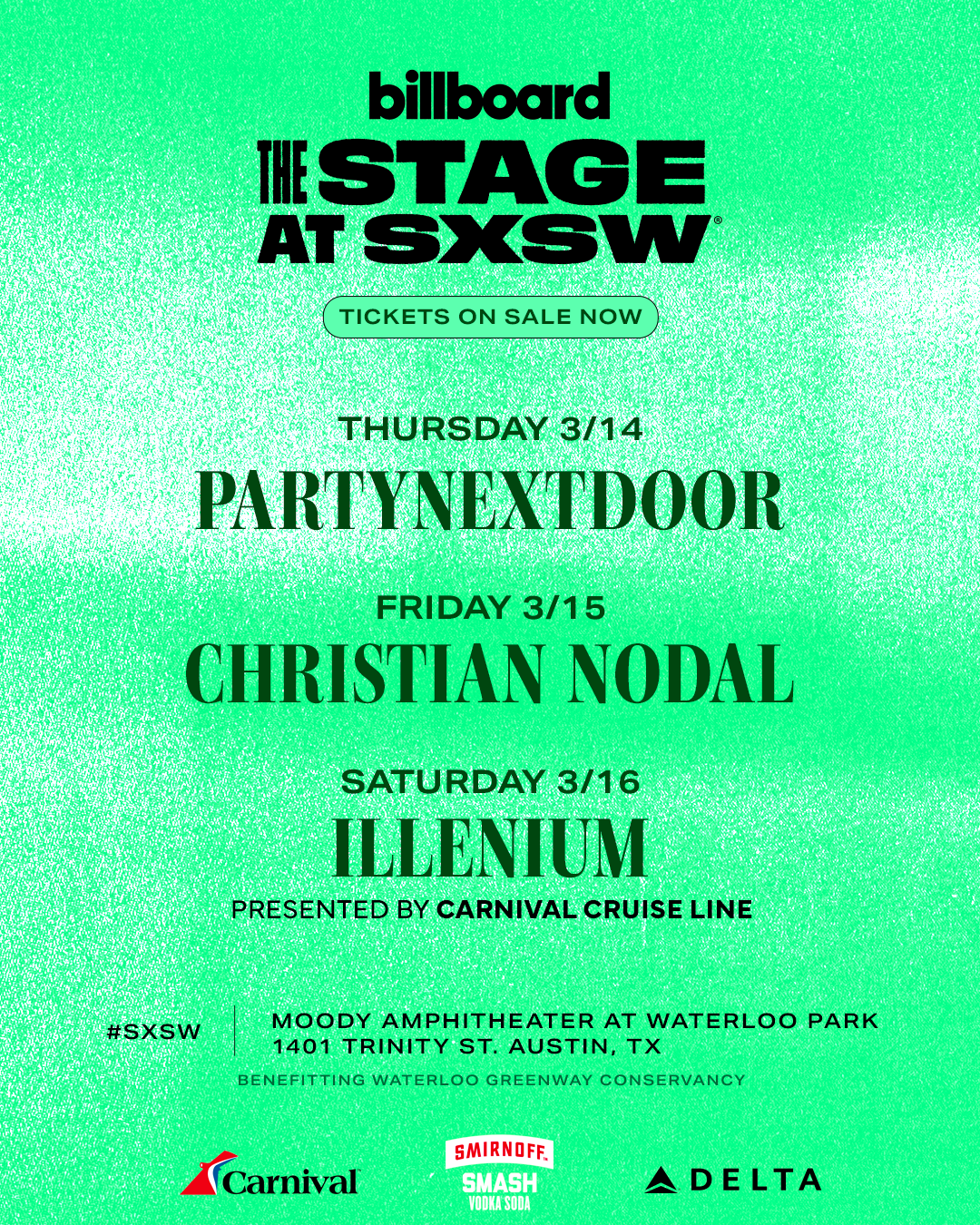
If the awards shows are the front-of-house spectacle, the industry conferences are the back rooms where the real architecture of the business gets built. South by Southwest (SXSW) in Austin, Texas, every March remains one of the most important annual gatherings in music - part showcase for emerging talent, part conference for executives, part cultural festival, and entirely chaotic in the best possible way. It has launched or accelerated the careers of artists ranging from John Mayer and Billie Joe Armstrong in earlier eras to more recent breakout acts who used the festival’s extensive media coverage to establish national profiles almost overnight. For African artists trying to crack the North American market, a well-placed SXSW showcase can be transformative.
The Music Business Association (Music Biz) conference, held annually in Nashville, draws label executives, distribution companies, streaming platforms, and music technology firms for several days of panel discussions and deal-making. Billboard’s own live events - including the Billboard Power 100 gathering and various summits focused on Latin music, country music, and R&B/hip-hop - have grown substantially in prestige and attendance over the past decade. The Midem conference in Cannes, though it has undergone significant restructuring in recent years, still represents an important touchpoint for the European and international music business. And the increasingly influential African Music Summit events, growing in both Lagos and Johannesburg, are beginning to appear on the radar of Billboard’s global events coverage - a development worth watching closely.