In an industry dominated by a handful of Western mega-corporations - Universal Music Group, Sony Music, Warner Music - it is increasingly rare for an Asian entertainment company to command serious attention on the global stage. Yet Avex, Japan’s largest independent entertainment conglomerate, has been quietly doing exactly that, and the man driving much of that ambition is Katsumi Kuroiwa. As one of the senior executives at Avex Group, Kuroiwa has spent years helping to steer a company that was once primarily known for its dominance in J-pop into something far more expansive and internationally minded. His recent conversation with Billboard as part of their Global Power Players series offers a rare and revealing window into how that transformation is actually happening.
Avex has been a cornerstone of Japanese popular music since the 1990s, responsible for launching some of the country’s biggest stars and shaping the sonic identity of an entire generation of J-pop. The company’s roster has historically included artists like Ayumi Hamasaki and Exile, and it has long maintained a sophisticated infrastructure around talent management, music distribution, and live events within Japan. But the global music economy has shifted dramatically, particularly in the streaming era, and Kuroiwa appears to understand that sitting still is not an option. What makes his profile in the Billboard Global Power Players series so compelling is not just the deal he helped broker - it is the broader vision he articulates for where Avex wants to go.
The Bruno Mars Publishing Deal That Turned Heads
The detail that immediately catches the ear in any conversation about Avex’s recent international moves is the publishing deal involving Bruno Mars. Bruno Mars is not just a successful artist - he is one of the most commercially consistent and critically respected musicians of the last two decades. From his early smash hits like “Just the Way You Are” to his more recent genre-blending work with Anderson .Paak under the name Silk Sonic, Mars has demonstrated an almost uncanny ability to write songs that feel both timeless and immediately pleasurable. Securing any form of publishing arrangement tied to his catalog is the kind of move that signals serious intent and serious resources.
Image: The Hollywood Reporter
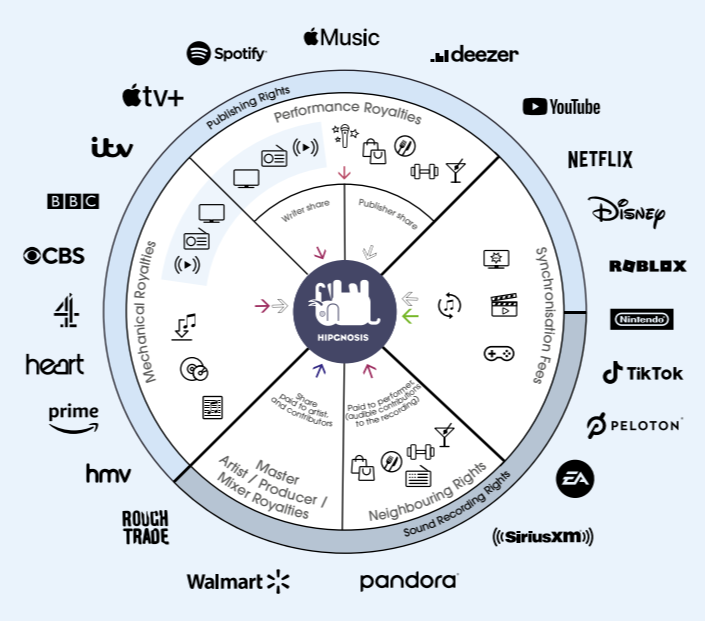
Publishing deals in the music industry are not always glamorous headline fodder, but they are increasingly where the real financial power resides. When a company acquires or co-manages publishing rights to a song, they participate in royalties every time that song is streamed, licensed to a film or TV show, played on the radio, or used in a commercial. In Bruno Mars’s case, the earning potential attached to that catalog is staggering, given how persistently his music continues to feature in advertising campaigns, television placements, and streaming playlists worldwide. For Avex to have positioned itself at the table for a deal of this caliber suggests that Kuroiwa and his team have been doing far more than anyone in the Western music press previously gave them credit for.
Avex’s Quiet But Aggressive Global Catalog Strategy
The Bruno Mars connection is not an isolated maneuver - it appears to be part of a deliberate and structured strategy that Avex has been building out over recent years. Music catalog acquisition has become one of the hottest investment categories in the entertainment world, with major players like Hipgnosis Songs Fund, Primary Wave, and the major labels themselves spending billions to acquire the rights to songs from artists ranging from Bob Dylan to Shakira. Avex’s entry into this space signals that the company is positioning itself not just as a regional player in Asia but as a genuine global force in music rights and intellectual property. It is a smart play, and the timing is not accidental.
Ad SpaceIn-Article - 300x250
Advertisement
Image: Long Angle
What Kuroiwa brings to this conversation is an interesting perspective rooted in understanding both the creative and commercial dimensions of music. Japanese entertainment companies have historically been very protective of their domestic markets and sometimes slow to integrate into international frameworks, but Avex under leadership like Kuroiwa’s seems to be deliberately breaking from that tradition. The goal, as outlined in his Billboard interview, appears to be building a music catalog portfolio with genuine international depth - not just accumulating Japanese-language content, but securing rights across languages, genres, and markets. That ambition, if executed well, would represent a meaningful reshaping of how the industry thinks about Asian entertainment companies.
What Japan’s Music Industry Brings to the Global Table
It is worth pausing to appreciate the unique position Japan occupies in the global music economy, because context matters here. Japan consistently ranks as one of the top two or three music markets in the entire world by revenue, trailing only the United States and frequently competing with markets like the United Kingdom and Germany for second place. Physical music sales in Japan remain remarkably robust compared to almost every other major economy, which speaks to a deeply engaged and loyal music-consuming public. That financial base gives a company like Avex real leverage and real capital to deploy in global markets, which is something that often gets overlooked when Western industry observers think about Asian music companies.
Image: BBC
Beyond the economics, there is also a creative credibility argument to be made. Japanese music production, arrangement, and songwriting have long been regarded within the industry as technically sophisticated and genuinely innovative. The global success of anime soundtracks, the slow but steady international rise of city pop as a genre, and the extraordinary global phenomenon of acts like BTS - which prompted far more scrutiny of all East Asian pop music - have all contributed to a moment where Japanese and broader Asian music industry figures are being taken more seriously by their Western counterparts than at any previous point in modern music history. Kuroiwa is operating in a window of opportunity that may not stay open indefinitely, and he seems acutely aware of that.
Kuroiwa’s Blueprint, and What Avex’s Global Bet Actually Means
Reading between the lines of the Billboard Global Power Players conversation, the picture that emerges of Kuroiwa is of a pragmatic executive with a long-term view and a genuine appetite for risk. Signing a Bruno Mars publishing deal is not the kind of move a company makes if it is only thinking about the next quarterly earnings report. It is a generational bet - a statement that Avex believes music rights acquired today will continue generating value for decades to come. That is a confidence in the enduring power of great songs that feels almost refreshingly old-fashioned in an industry that sometimes seems obsessed with chasing the next viral moment on social media.
Image: Billboard
There is also a broader industry implication here that deserves attention. The increasing participation of Asian entertainment companies in global music rights acquisition - whether through Avex’s moves or the broader activities of Korean entertainment giants like HYBE and SM Entertainment - represents a genuine diversification of power within an industry that has historically been controlled almost entirely from New York, London, and Los Angeles. For audiences who care about where the music industry is headed, and for African artists and executives who are themselves navigating how to secure publishing rights and build internationally competitive music businesses, the Avex story offers a genuinely instructive case study. Building global leverage starts with strategic patience and the willingness to make bold acquisitions in a language the whole world speaks - in this case, the language of a great Bruno Mars song.
Katsumi Kuroiwa may not yet be a household name outside of industry circles, but his fingerprints are on deals that are actively reshaping how music business power is distributed across the planet. Avex is no longer just the home of J-pop - it is building a catalog that could sit comfortably alongside those of the biggest rights holders in the world, and that is a development worth watching closely right now.
Ad SpaceIn-Article - 300x250
Advertisement
Share
Get the recap
Loved this story? Get more like it.
Join readers who get our weekly entertainment recap - the stories worth your time, delivered every Friday.
No spam. Unsubscribe anytime. By signing up you agree to our Privacy Policy.