
Table of Contents
- Relief and Reflection: The End of Another Arsenal Campaign
- Celebrity Gunners: Famous Faces in the Arsenal Family
- The Emotional Investment of Supporting Arsenal
- Social Media Reactions and Fan Culture
- Looking Ahead: Hope Springs Eternal
Relief and Reflection: The End of Another Arsenal Campaign
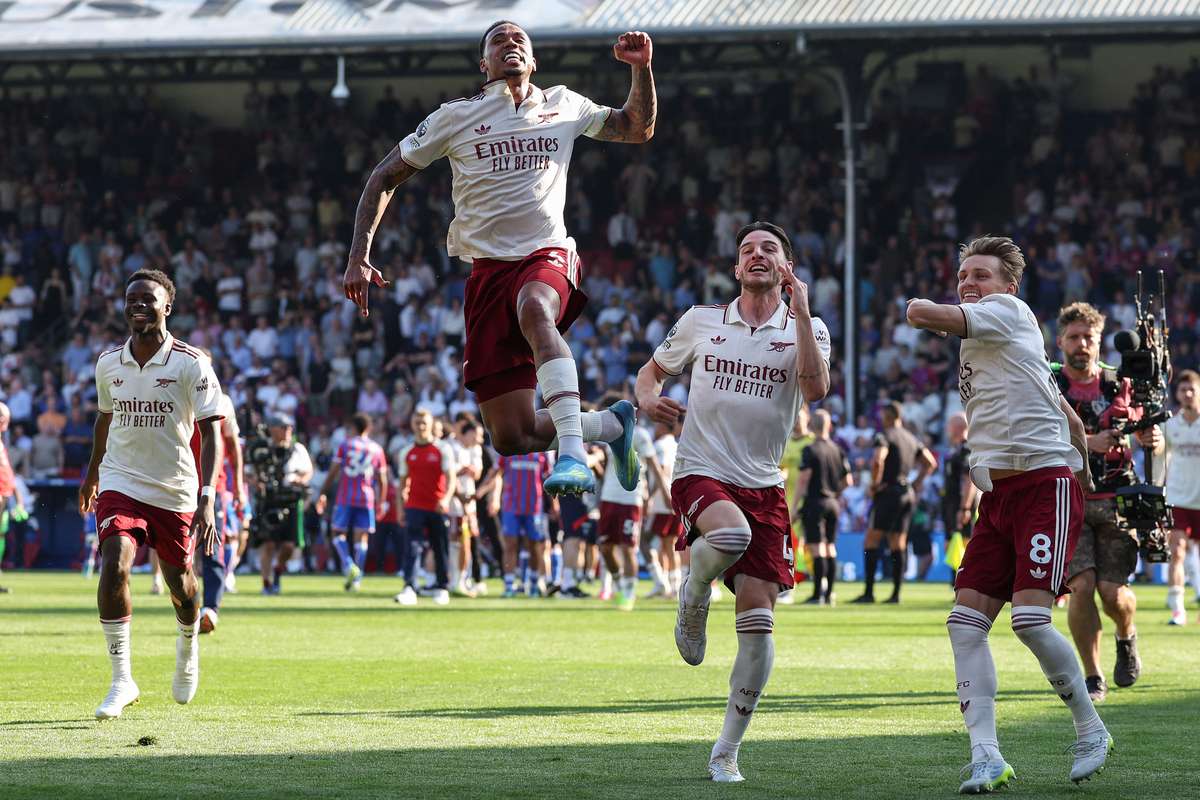
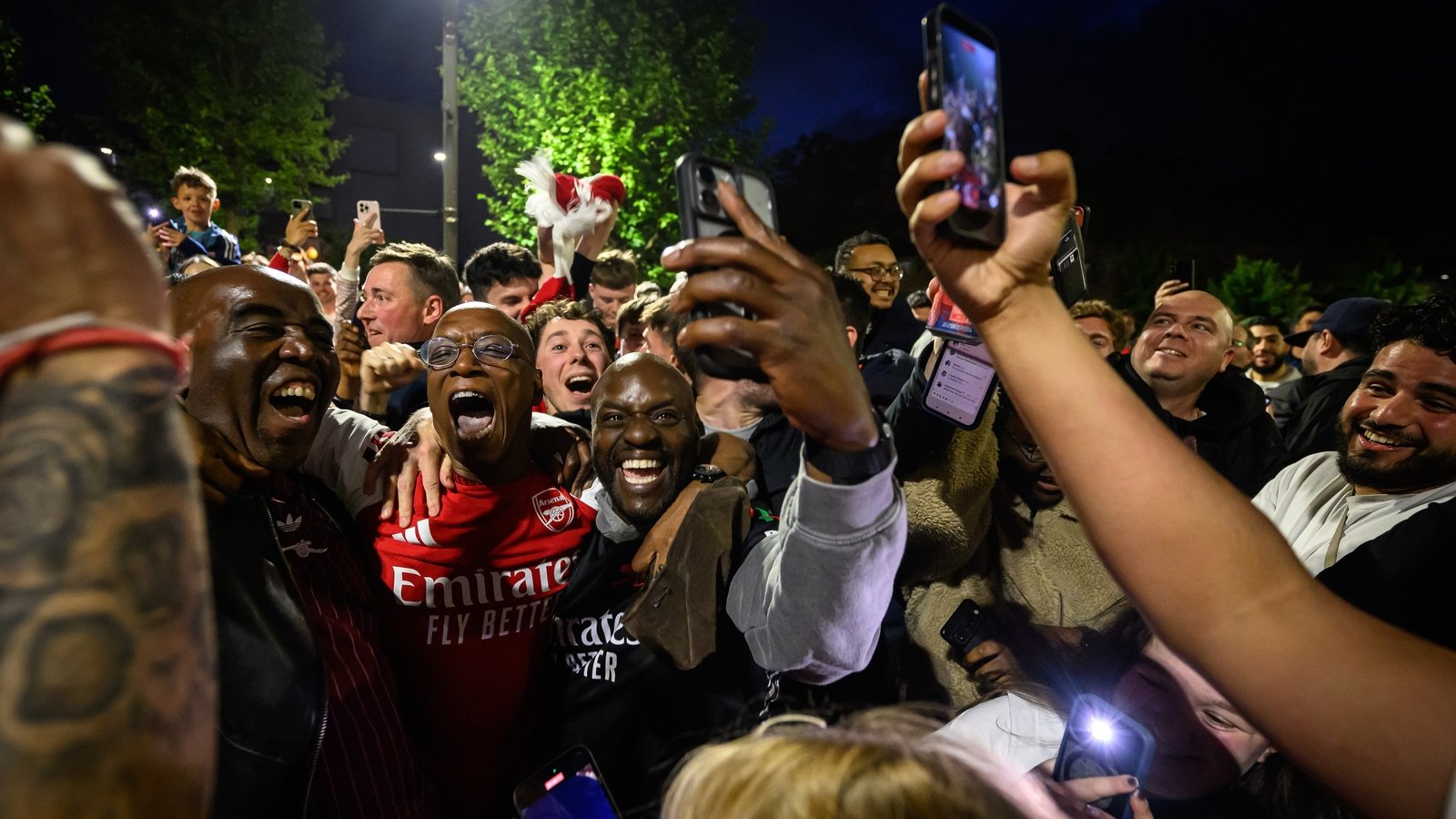
The final whistle has blown on another Arsenal season, and across London and beyond, the collective sigh of relief from the Gunners faithful is almost audible. “Thank God it is over,” has become a familiar refrain echoing through social media platforms, fan forums, and the entertainment circles where Arsenal’s celebrity supporters gather to commiserate or celebrate. This sentiment, while perhaps harsh, captures the emotional exhaustion that comes with supporting one of the Premier League’s most unpredictable clubs. For Arsenal fans in the entertainment industry - from musicians to actors to social media influencers - the season’s end represents a chance to step back from the weekly emotional rollercoaster that defines life as a Gooner.
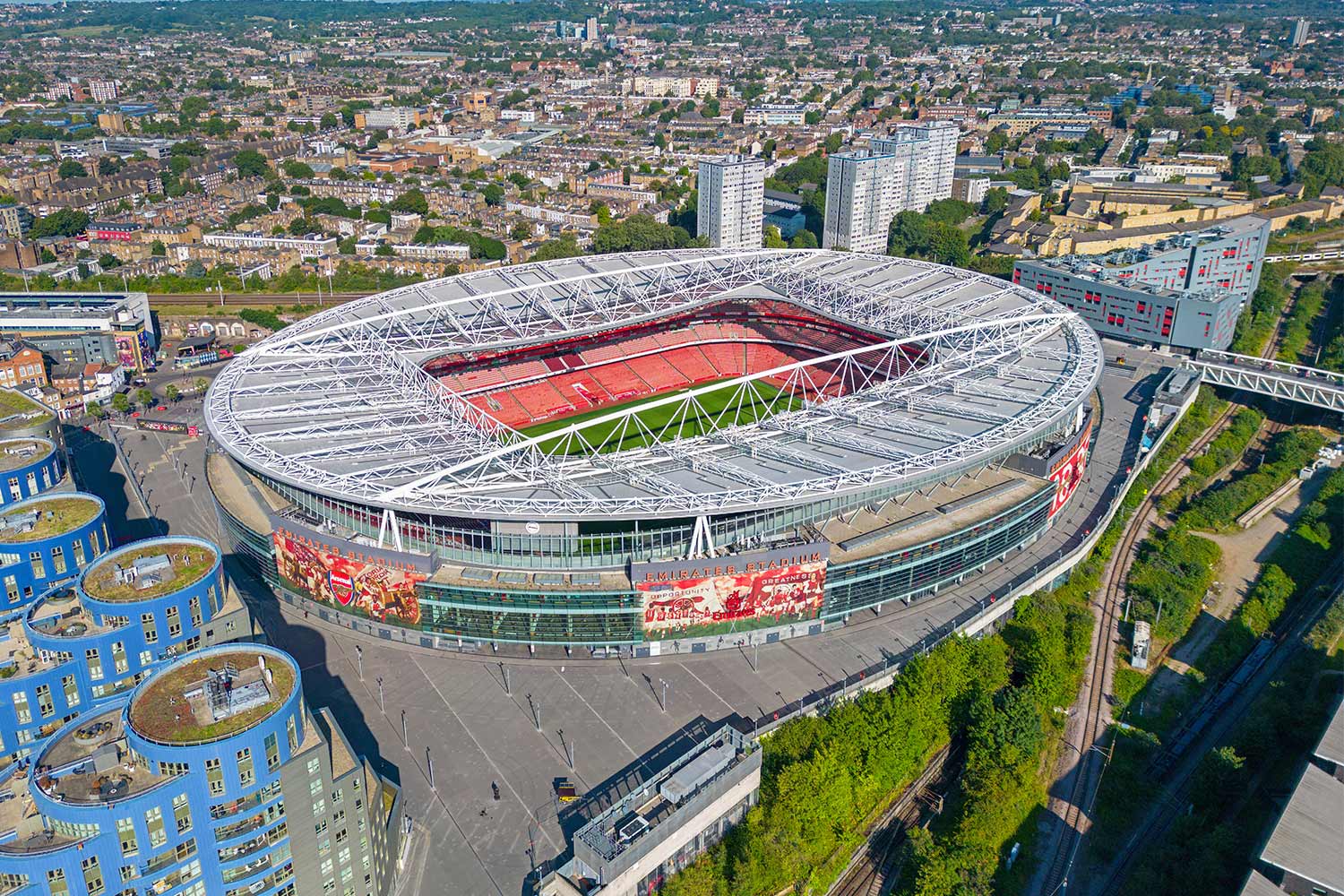
The phrase “Yes oh. Now, Arsenal players and their fans can now allow all of” speaks to a deeper cultural phenomenon where football transcends mere sport and becomes intertwined with identity, lifestyle, and even career considerations for those in the public eye. Celebrity Arsenal supporters often find their mood, social media presence, and public appearances directly affected by their team’s performance. The season’s conclusion offers a temporary reprieve from this intense emotional investment, allowing both players and famous fans to reset mentally and emotionally.
Celebrity Gunners: Famous Faces in the Arsenal Family
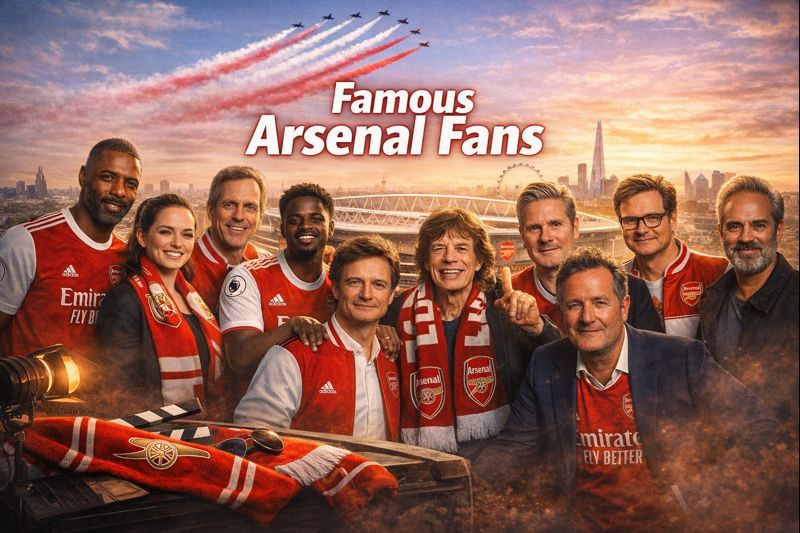
Arsenal’s celebrity fanbase reads like a who’s who of the entertainment world, spanning across music, film, and media. From Idris Elba’s passionate support to Piers Morgan’s vocal criticism and unwavering loyalty, the club has attracted some of the most recognizable faces in entertainment. These celebrity supporters don’t just watch from the sidelines - they actively engage with the club’s fortunes, often becoming unofficial ambassadors for the Arsenal brand in their respective industries. Their public displays of support, whether through social media posts, attending matches, or incorporating Arsenal references into their work, help bridge the gap between traditional football culture and modern entertainment.
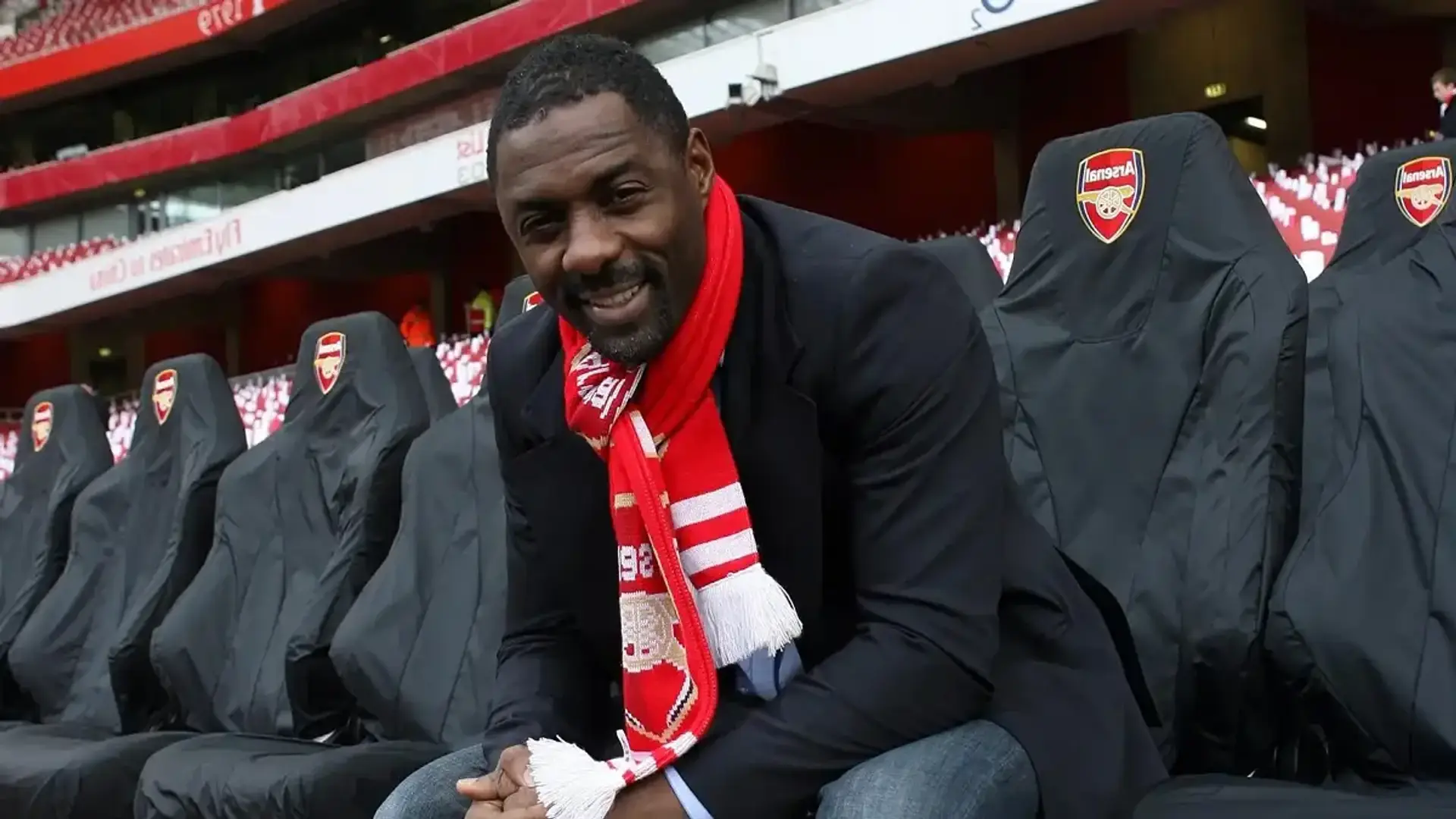
The influence of these celebrity fans extends beyond mere publicity for the club. Their emotional investment mirrors that of regular supporters, creating a shared experience that transcends social and economic boundaries. When Arsenal struggles, you’ll find Grammy-winning artists expressing the same frustration as fans in the stands. When the team succeeds, Hollywood actors celebrate with the same unbridled joy as supporters who’ve followed the club for generations. This democratization of football fandom through celebrity culture has created new ways for the sport to intersect with entertainment media and popular culture.
The Emotional Investment of Supporting Arsenal
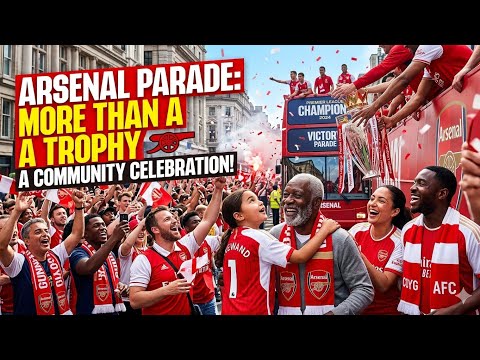
Supporting Arsenal requires a particular kind of emotional resilience that has become something of a cultural phenomenon in itself. The club’s recent history - marked by near-misses, promising starts followed by disappointing finishes, and the constant tension between expectation and reality - has created a unique psychological profile among its supporters. For celebrities whose careers depend on maintaining public personas and managing stress, this additional layer of emotional investment can be particularly challenging. The relief expressed at season’s end isn’t just about football results; it’s about the mental space that supporting Arsenal occupies in fans’ lives.
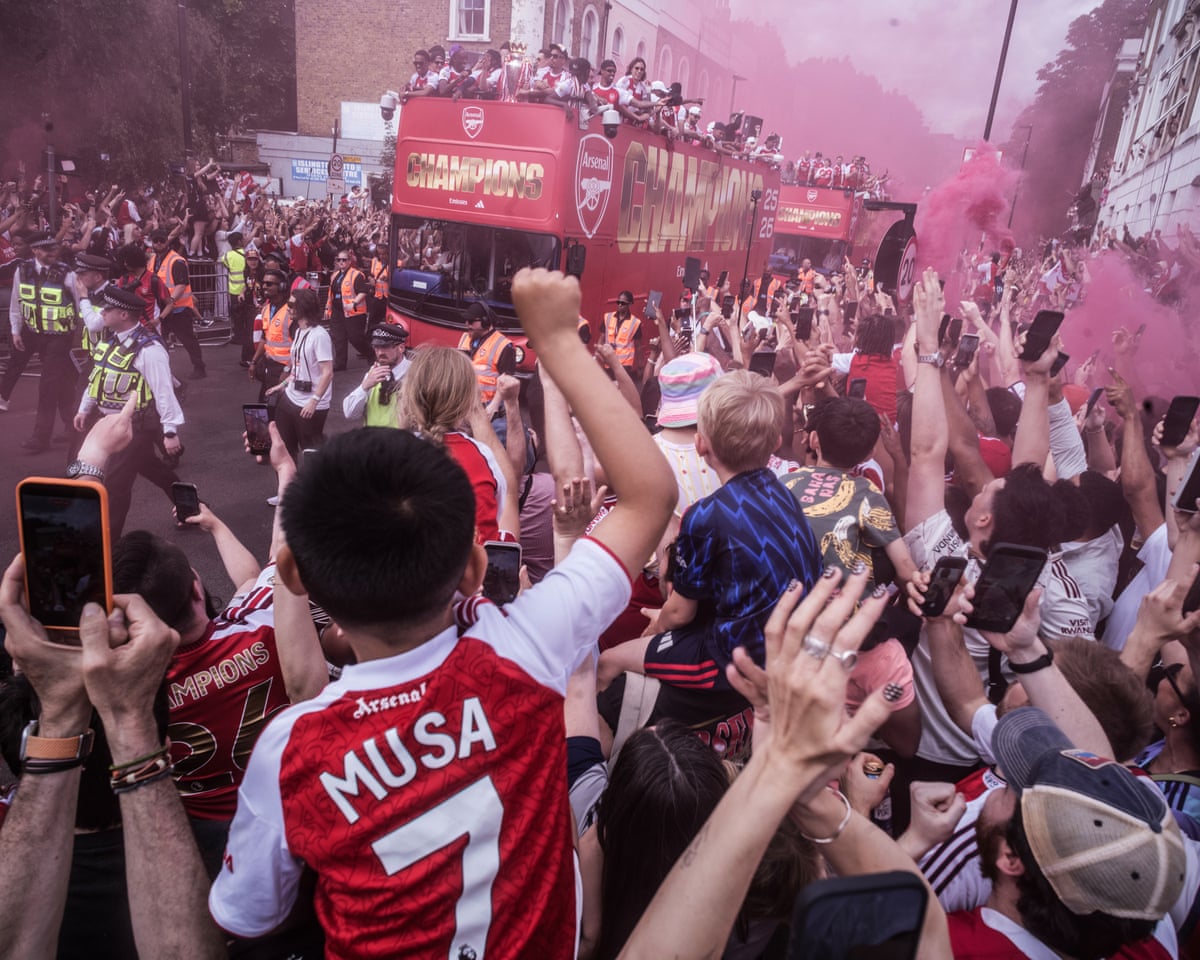
The entertainment industry’s relationship with Arsenal has also highlighted how football fandom can influence creative output. Musicians have written songs inspired by their Arsenal experiences, comedians have built routines around the club’s tendency to create dramatic moments, and actors have drawn on the emotional complexity of supporting the Gunners for their performances. This cross-pollination between football emotion and artistic expression has created a unique cultural subset where sporting disappointment becomes creative fuel, and the season’s end represents both relief from stress and the beginning of a reflective period that often results in new artistic works.