
Alan Jackson's Farewell and the Quiet Lesson It Offers African Musicians on Legacy and Longevity
Music

Alan Jackson's Farewell and the Quiet Lesson It Offers African Musicians on Legacy and Longevity

Arianne ColeArianne Cole··9 min read
Advertisement

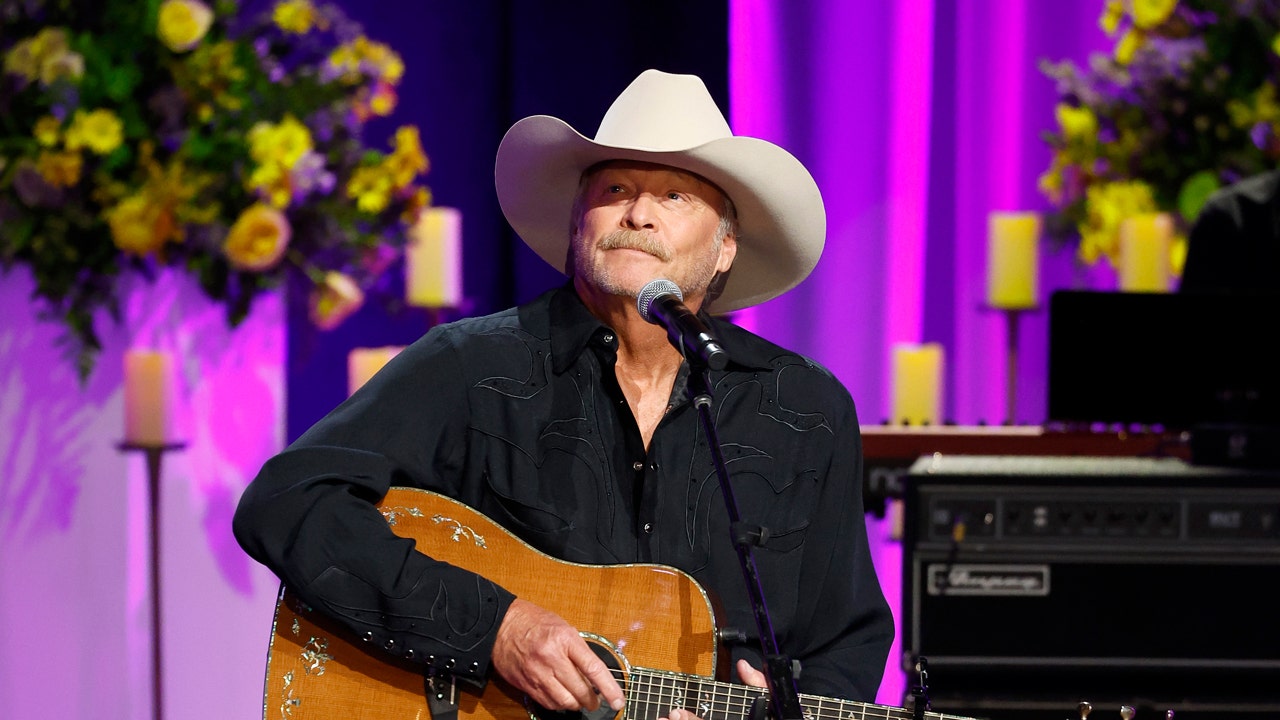
Nissan Stadium in Nashville holds tens of thousands of people, and on a warm June night in 2026 it held a feeling that no setlist could quite contain. The stage belonged to a tall, soft-spoken Georgia native who had spent more than three decades turning ordinary American life into number-one records. The concert was billed as “Last Call: One More for the Road – The Finale,” and the title carried the weight of something ending. Around the country, fans who could not get tickets gathered downtown to watch on screens, and a film crew captured it all for a television special. What happened that night was not a collapse or a scandal or a fade into obscurity. It was a deliberate, dignified close to a career, staged on the artist’s own terms while he could still stand at the microphone and sing the songs people came to hear.

For musicians in Lagos, Accra, Johannesburg, and beyond, that scene might feel distant. Country music and Afrobeats sit in different worlds, separated by oceans, genres, and audiences. Yet the questions underneath that farewell are universal. How does an artist build a body of work that outlasts a single hot streak? How do you protect your health and your name when the industry asks for more than your body can give? And how do you decide when, and how, to step away? The story of this particular goodbye is worth studying closely, not because African artists should imitate a country singer, but because the architecture of a lasting career rarely changes from one continent to the next.

The Career That Built the Farewell

Alan Jackson country - The Career That Built the Farewell

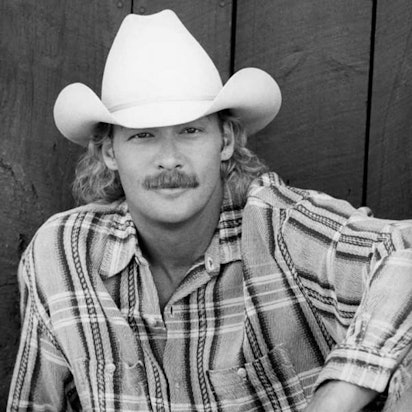
Before there was a farewell worth this much attention, there was a long, patient climb. The man at the center of that 2026 concert was born in Newnan, Georgia, in 1958, and his path into music was anything but instant. He moved to Nashville in his late twenties with his wife, Denise, and took a job in the mailroom of The Nashville Network while writing songs and singing demos. That detail matters. The legend did not begin with a viral moment or a lucky placement. It began with proximity to the industry, persistence, and a willingness to do unglamorous work while learning the craft.

The breakthrough came at the end of the 1980s, when he became the first artist signed to the newly formed Arista Nashville label. His 1990 debut album, “Here in the Real World,” announced a voice that was plain, warm, and unpretentious, and the title track climbed into the upper reaches of the country charts. From there the hits did not slow down. “Don’t Rock the Jukebox,” “Chattahoochee,” “Chasin’ That Neon Rainbow,” and “Remember When” became fixtures of country radio. “Chattahoochee” earned him Single and Song of the Year honors from the Country Music Association in 1994, and “Remember When” remains his only single certified four-times platinum.

The numbers attached to his career are the kind that take a lifetime to assemble. He has sold more than 75 million records worldwide, placed dozens of songs on the country charts, and notched 35 number-one hits over the decades. His shelf holds 16 Country Music Association Awards, 17 Academy of Country Music Awards, and two Grammys. In 2017 he was inducted into the Country Music Hall of Fame by Loretta Lynn, a fellow Southerner whose own story of rural roots and hard-won success mirrored his. Estimates of his personal fortune hover around the 150 million dollar mark, though such figures are best treated as informed guesses rather than audited fact. What the catalogue makes clear is that the farewell concert was not the start of his legacy. It was a capstone placed on a structure that had been under construction for 35 years.

A Voice That Refused to Chase Trends

Alan Jackson country - A Voice That Refused to Chase Trends

One reason the body of work held up is that it was built on a clear identity. Throughout the 1990s and 2000s, country music repeatedly reinvented itself, leaning into pop crossover sounds, slick production, and whatever was selling at the moment. The Georgia singer largely declined to follow. He kept his arrangements traditional, his lyrics conversational, and his subject matter rooted in the everyday textures of Southern life – small towns, long marriages, fishing holes, and faith. When much of Nashville chased the radio-friendly hybrid that critics later nicknamed by various dismissive labels, he became known as a defender of the genre’s roots.

That choice cost him certain opportunities and certain demographics. It also gave him something more durable, which was a recognizable signature. Listeners knew what a song from him would sound like and what it would be about, and that consistency built a deep, loyal relationship over time. After the September 2001 attacks in the United States, he wrote “Where Were You (When the World Stopped Turning),” a quiet, searching song that captured a grieving nation without resorting to anthemic bombast. It won a Grammy for Best Country Song and demonstrated that staying in his lane did not mean staying small. The lane itself was wide enough to hold a national moment.

For African and Nigerian artists, the temptation to chase whatever is trending is constant and intense. The streaming economy rewards novelty, and the pressure to jump on every viral sound, every dance challenge, every fleeting subgenre can pull an artist in a dozen directions at once. The country singer’s example is not an argument against evolution. Sounds must grow or they calcify. It is an argument for an identifiable core – a sound, a worldview, a way of writing that fans can recognize even as the production around it modernizes. Artists who become synonymous with a clear musical signature tend to outlast those who are merely good at imitating the current hit.

The Health Disclosure He Handled on His Own Terms
Alan Jackson country - The Health Disclosure He Handled on His Own Terms

The farewell carries an added dimension because of what the artist has shared about his health. In September 2021, on a national morning television program, he revealed that he had been living with Charcot-Marie-Tooth disease, often abbreviated as CMT. The condition is a hereditary neurological disorder that affects the nerves controlling the limbs, gradually causing weakness, balance problems, and difficulty with movement. He explained that he had inherited it from his father and had known about his diagnosis for roughly a decade before going public, and that the symptoms had begun to show in his stumbling and his struggle to stay steady at the microphone.

Advertisement

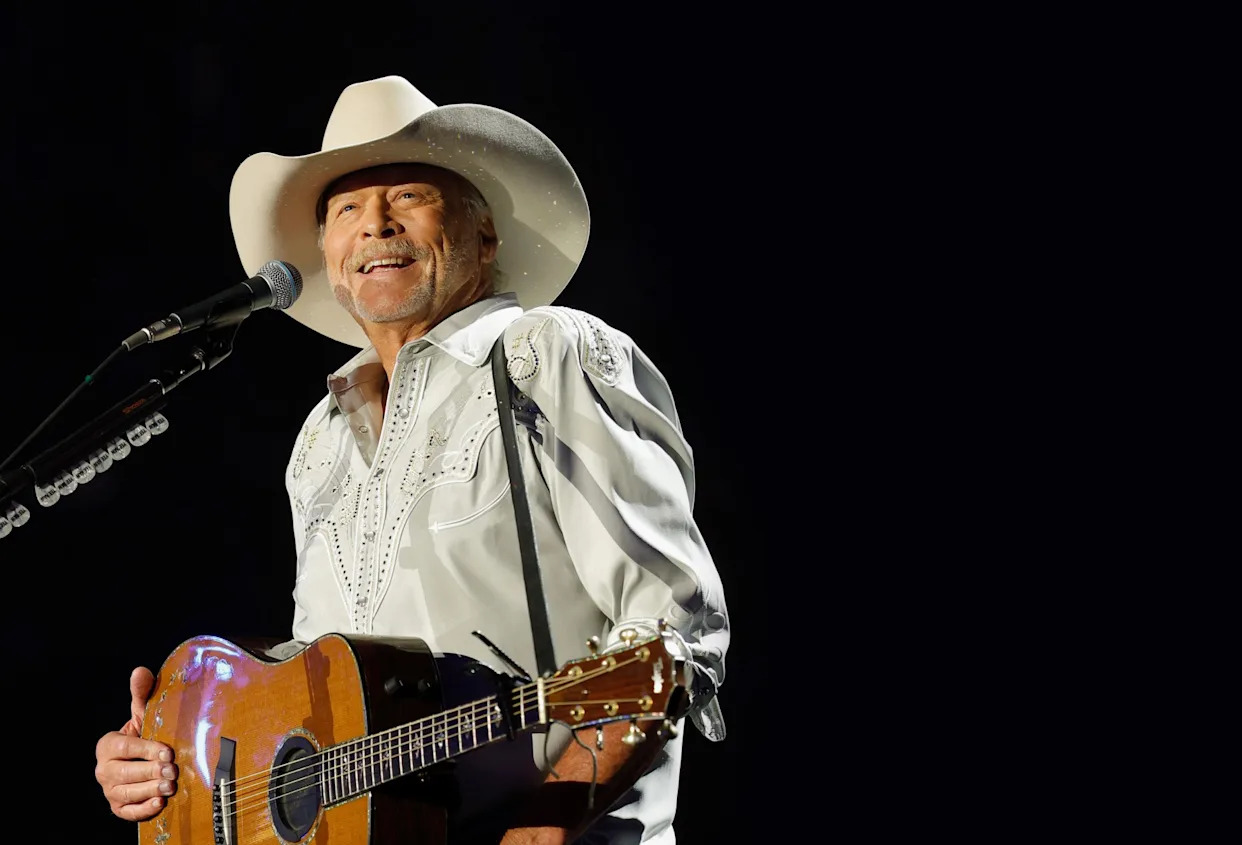
It is important to be precise and respectful here. The disease is not terminal in the way some headlines have implied, and the artist himself framed his disclosure plainly, as an explanation for what audiences were beginning to notice rather than a plea for sympathy. There is no cure, and the condition is progressive, which is part of why a farewell tour made sense while he could still perform at the level his fans expected. Rather than hide the diagnosis or push through until a public breakdown forced the issue, he chose to name it, on his own schedule, in his own words. He also turned the disclosure outward, directing a portion of ticket proceeds toward the CMT Research Foundation and helping raise well over two million dollars for research into the condition.

That combination – candor without spectacle, and turning a personal hardship into a contribution to others – is the part of this story most worth carrying across to any music culture. In Nigeria and across much of Africa, illness among public figures is often shrouded in secrecy, partly because of stigma and partly because of an industry that treats vulnerability as a weakness to be hidden. The country singer’s approach offers a different model. He neither performed his suffering for attention nor pretended nothing was wrong. He managed the narrative with dignity, protected his legacy from a slow public decline, and used his platform to help people facing the same diagnosis. Health is not separate from career planning. For artists whose instrument is their own body, it is central to it.

Why the Catalogue Outlasts the Concert

Alan Jackson country - Why the Catalogue Outlasts the Concert

The most quietly radical thing about this farewell is what it reveals about the difference between fame and assets. The concert will end. The television special will air, stream, and eventually settle into the archive. But the catalogue – the dozens of songs, the publishing rights, the recordings – will keep working long after the final encore. This is the part of the music business that flashy careers often neglect and that durable careers obsess over. Songwriting royalties, master recordings, and a back catalogue that radio and streaming services keep playing form an income stream and a legacy that do not depend on the artist being on stage, or even being alive.

The Georgia singer wrote or co-wrote much of his own material, which means he owns a meaningful share of the value his songs generate. That is not an accident of talent. It is a structural decision, made early and repeated for decades, to be a songwriter and not merely a performer of other people’s work. Every time one of his songs is licensed for a film, streamed on a playlist, or covered by a younger artist, the catalogue earns. A farewell tour monetizes the present. A well-built catalogue monetizes the future, indefinitely.

This is perhaps the single most actionable lesson for African and Nigerian musicians. The Afrobeats boom has produced global stars and enormous cultural influence, but the underlying business of who owns the masters, who controls the publishing, and who collects the royalties is often disadvantageous to the artists themselves. Too many talented performers sign away the long-term value of their work in exchange for short-term advances and exposure. The country singer’s career is a reminder that ownership is the difference between a hot decade and a multigenerational asset. A song you wrote and own can support your family, fund your causes, and carry your name for fifty years. A hit you merely performed, with the rights held by someone else, can leave you with applause and little else once the spotlight moves on.

Knowing How to Leave the Stage

Alan Jackson country - Knowing How to Leave the Stage

There is a particular kind of grace in choosing the manner of your own exit, and it is rarer in music than it should be. Many artists never get to script their goodbye. Careers fade quietly, end in financial trouble, or are cut short before anyone has time to plan. The 2026 finale was the opposite of all that. It was an artist, fully aware of a progressive illness, deciding to stage a celebration while he still could, surrounded by peers and successors who came to honor him. The guest list that night read like a survey of country music’s present and future, with established stars and rising names sharing the stage to mark the moment. That, too, is a form of legacy – being the kind of figure that an entire generation of younger artists wants to stand beside on the way out.

The lesson for any musician with a long arc ahead is not about retirement specifically. Most African artists reading this are decades from any such decision, and the goal is to build, not to wind down. The lesson is about intentionality at every stage. The farewell only landed the way it did because of choices made across an entire career – the early years of unglamorous work, the refusal to abandon a core identity, the ownership of the catalogue, the honest handling of personal hardship, and the relationships built with the wider music community. A graceful exit is not a single decision made at the end. It is the sum of thousands of decisions made along the way, most of them invisible at the time.

What Lagos Can Borrow From a Nashville Goodbye

For Nigerian and African musicians standing at the start or middle of their own journeys, the country singer’s goodbye is less a story about endings than a blueprint for beginnings. Build a sound that is unmistakably yours. Own what you create. Protect your health and your name as carefully as you protect your art. Treat your peers and the artists coming up behind you as collaborators rather than rivals. Do these things consistently, across years rather than viral moments, and the eventual goodbye, whenever and however it comes, will have something worth celebrating. The applause at a farewell is never really for the final night. It is for everything that came before it, and for the body of work that keeps singing once the lights go down.

Advertisement
Share
Get the recap

Loved this story? Get more like it.

Join readers who get our weekly entertainment recap - the stories worth your time, delivered every Friday.

No spam. Unsubscribe anytime. By signing up you agree to our Privacy Policy.

Alan Jackson's Farewell and the... | Sidomex Entertainment