The Lagos-style birthday party has become a fixture of suburban American and British weekend life. The format is consistent wherever it lands: aso-ebi gowns, cash sprayed on the celebrant, jollof out of a chafing dish, and a DJ working a playlist that would land identically in Peckham, Houston, Toronto or Surulere. The same songs, the same dances, the same order of events. The music has done what passports could not. It has made one country out of many.
That country has an anthem now, and it has had one for about a decade. Afrobeats, the Lagos-born pop genre that absorbed highlife, hip-hop, dancehall and R&B into a single percussive language, no longer needs a translator when it lands in Brixton or Bushwick. It moves with the people who carry it, and the people who carry it have built entire weekend economies, fashion habits and identity rituals around the sound. To understand how the genre became the soundtrack of the African diaspora in the UK and US, you have to follow it through three different rooms at once: the estates of South London, the suburban congregations of metro Atlanta, and the event halls of southwest Houston.
The London Pipeline: From Peckham High Street to the O2
South London has been quietly Nigerian for at least two generations. The Peckham, Lewisham and Croydon corridor holds one of the densest Nigerian populations in Britain, with community estimates putting the London Nigerian diaspora well into the hundreds of thousands. Rye Lane in Peckham is sometimes called Little Lagos, and not as a joke. The shops sell egusi seeds in plastic bins, the barbers cut shape-ups while playing Davido out of a Bluetooth speaker, and the kids waiting at Peckham Rye station switch into Yoruba in the time it takes to answer their mum’s call.
That density mattered when the genre started moving. By the mid-2010s, second-generation Nigerian and Ghanaian kids in South London were producing a hybrid sound that British music writers eventually labelled Afroswing, built on UK rap cadence over Lagos drum patterns with melodic hooks borrowed from highlife and dancehall. J Hus came out of east London with Did You See in 2017 and made the radio chart sound suddenly West African. Kojo Funds, Yxng Bane, NSG and Hardy Caprio gave the sound a permanent place on urban radio. AJ Tracey layered Afroswing inflections into grime and made Ladbroke Grove the song of British summer 2019.
Skepta, Wizkid, and the Collaboration That Opened the Door
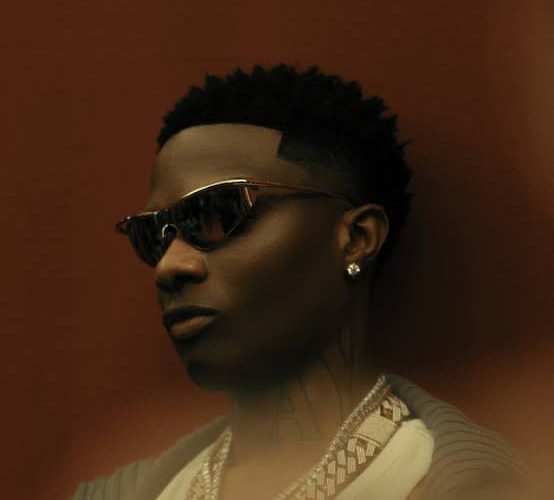
The pivot point most insiders name is 2016, the year Skepta and Wizkid released Energy (Stay Far Away). Skepta was the reigning king of grime, fresh off a Mercury Prize for Konnichiwa. Wizkid had just guested on Drake’s One Dance and watched it spend fifteen weeks at number one in the UK. The two of them on a track together was not a novelty. It was an acknowledgment that the audiences had already merged, and the industry was catching up to what the function rooms already knew.
Stormzy followed with Own It in 2019, featuring Ed Sheeran and Burna Boy, which went on to become the UK’s first number one single of 2020 and put a Port Harcourt voice on supermarket loudspeakers across the country. Pa Salieu, raised in Coventry with Gambian roots, refused to choose between Afrobeats, drill and dancehall, and built a career out of the refusal. By the time the Recording Academy created a Best African Music Performance Grammy, first awarded in 2024, the institutional gatekeepers were simply ratifying a takeover that had already happened.
The O2 Arena as Pilgrimage Site
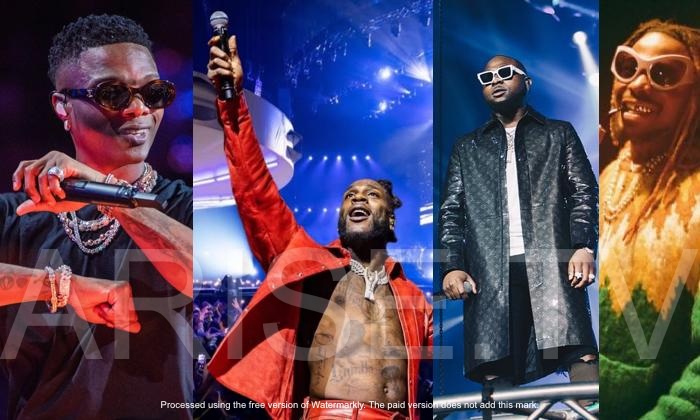
Then came the arenas. Wizkid headlined the O2 Arena in 2017 to a crowd that was overwhelmingly diaspora Nigerian, and his Made in Lagos run filled three sold-out nights at the same venue in 2021, with the first show reported to have sold out in minutes. Multi-night sellouts stopped being remarkable. Burna Boy did the same thing, then went further by becoming the first African artist to headline a US stadium when he sold out Citi Field in 2023, the year after he filled Madison Square Garden. Broadcast footage of those audiences told its own story, with agbadas, geles, kente and Air Force 1s in the same camera pan. The diaspora had arrived in formal wear. What was happening at those arenas was not just a concert. It was a census. Every sold-out night was the community counting itself, taking the measure of its own size, and confirming that the soundtrack of the homeland was also the soundtrack of the new home.
The Atlanta and Houston Engines
Cross the Atlantic and the story rearranges itself around different neighbourhoods, different accents and different congregations, but the same drum pattern. The American Nigerian diaspora is heavily concentrated in a handful of metro areas, with Houston, the Washington DC corridor and metro Atlanta carrying the largest communities. Texas holds the biggest single state population, clustered in southwest Houston along the Westheimer and Bissonnet corridors with overflow into Pearland, Sugar Land and Missouri City. Metro Atlanta has built its Nigerian community around Sandy Springs, Decatur and the northern arc of I-285. Community organisations in both cities put their local numbers in the tens of thousands and rising with each census cycle, though reliable counts are hard to come by. These are not bedroom communities. They are functioning economies with their own restaurants, lawyers, fashion designers and party planners. They are also, on any given weekend, the venue for some of the most elaborate Afrobeats events anywhere on the planet.
The Owambe Goes Transatlantic
The Yoruba word owambe translates roughly as it is there, or it is happening, and it refers to the spectacular West African celebration tradition of weddings, milestone birthdays, child dedications and anniversaries, running on aso-ebi matching fabrics, live music, cash-spraying and a meticulously curated DJ. Owambe culture did not stay in Lagos. It boarded the plane with the doctors, the petroleum engineers, the pharmacists and the immigrants of the 1980s and 1990s, and set up shop in event halls from Pearland to Marietta.
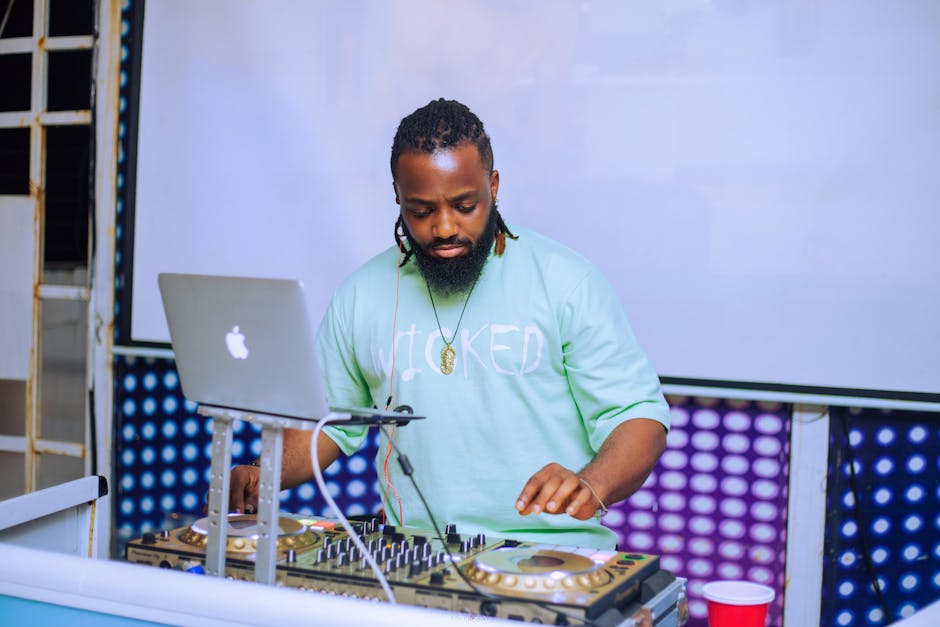
A modern diaspora owambe runs on long lead times. The hall is booked months in advance, the aso-ebi fabric is selected by the family and often shipped from Lagos, and local tailors handle the alterations. The DJ is almost always a diaspora specialist who can mix Burna Boy into a Kizz Daniel single into a Davido throwback into a P-Square classic without losing the floor for a second. The crowd dances in shifts, with the elders sitting until Sweet Mother comes on and then rising as one. Naira-spraying has been replaced in many venues by dollar bills, but the principle is the same. The music is not background at these events. It is the load-bearing wall.
Atlanta’s Diaspora Nightlife Circuit
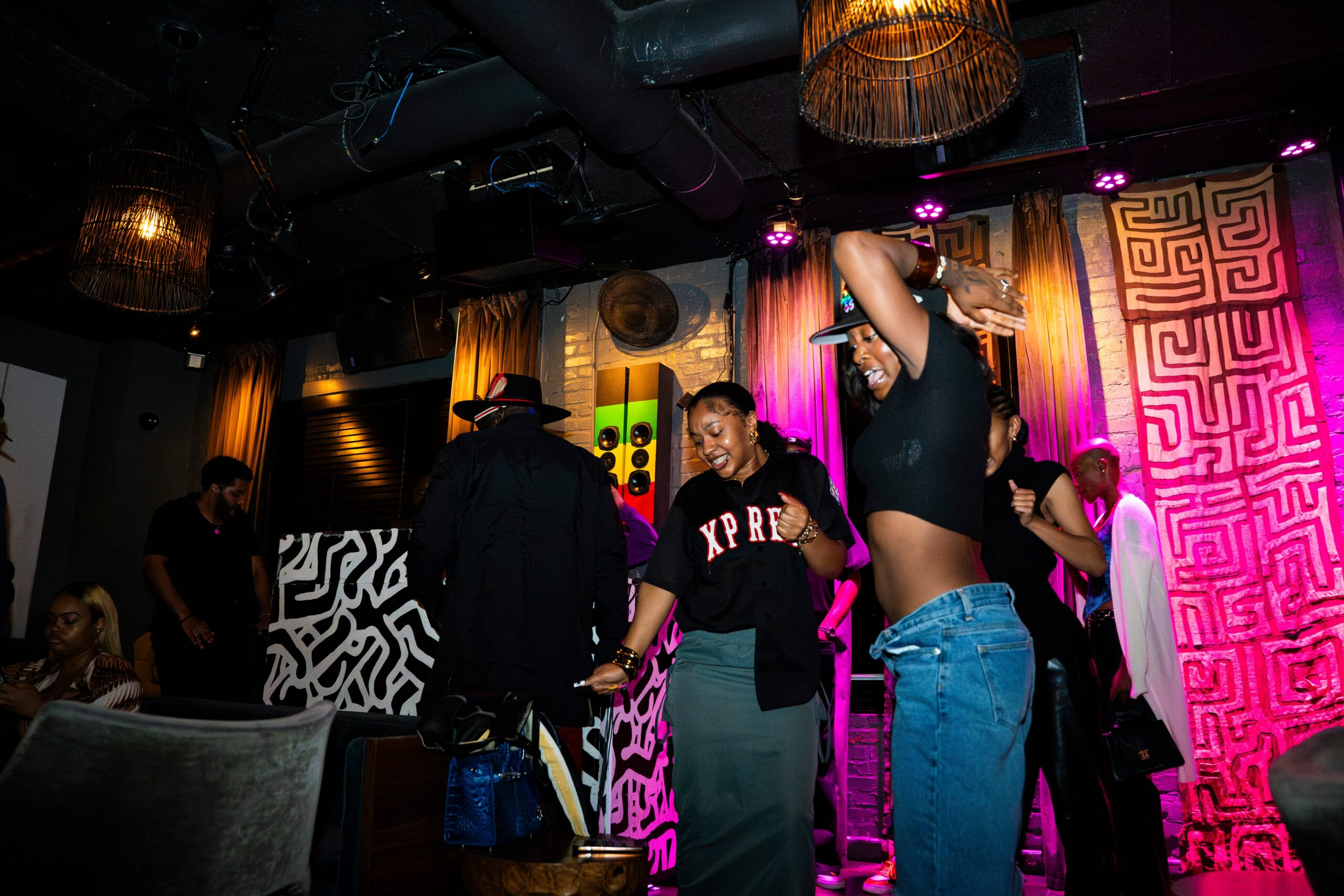
Atlanta has built a parallel infrastructure for the younger end of the community. The city’s club scene runs an Afrobeats night somewhere most weekends, and the rotation has its own rhythm, with Buckhead lounges early in the week, bigger banquet-hall events on Saturdays, and brunch spots taking the recovery shift on Sundays. Promoters coordinate through dense group-chat networks that have largely replaced flyers as the primary booking channel. A well-connected promoter can fill a mid-sized room on a couple of days’ notice, because the audience is already organised and waiting for the next event rather than needing to be persuaded that one is worth attending.
Houston’s Independence Day and the Wedding Circuit
Houston does diaspora celebration at a scale that has to be seen to be believed. Nigerian Independence Day on October first turns the city into a multi-venue festival, with separate events for the Yoruba, Igbo, Edo and Hausa communities running in parallel. New yam festivals, tied to the Igbo harvest calendar, draw crowds to community halls in the southwest suburbs. Igbo Day is its own calendar event, with cultural displays, masquerade troupes and a sound system carrying Flavour and Phyno across the parking lot.