
Table of Contents
- AFRIMA Takes the Road to Casablanca
- What Is AFRIMA and Why Does It Matter?
- The 10th Edition - A Milestone Moment for African Music
- Why Morocco Makes Perfect Sense
- African Music on the World Stage
- What Fans Can Expect From the 10th Edition
AFRIMA Takes the Road to Casablanca

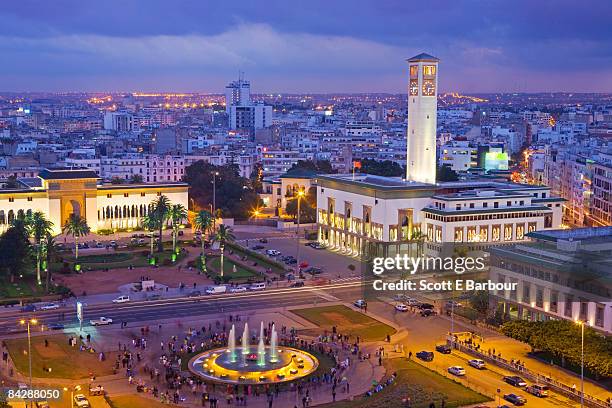
The All Africa Music Awards - better known as AFRIMA - is officially gearing up for what promises to be its most ambitious edition yet, and the preparations are already making waves. A delegation representing AFRIMA alongside members of the African Union Commission (AUC) is set to embark on a strategic city visit to Casablanca, Morocco, as part of the official Road to the 10th AFRIMA campaign. The visit signals that the organizers are approaching this landmark edition with a level of seriousness and intention that matches the significance of the milestone itself. For an awards ceremony that has spent a decade building itself into the most prestigious music celebration on the African continent, the 10th edition is not just another show - it is a statement.

The Casablanca leg of preparations reflects a broader strategy that AFRIMA has employed in recent years - treating each edition as a major international production rather than a regional music event. By sending a formal delegation to Morocco ahead of the ceremony, the organization is laying the groundwork for what will likely be a deeply immersive experience for artists, fans, and industry stakeholders from across the continent and beyond. The collaboration with the African Union Commission also underscores the political and cultural weight that AFRIMA carries, positioning African music not just as entertainment but as a vehicle for continental unity and identity.
What Is AFRIMA and Why Does It Matter?

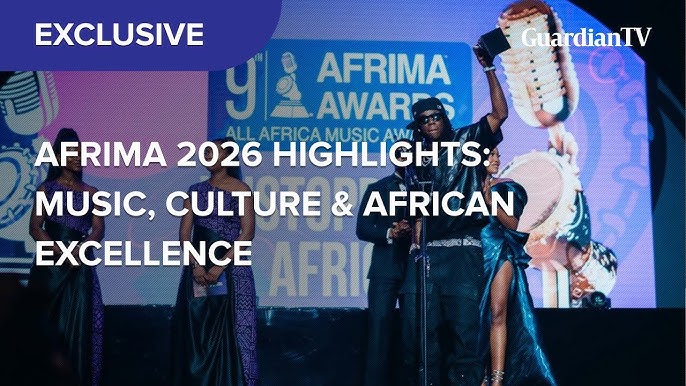
For anyone who has somehow missed a decade of African music celebration, here is the short version: AFRIMA is the biggest music awards platform dedicated exclusively to celebrating and promoting African music and artists. Organized in partnership with the African Union Commission, the awards have grown from a promising concept into a full-scale continental institution since its inception. AFRIMA recognizes artists across more than 30 award categories that span the rich diversity of African music - from Afrobeats and Highlife to Bongo Flava, Amapiano, Afro-Pop, and everything in between. The ceremony has been hosted across multiple African cities over the years, each time amplifying the music culture of its host nation while drawing thousands of fans and industry professionals.
What makes AFRIMA genuinely distinct from other awards shows - even the big Western ones - is its intentional, Pan-African philosophy. This is not just about handing out trophies. The organization runs music master classes, youth empowerment programs, and cultural exchanges alongside the awards ceremony itself. Past editions have seen the likes of Burna Boy, Wizkid, Tiwa Savage, Diamond Platnumz, Yemi Alade, and dozens of other continental giants recognized on the AFRIMA stage. Winning or even being nominated at AFRIMA carries real weight in the African music industry, often opening doors to wider international attention and collaborative opportunities.
The 10th Edition - A Milestone Moment for African Music

Ten years is no small thing in the entertainment world, especially in a landscape as fast-moving and competitive as African music. When AFRIMA launched its first edition, Afrobeats was still fighting for mainstream international recognition, Amapiano did not yet exist as a genre, and the idea of African artists headlining major Western festivals was a distant dream for most. A decade later, the terrain has shifted dramatically. African music is a genuine global force, and AFRIMA has both witnessed and contributed to that transformation. The 10th edition, therefore, arrives at a moment when the organization has every reason to go bigger, bolder, and more impactful than at any point in its history.
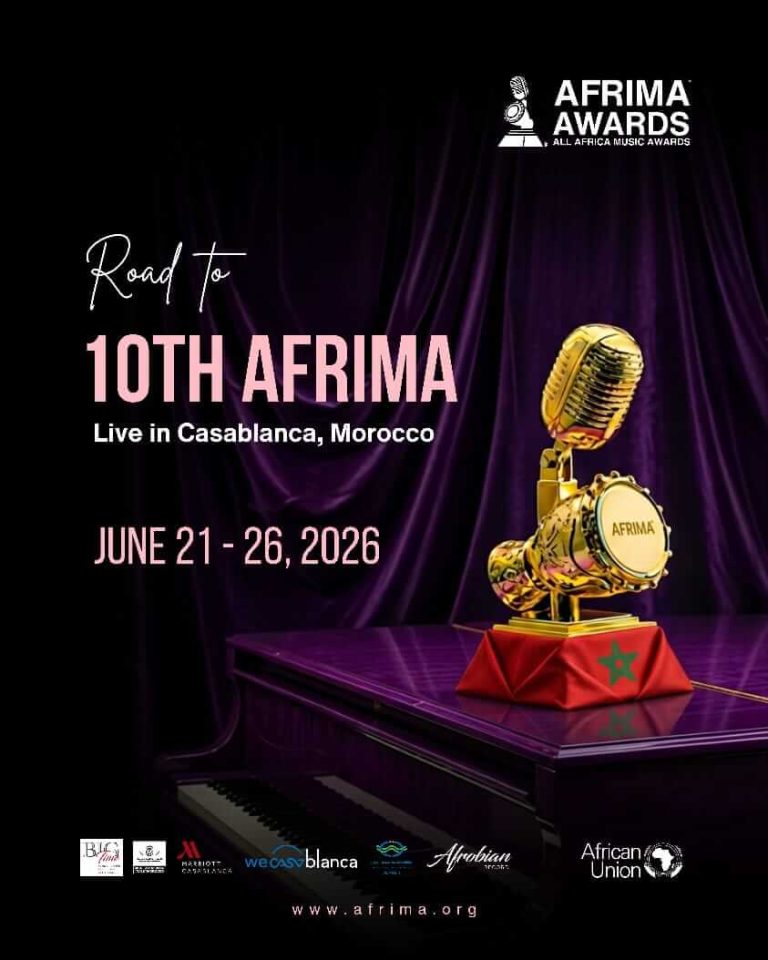
The Road to AFRIMA campaign - under which this Casablanca visit falls - is clearly designed to build anticipation in a structured and intentional way. Rather than simply announcing dates and categories, the organizers are creating a narrative around the 10th edition, taking stakeholders and fans on a journey that builds excitement city by city. It is smart event marketing, and it reflects how much the entertainment industry has evolved in terms of building cultural moments, not just events. The strategic visit to Morocco is one chapter of that story, and if past AFRIMA campaigns are anything to go by, there will be many more exciting chapters to come before the main event.