
Award shows have a way of revealing their own blind spots. For every African artist who walks home with a trophy, there are five who walked home with the catalog, the streams, the cultural footprint, and a polite consolation seat in the audience. The Grammys, the BRITs, the BET Awards, and even the MTV VMAs have made calls over the past decade that critics, fans, and industry insiders still argue about in barbershops in Lagos and group chats from Accra to Atlanta. Some have aged into folklore. Others sting fresher every time the nominations list drops and a name is missing again.
Walking through the cases below requires honesty. A few of these losses came against worthy winners. The point is not that the trophy went to the wrong hand every time. The point is that the body of work, the moment, and the global reach deserved acknowledgment that never came, or came so late it felt like an apology.
Burna Boy and “African Giant” at the 2020 Grammys
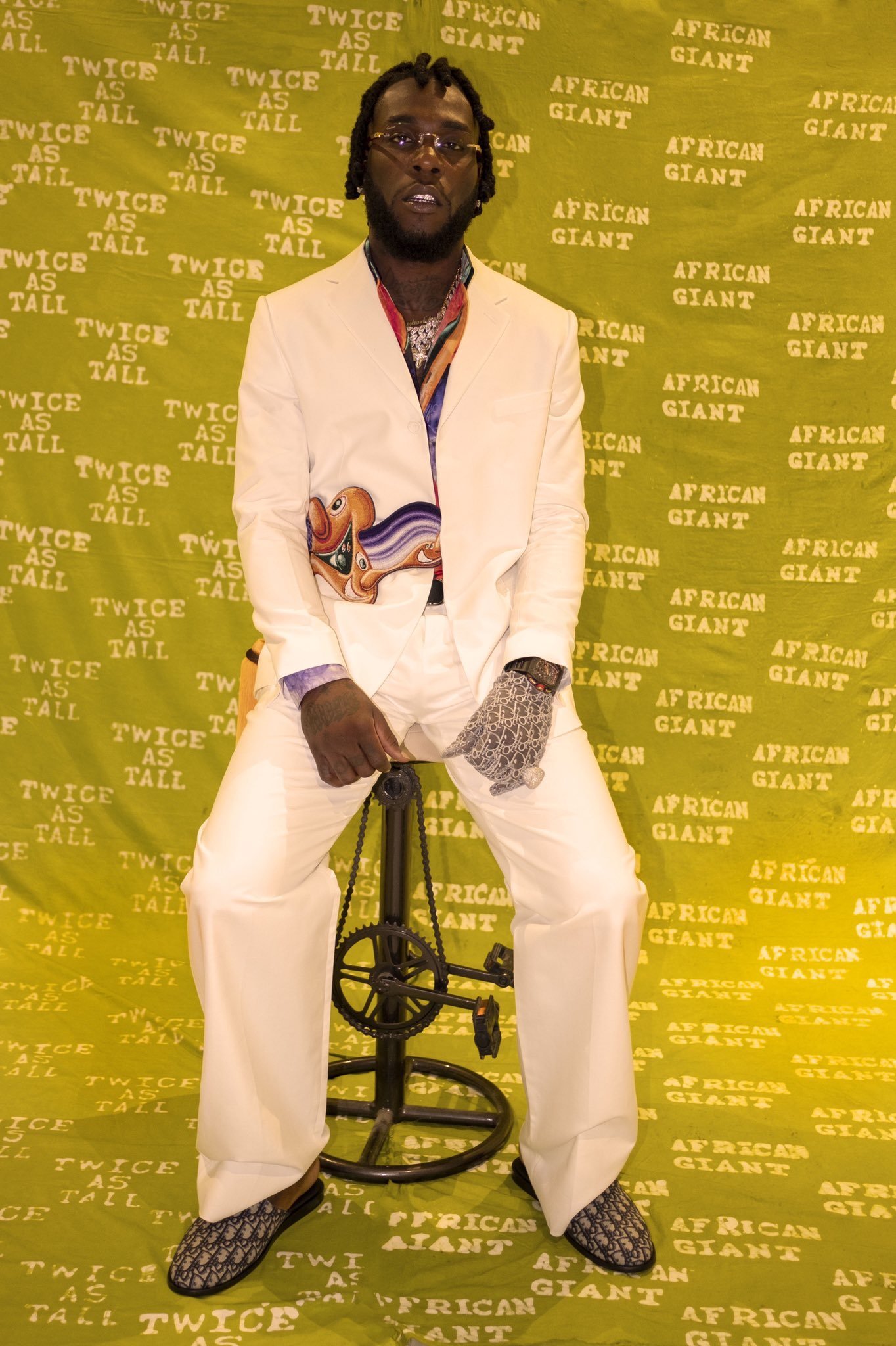
The case that opened the conversation. “African Giant” arrived in July 2019 as a 19-track manifesto: production from Jae5, features from Damian Marley, Future, M.anifest, YG, Jorja Smith, and a body of work that reframed what an Afrofusion album could carry on its back. Pitchfork called it one of the best albums of the year. NPR ranked it on its year-end list. It charted on Billboard. By the time the 2020 Best World Music Album nominations dropped, “African Giant” had become a global reference point.
Angelique Kidjo won that night with “Celia.” Kidjo is a giant in her own right and her tribute to Celia Cruz was a beautiful record. She acknowledged Burna by name during her acceptance speech, calling out the new generation of African artists pushing the sound forward. That moment is now famous. It is also the moment that quietly confirmed what Burna’s fans already believed: the Recording Academy knew exactly who they had passed over.
Burna Boy’s 2024 Grammy Sweep That Wasn’t
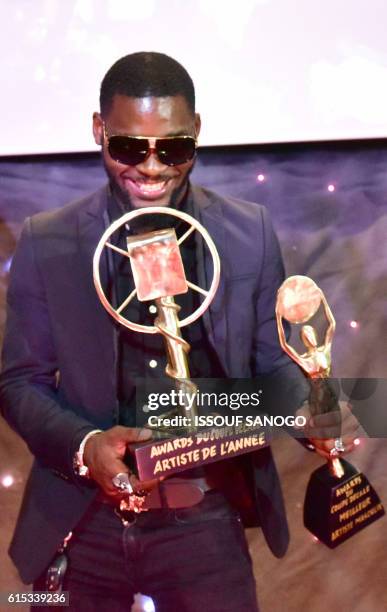
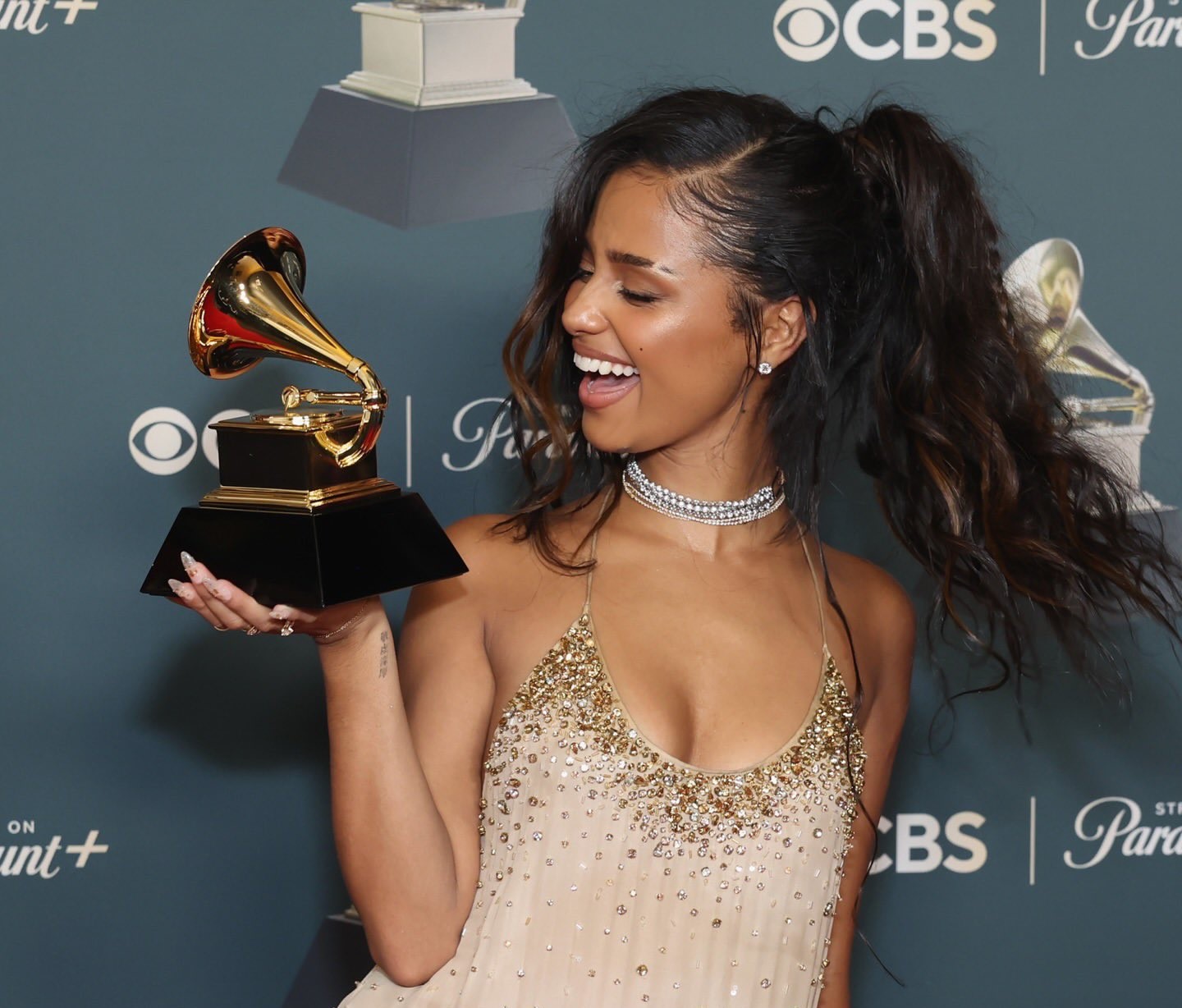
Four years later, Burna walked into the 2024 ceremony with “I Told Them…” up for Best Global Music Album and “Sittin’ On Top of the World” up for Best Melodic Rap Performance. He lost both. Tyla took the inaugural Best African Music Performance for “Water,” a moment of celebration for the genre but a strange consolation for the artist whose decade of pressure on the Academy helped create the category in the first place. By night’s end, Burna’s tally for the evening was zero, again.
Davido’s Decade-Long Grammy Drought
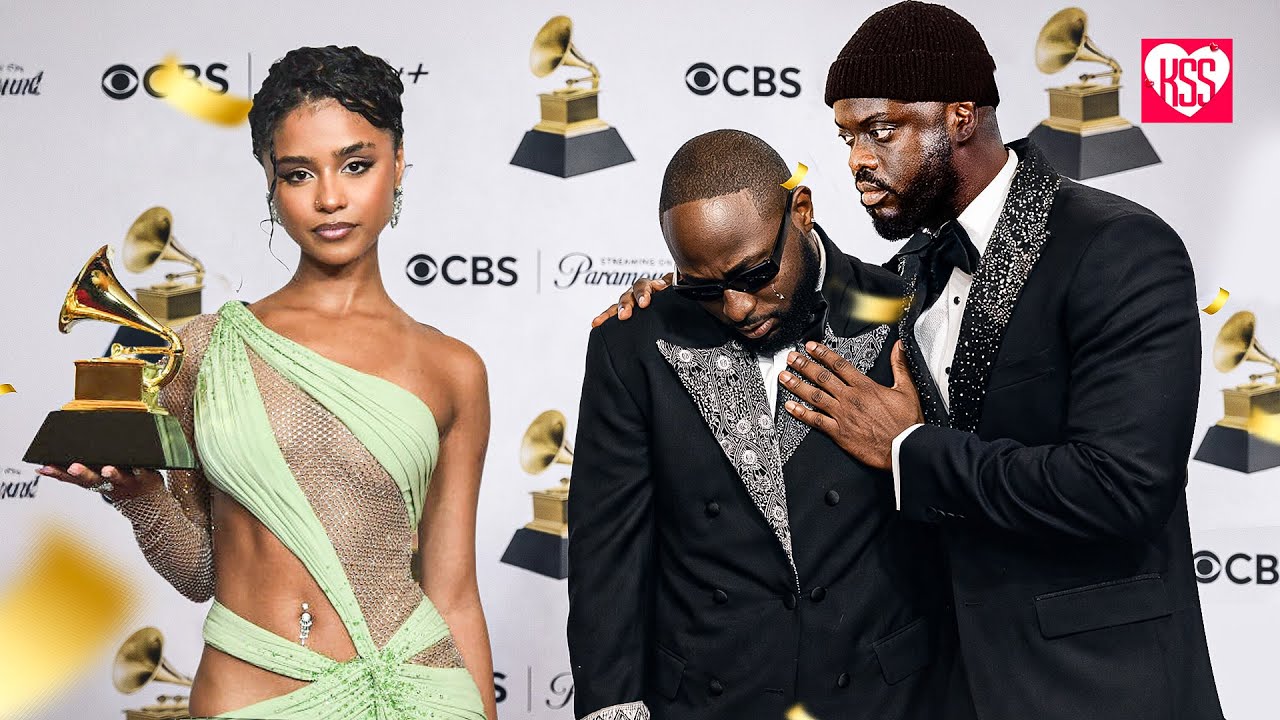
For an artist whose Spotify monthly listeners regularly clear 25 million, whose tours sell out arenas on three continents, whose features cross between Chris Brown, Nicki Minaj, and Summer Walker without breaking sweat, the absence is glaring. Davido did not receive a Grammy nomination until 2024, when “Timeless” finally entered the Best Global Music Album category and “Unavailable” landed in Best African Music Performance. He lost both. The argument is not that he should have won every cycle. The argument is that “A Better Time” in 2020 and “A Good Time” in 2019 each had the streams, the chart presence, and the international collaborations that would have triggered a nomination for an American or British artist with the same numbers. He waited a decade for the first nod.
Wizkid and “Made in Lagos”
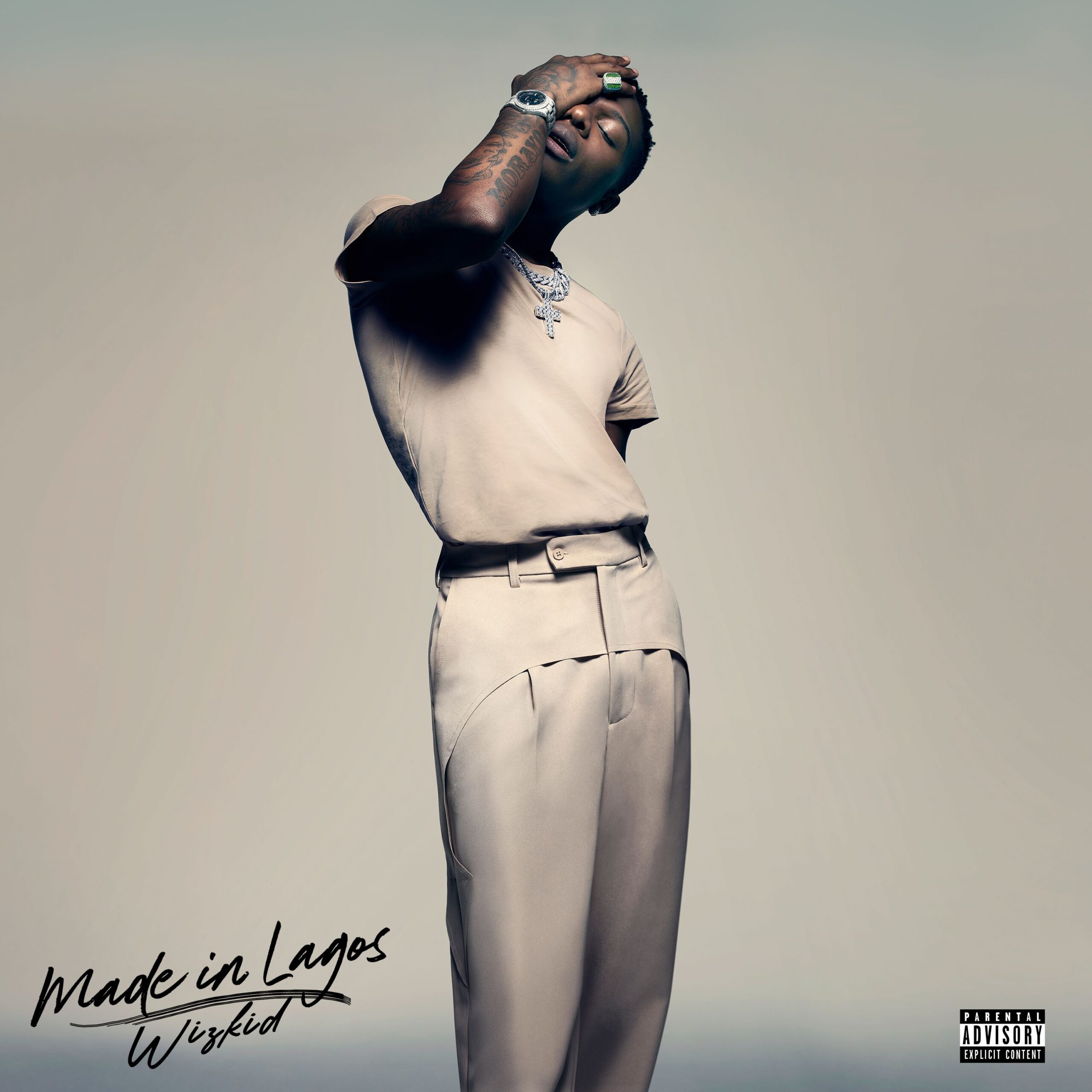
October 2020. “Made in Lagos” dropped and became the slow-burn record of the pandemic era. “Essence” with Tems crawled up the Billboard Hot 100, eventually peaking at number nine, becoming the first Nigerian song to crack the top 10 of that chart. Justin Bieber jumped on the remix. The album lived on critics’ year-end lists into 2021 and 2022. And yet “Made in Lagos” was never nominated for a Grammy in any major album category. “Essence” got a Best Global Music Performance nod at the 2022 ceremony and lost to Arooj Aftab. The album itself, arguably the most influential Afrobeats release of the last 10 years, was passed over entirely on the album side.
Tiwa Savage and the “Celia” Silence
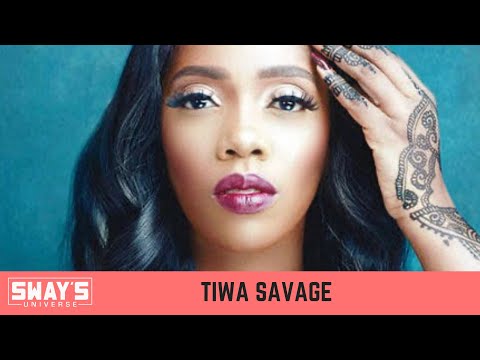
Tiwa Savage released “Celia” in August 2020. The album featured Sam Smith, Davido, Hamzaa, and Stefflon Don. It was her first project under a Universal Music Group deal that was supposed to crack open international doors. The critical response in Nigeria was strong. The international response was a shrug. No Grammy nomination. No BRIT acknowledgment. No major international category recognition despite Tiwa’s stature as one of the most prominent African women in pop. Her work as a touring artist, a label boss with Motown Records, and the first woman to win Best African Act at the MTV Europe Music Awards has never translated into the kind of recognition her catalog deserves from American or British academies.
Femi Kuti and the Long Grammy Drought
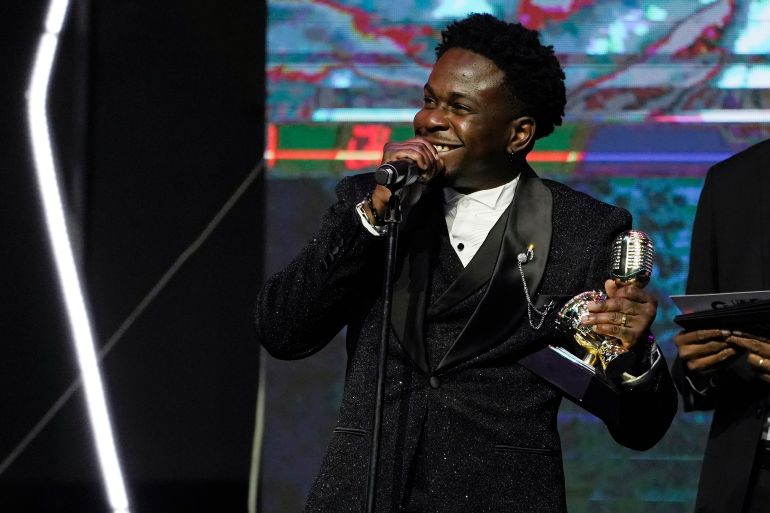
Multiple Grammy nominations across more than two decades, in Best Traditional World Music Album, Best Contemporary World Music Album and Best Global Music Album, and no competitive win. Femi Kuti has done the work, shown up to the ceremonies, recorded the records and toured the festival circuit. His son Made Kuti has now been nominated too, on the shared Legacy+ project.
There is a coda that changes the shape of this entry. At the Special Merit Awards on the eve of the 68th ceremony in 2026, Fela Kuti received a Lifetime Achievement Award, the first African artist the Recording Academy has ever given one to, and his children accepted it in his name. It is not a competitive statue and it does not settle Femi’s own ledger. It does mean the Academy finally found a way to put a Grammy in a Kuti’s hands, roughly four decades after the records that earned it.
Mr Eazi and the “Detty Rave” Cultural Footprint
Mr Eazi was running Detty Rave concerts in Accra and Lagos before “concert IP” was a phrase American executives understood. Banku music, the sound he coined, fed directly into the global Afrobeats vocabulary that everyone is now selling. He launched emPawa Africa, funded dozens of young artists, and built one of the most thoughtful business careers in African music. Critical recognition from international award bodies has been almost nonexistent. No Grammy nominations for his solo projects. No BRIT acknowledgments. His name belongs in any honest accounting of artists who built the runway for a sound that academies eventually pretended to discover.
Mavin Records as a Collective
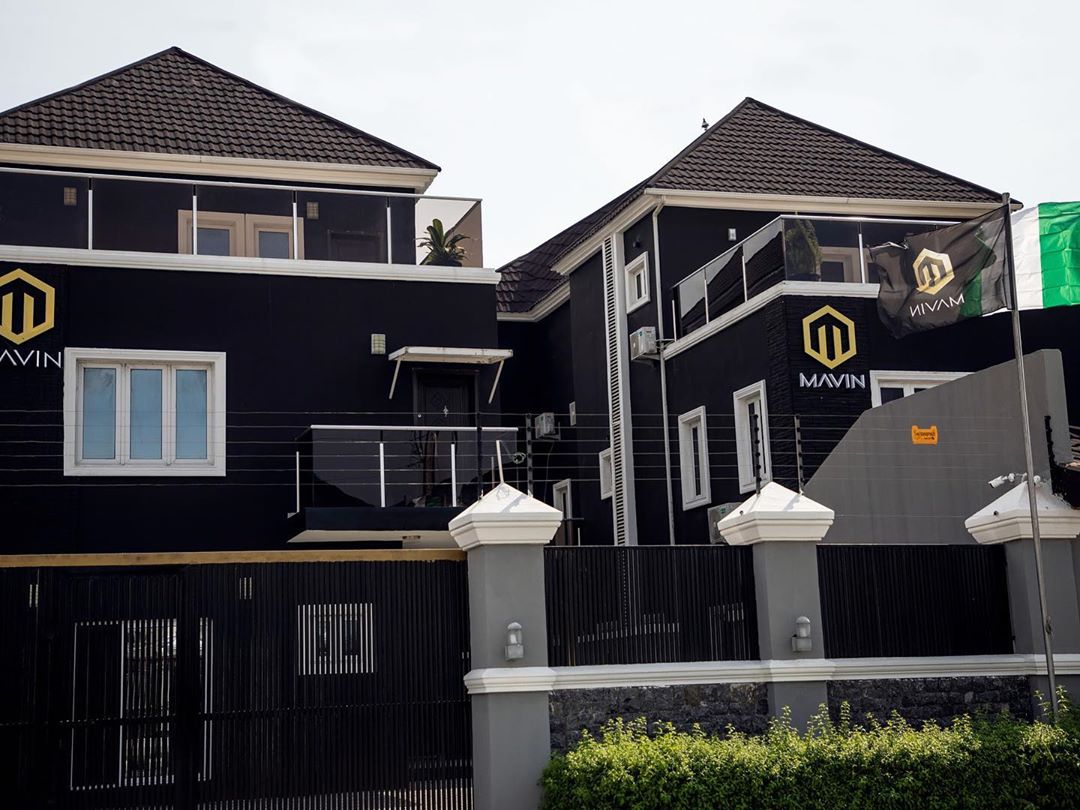
Don Jazzy has shaped more African pop than any single executive of his generation. Mavin’s roster reads like a snapshot of contemporary Afrobeats: Rema, Ayra Starr, Crayon, Magixx, Ladipoe, Bayanni, Boy Spyce. Ayra Starr’s “19 & Dangerous” earned a Grammy nomination in 2024 for Best African Music Performance with “Rush.” That is the totality of the Grammy recognition for the label that incubated her. Don Jazzy’s producer credit alone across the last decade should have triggered Producer of the Year non-classical conversations. None have come.
Adekunle Gold and “Catch Me If You Can”
“Catch Me If You Can” arrived in February 2022 with features from Davido, Lucky Daye, Stefflon Don, Ty Dolla Sign, and Fatoumata Diawara. “Sinner” with Lucky Daye became one of the smoothest crossover singles of the year. The album hit number one on Apple Music Nigeria and charted across Spotify’s African markets. The Grammy ballot moved on without it. AG’s evolution from highlife revivalist to global pop craftsman is one of the most interesting career arcs in modern Nigerian music, and it has been almost completely ignored by international award shows.
Asake and the Rejected Submission
“Mr. Money With The Vibe” came out in September 2022 and went on to become one of the defining African albums of the decade. “Sungba,” “Peace Be Unto You,” “Joha,” “Terminator.” Asake invented a vocal stack and a sonic identity in real time. Multiple industry reports indicated the album was submitted for Grammy consideration and did not make the final ballot for Best Global Music Album in 2023. Wizkid’s “More Love, Less Ego” and Burna’s “Love, Damini” got the slots from the African contingent. Asake’s omission was the loudest absence on the list. He would later get a Best African Music Performance nod in 2024 for “Amapiano” with Olamide. Still no album recognition for the project that changed the conversation.
Tems and “Bloody Samaritan”
Tems won Best Melodic Rap Performance at the 2023 Grammys for “Wait for U” with Future and Drake, and she has a Best African Music Performance nomination for “Love Me JeJe.” Those are real honors. The miss is “Bloody Samaritan,” her 2021 solo single that became a continent-wide anthem and crossed into international playlists through 2022. The song had the streams, the cultural moment, and the vocal performance to be a Best Global Music Performance contender on its own merits. It was passed over entirely. Tems’ wins have largely come through her features on American artists’ projects, which says something uncomfortable about how the Academy values her independent work.