
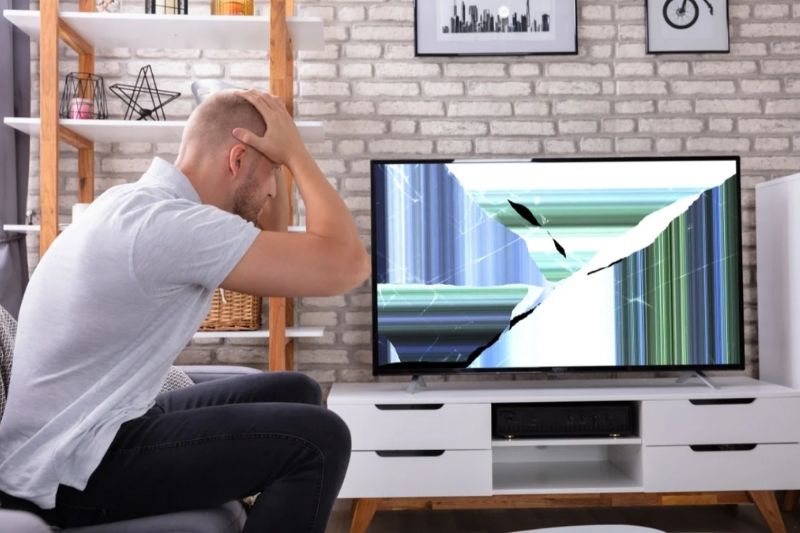
Have you ever stared at a broken TV and wondered, “What to do with a broken TV?”
Whether your TV is an old CRT model or a modern LCD, malfunctioning electronics can be a real headache. They not only take up precious space but can also pose serious safety and environmental hazards if not handled properly.
In this guide, we’ll give you options-repair, replace, or repurpose your broken TV-and help you decide the best course of action.
Understanding Why TVs Break Down
Before you decide what to do with a broken TV, it’s important to understand why they fail. Over time, TVs can experience wear and tear, suffer accidental damage, or run into technical issues.
Components like capacitors, backlights, and wiring deteriorate as the years go by. Older CRT TVs, for example, have large glass tubes containing lead, which becomes hazardous if the TV breaks.
On the other hand, modern LCD TVs may contain mercury backlights that are toxic if mishandled. Knowing these risks can help you decide whether a repair is feasible or if it’s better to check out other options.
Safety Concerns When Disposing of a Broken TV
Safety is a key factor when determining what to do with a broken TV. CRT TVs are particularly dangerous because they contain heavy glass tubes filled with lead, a substance that can leach into the environment and pose serious health risks.
Similarly, LCD TVs contain mercury, which is hazardous to both people and wildlife. It is crucial to handle these devices with care. Experts, including Kyle Wiens, CEO of iFixit, stress that improper disposal can contaminate water supplies and harm ecosystems.
If you are not sure how to safely dispose of your TV, it might be best to consult professional e-waste recycling services.
Repairing Your Broken TV
Repairing your broken TV might be the best option if the damage is minor or if the TV is relatively new. Before you decide to fix it, consider the following: if the problem is confined to a small component and the repair cost is lower than the price of a new TV, repairing can be a cost-effective and sustainable choice.
There are plenty of online tutorials and resources to guide you through common repairs, and for those with some technical know-how, a DIY approach might be the way to go.
However, if the issue involves hazardous materials or complex repairs, seeking professional help is recommended. Remember, safety should always come first, so be sure to disconnect the TV and let it discharge completely before attempting any repair.
Replacing Your Broken TV
Sometimes, repair simply isn’t worth the investment. If your TV is outdated or if the cost of repair exceeds the cost of a new unit, replacement becomes the logical choice. New TVs come with advanced technology, improved energy efficiency, and better picture quality, making them attractive upgrades.
In addition, many retailers now offer trade-in programs that allow you to exchange your broken TV for a discount on a new one. When deciding to replace your TV, weigh the benefits of new technology against the environmental impact of disposing of your old device.
Upgrading to a more energy-efficient model could save you money in the long run while also reducing your carbon footprint.
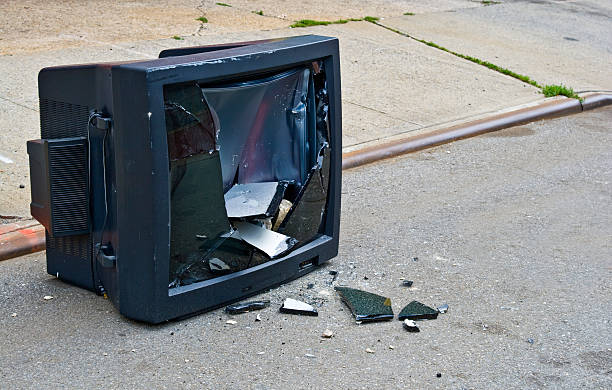
Recycling and Proper Disposal Options
If repairing or replacing your broken TV isn’t the right choice for you, recycling is an excellent alternative. Improper disposal of electronics contributes significantly to environmental pollution, and broken TVs, in particular, can release toxic substances like lead and mercury.
Recycling centers are equipped to handle these materials safely, preventing hazardous substances from contaminating our environment. Many communities offer dedicated e-waste recycling programs, and large retailers often provide in-store recycling services for old electronics.
When preparing your TV for recycling, make sure to remove any detachable parts, such as batteries, and follow the recycling center’s guidelines to ensure safe handling. By choosing to recycle, you help reduce electronic waste and contribute to a healthier planet.
Creative Repurposing Ideas for what to do with a broken TV
For those who are a bit more creative, repurposing a broken TV can be an exciting and eco-friendly solution. Instead of simply disposing of your old TV, you might consider transforming it into something useful or decorative.
One idea is to convert the screen into a digital picture frame, giving your living space a futuristic edge. Another option is to use parts of the TV to create a unique art installation, blending technology and creativity in a way that sparks conversation.