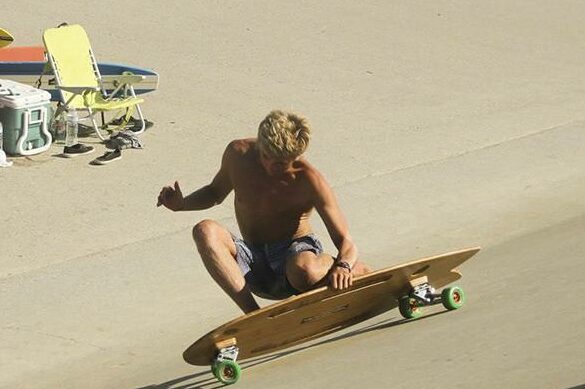
Longboard carving is such an artistic skill but requires a lot of techniques. So, what is carving on a longboard? Via this article, we will discover the answer.
What Is Carving On A Longboard? - How To Choose The Best Longboards For Carving
Skateboarding is an icon of street sports. No matter what you think about it, it is undeniable that our eyes always follow the graceful silhouettes with the skateboard when caught. Their curves are beautiful and fluid as if they were flying. It is a lovely sight that seemed to last forever.
This elegant style of sliding is called carving. So, what is carving on a longboard?
Carving is a riding style that simulates surfing. To build and maintain momentum and speed, often, a player must chain spins in quick succession and back and forth in an S-shape.
Carving is one of the most famous longboard skating disciplines. If you’re interested in learning more about it, read on with Skateboard Cast.
The Purpose Of Carving
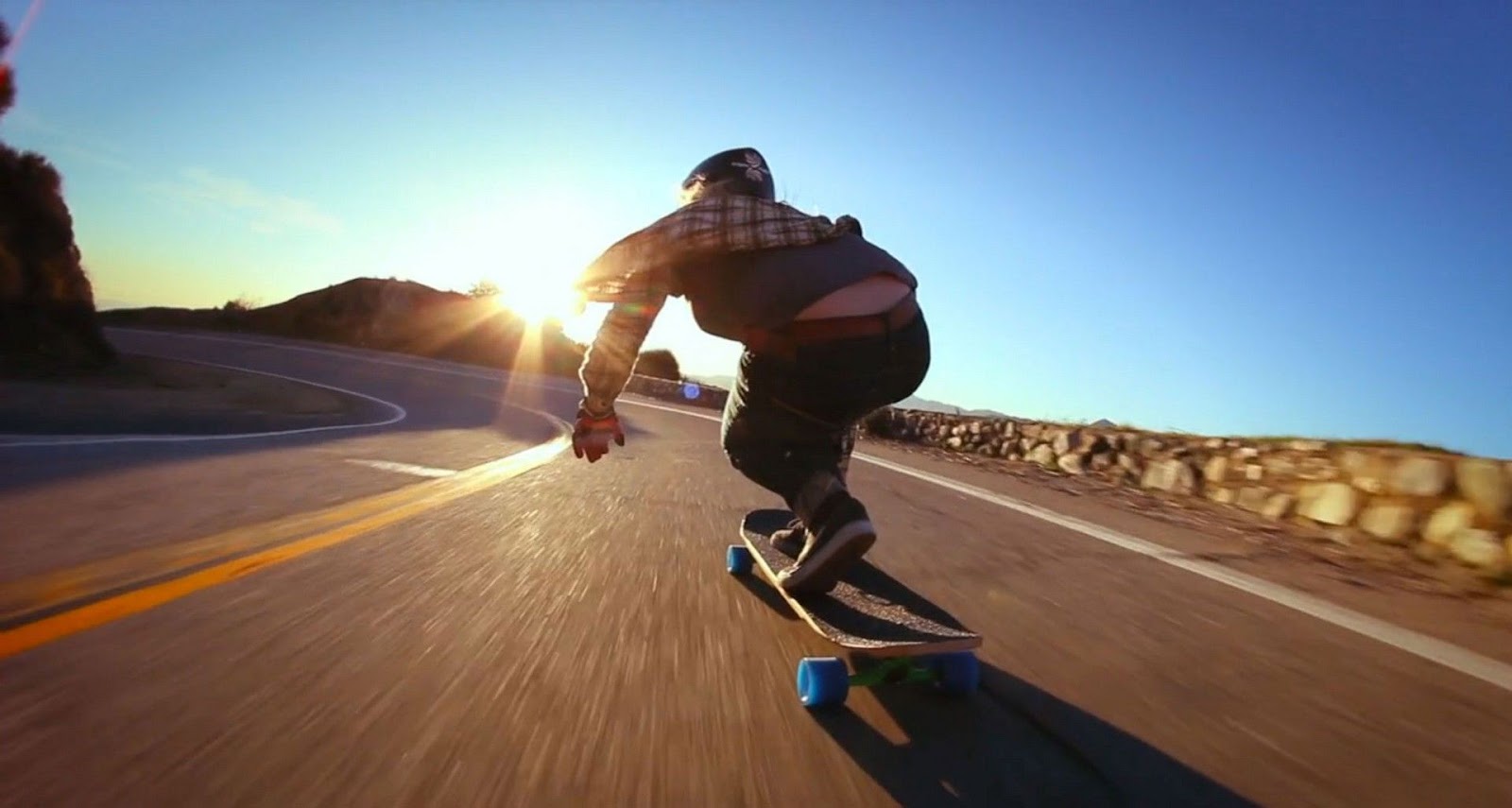
When it comes to longboarding, there are many disciplines. They range from the usual moves like cruising, freeriding and freestyling to more complex movements like dancing or downhill. However, one common feature is that you need to master basic carving skills before learning them.
Why does carving play such an important role?
The most important factor when learning carving is speed control. If you can’t control yourself and the skateboard, you will end up hurting yourself. More than that, it will make you lose motivation with this sport.
When you master carving, you will know what to do with your deck. You can slow it down, turn around, and even perform some technical tricks.
Also, as we outlined in the definition, carving allows you to create more significant momentum and speed.
Let’s say you’re sliding downhill from the top. The altitude combined with the wind will create tremendous speed, and you will have a lot of trouble if you want to control the speed.
However, with carving skills, you can easily slide down at a speed of only about 3-4 km/h. This number is highly safe and will certainly protect you from the risk of injury.
Impressive, right? So how to be able to carve correctly?
Longboard Carving Guide: Basic Techniques
The main move of carving is to create beautiful imaginary curves down the asphalt. To put it more simply, think of sledding on white snow. At that time, you need to make solid and sharp curves in succession to move.
A few things to start with is learning how to shift your weight into each edge of the board.
The first essential skill is called railway shifting. It will help if you lift your toes, then heels into a board rail. Eventually, you move to another rail.
If you still think it is difficult to understand, you should watch the video for a more intuitive view.
When you put your weight on a longboard, you will tilt it to one side and turn the wheel around an angle. That way, they make your board spin.
With more weight and pressure placed on the track, the more the wheel will spin. As a result, you will get sharp redirects.
See also: Charlie Watts, Rolling Stones drummer dies at 80; see 5 facts about him.
A Detailed Longboard Carving Guide
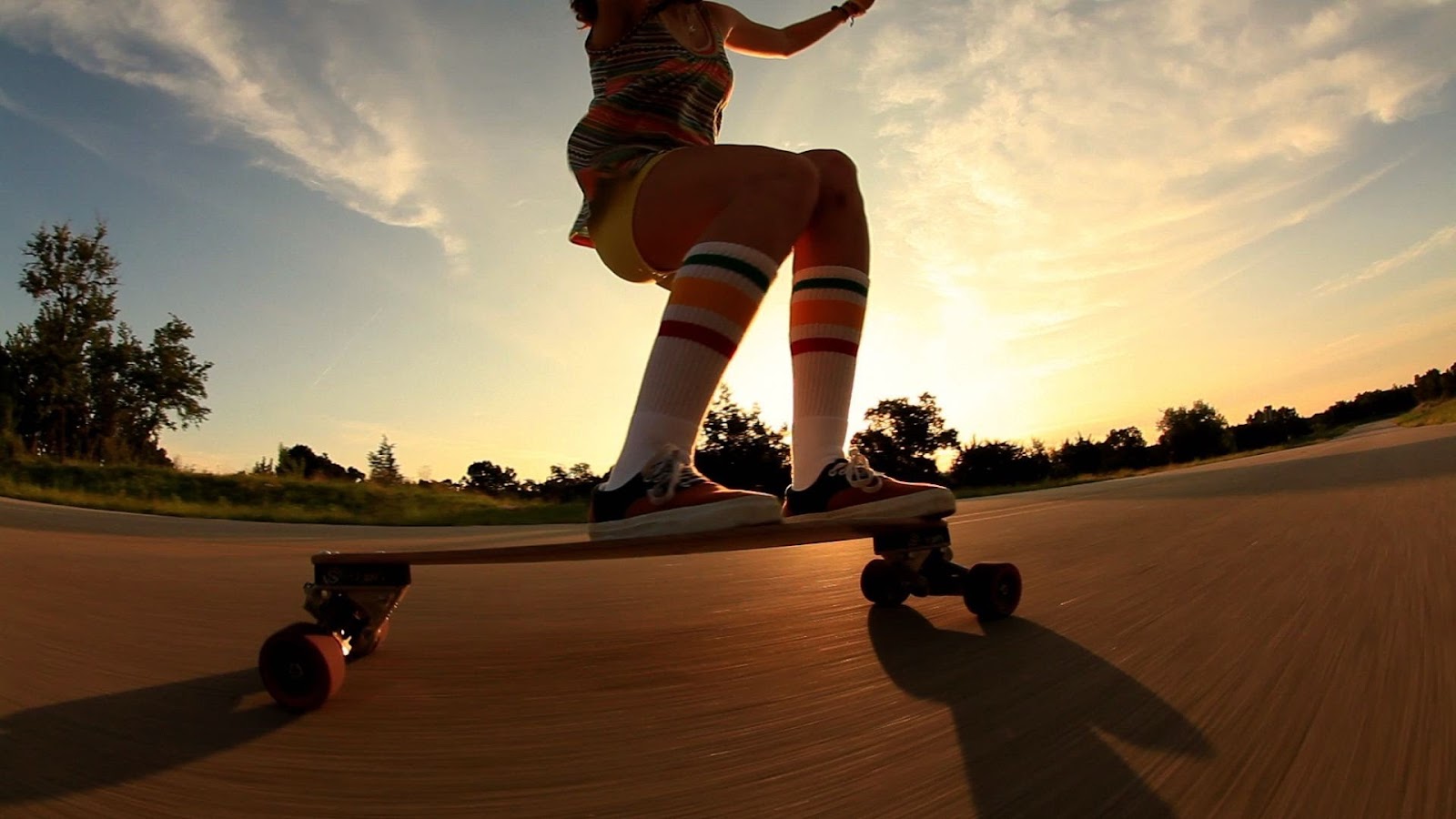
The above are just the basics of longboard carving. We still have a lot of elements to dig into details. There are two basic things that you need to master to perfect your carving skills. They are toeside and heelside carving and weight shifting.
However, you can’t jump straight into learning those actions right away. One thing to remember deeply is that your stance will significantly affect the direction of the turn. Tell us, are you a regular or a goofy rider?
If you still don’t know which category you are in, check with the tips below.
First, you need to stand straight with your feet on the ground. Then have a friend push you forward with just enough force to cause you to lose balance. At this point, observe the leg that you used to balance your body.
You would be a regular rider if they were left foot. Conversely, taking the right foot forward will make you a goofy rider.
This confirmation will affect your entire carving practice. After all, carving will involve a lot of changing direction. If you do not know the posture, you will make mistakes when turning left and right.
Toeside And Heelside Carving
We will repeat, you will be a regular rider if the natural stance is left foot forward. So you’ll have to work with the right side of the deck. Sounds easy to understand, right?
Imagine yourself moving your toes. And then, how do you do the heel part? Slowly you will get a clear picture of the pose in your head.
To explain, you will turn right if applying a toeside turn and turn left if using a heelside turn.
In case you are goofy riders, you will experience opposite directions. Therefore, you will turn to the left side of your longboard deck if you put pressure on your toes. If you want to bounce to the right side of the board, lean your heels back.
Easier said than done. You should start testing and practising now. With perseverance, it will gradually form a habit in you and develop naturally.
Our next exercise is weight shifting. Are you ready?
Weight Shifting
You already have the basic ideas about toeside and heelside carving, but that’s not enough. Pressing the toe and heel will only change the direction of the longboard. If you want the smoothest movements, you need to master the technique of weight shifting.
By coordinating the entire weight of your body, you will achieve a wave-like motion. Start with a toeside turn, always remembering to turn your head towards the finish line. At the same time, rotate your shoulders by moving your front shoulder toward the curve.
It feels pretty much like smoothly throwing yourself around the corner while bringing every part of your body together. And right after that toeside carving, brace yourself for a heelside carving to perfect the beautiful S-shaped movement.
After that, everything will happen naturally. You press again, rotate your head and direct your shoulders to the destination in the opposite direction.
Don’t be afraid but imagine you are going with the wind. Open up your ribcage so you can move more freely.
Alternatively, you can improve your balance by slightly spreading your arms and keeping your knees bent.
This video will sketch you out in real-life weight shifting for a better view.
Of course, you can’t master it immediately after the first few attempts. Losing balance and falling off the board is inevitable, even for professionals. The critical factor is that you have to practice a lot to form a habit for yourself.
Choosing The Best Longboards For Carving
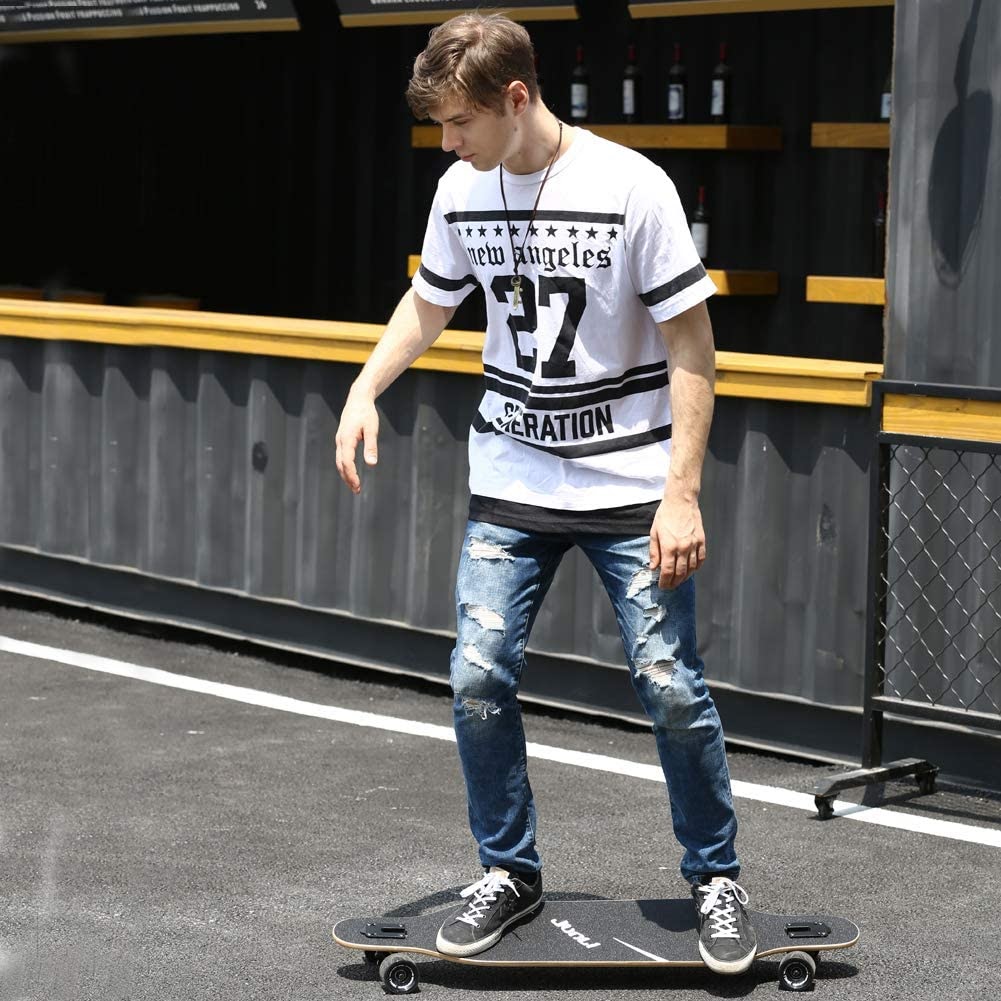
Of course, to do longboard carving, you need to equip yourself with a suitable longboard. There are many types of longboards on the market. However, not every deck will give you the best carving experience.
You can read more about Skateboard Cast’s best carving longboards related article for more insight. However, we also summarize for you a few important notes below for an overview.
Also read: FA Cup draw: Tricky Manchester United set to face rampaging Liverpool in double clash.
How To Choose Carving Trucks?
The most important factor when choosing carving trucks is turning. There are a few characteristics that you should keep in mind when choosing the right truck:
The Truck Width
The width of the shaft will directly affect the way you carve. A deck with a more extended width will provide more stability and less wheel bite. In contrast, a narrow deck will help you better grip the road and provide flexible navigation.
Usually, the standard width for longboards used for carving is 180mm. However, some professional players still choose narrower boards to increase speed (e.g., 150mm).