Walk into any record store in Lagos, scroll any streaming app in London, or sit through a Grammy ceremony in Los Angeles, and you will hear the same three words tossed around as if they were interchangeable: Afrobeat, Afrobeats, Afropop. They are not the same thing, and the confusion is doing a slow disservice to the artists, the listeners, and the cultural memory of how this music actually came to dominate global pop in the first place. Sorting out what each label actually means requires going back further than most listicles bother to. It also requires admitting that the genres bleed into one another, that artists themselves often reject the boxes critics try to put them in, and that the streaming algorithms quietly making these distinctions are shaping what billions of people hear next.
The three names that keep getting mixed up
Three words, one trailing letter, and several decades of musical history separating them. The confusion is understandable, because the names were not coined by the same people, in the same place, or for the same purpose, and nobody ever sat down to agree on definitions. Taking each one in turn, in the order it entered circulation, is the only way to keep them straight.
Afrobeat (no “s”) belongs to Fela
Afrobeat, singular, with no “s” at the end, was forged in the 1970s by Fela Anikulapo Kuti at his Kalakuta Republic compound in Lagos. It was a deliberate fusion of Yoruba traditional rhythms, American jazz, funk borrowed from James Brown, and the highlife guitar lines that had been circulating across West Africa since the 1920s. Songs ran twenty minutes long. Horn sections punched in unison. Tony Allen’s drum kit anchored the entire architecture. And the lyrics, more often than not, were political broadsides against the Nigerian military government. Fela was not making party music, although his shows became legendary parties. He was building a language of resistance. When people say “Afrobeat” in the strictest sense, they mean that specific tradition: Fela, Tony Allen, Femi Kuti and Seun Kuti carrying it forward, Antibalas in Brooklyn extending it, and a handful of younger players like Dele Sosimi keeping the long-form discipline alive.
Afrobeats (with the “s”) is the streaming-era umbrella
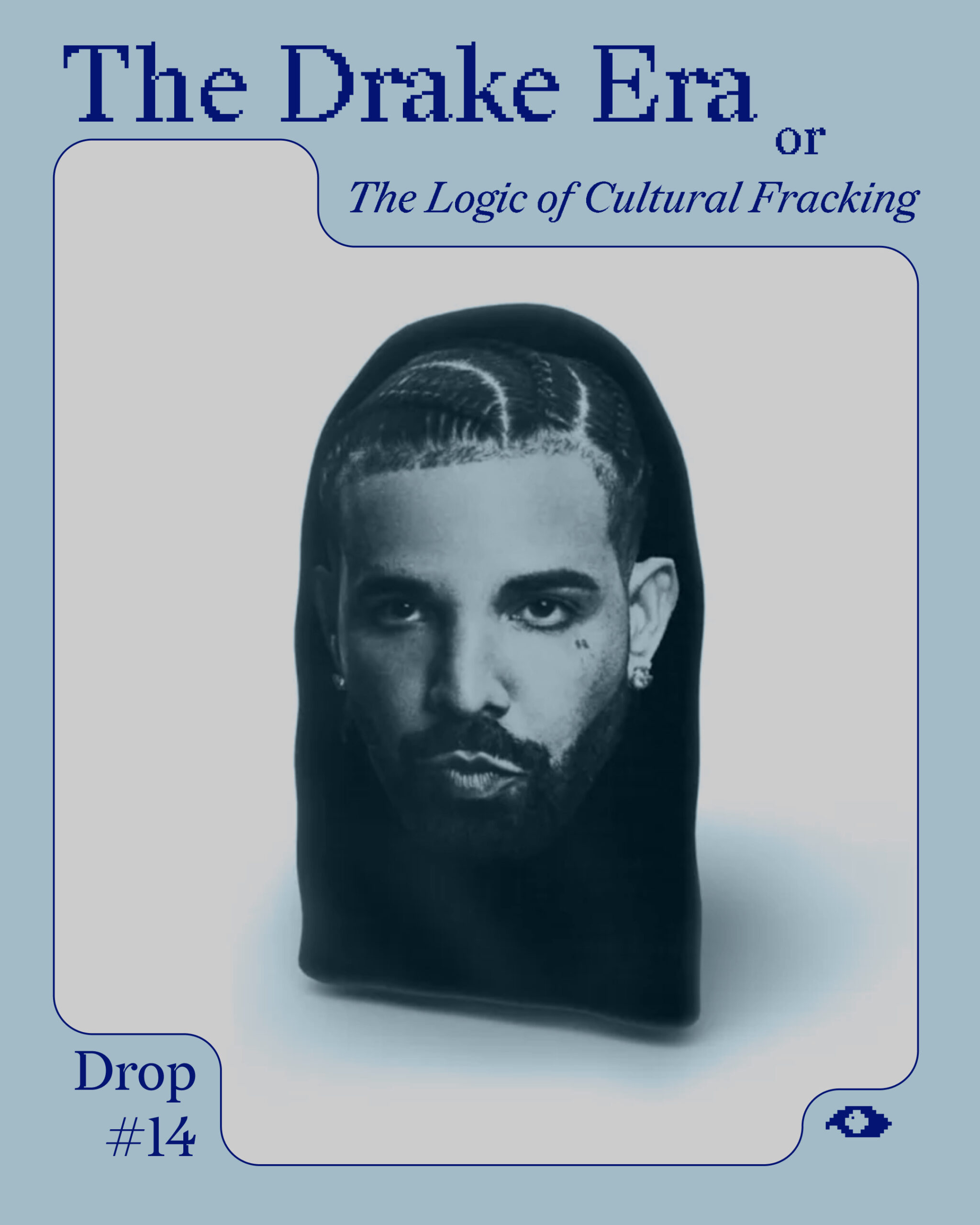
Afrobeats, plural, with an “s” pinned on the end, is a completely different proposition. The term started circulating in London club scenes around 2008 to 2010, coined more by DJs and promoters than by the artists themselves. It was a catch-all for the new wave of Nigerian and Ghanaian pop that was beginning to crack the UK charts: D’Banj’s “Oliver Twist,” P-Square’s run of singles, 2Face Idibia’s slow-burn ballads, and then the generation that would explode it open globally, meaning Wizkid, Davido, Burna Boy, Mr Eazi, and Tiwa Savage. The sonic DNA is different from Fela’s Afrobeat. Songs are shorter and built for radio and playlists rather than for a two-set club night. The rhythms are syncopated and layered rather than four-on-the-floor, with the kick and the percussion pulling against each other in a way that producers in Lagos describe by feel rather than by any agreed technical name. Pidgin English sits alongside Yoruba, Igbo, Twi, and English. The lyrical concerns lean toward love, dancing, money, and aspiration rather than political critique.
Afropop is the broadest, fuzziest tent of the three
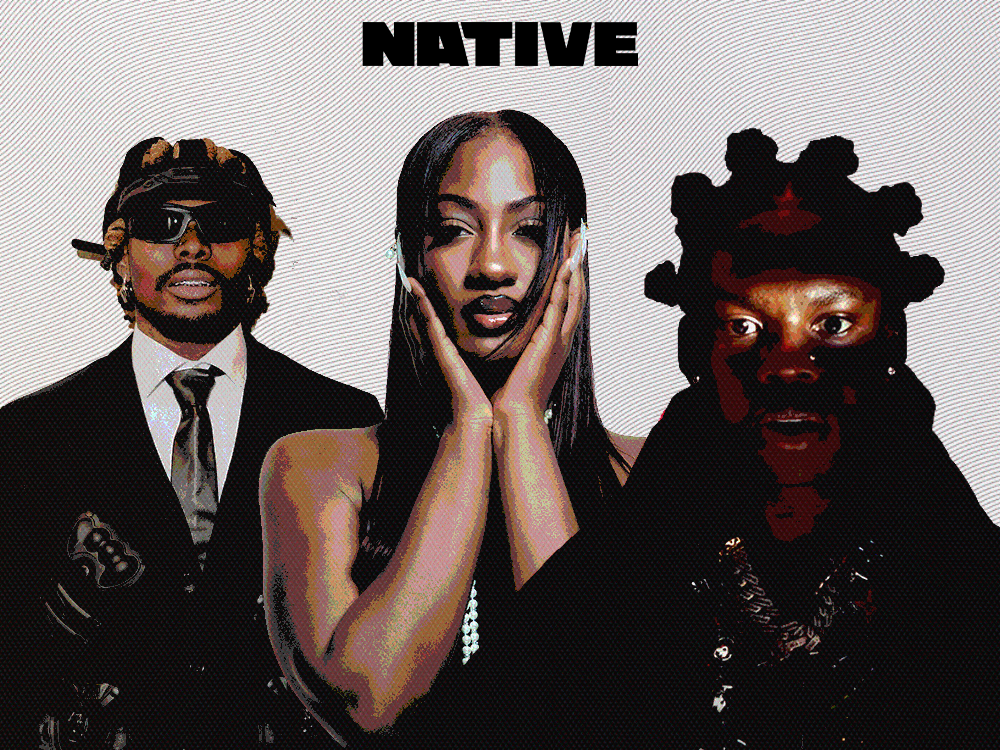
Afropop is where it gets genuinely complicated. Some critics use the word interchangeably with Afrobeats. Some use it to describe a broader category of African pop music that includes Afrobeats but also extends to South African house, Congolese soukous, Ivorian coupé-décalé, Ethiopian and Eritrean pop, and the diaspora work coming out of Paris, Toronto, and Atlanta. Apple Music and Spotify, the two platforms that effectively decide what a “genre” means in practice, use the term inconsistently from one playlist to the next. The cleanest working definition, the one most music journalists settle on after enough arguments, is this: Afropop is pop music with African elements and African artistic leadership, but not necessarily the specific Nigerian-and-Ghanaian sonic palette that Afrobeats has locked in. Joeboy’s silkier ballads, Adekunle Gold’s pivot toward acoustic-leaning love songs, Tems’ Afro-soul, and Tiwa Savage’s R&B-inflected work all sit more comfortably under Afropop than under Afrobeats proper.
A timeline that actually makes sense
Trying to understand these labels without a timeline is close to hopeless, because each generation of musicians was reacting to what came immediately before it, borrowing some elements and pointedly abandoning others. The chain runs from colonial-era dance bands through Fela’s horn sections to the laptop productions filling playlists now, and every link in it is audible in the one that follows.
Highlife: the 1920s grandfather
Long before any of this was on streaming services, there was highlife. Ghanaian dance bands in the 1920s and 1930s blended Akan rhythms with brass-band instrumentation borrowed from colonial military bands and Caribbean influences arriving by ship. By the 1950s and 60s, highlife had spread across West Africa and split into urban guitar-band highlife and the older big-band style. E.T. Mensah, Osita Osadebe, and Victor Olaiya are the names that matter. Without highlife, there is no Afrobeat, no Afrobeats, no Afropop. The guitar phrasings still echo through everything that came after.
Afrobeat: the 1970s revolution
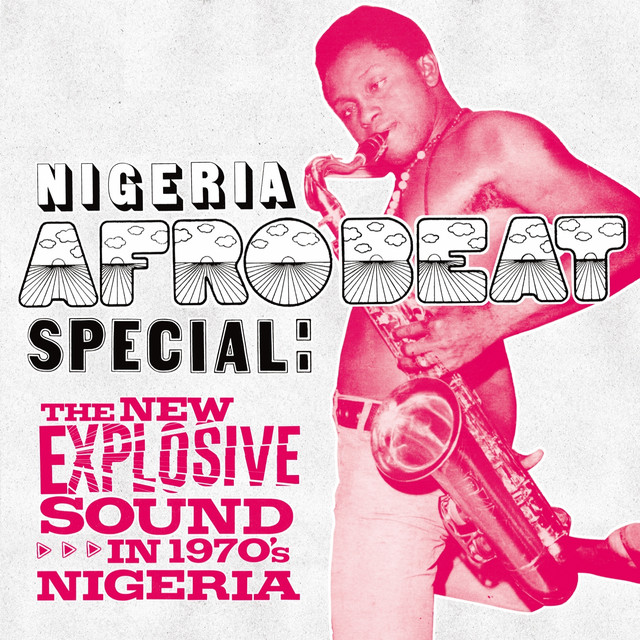
Fela’s project in the 1970s grew directly out of highlife but added jazz harmony, funk grooves, and a political project that highlife had never carried. Albums like “Zombie,” “Expensive Shit,” and “Sorrow Tears and Blood” set the template. Tony Allen’s drumming became the foundation of a sound that influenced everyone from Brian Eno to Damon Albarn.
Naija Pop and early Afropop: the 1990s and 2000s
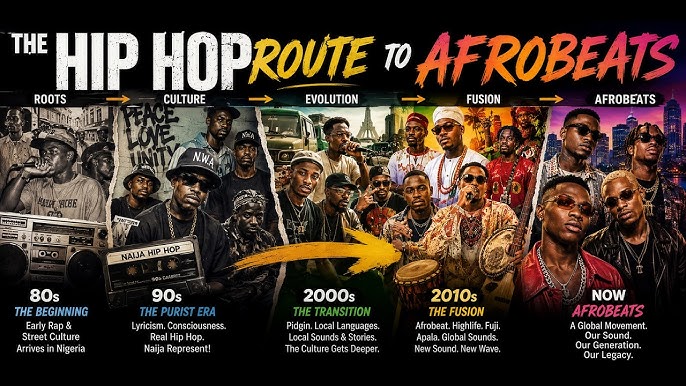
The 1990s saw a softer commercial wave: Daddy Showkey’s galala, Plantashun Boiz, Eedris Abdulkareem, the Remedies, and the rise of what some Lagos critics called “Naija pop.” This was the bridge generation. By the early 2000s, P-Square’s debut, 2Face’s “African Queen,” and D’Banj working with Don Jazzy at Mo’Hits Records were laying the commercial groundwork that would later be labeled Afrobeats once the sound went international.
Afrobeats: 2010 onward
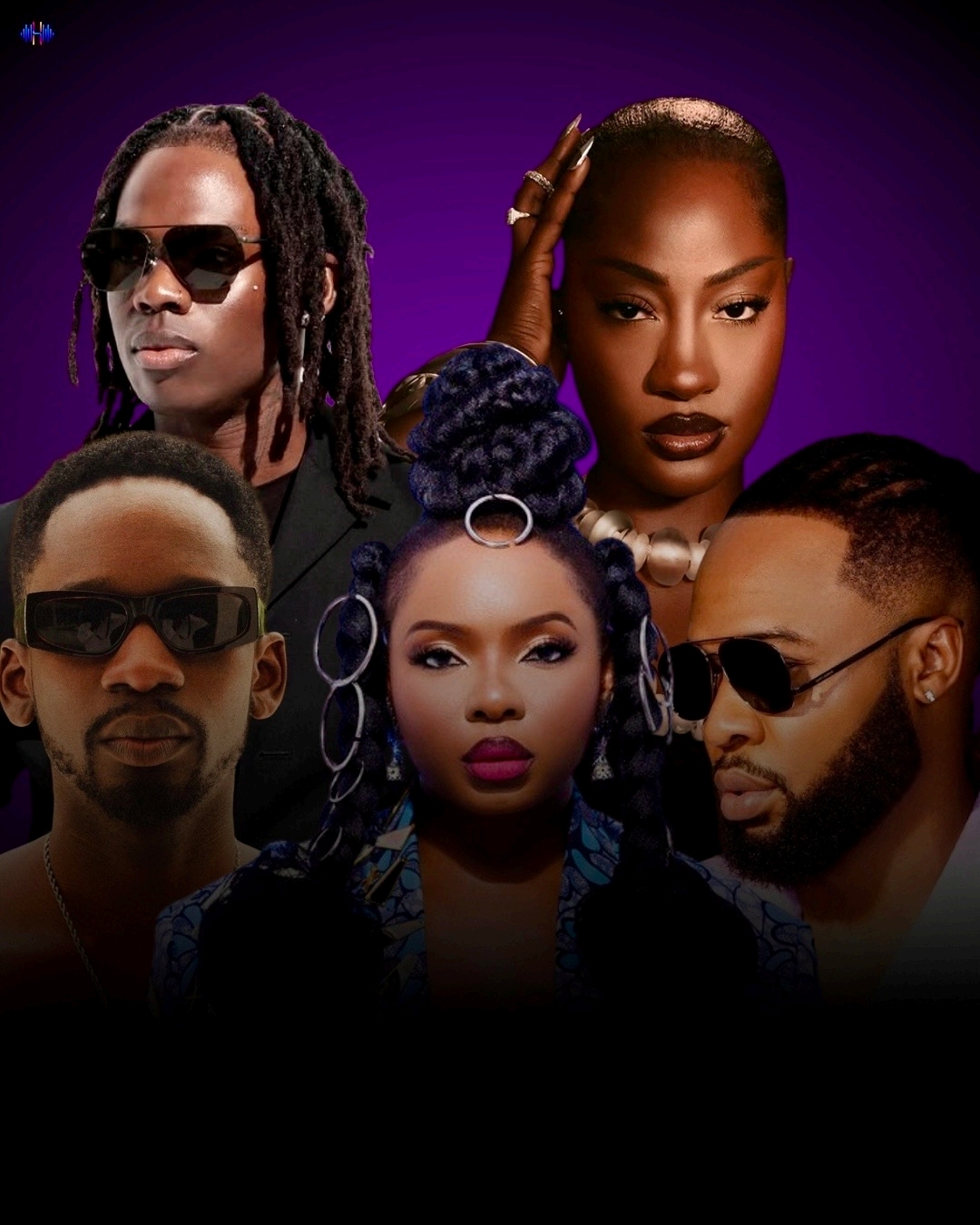
By the early 2010s, Wizkid’s “Holla at Your Boy,” Davido’s “Dami Duro,” and Burna Boy’s earliest mixtapes signaled that the Nigerian sound was about to break out. The 2018 to 2022 stretch is when it crossed over fully: Davido’s “Fall” building an unusually long American chart run well after its release, Burna Boy winning a Grammy for “Twice as Tall,” Wizkid’s “Made in Lagos” and its single “Essence” breaking through in the United States, and Tems featuring on records with Drake and Future and co-writing Rihanna’s “Lift Me Up.”
Why artists keep trying to escape the labels
The most telling pattern in modern African pop is how often the biggest names actively reject the genre tags pinned to them. This is not artistic vanity. A label determines which playlists a record enters, which festival stages an artist is offered, and which audience a song is pushed toward, so the fight over a one-word tag is a fight over money and reach.
Burna Boy and “Afrofusion”
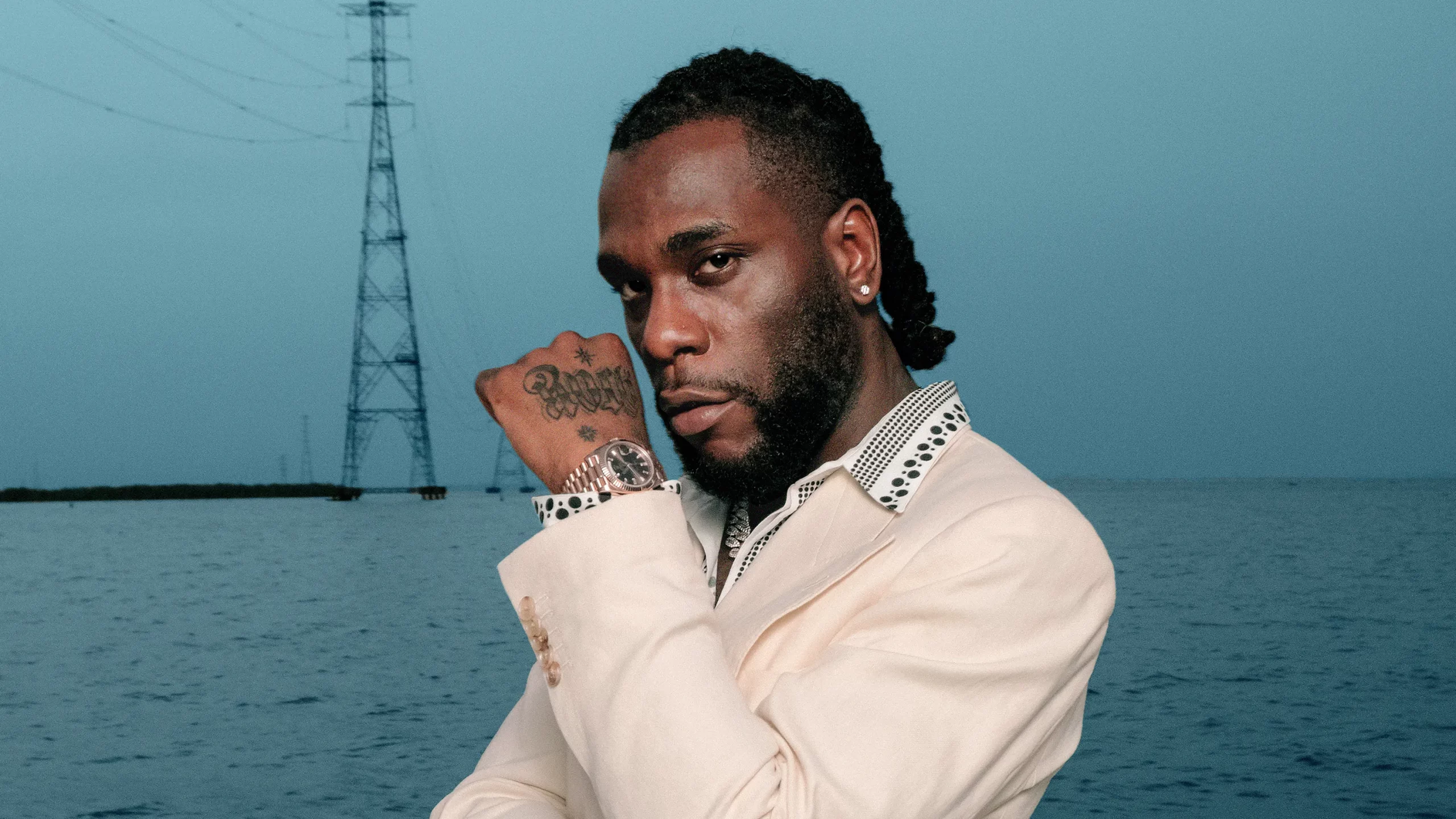
Burna Boy has spent most of his career insisting on the term “Afrofusion” to describe his work. His argument is that calling it Afrobeats flattens the dancehall, reggae, hip-hop, and Afrobeat-with-no-s influences that sit clearly inside his records. “African Giant” and “Twice as Tall” are deliberately wide in their sonic range. From Burna’s perspective, “Afrobeats” is a marketing convenience that the Western press uses to lump every Nigerian artist into one box.