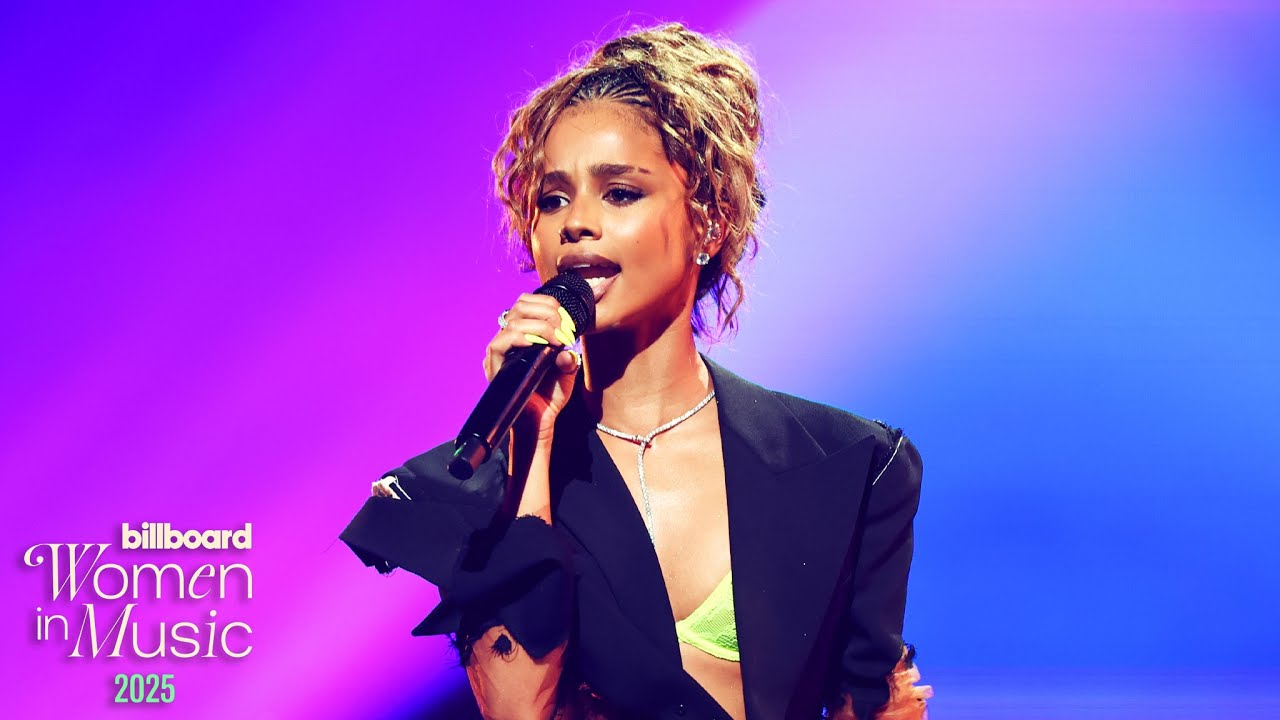
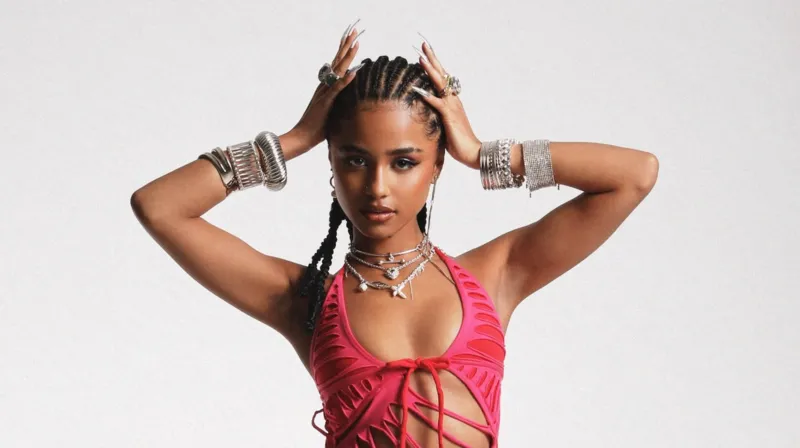
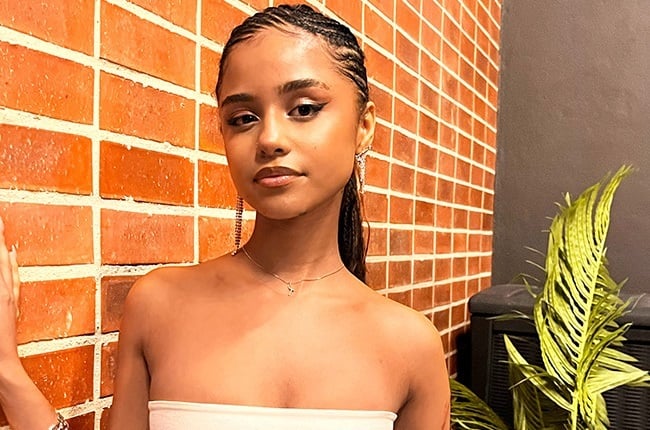
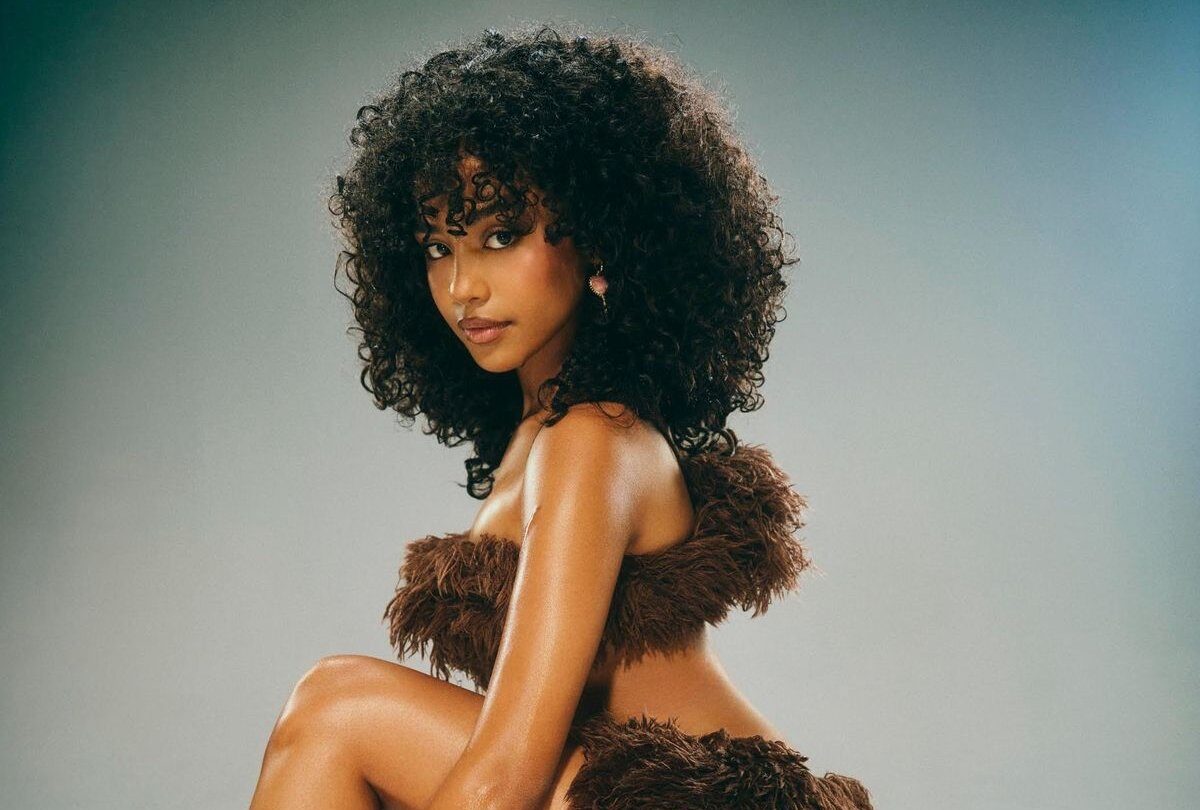
Tyla's Meteoric Rise: How South African Pop Conquered the World
Jalen Ross··9 min read
Ad SpaceArticle Top - 728x90
Advertisement
Fifty-five years. That is how long it had been since a solo South African artist appeared on the US Billboard Hot 100 before “Water” pushed its way to number seven on the chart dated 13 January 2024. The last time a soloist from South Africa had cracked that chart, Hugh Masekela was riding “Grazing in the Grass” to number one in 1968, and a woman from Johannesburg named Tyla would not be born for another thirty-four years. The number is the headline, but the story behind it is what makes her rise feel less like a fluke and more like a door swinging open for an entire region of the continent.
For African readers who have watched Afrobeats dominate the global conversation for the better part of a decade, Tyla’s breakthrough lands differently. She is not from Lagos or Accra. She does not make Afrobeats in the strict sense. Her sound is rooted in something South African, and her success says something specific about how the southern half of the continent is finally getting its turn on the world stage.
The Number That Announced Her
Charts can lie about cultural weight, but the Billboard Hot 100 record Tyla set is precise and hard to argue with. According to Billboard, “Water” peaked at number seven in January 2024, making Tyla the highest-charting African female soloist in the history of the chart. She passed Miriam Makeba, whose “Pata Pata” had reached number twelve in 1968. As reported by OkayAfrica and Billboard, that combination of facts means a young woman from Johannesburg outperformed the chart legacy of one of Africa’s most revered voices, and did it as her first real international single.
The Recording Industry Association of America certified “Water” platinum within weeks of its chart peak, in mid-January 2024, per RIAA records, and the song went on to multi-platinum status in the United States as the streams kept climbing. Spotify counts placed it among the most-streamed African songs of its cycle. Numbers like these are the receipts behind a sentence that gets thrown around loosely: Tyla broke globally. She actually did, and the chart positions are the proof.
The Johannesburg Beginnings
Tyla Laura Seethal was born on 30 January 2002 in Johannesburg, South Africa. She grew up in a mixed-heritage household in a country where heritage is rarely simple, and she has spoken often about how her identity as a South African of varied ancestry sits at the center of how she sees herself and her music. She started posting covers and short clips online as a teenager, and a snippet of an early song called “Getting Late” began circulating before she had a major-label deal in place.
That early traction matters, because it tells you the breakthrough was not manufactured overnight by a marketing budget. She signed with Epic Records through the FAX imprint, and the machinery that later pushed “Water” was bolted onto an artist who had already shown she could move people online on her own. By the time the world met her in 2023, she had been building quietly for years.
What Amapiano and Popiano Actually Are
This is the part that gets flattened in Western coverage, and it is worth getting right. Amapiano is a South African genre. It grew out of Johannesburg and Pretoria township scenes in the mid-2010s, built on deep house and kwaito foundations, defined by its signature log-drum basslines, jazzy keys, airy percussion, and long, hypnotic grooves that stretch a song out rather than rushing it. The name itself means “the pianos” in Zulu. It is house music’s South African mutation, and it belongs to South Africa in the way Afrobeats belongs to Nigeria and the wider West African coast.
Afrobeats, by contrast, is a West African and largely Nigerian sound, a percussive, melody-forward pop language carried globally by the likes of Burna Boy, Wizkid, Davido, and Ayra Starr. The two genres are cousins, not twins. Lumping amapiano under the Afrobeats umbrella is a common error, and it erases the specific lineage that made Tyla possible.
Tyla does not make pure amapiano. She has described her sound as “popiano,” a fusion that takes the log-drum pulse and spacious feel of amapiano and threads it through pop song structure, R&B vocal phrasing, and touches of Afrobeats. On the records, you can hear the amapiano skeleton, but it is dressed for radio and built around hooks. That is the honest framing: Tyla is amapiano-adjacent pop, a gateway artist who carries the genre’s DNA into a format the rest of the world already knows how to consume. She is not the genre’s purest practitioner, and she has never claimed to be. She is its most successful ambassador, which is a different and arguably more powerful role.
“Water” and the Global Break
“Water” arrived in July 2023, and it did the thing every artist dreams of and few ever pull off. It became a moment. The song paired a sultry, restrained vocal with that amapiano-informed groove, and then a dance routine attached itself to the chorus and the whole thing detonated on TikTok. The “Water challenge,” built around a specific waist-isolating move, spread from South Africa to every corner of the platform, pulled in by millions of users and amplified by celebrities who could not resist trying it.
What separated “Water” from the usual viral churn is that the song held up once the dance faded. It climbed the Hot 100 steadily rather than spiking and vanishing, and it crossed onto radio formats in the United States and Europe. Billboard tracked it to number one on its US Afrobeats Songs chart, an irony worth naming given that Tyla is a South African artist working in an amapiano-rooted style, and a small reminder of how the industry still struggles to categorize her precisely. The song’s reach was the kind that turns a single hit into a career foundation.
The Grammy That Created a Category
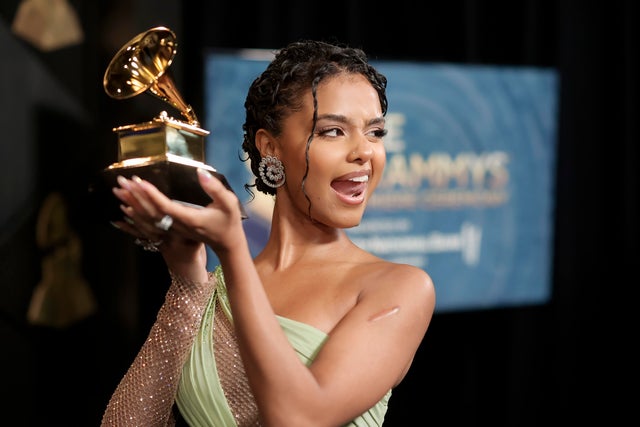
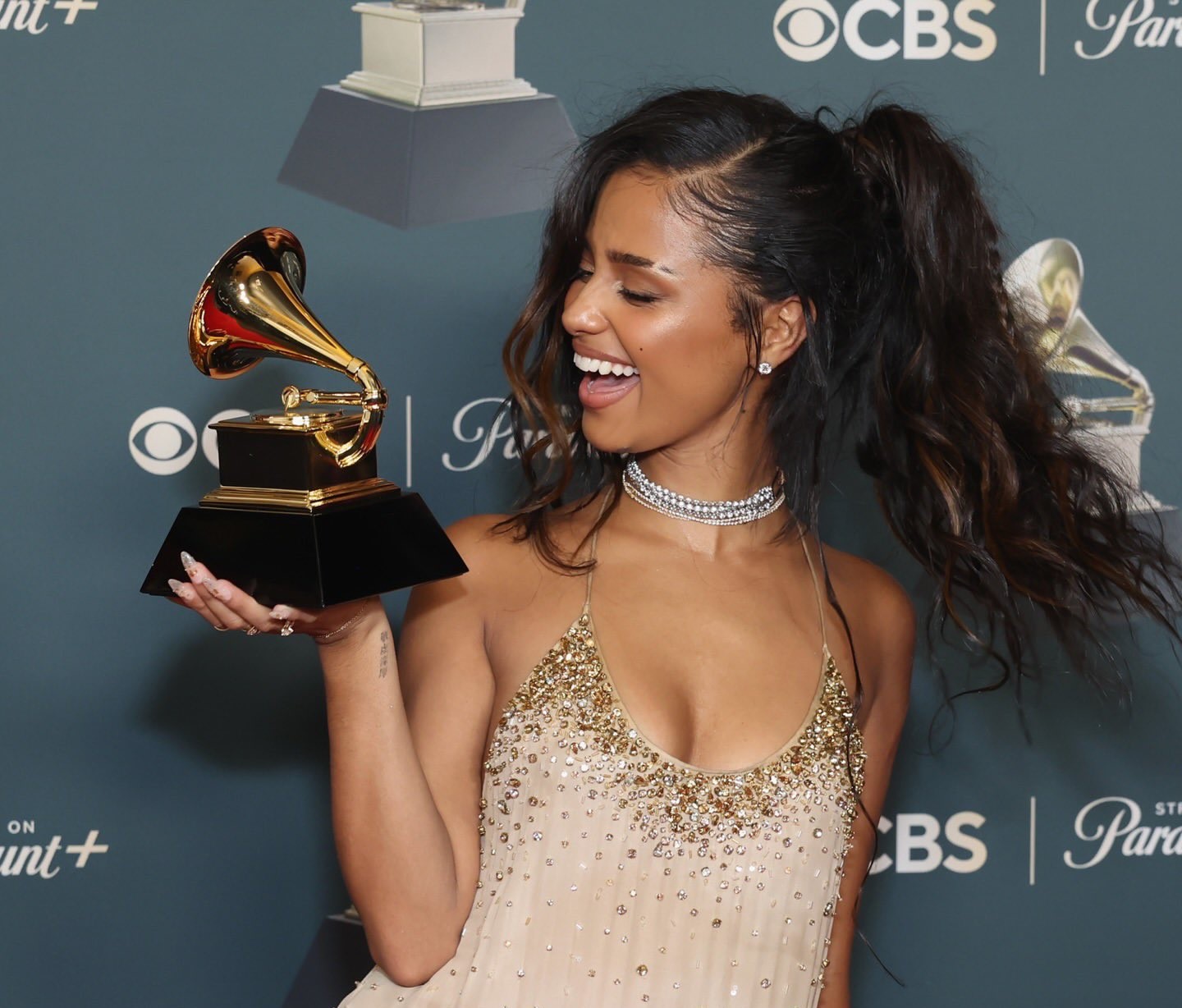
In February 2024, Tyla won the inaugural Grammy Award for Best African Music Performance for “Water,” as confirmed by the Recording Academy. The category was brand new, created by the Academy to formally recognize music from the continent, and Tyla was its first-ever recipient. She was twenty-two. In her acceptance speech she said she never thought she would be able to say she won a Grammy at that age.
Ad SpaceIn-Article - 300x250
Advertisement
The field she beat is the detail that gives the win its weight. According to the Recording Academy, “Water” took the category ahead of Asake and Olamide’s “Amapiano,” Burna Boy’s “City Boys,” Davido’s “Unavailable” featuring Musa Keys, and Ayra Starr’s “Rush.” Those are established West African heavyweights, several of them with far longer track records on the global stage. A South African newcomer winning the first edition of an award meant to honor African music, over that roster, was a statement about where the energy was flowing.
She was not done. At the 68th Grammy Awards in February 2026, Tyla won the same category a second time, this time for “Push 2 Start,” as reported by Music In Africa and News24. That made her a two-time winner of Best African Music Performance and the artist most associated with the category since its creation. Winning it once can be luck. Winning it twice, across two different songs and two album cycles, reads as durability.
The Album and the Collaborations
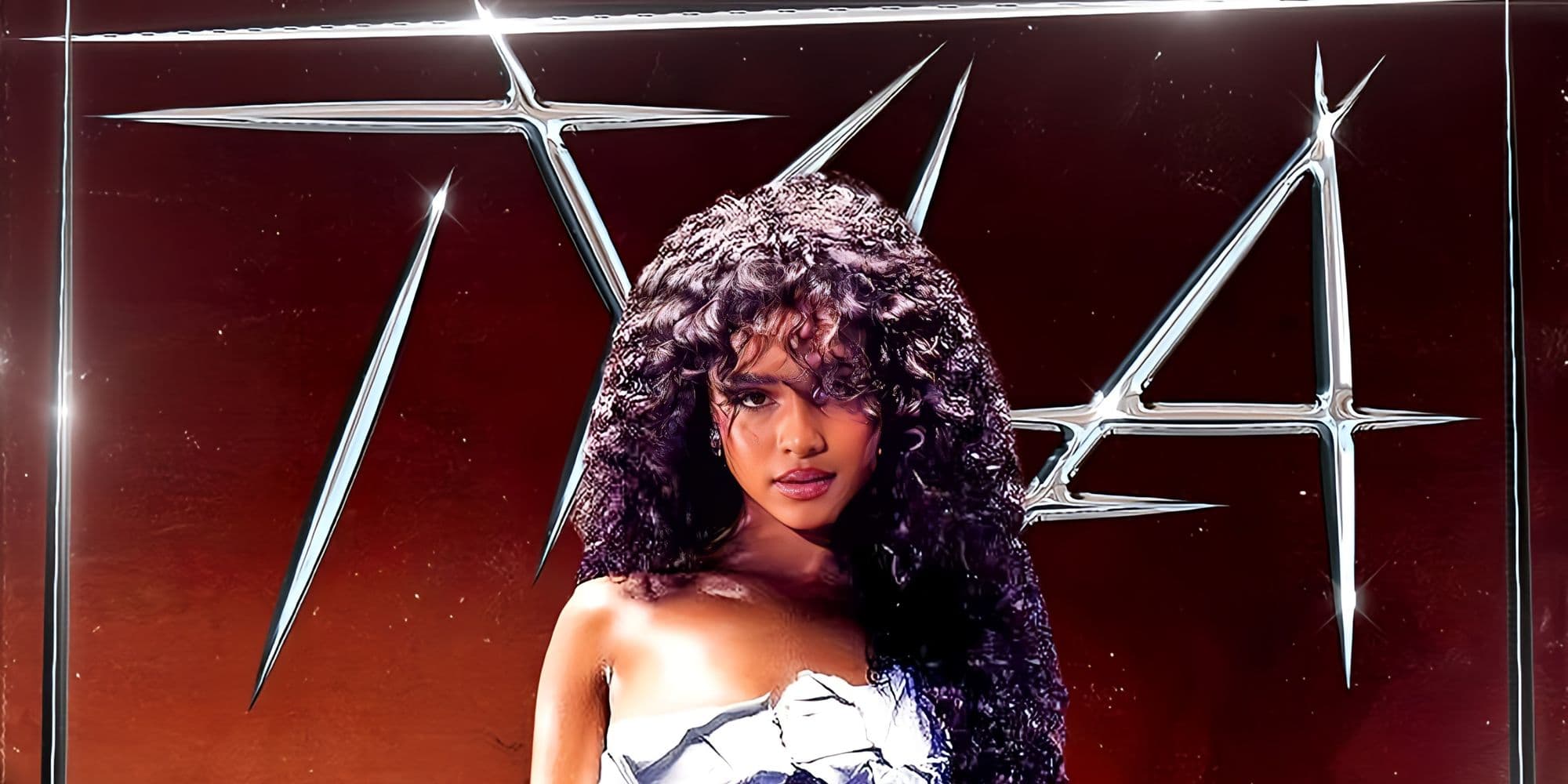
Tyla’s self-titled debut album arrived on 22 March 2024, through FAX and Epic Records. It debuted at number twenty-four on the Billboard 200 with roughly 24,000 album-equivalent units in its first week, per Billboard, and was later certified gold by the RIAA. The record is the clearest map of her sound: amapiano and R&B at the base, pop architecture on top, Afrobeats accents throughout, exactly the “popiano” she describes.
The guest list reads like a deliberate bridge between worlds. The album features South African amapiano producer Kelvin Momo, Nigerian star Tems, American rapper Gunna and Jamaican artist Skillibeng on “Jump,” and Becky G on “On My Body.” A remix of “Water” featuring Travis Scott pushed the song deeper into the American mainstream. Those choices were not random. They tie South African production to West African vocals, American hip-hop, and Latin pop, positioning Tyla at the intersection rather than inside any single lane.
In October 2024, she released the deluxe edition, “Tyla +,” adding three tracks including “Push 2 Start,” the song that would win her second Grammy. She kept the momentum going from there. In July 2025 she put out an EP, “WWP,” marketed as “We Wanna Party,” a more amapiano-forward project meant as a bridge to her second album. That bridge has a destination: her sophomore album, “A*Pop,” set for release on 24 July 2026, previewed by the singles “Chanel” and “She Did It Again” featuring Zara Larsson.
The Fashion and the Persona
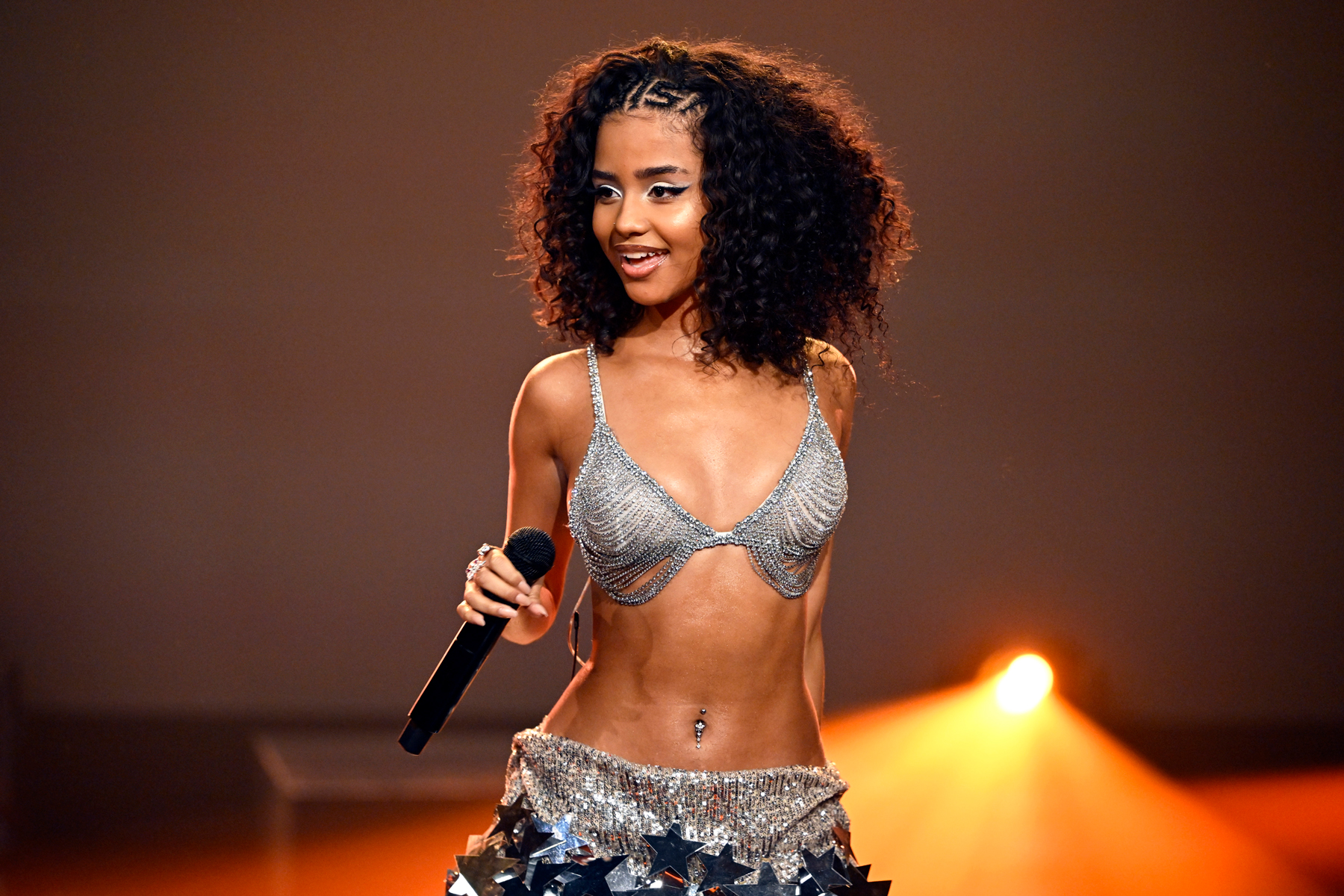
Tyla understood early that a pop star in 2024 is a visual proposition as much as a musical one, and she has played that game with unusual confidence. Her debut at the Met Gala in May 2024 became one of the most discussed looks of the night. Dressed by Balmain’s Olivier Rousteing for the “Garden of Time” theme, she wore a gown literally constructed from sculpted sand, with an organza train carrying three shades of sand and micro-crystal studs, molded to a plaster cast of her body. She carried an hourglass-shaped handbag to drive the theme home, the whole ensemble a meditation on passing time and impermanence. The dress restricted her movement so completely that she had to be carried up the museum steps, which only added to the spectacle.
That moment told the industry she was not a one-song novelty but a fully formed star with taste and a point of view. Her persona blends a soft-spoken, almost shy interview presence with a commanding stage and camera presence, and she has leaned into representing South Africa specifically, correcting interviewers who reach for “Afrobeats” and patiently explaining amapiano and her own background. For a generation of South African girls, that visibility is the product, as much as the music.
Amapiano, Afrobeats, and South Africa’s Moment
Here is the larger meaning African readers will already sense. For most of the last decade, the global story of African music has been an Afrobeats story, written largely in Lagos. Burna Boy filled stadiums, Wizkid and Davido became household names abroad, and the genre became shorthand for “African music” in a way that quietly sidelined the rest of the continent. Amapiano was exploding across Africa during those same years, dominating dancefloors from Johannesburg to Nairobi, but it had not produced a single crossover figure who could plant a flag on the American charts.
Tyla planted that flag. She did it not by exporting pure amapiano, which can feel long and structurally unfamiliar to ears trained on three-minute pop, but by translating its feel into a format the world already speaks. That is why the “gateway” framing matters. She is the artist who proved South African sound could win at the highest commercial level, which clears a path for the genre’s purer practitioners to follow with their credibility intact. Her success is not amapiano conquering the world on its own terms yet. It is amapiano getting its passport stamped, with the harder work of full crossover still ahead for the producers and vocalists who built the genre.
What Her Breakthrough Opens
The most useful way to read Tyla is as a proof of concept. Before “Water,” a South African label executive pitching an amapiano-rooted pop act to American radio had very little to point at. Now there is a clear case study: a chart record that broke a fifty-five-year drought, two Grammys, a gold debut album, a Met Gala that the fashion press still references, and a touring footprint that reached Tokyo, Bangkok, Hong Kong, Manila, and Singapore on her We Wanna Party run through late 2025. That is a template, and templates are what younger artists and the people who sign them actually need.
The next generation of South African talent now has something their predecessors did not, which is evidence that the door opens. Whether the act behind it is a purer amapiano artist, another popiano hybrid, or something not yet named, the path Tyla cut makes the pitch easier and the ambition more reasonable. Hugh Masekela carried South African music onto the global charts in 1968 and then the line went quiet for over half a century. Tyla redrew that line, and the difference this time is that she did not arrive alone. She arrived as the front of a movement that had been building back home for years, finally loud enough for the rest of the world to hear.
Ad SpaceIn-Article - 300x250
Advertisement
Share
Get the recap
Loved this story? Get more like it.
Join readers who get our weekly entertainment recap - the stories worth your time, delivered every Friday.
No spam. Unsubscribe anytime. By signing up you agree to our Privacy Policy.