Toy Story 5 and the Weight of a Perfect Ending: Why Pixar Went Back to Andy's Toys
Nova Patricks··9 min read
Ad SpaceArticle Top - 728x90
Advertisement
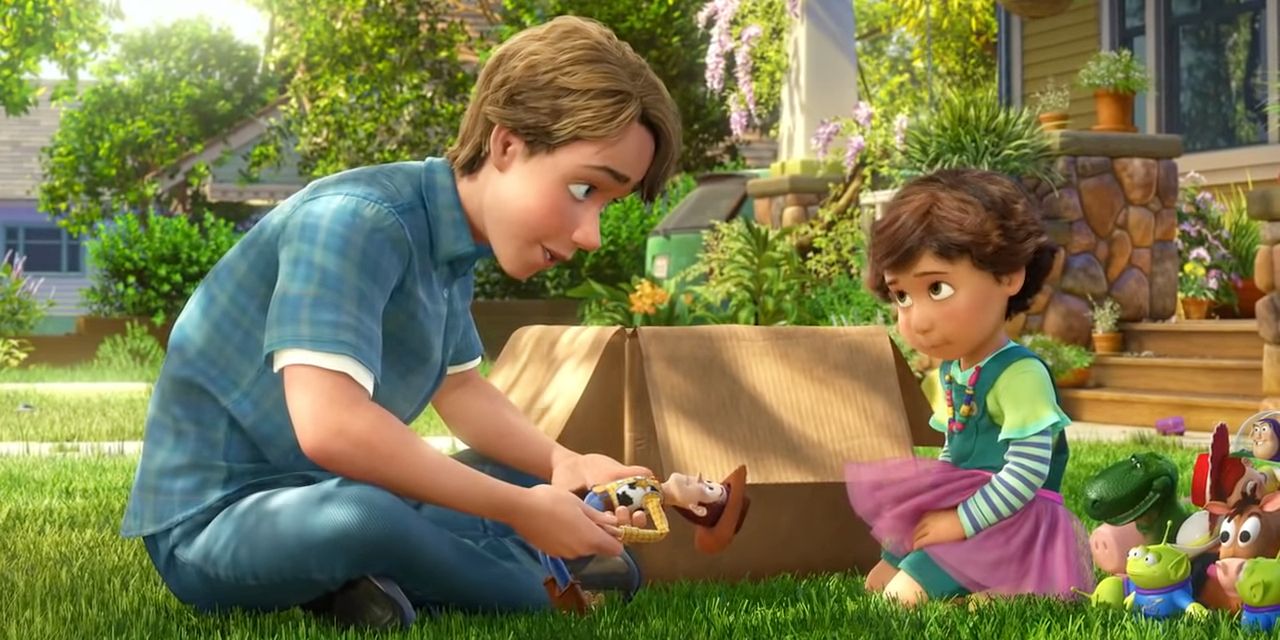
Woody stands in the doorway of a stranger’s life. The car is packed, Andy is leaving for college, and the cowboy doll he has carried since childhood is sitting in a cardboard box marked for a little girl named Bonnie. Andy kneels in the grass, picks each toy up one last time, and introduces them to her like he is handing over something sacred. “Now Woody, he’s been my pal for as long as I can remember.” Then he plays with them on the lawn, the way he did when he was small, and for one held breath the years collapse. When the car finally pulls away, Woody lifts his hand and says the line that closed a chapter of a lot of people’s childhoods: “So long, partner.”
That scene, from the end of Toy Story 3 in 2010, was supposed to be the last word. Pixar built it to be a goodbye, and audiences received it that way, sniffling in cinemas from Lagos to Los Angeles. Which is exactly why the existence of a fifth film carries a strange gravity that no other animated sequel quite shares. You do not casually reopen something you so deliberately closed. The question hanging over the franchise has never been whether Pixar can make these toys move and talk again. It is whether the studio has any business disturbing one of the most complete endings in modern cinema, twice now, and getting away with it.
What Toy Story 5 Actually Is
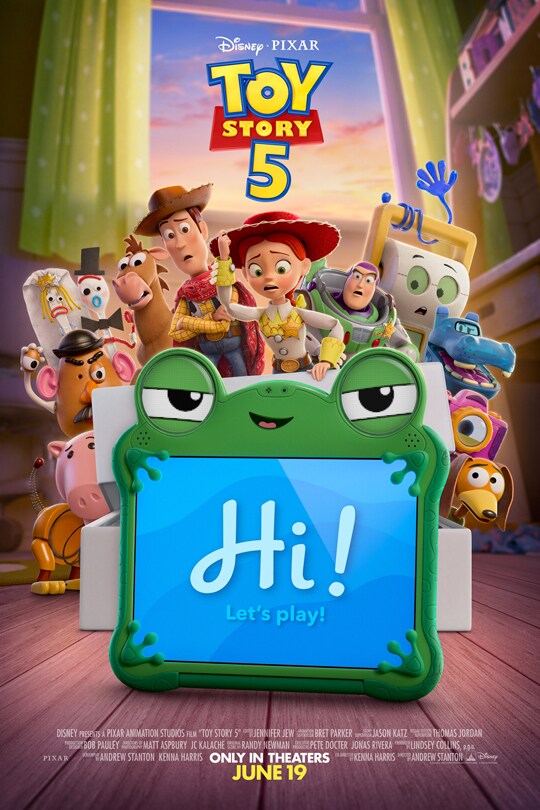
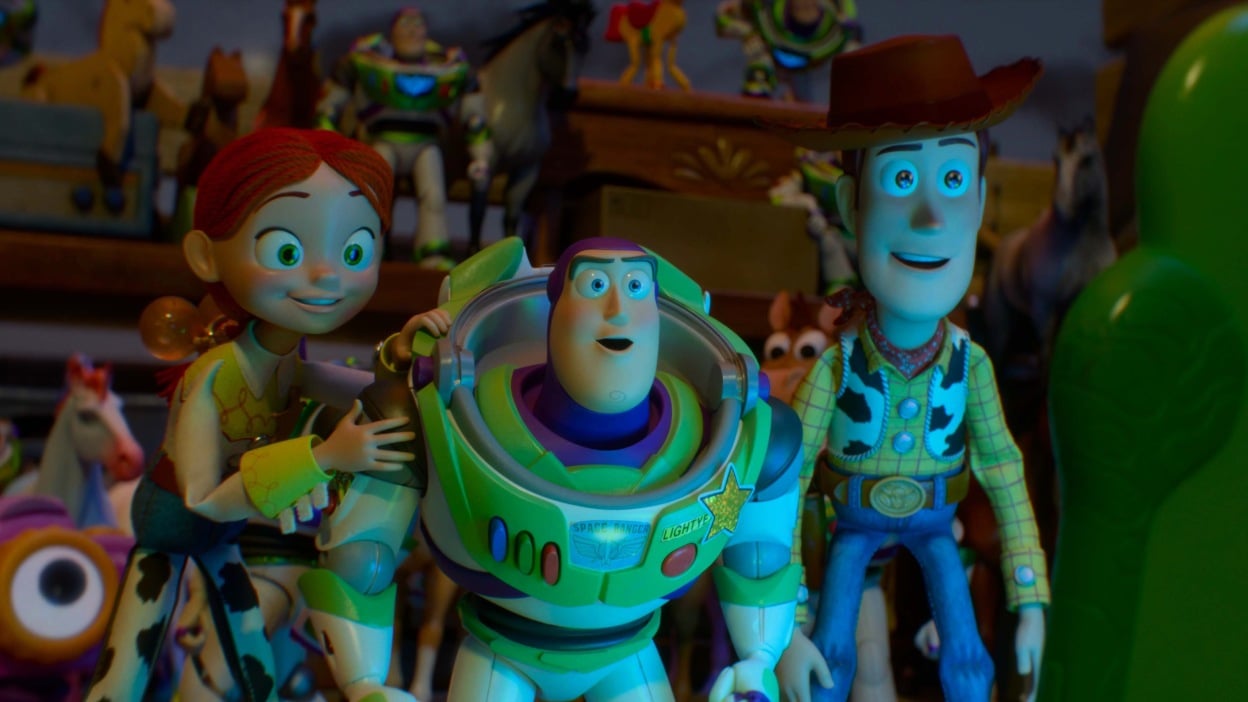
Toy Story 5 arrived in United States cinemas on June 19, 2026, following a world premiere in Los Angeles on June 9. It is directed by Andrew Stanton, the Pixar veteran behind Finding Nemo and WALL-E, with McKenna Harris co-directing. Tom Hanks returns as Woody, Tim Allen as Buzz Lightyear, and Joan Cusack as Jessie, the core voices fans have known for decades.
The premise is the most contemporary the series has attempted. The toys’ quiet domestic world is upended when Bonnie, the child who inherited them at the close of Toy Story 3, receives a sleek tablet device named Lilypad, voiced by Greta Lee. Lilypad is not a snarling villain in the mold of earlier Toy Story antagonists. She is a smart screen with her own confident ideas about what a modern child needs, and what she offers, endless games and stimulation on tap, is far more seductive to a young girl than a pull-string cowboy or a plastic space ranger. The film frames the threat plainly: childhood is being handed over to screens, and the toys are watching their purpose slip out of their hands. A trio of lesser gadgets round out the new tech world, including a potty-training device named Smarty Pants voiced by Conan O’Brien and a GPS hippo named Atlas voiced by Craig Robinson.
That is the verified shape of the film. What makes it worth a serious look is not the gadgetry but the nerve required to make it at all.
The Film That Started a New Kind of Cinema
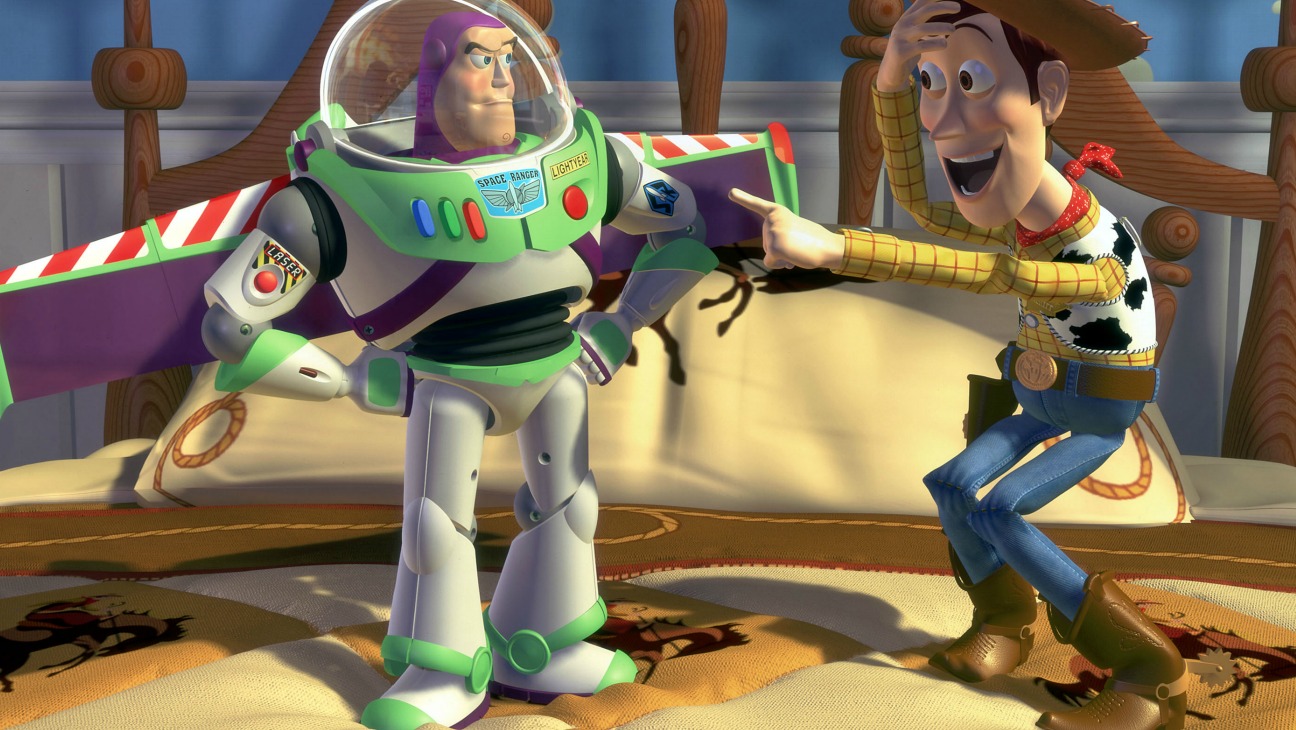
To understand why Toy Story carries more weight than the average revival, you have to go back to 1995, when the first film did something no feature had ever done. Toy Story was the first full-length movie animated entirely with computers, directed by John Lasseter at a Pixar that was then a small, unproven studio betting everything on a single idea. Before it, animation meant hand-drawn cels and the house style of Disney’s golden era. After it, the entire industry pivoted. Within a decade, traditional 2D animation had been largely pushed aside, and the CGI feature became the default language of family cinema worldwide.
So the franchise is not just beloved. It is foundational. Every glossy animated film a Nigerian family streams on a Sunday afternoon, every DreamWorks and Illumination release, traces its technical lineage back to a cowboy doll and a space toy bickering on a shelf in 1995. That history raises the stakes of any sequel. Pixar is not protecting a cash cow. It is protecting the reputation of the film that proved the medium could carry real emotion, not just spectacle.
The Trilogy That Kept Sticking the Landing
The rarest thing about Toy Story is not its origin. It is its consistency. Toy Story 2 in 1999 deepened the world by asking whether a toy should accept a museum’s immortality or risk being loved and worn out by a child, a genuinely adult question dressed in bright plastic. Then Toy Story 3 in 2010 delivered the gut punch, sending Andy to college and forcing his toys to confront abandonment, obsolescence, and a furnace scene so bleak it momentarily stops being a children’s film at all before its tearful handover to Bonnie.
Most franchises decline. The third film is usually where the magic thins out. Toy Story did the opposite, and that track record is precisely what makes a fifth entry so dangerous. The series has never released a film that damaged the brand. Every chapter has, in its own way, stuck the landing. To keep going is to keep gambling with a perfect record.
Why Toy Story 3 and Toy Story 4 Each Felt Like Goodbyes
Here is the creative knot at the heart of the whole enterprise. Toy Story 3 was widely treated as the definitive ending. Critics and fans alike called it a flawless send-off, the rare blockbuster that earned its tears, and many argued the saga should have stopped right there, the way some insist the story ended cleanly at three films and anything after risked tarnishing it.
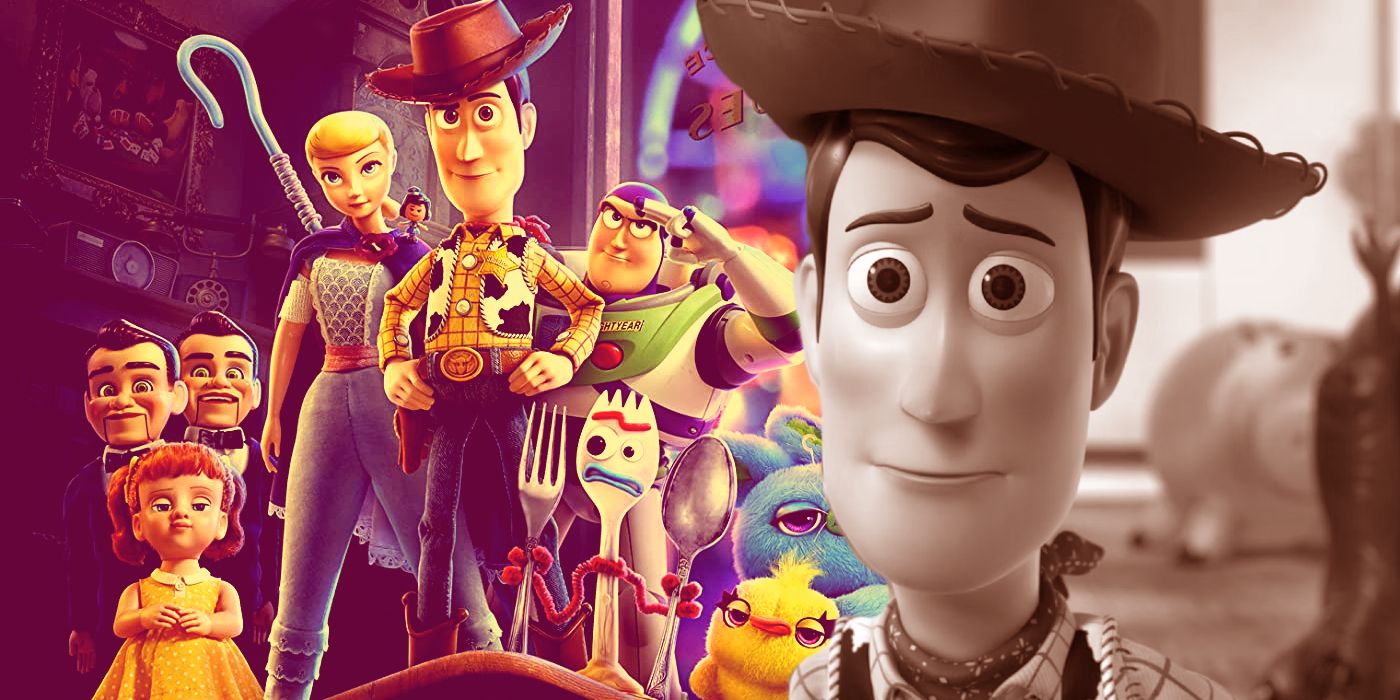
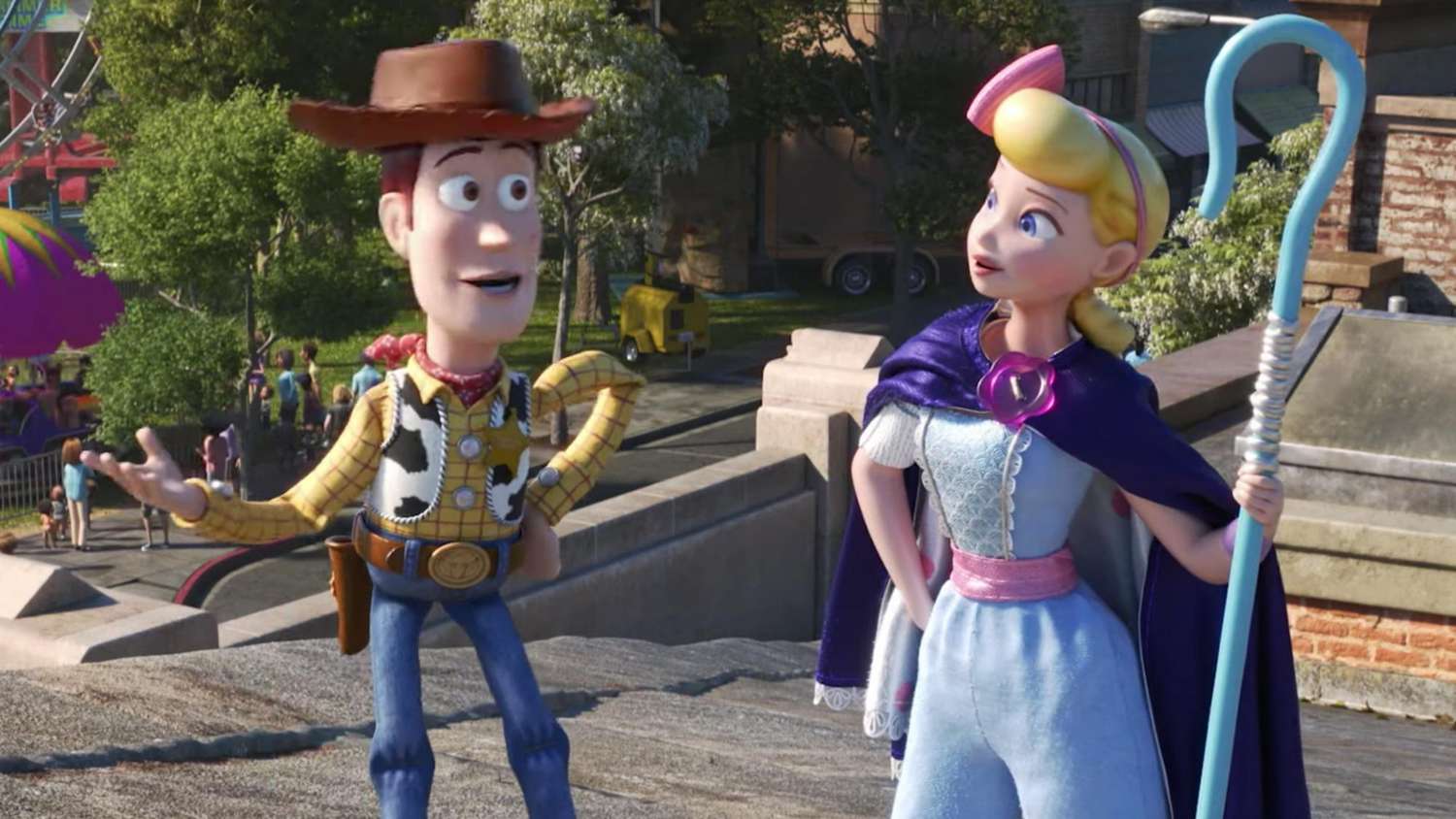
Then Toy Story 4 came in 2019 and complicated that closure. Rather than retread the same beats, it followed Woody on a more personal reckoning, reuniting him with Bo Peep, the free-spirited shepherdess who had spent years living unowned and adventurous out in the world. The film ended with Woody making a stunning choice, walking away from Buzz and the gang to start a new life with Bo, choosing freedom over the only identity he had ever known. Tom Hanks and Tim Allen have spoken about how emotional that final recording session was, both men struggling to get their lines out. It was, again, treated as a definitive ending, this time for Woody himself.
Ad SpaceIn-Article - 300x250
Advertisement
So Pixar has now ended this story twice. Two clean goodbyes. Two moments designed to be final. That is the weight Toy Story 5 has to carry, and it explains why the announcement was met with as much wariness as excitement.
The Creative Risk of Going Back
The danger of a fifth film was never commercial. These movies make money. The danger was artistic. After two endings engineered to feel complete, a sequel risks looking like a studio that cannot let go, the cinematic equivalent of a band reuniting one tour too many. The cautionary comparison critics kept reaching for was a beloved trilogy cheapened by an unnecessary fourth chapter.
Early reception suggests Pixar found a way through, though not unanimously. The key creative decision was structural. With Woody having ridden off with Bo at the end of the fourth film, Stanton shifts the franchise’s center of gravity away from the Woody and Buzz double act toward Jessie, who steps up as the new lead. Reviewers noted that Woody passes his sheriff’s badge to Jessie before saying his own goodbye, a handover that lets the saga continue an arc forward rather than forcing the old dynamic to repeat itself. Variety called the result nimble, moving, and irresistible. Other critics were cooler, arguing the film loses some nerve with its central idea and that the series’ signature theme of mortality feels muted this time. But the consensus landed closer to relief than disappointment, a sequel few people asked for that justified its own existence.
Pixar in 2026 and the Sequel Question
The timing of Toy Story 5 is not an accident, and it is impossible to discuss honestly without acknowledging the corner Pixar has painted itself into. The studio’s recent original films have struggled badly at the box office. Elio, its 2025 original, posted the worst opening in Pixar history, around 21 million dollars domestically against a budget reported near 150 million. Elemental in 2023 opened softly before recovering over a long run. Meanwhile, the sequels have printed money. Inside Out 2 became one of the highest-grossing animated films ever made.
That contrast has hardened into an industry debate. Pixar, once the studio that built its name on bold original stories, now leans on familiar properties to stay profitable, and critics worry the creative engine that made it great is being starved to feed the franchises. The studio has signaled a plan to alternate between originals and sequels, but the math keeps pulling it back toward what audiences already trust. Toy Story 5 sits right in the middle of that tension. It is both a genuine creative effort and a strategic safety net, the reliable old toy box Pixar reaches for when the new ideas underperform. The film’s success or failure feeds directly into the larger argument about whether the studio still has the courage of its early years.
Why These Toys Still Matter Across Generations
Strip away the box office charts and the strategy and the simple truth remains: people love these characters in a way that crosses borders and decades. The first Toy Story is now 30 years old. The child who watched it in 1995 may have an 18-year-old of their own. That layering is the franchise’s quiet superpower. A parent settling down to watch Toy Story 5 in 2026 is not just entertaining a child. They are revisiting their own childhood through their kid’s eyes, and the films know it, which is why every entry is secretly about the passage of time.
For African family audiences, that cross-generational pull lands with particular force. In a Nigerian household where storytelling has always moved from elder to child, a series explicitly about handing something precious down to the next generation needs little translation. The themes are universal: loyalty, growing up, being set aside and finding new purpose, the ache of letting a child move on. And the 2026 film’s anxiety about screens swallowing playtime speaks directly to a continent where smartphones reached families faster than almost anywhere on earth, where the same parents worried about a tablet replacing a toy are living that exact tension in their own living rooms. Toy Story has never needed cultural adaptation to travel. Its subject is family itself.
That is also why the nostalgia argument, the one being made about every animated revival of the moment, only partly fits here. Yes, Pixar is mining affection for a known property in a risk-averse era. But Toy Story is not nostalgia bait in the way a hollow reboot is. It is a series that has, across three decades, actually said something each time about the stage of life its audience happens to be in. The toys grow up alongside the people watching them.
What Is Riding on It
A fifth Toy Story film was never going to be judged on whether it could make audiences laugh or move convincingly through a frame. Pixar settled those questions in 1995. It is being judged on something heavier: whether a studio can return to a story it has already ended, twice, with two of the most satisfying farewells animation has ever produced, and find an honest reason to be there. The badge passing from Woody to Jessie is the franchise’s answer, an admission that the old guard’s story is finished and a bet that a new one is worth telling.
The toys in the box have always been about endings, about the moment a child outgrows them and the question of what they are for once that happens. There is something fitting, then, about a franchise that keeps confronting its own mortality and choosing, against the safe instinct to stay shut, to open the lid one more time. Whether that choice reads as courage or as a studio unable to say so long for good is the conversation Toy Story 5 leaves on the table, and it is a more interesting one than any tablet villain could have written.
Ad SpaceIn-Article - 300x250
Advertisement
Share
Get the recap
Loved this story? Get more like it.
Join readers who get our weekly entertainment recap - the stories worth your time, delivered every Friday.
No spam. Unsubscribe anytime. By signing up you agree to our Privacy Policy.