

Table of Contents
- When Big Bird Became a Lifeline
- The Woman Behind the Mission
- Operation Big Bird Unfolds
- The Broader Impact on Entertainment
- Legacy of Courage in Crisis
When Big Bird Became a Lifeline

In the annals of television history, there have been countless stories of executives making tough decisions, but few carry the weight of life and death like the tale of Sherrie Westin’s extraordinary rescue mission in Afghanistan. As the Taliban swept through the war-torn nation in August 2021, seizing control with lightning speed, most of the world watched helplessly from afar. But for Westin, the executive vice president of global impact and philanthropy at Sesame Workshop, the chaos represented something far more personal - her team members were trapped in Kabul, and their lives hung in the balance. What followed would become known as “Operation Big Bird,” a nickname that perfectly captured both the urgency of the situation and the beloved children’s brand at the heart of this real-world drama.

The timing couldn’t have been more critical. As American forces prepared for their final withdrawal from Afghanistan, ending the longest war in U.S. history, the country descended into chaos faster than anyone had anticipated. For international organizations operating in the region, including Sesame Workshop’s local partners working on educational programming, the rapidly changing political landscape posed immediate and severe threats. The beloved characters that had brought joy and learning to children worldwide suddenly found their human creators in mortal danger, setting the stage for one of the most remarkable rescue stories in entertainment industry history.
The Woman Behind the Mission
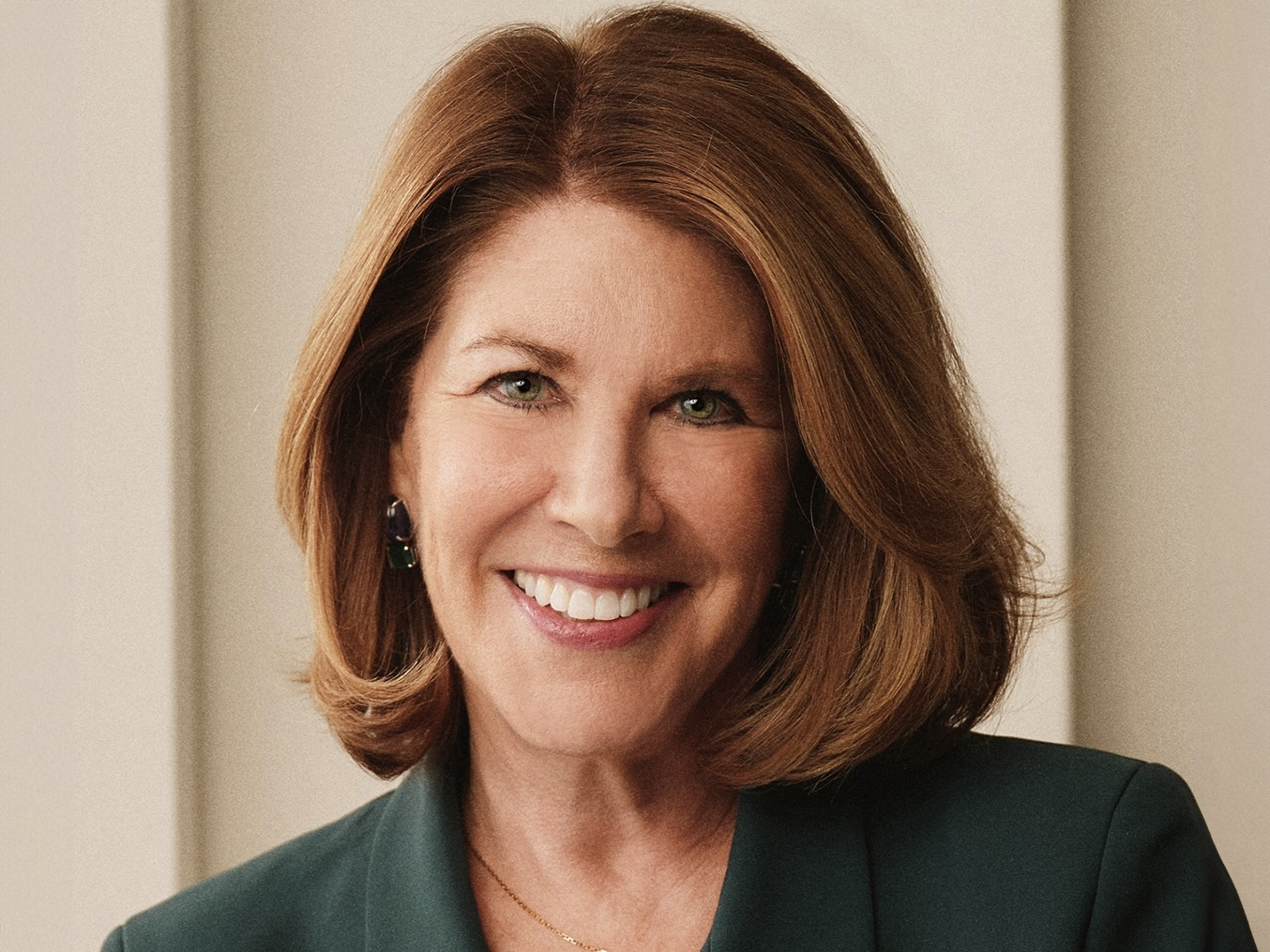
Sherrie Westin has spent decades working at the intersection of entertainment and social impact, making her uniquely qualified to handle a crisis of this magnitude. Her role at Sesame Workshop extends far beyond traditional television production, encompassing global educational initiatives that reach some of the world’s most vulnerable populations. Through programs like “Ahlan Simsim,” the Arabic version of Sesame Street designed specifically for refugee children, Westin has built relationships and partnerships across regions where stability is often a luxury. Her deep understanding of international development work, combined with her position at one of America’s most trusted children’s brands, gave her both the motivation and the connections necessary to attempt what seemed impossible.
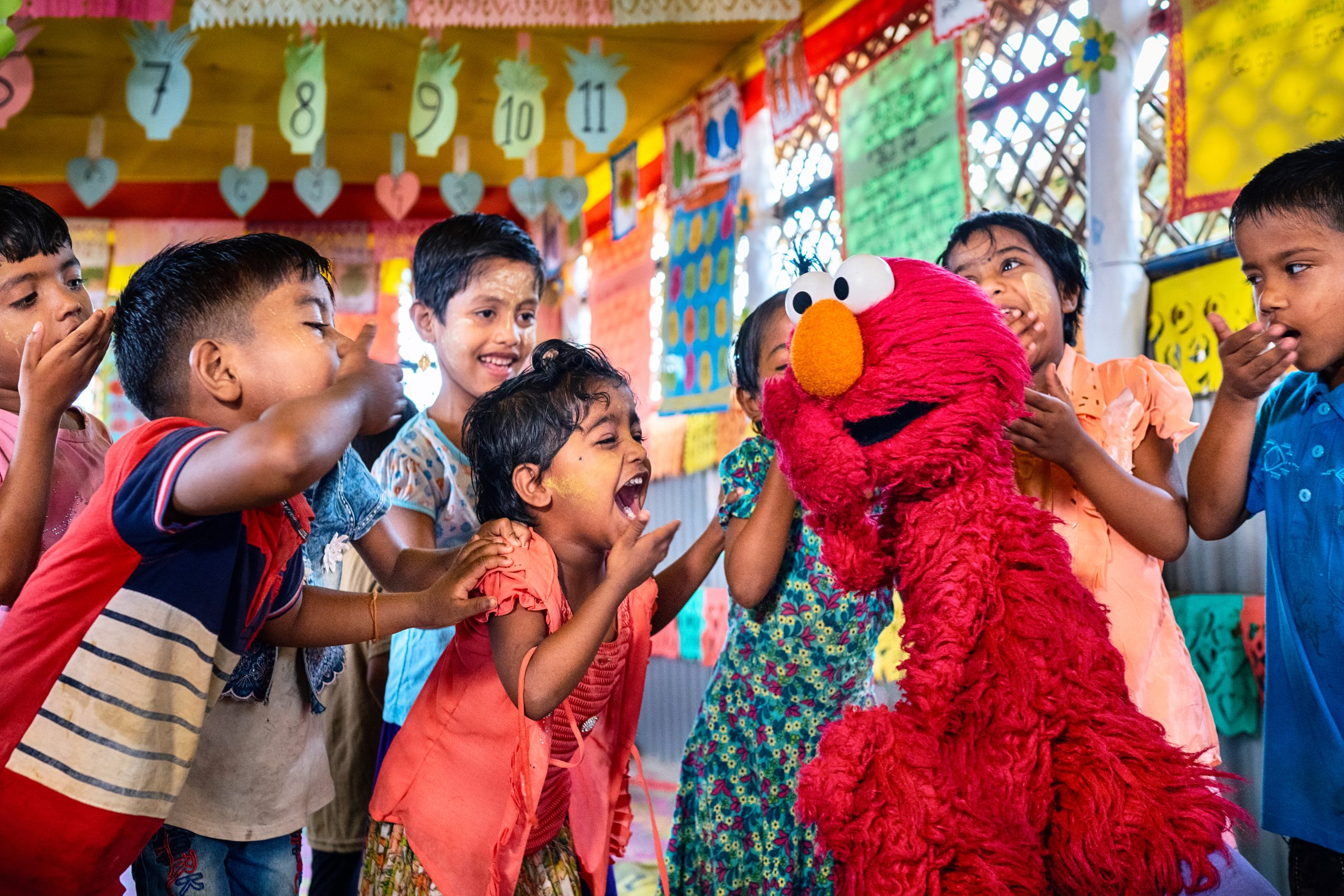
What sets Westin apart in the entertainment industry is her commitment to using media as a force for good in the world’s most challenging environments. While many executives focus solely on ratings and revenue, Westin has dedicated her career to ensuring that quality educational content reaches children who need it most - including those in conflict zones. This philosophy meant that when crisis struck in Afghanistan, she wasn’t just dealing with abstract business partners or distant colleagues, but with people she had worked closely with to bring hope and learning to Afghan children. The personal relationships she had built over years of collaboration would prove crucial in the desperate hours that followed the Taliban’s takeover.
Operation Big Bird Unfolds

The operation that would earn Westin widespread acclaim began as soon as it became clear that the situation in Afghanistan was deteriorating rapidly. Drawing on her extensive network of contacts in government, military, and humanitarian circles, Westin launched what can only be described as a masterclass in crisis management. The nickname “Operation Big Bird” emerged organically among those involved in the rescue efforts, a reference that highlighted both the Sesame Street connection and the serious nature of the mission. Unlike the fictional rescues that might appear in Hollywood films, this operation required navigating real bureaucratic obstacles, security concerns, and the ticking clock of the American withdrawal.
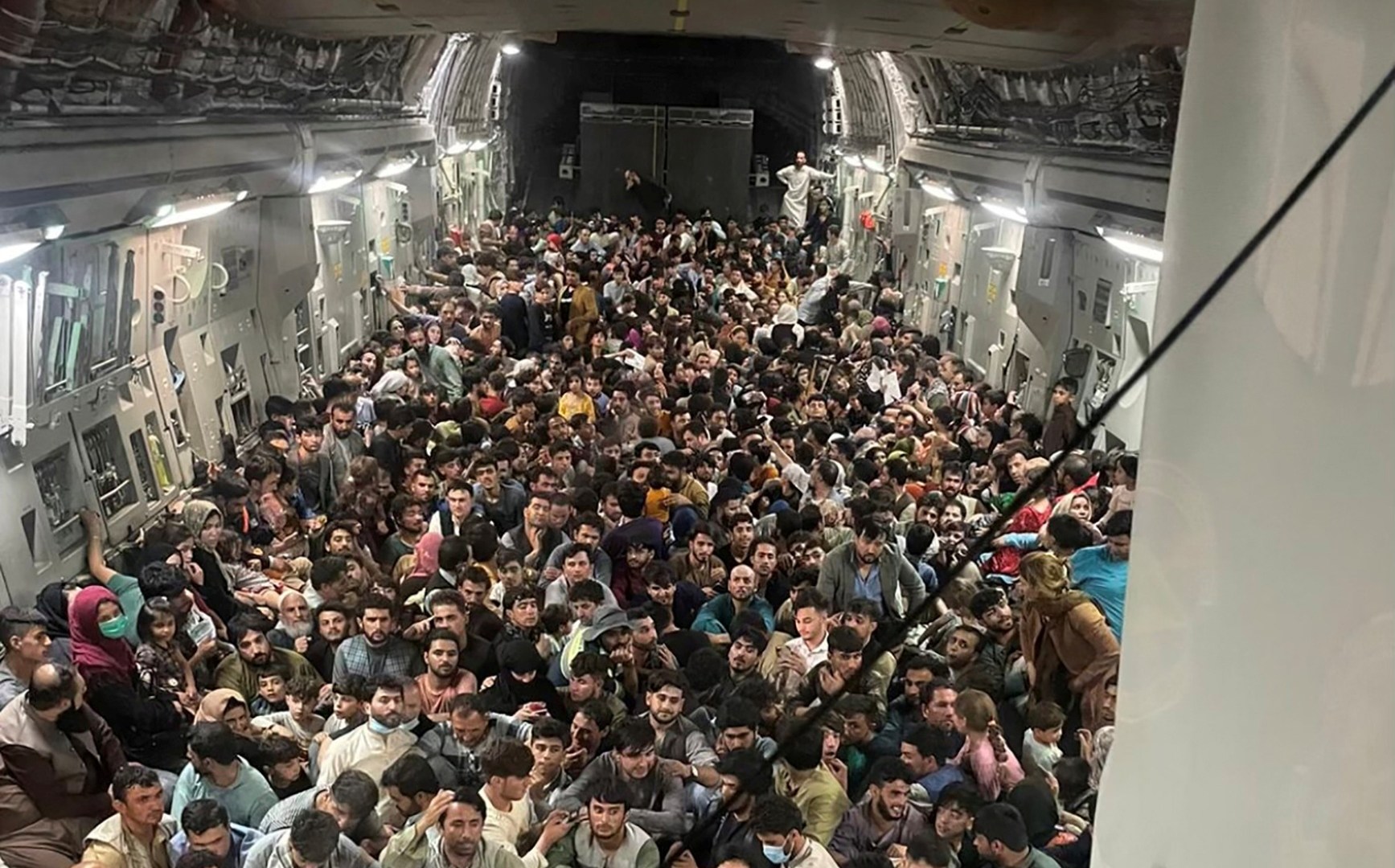
The complexity of the rescue cannot be overstated. Westin had to coordinate with multiple government agencies, military personnel, and local contacts while maintaining communication with team members who were often hiding or unable to communicate freely. The Taliban’s rapid advance meant that normal diplomatic channels were either closed or unreliable, forcing Westin to rely on personal relationships and unconventional methods to track down her colleagues and arrange for their safe passage. Each hour brought new challenges as the security situation continued to deteriorate, making every decision a potential matter of life and death.