
Table of Contents
- Finding Silver Linings in Difficult Times
- A Three-Generation Bond That Transcends Words
- Understanding Bruce Willis’ Health Journey
- Rumer’s Journey into Motherhood
- A Hollywood Family’s Enduring Legacy
Finding Silver Linings in Difficult Times
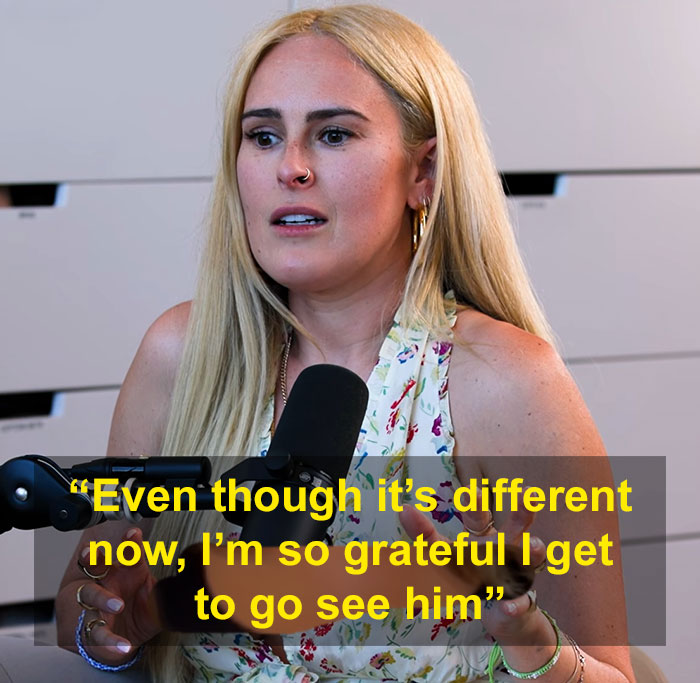
In the face of life’s most challenging moments, sometimes the smallest gestures carry the greatest weight. For Rumer Willis, watching her young daughter interact with her grandfather Bruce Willis has become a source of profound gratitude during an incredibly difficult period for their family. The 36-year-old actress and singer recently opened up about the special relationship between her daughter Louetta and the legendary action star, revealing how these precious moments have provided unexpected comfort as Bruce continues his battle with frontotemporal dementia. Despite the communication barriers that the degenerative condition has created, Rumer describes witnessing something beautiful and inexplicable in the connection between grandfather and granddaughter that transcends traditional conversation.
The Willis family has been navigating uncharted territory since Bruce’s initial aphasia diagnosis in 2022, which was later updated to the more specific frontotemporal dementia diagnosis in 2023. For Rumer, who welcomed her daughter Louetta in April 2023 with musician Derek Richard Thomas, the timing has created a bittersweet chapter in their family story. While Bruce’s condition has progressively affected his ability to communicate verbally, Rumer has been amazed to observe how her daughter seems to naturally connect with him on a level that doesn’t require words. This observation has shifted her perspective from focusing solely on what has been lost to recognizing what remains beautifully intact in their relationship.
A Three-Generation Bond That Transcends Words
What Rumer describes witnessing between Louetta and Bruce Willis represents something that many families dealing with dementia find both mysterious and comforting - the way children often seem to intuitively understand how to connect with loved ones whose cognitive abilities have changed. According to Rumer’s observations, her daughter appears completely at ease with her grandfather, showing no confusion or distress about his condition. Instead, Louetta seems to naturally adapt to Bruce’s current state, engaging with him through smiles, gentle touches, and a presence that suggests she simply accepts him exactly as he is now. This pure, uncomplicated acceptance has provided Rumer with a new lens through which to view her father’s condition and has reinforced her belief that love and connection can persist even when traditional communication becomes difficult.
The significance of this three-generation bond extends beyond the immediate comfort it provides to encompass questions about memory, legacy, and what truly matters in family relationships. While Bruce may not be able to verbally share stories about his Hollywood career or offer traditional grandfather wisdom, his presence in Louetta’s life still holds immense value. Rumer has expressed how watching these interactions has taught her that meaningful relationships don’t always depend on conversation or shared activities in the conventional sense. Sometimes, the simple act of being present, of sharing space and gentle moments, can create lasting impressions and emotional connections that have their own profound significance.
Understanding Bruce Willis’ Health Journey

Bruce Willis’ health journey began publicly in March 2022 when his family announced his retirement from acting due to aphasia, a condition that affects language processing and communication abilities. At the time, the announcement marked the end of one of Hollywood’s most recognizable careers, spanning over four decades and including iconic roles in films like “Die Hard,” “Pulp Fiction,” and “The Sixth Sense.” However, in February 2023, the family provided additional clarity when they revealed that Bruce’s condition had progressed to a more specific diagnosis of frontotemporal dementia (FTD). This form of dementia typically affects the frontal and temporal lobes of the brain, leading to changes in personality, behavior, and language abilities, and unfortunately, there is currently no cure or treatment to slow its progression.