Polygamy on Screen: How Nollywood Has Tackled Polygamist Storylines Across Generations
Nova Patricks··9 min read
Ad SpaceArticle Top - 728x90
Advertisement
Few household arrangements have given Nigerian cinema more to work with than the compound where one husband presides over several wives. Walk through any decade of the industry’s output, from the grainy VHS dramas that filled Idumota market stalls to the glossy Netflix originals streaming today, and the multi-wife household keeps reappearing as a setting, a source of tension, and a moral testing ground. It is one of the most durable engines of Nigerian screen storytelling, and the way filmmakers handle it has quietly tracked the way the country itself has changed.
That long conversation found a fresh spark in June 2026, when a single character pulled the subject back into living rooms across the continent and reminded audiences why polygamy on screen never really goes out of fashion.
What “Jonasi” Is and Why It Is Trending
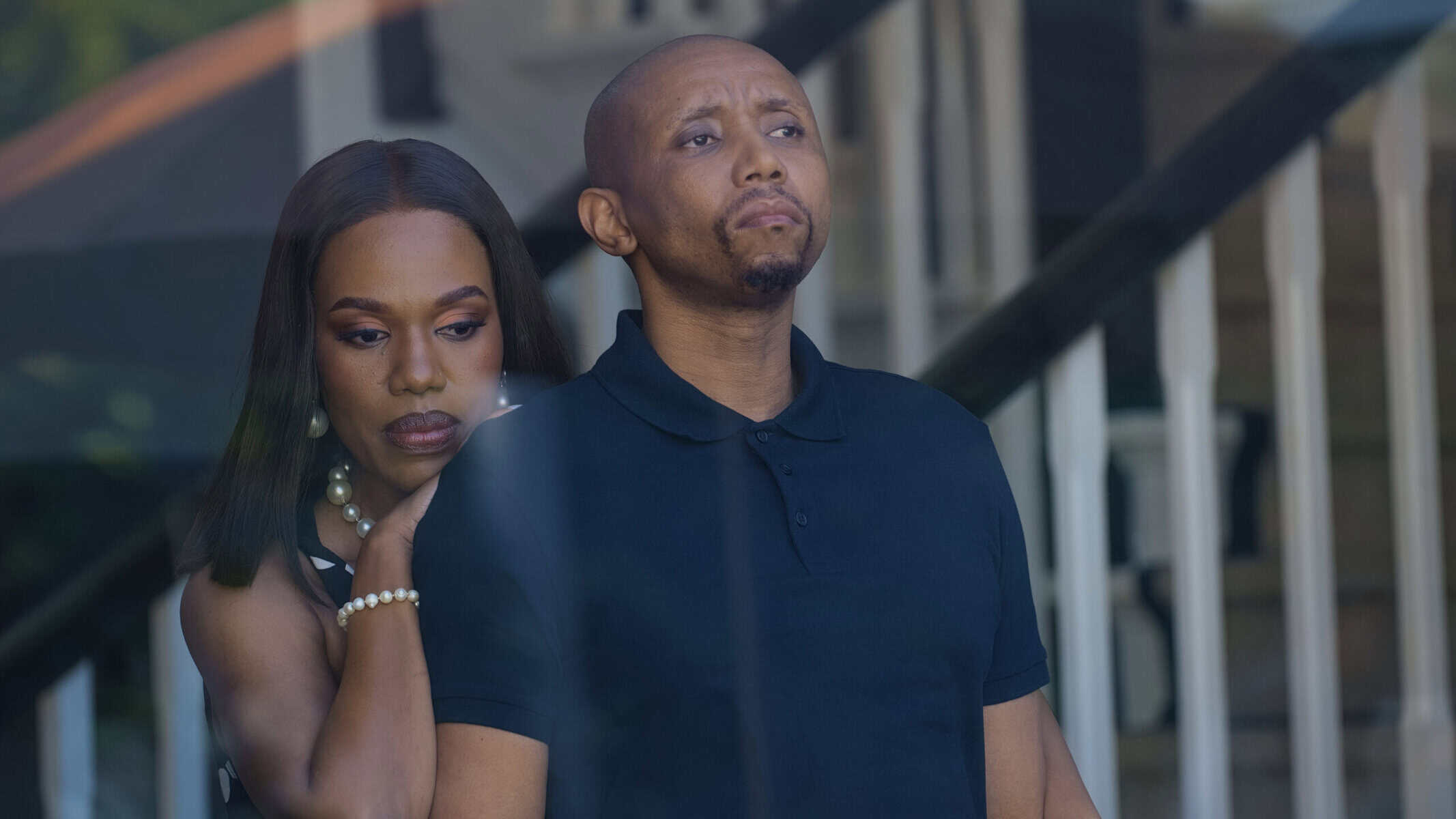
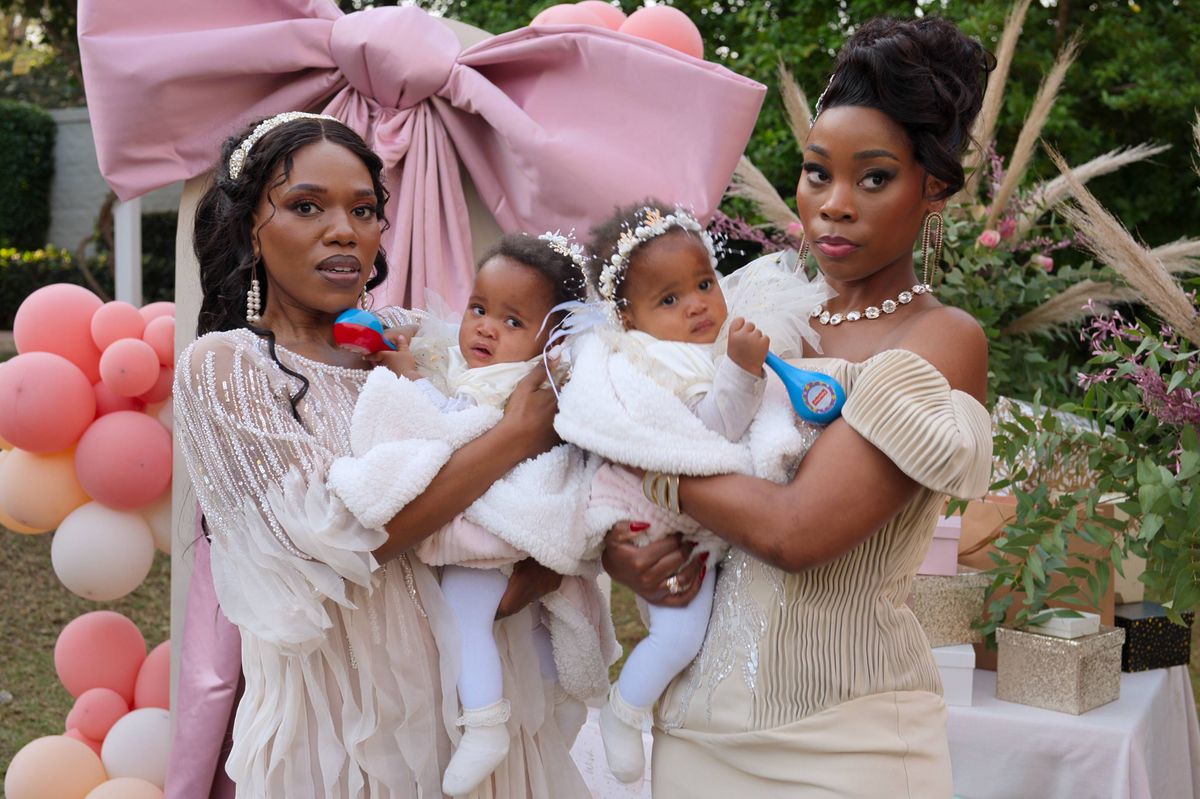
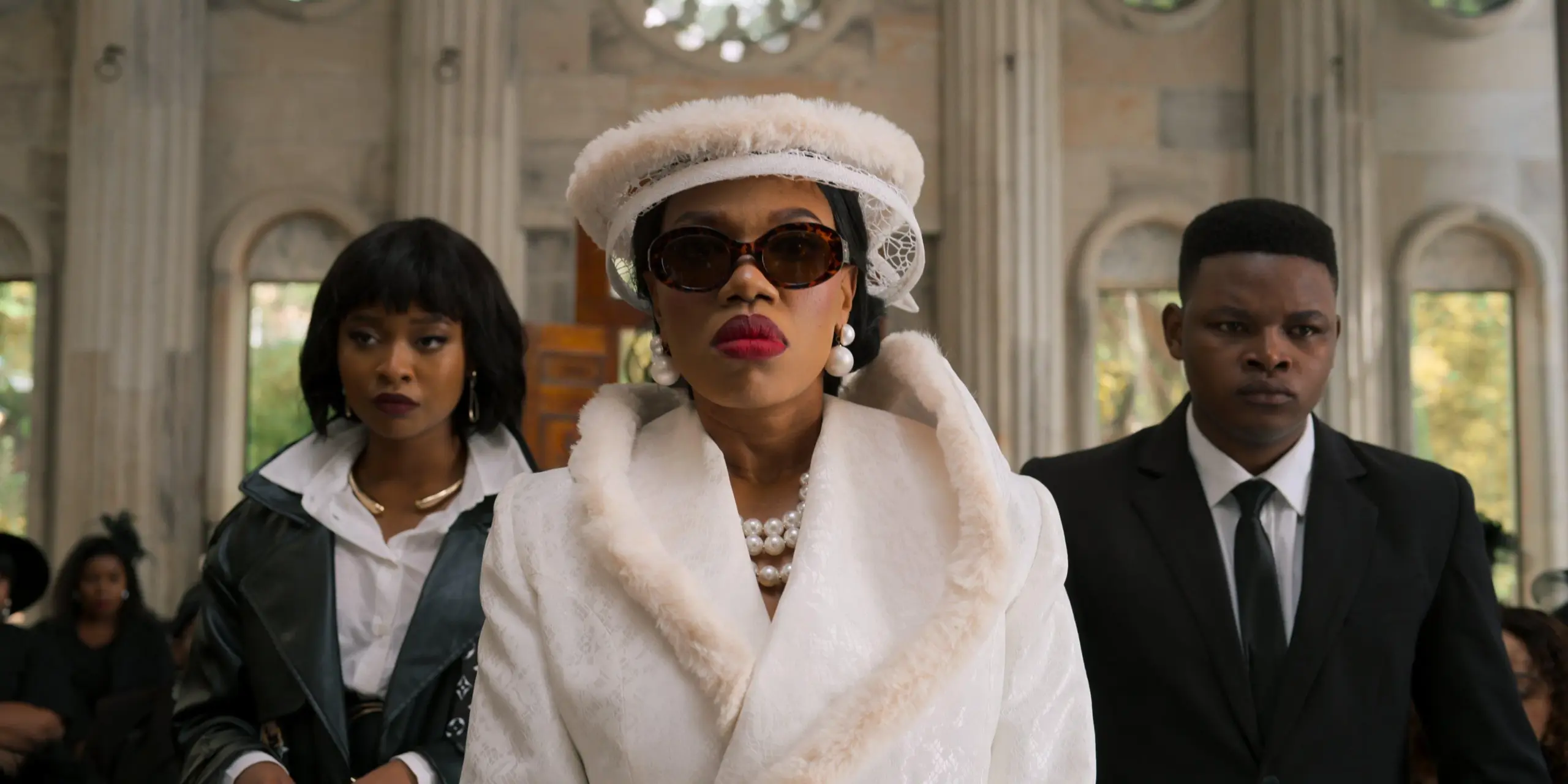
The name dominating searches is Jonasi Gomora, the central figure in “The Polygamist,” a 22-episode Netflix series that dropped all at once on 12 June 2026. A quick clarification matters here, because the trend invites a wrong assumption: “The Polygamist” is a South African production, not a Nollywood film. It is described by Netflix as a “supernovela” and was adapted from Zimbabwean author Sue Nyathi’s bestselling novel of the same name, with Akin Omotoso serving as showrunner under Stained Glass Productions. The cast is led by Gugu Gumede and Sdumo Mtshali, who plays Jonasi himself.
The premise explains the heat. Jonasi is a self-made banking CEO whose wealth and charm conceal a tangle of wives and mistresses, and the series follows the slow, spectacular collapse of that double life as the women around him stop playing their assigned roles. The show treats his behaviour less as ordinary infidelity and more as compulsion, and that framing - sympathetic to the women, unflinching about the man - is what set social feeds alight from Lagos to Johannesburg.
Why does a South African title matter to a Nollywood story? Because Jonasi reopened a debate that Nigerian filmmakers have been staging for thirty years. The questions the series raises, about consent dressed up as tradition, about co-wives who turn from rivals into allies, about what a polygamous home costs the people inside it, are questions Nollywood has been asking on its own terms for a long time. Jonasi is the current hook. The deeper, home-grown story sits behind him.
Polygamy in the Yoruba and Old Nollywood Era
Long before Nollywood had a name, the polygamous household lived on the Yoruba travelling theatre stage. Companies like the Oyin Adejobi theatre group built entire repertoires around domestic intrigue, and titles such as “Orogun Adedigba” - the very word “orogun” means co-wife in Yoruba - put the rivalries of a shared husband at the centre of the drama. When those stage traditions migrated to celluloid and then to video in the late 1980s and 1990s, the multi-wife compound came with them as a ready-made world full of conflict.
There is a telling piece of context in the life of one of the form’s matriarchs. Grace Oyin Adejobi, the veteran actress known as Iya Osogbo and widely regarded as one of Nigeria’s oldest performers, was herself part of a large polygamous family through her late husband, the theatre pioneer Chief Oyin Adejobi. She often spoke about having no appetite for rivalry within that home. The point is not biographical trivia. It is that the people building these stories drew on lived familiarity, not invention. The compound on screen mirrored compounds the actors and audiences actually knew.
That familiarity gave the early films an authority later productions sometimes had to work for. The co-wife who poisons the favourite’s soup, the senior wife guarding her status, the husband too proud or too weak to keep order: these were not exotic types to the original viewers. They were neighbours.
The Co-Wife Rivalry Trope
If polygamy is the setting, co-wife rivalry is the plot. The “orogun” dynamic became one of Nollywood’s most reliable structures, and for good reason. A house with two or more wives is a closed arena with a fixed prize, the husband’s favour, and built-in stakes around children, inheritance, and standing. Drama almost writes itself.
The shape recurs across hundreds of films. A senior wife, secure until a younger, prettier, or more educated rival arrives. The new wife who upsets a fragile balance. The children weaponised in disputes over who eats first and who inherits most. Comedy-dramas have mined the same vein, and recent Yoruba cinema keeps the tradition alive: in one widely circulated 2025 release, a wealthy man tries and fails to keep peace among three wives sketched as the scheming eldest, the pampered favourite, and the studiously neutral youngest, with veterans turning the friction into both laughs and lessons. The 2026 Odunlade Adekola-led drama “Iyawo Ore Mi,” whose title translates as “My Friend’s Wife,” works a related seam of betrayal and marital trust that grows directly out of this lineage.
The trope endures because it is flexible. It can carry tragedy, farce, or social commentary with only minor adjustments, and it gives actresses meaty, combative roles in an industry that has not always offered women much room.
The Cautionary-Tale Period
For a long stretch, especially through the VCD boom of the late 1990s and 2000s, Nollywood approached polygamy with a clear moral verdict. The plural household was, more often than not, a warning. Films presented it as a recipe for jealousy, witchcraft, broken children, and ruin, and the message rarely needed decoding.
Two titles from that era frame the tone. Tade Ogidan’s “Diamond Ring” (1998), starring Sola Sobowale, Richard Mofe-Damijo, and Bimbo Akintola, sat squarely in the moralising tradition Nollywood favoured then, where transgression invited supernatural punishment. Chico Ejiro’s “Polygamy 2: The Final Clash” (2002) put the stakes in the title itself, building its story around an Igbo chief who dies and leaves behind a vast estate, which then becomes the battleground for the survivors he married. The pattern in these films is consistent. The polygamous arrangement does not merely cause friction. It produces catastrophe, and the catastrophe is the point.
Ad SpaceIn-Article - 300x250
Advertisement
This was Nollywood doing what popular cinema often does, holding up a behaviour and asking the audience to judge it. The films were rarely neutral. They wanted you to leave convinced that the compound was a trap, and they delivered that conviction through curses, deathbed confessions, and ruined heirs. As an era of storytelling it was vivid and effective, even when it flattened the people it was depicting.
The Modern, More Nuanced Treatment
Somewhere in the last decade, the verdict softened. As Nollywood matured, picked up bigger budgets, and started courting international audiences, the polygamous household stopped being a simple cautionary device and became a place to explore character. The shift mirrors a broader change in the industry’s ambitions: fewer sermons, more questions.
The clearest signal of that shift is what is coming. EbonyLife Films, led by Mo Abudu, is adapting Lola Shoneyin’s acclaimed novel “The Secret Lives of Baba Segi’s Wives” into a feature eyeing a December 2026 release, with Daniel Oriahi directing and Odunlade Adekola in the title role of Baba Segi, alongside a deep bench including Iyabo Ojo, Mercy Aigbe, Bimbo Ademoye, Shaffy Bello, and Bisola Aiyeola. Set in Ibadan, the story turns on a wealthy polygamist and his four wives, whose stable-seeming home unravels around infertility, hidden rivalries, and buried secrets once the youngest and most educated wife arrives. Crucially, the source material treats the wives as full people with strategies and inner lives, not cautionary props, and the adaptation is being built to honour that.
That is the modern register. The compound becomes a way to examine patriarchy, female agency, and the quiet bargains people strike to survive, rather than a morality tale with a foregone conclusion. The husband is no longer simply a villain or a fool, and the wives are no longer simply victims or witches. They are negotiators in a system, and the film’s job is to show the negotiation honestly.
The Streaming Era
The arrival of Netflix, Prime Video, and Showmax accelerated everything. Bigger budgets and a hunger for distinctly Nigerian stories pushed polygamy out of the low-budget melodrama bracket and into prestige territory, often dressed in historical epic.
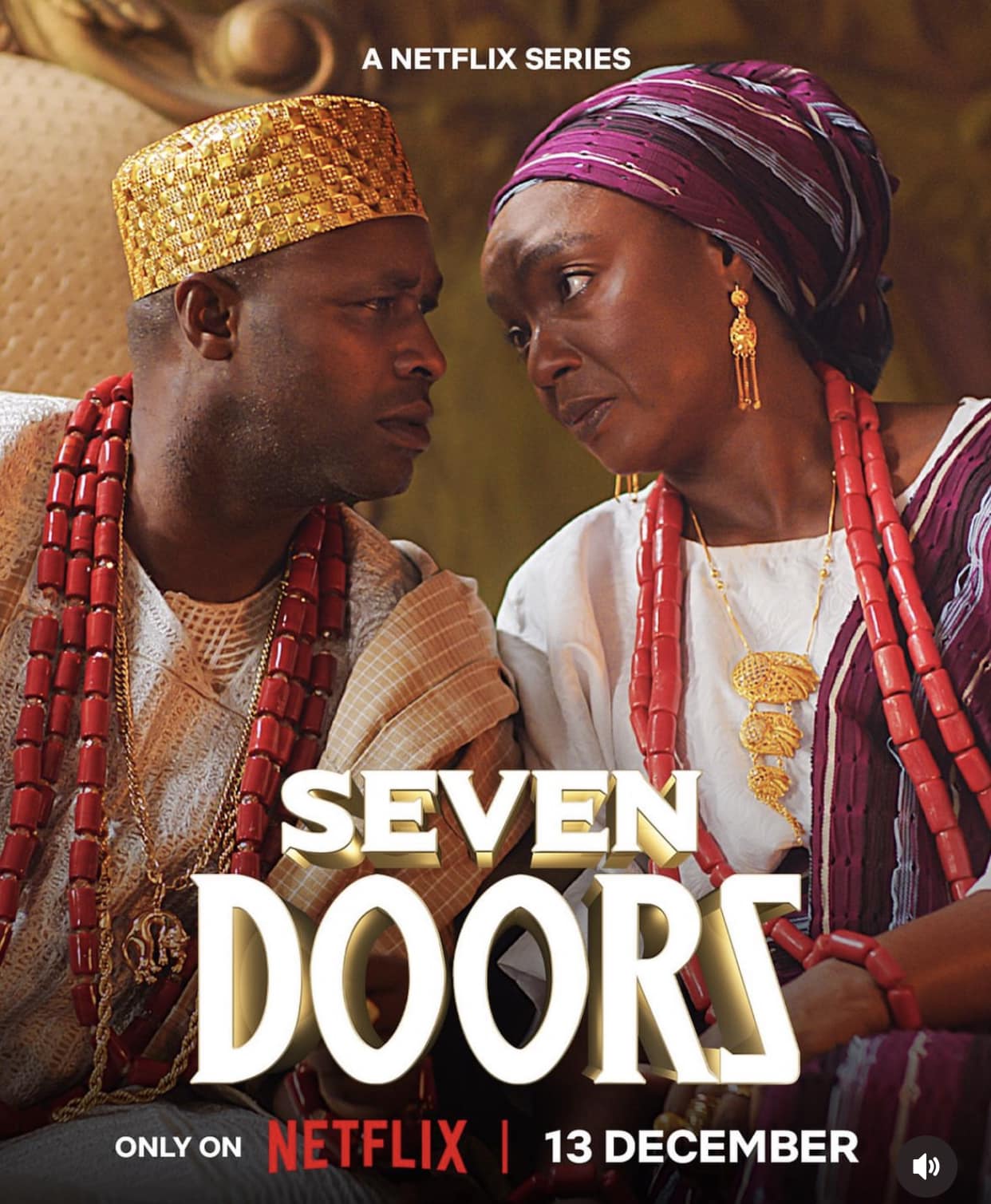
Femi Adebayo’s “Seven Doors,” a six-episode limited series that premiered on Netflix on 13 December 2024, is the standout. It follows King Adedunjoye, whose love for his wife Amaka is ruptured when an ancient prophecy and an ancestor’s sins force him to marry six additional wives as cultural atonement. The series debuted at number one on Netflix Nigeria and held the spot for weeks, and Adebayo’s performance won him the Africa Magic Viewers’ Choice Award for Best Lead Actor. Here polygamy is framed not as personal weakness but as obligation imposed by tradition and power, a far more complicated proposition than the old cautionary films allowed.
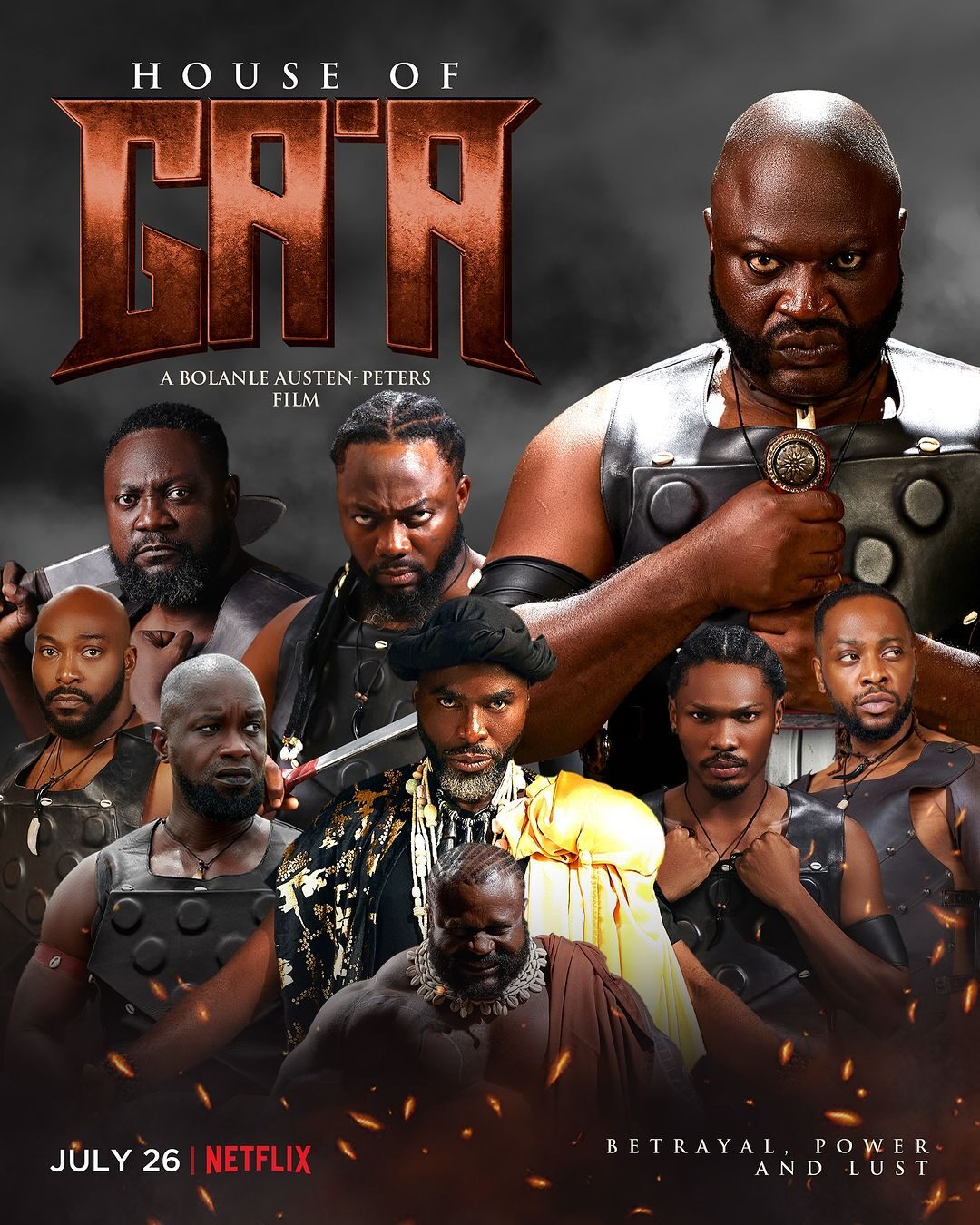
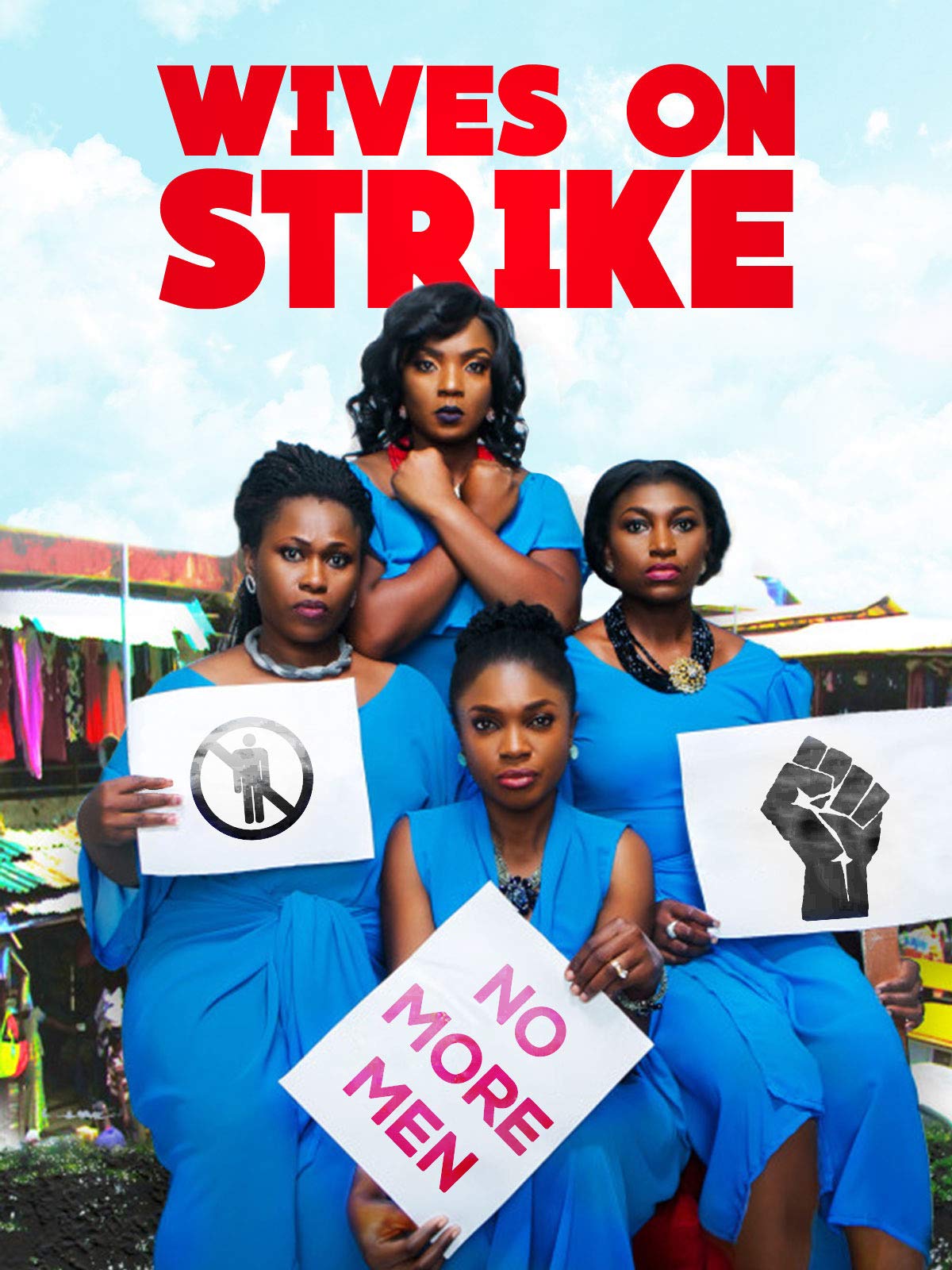
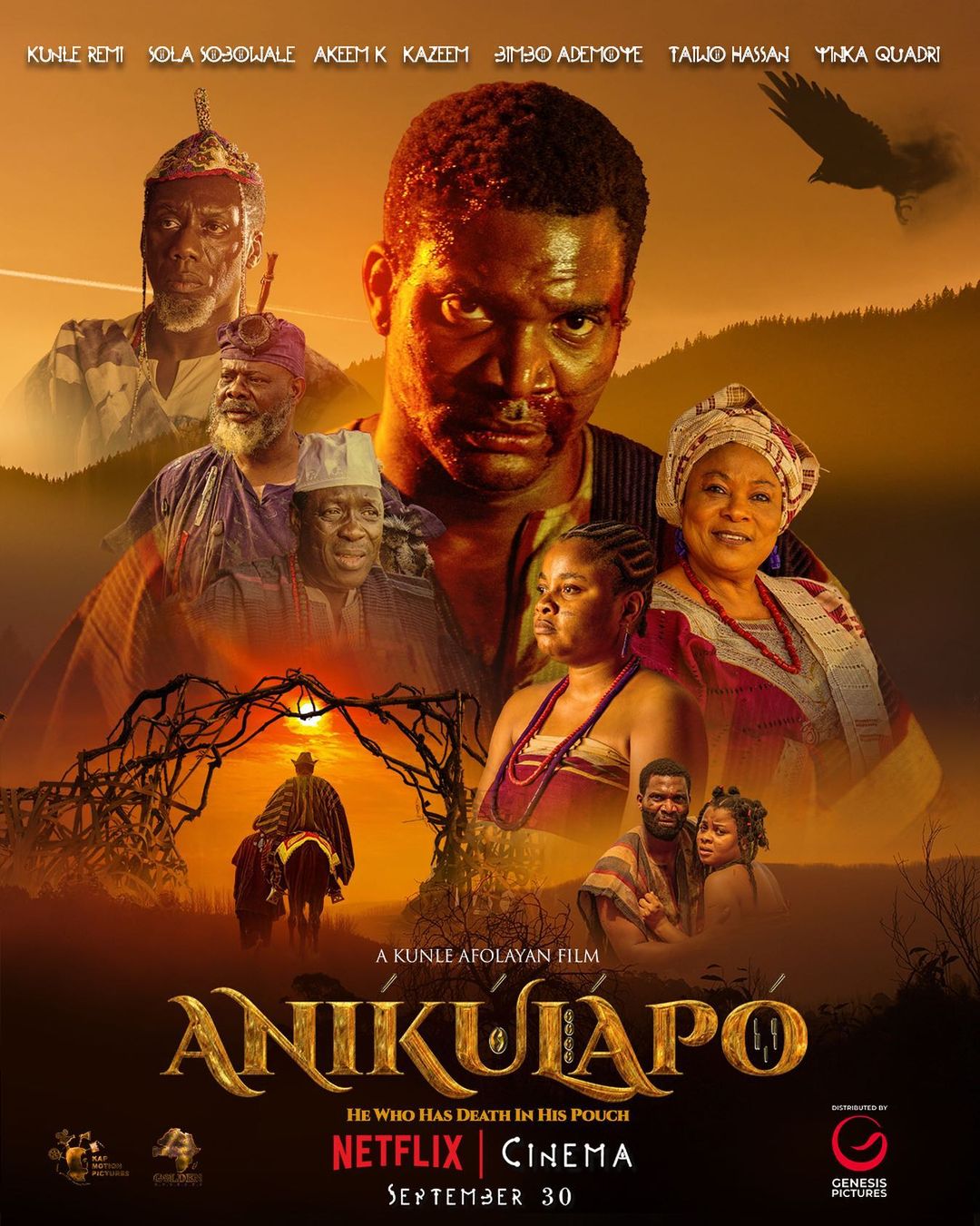
The wider epic wave reinforces the point. Hits such as “Anikulapo,” “Jagun Jagun,” “House of Ga’a,” and the two-part “Lisabi” saga that ran from September 2024 into 2025 all move through worlds where kings and warriors keep multiple wives as a matter of course, embedding the practice in palace politics rather than passing judgment on it. Comedy has kept pace too. Omoni Oboli’s “Wives on Strike” franchise, which began in 2016 and continued through sequels on Netflix, builds female solidarity into a comic weapon, while titles like the Ngozi Ezeonu and Patience Ozokwo-led “Co Wives” keep the domestic version of the story circulating on YouTube for mass audiences. The streaming era did not retire the old themes. It gave them scale, polish, and a global stage.
What These Stories Reflect About Nigerian Society
Screen polygamy has always been a mirror, and the reflection has been getting smaller. Polygamy is a real feature of Nigerian life, but a receding one. According to the Nigeria Demographic and Health Survey, the share of married women aged 15 to 49 in polygynous unions slipped from 31 percent in 2018 to 29 percent in 2024, continuing a slow decline visible since 1990. The practice is far from uniform across the country. Survey data put its incidence among Christian households at roughly 8 percent against around 40 percent among Muslim households, and it remains much more common in rural areas, near 37 percent, than in cities, near 21 percent. Older men with less formal education are the most likely to have more than one wife.
Those numbers explain a lot about the storytelling. The cautionary films of the VCD years spoke to a society where the arrangement was more widespread and more taken for granted, and where a popular warning could feel urgent. The nuanced, character-driven treatments of today speak to a more urban, more educated, more globally connected audience that is likelier to question the arrangement than to simply inhabit it. As lived polygamy thins out, especially in the cities where most film money and most streaming subscribers sit, the screen version has room to become reflective rather than instructive. The compound is increasingly a place audiences look at from the outside, which is exactly the distance good drama needs.
The set-piece nature of these stories matters too. A shared husband concentrates the things Nigerian audiences care about - family, money, status, children, faith, and the friction between tradition and modern aspiration - into one roof. That is why the subject has outlasted the practice’s peak. Even viewers who would never live it recognise its emotional grammar.
Where the Storytelling Is Heading
The trajectory is clear enough to read. The judgmental melodrama has given way to the empathetic drama, and the next stage looks set to centre the wives rather than the husband. “The Secret Lives of Baba Segi’s Wives,” built from a novel that hands its women the strategy and the secrets, points the way: stories told from inside the compound, by the people the older films were content to caricature. Streaming has supplied the budgets and the appetite for ambition, and a literary pipeline of Nigerian novels offers material that resists easy moralising.
Jonasi Gomora may be a South African creation, but the wave he is riding washes straight onto Nigerian shores, and Nollywood is positioned to answer with stories of its own. The compound has been a Nollywood fixture since the travelling theatre days, and it will keep earning its place on screen for as long as Nigerian families wrestle with the same questions of loyalty, power, and belonging that the multi-wife household has always brought to a boil. What changes is who gets to speak, and right now the wives are finally being handed the microphone.
Ad SpaceIn-Article - 300x250
Advertisement
Share
Get the recap
Loved this story? Get more like it.
Join readers who get our weekly entertainment recap - the stories worth your time, delivered every Friday.
No spam. Unsubscribe anytime. By signing up you agree to our Privacy Policy.