
Monica McNutt's Hot Mic Moment: NBA Analyst Questions Taylor Swift's Knicks Fandom
Celebrities

Monica McNutt's Hot Mic Moment: NBA Analyst Questions Taylor Swift's Knicks Fandom

Miki AndersonMiki Anderson··7 min read
Advertisement

Table of Contents

The Hot Mic Incident That Started It All
Monica McNutt Hot Mic Moment - The Hot Mic Incident That Started It All

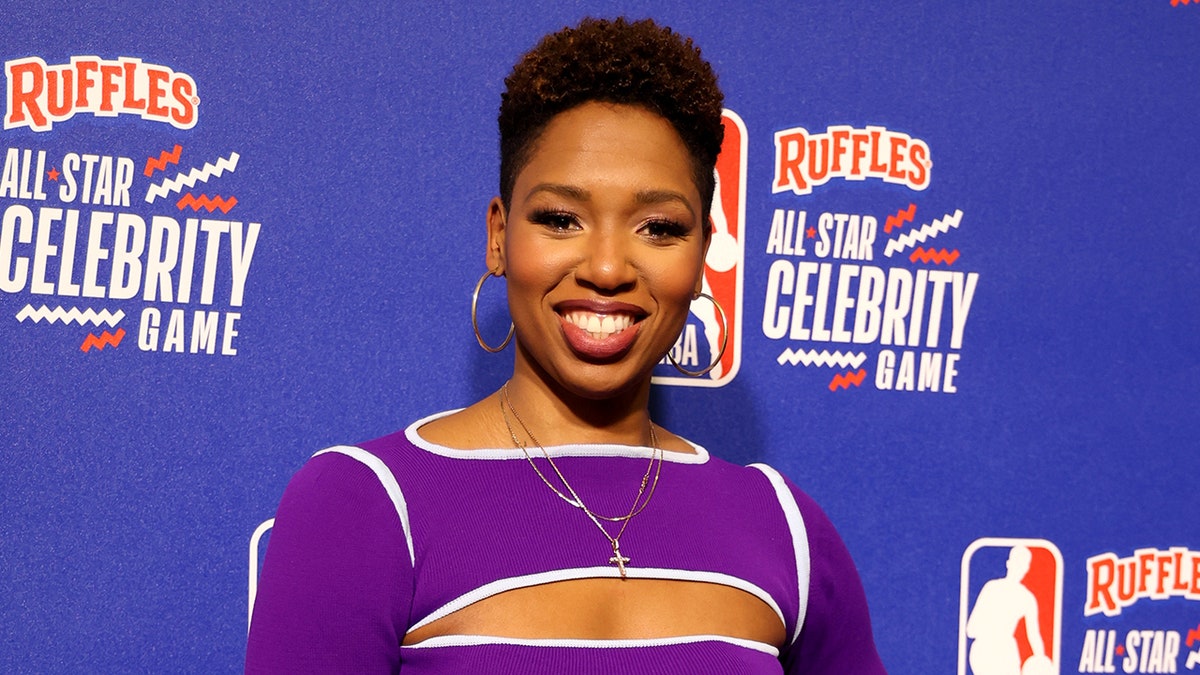
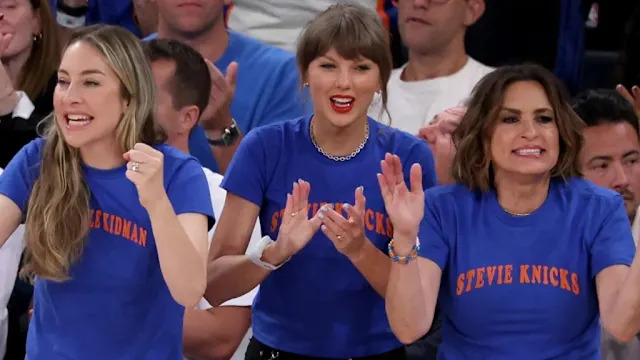
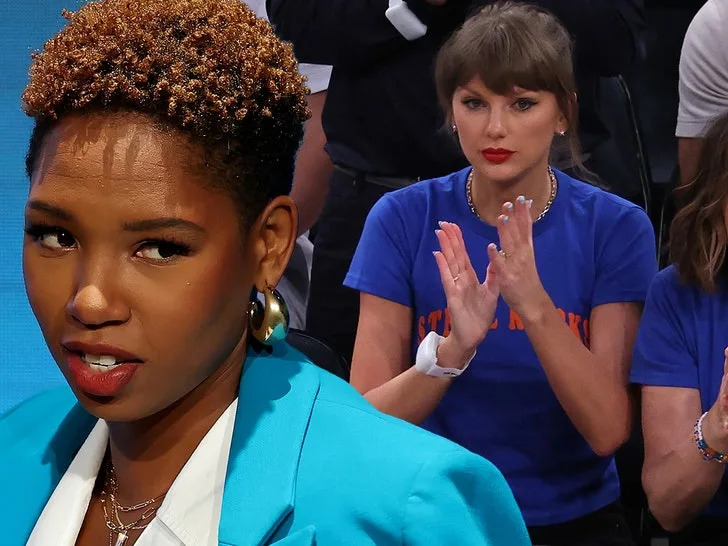
The world of sports commentary collided with pop culture in an unexpected way when NBA radio analyst Monica McNutt found herself at the center of a social media storm. During what she apparently thought was an off-air moment, McNutt made pointed comments about Taylor Swift’s presence at New York Knicks games, specifically questioning the authenticity of the global superstar’s basketball fandom. The incident occurred during coverage of a crucial playoff game, when McNutt was heard saying “Get out of here, girl” in reference to Swift’s attendance, followed by her assertion that Swift is “not a Knicks fan.” The moment quickly went viral, highlighting the ongoing tension between celebrity culture and authentic sports fandom.

NBA radio analyst Monica McNutt in broadcasting studio
Image: Philip Merrill College of Journalism – University of Maryland

The timing of McNutt’s comments couldn’t have been more explosive, coming during one of the most intense periods of the NBA playoffs when every seat in Madison Square Garden carries weight and significance. Swift’s high-profile appearance at the game had already generated considerable media attention, with cameras frequently cutting to the pop icon throughout the broadcast. For McNutt, who has built her career on providing authentic basketball analysis, Swift’s presence seemed to represent something larger about the commercialization and celebrity-fication of sports events. The fact that her comments were captured on what appears to be a hot mic only amplified the controversy, giving fans a rare glimpse into what sports analysts really think when they believe the cameras aren’t rolling.

Swift’s Complicated Relationship with New York Sports
Monica McNutt Hot Mic Moment - Swift's Complicated Relationship with New York Sports

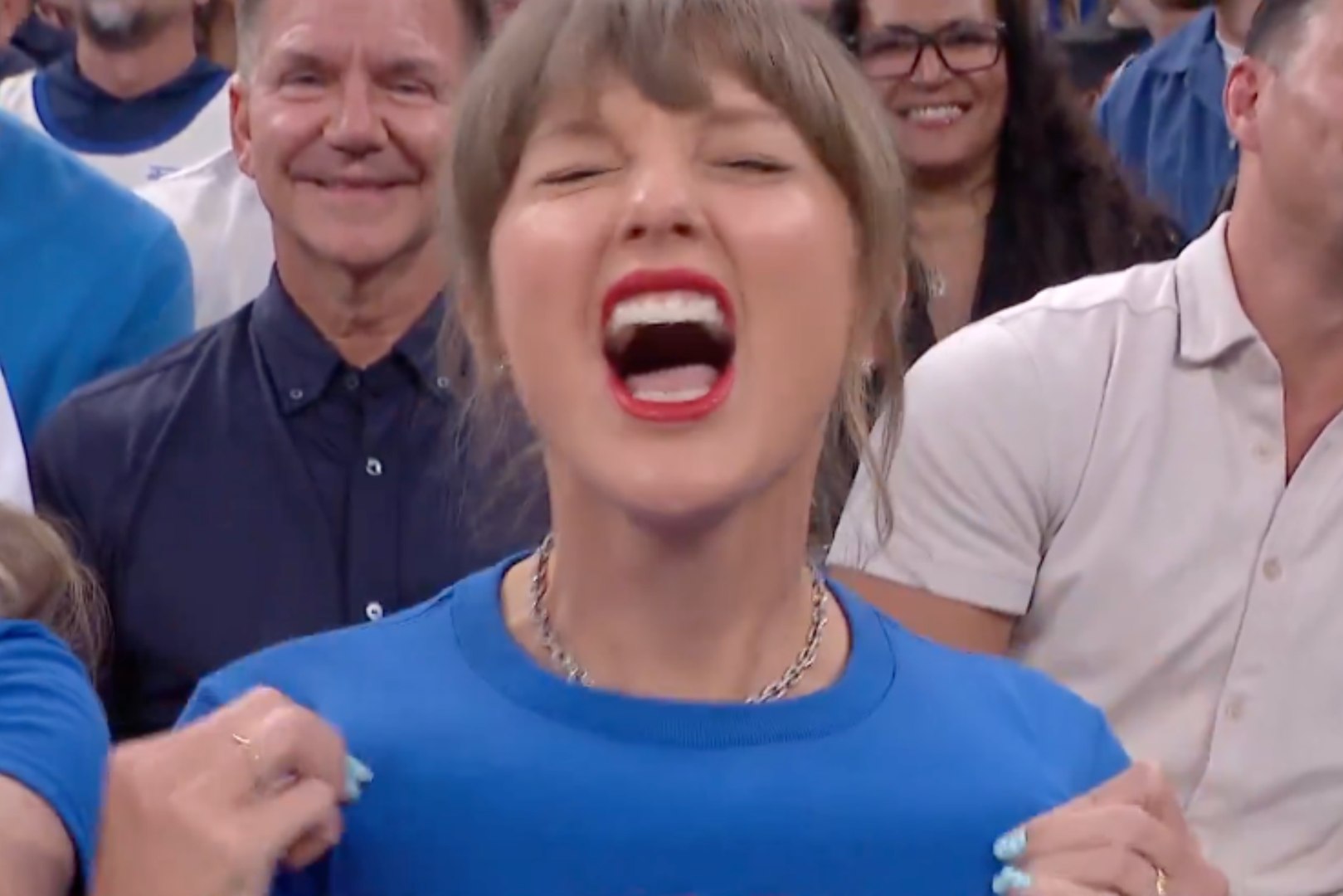
Taylor Swift’s relationship with New York sports teams has been a subject of fascination and scrutiny for years, particularly given her high-profile status and frequent appearances at various sporting events across the city. While Swift has been a longtime resident of New York and owns multiple properties in the city, her sports allegiances have never been definitively established in the way that some other celebrities’ fandom has been documented. Unlike her well-documented relationship with Kansas City Chiefs tight end Travis Kelce, which has made her presence at Chiefs games feel natural and expected, her appearances at Knicks games have often felt more sporadic and event-driven. This pattern has led some observers to question whether her attendance is driven by genuine fandom or simply the social aspect of being seen at high-profile sporting events.

The complexity of Swift’s New York sports connections extends beyond just basketball, as she has been spotted at various Yankees games and other sporting events throughout her years in the city. However, unlike celebrities such as Spike Lee, whose Knicks fandom is legendary and well-documented through decades of passionate attendance, Swift’s basketball allegiances remain somewhat mysterious to the public. This ambiguity has created space for criticism from analysts like McNutt, who view authentic fandom as an important part of the sports experience. The challenge for Swift, as with many celebrities, is that her every public appearance is scrutinized and analyzed for authenticity, making it difficult to simply enjoy sporting events without facing questions about her motivations for attending.

Monica McNutt: More Than Just a Controversial Comment

Monica McNutt Hot Mic Moment - Monica McNutt: More Than Just a Controversial Comment

Monica McNutt’s commentary should be understood within the context of her extensive background in basketball and sports journalism, rather than simply as a random hot take from someone seeking attention. A former Georgetown University basketball player, McNutt has earned her place in sports media through years of dedication to the game and insightful analysis that often cuts through the noise of celebrity culture surrounding major sporting events. Her work spans multiple platforms, including ESPN and various radio networks, where she has built a reputation for providing honest, unfiltered perspectives on basketball culture and the business of sports. This background makes her comments about Swift particularly interesting, as they come from someone who has lived and breathed basketball culture at the highest levels.

McNutt’s perspective on celebrity attendance at games likely stems from her deep understanding of what genuine basketball fandom looks like and feels like from both a player and analyst standpoint. Having experienced the intensity of competitive basketball firsthand, she may view celebrity appearances through a different lens than casual observers, focusing more on the impact these appearances have on the authentic fan experience. Her comment about Swift reflects a broader concern among some sports purists about how celebrity culture can sometimes overshadow the actual game being played. While her delivery may have been harsh, McNutt’s underlying point touches on legitimate questions about how celebrity attendance at sporting events affects ticket prices, fan access, and the overall atmosphere of games.
Advertisement

The Authenticity Question in Celebrity Sports Fandom

Monica McNutt Hot Mic Moment - The Authenticity Question in Celebrity Sports Fandom

The question of authentic celebrity sports fandom has become increasingly relevant as social media and 24/7 entertainment coverage have made every public appearance a potential viral moment. Unlike regular fans who can attend games without scrutiny, celebrities face constant evaluation of their reactions, their knowledge of the game, and their consistency in supporting teams through both good times and bad. This scrutiny creates an impossible standard where celebrities are expected to prove their fandom in ways that regular attendees never have to demonstrate. Swift’s situation exemplifies this challenge, as her every gesture and reaction at games becomes subject to analysis about whether she truly understands or cares about what’s happening on the court.

The broader entertainment industry has seen similar debates about authenticity in other contexts, from musicians’ credibility in different genres to actors’ preparation for roles. In the sports world, this scrutiny can be particularly intense because fandom is often viewed as something that must be earned through years of loyalty and suffering through bad seasons. Celebrities who appear primarily during playoff runs or high-profile games may face accusations of bandwagon jumping, regardless of their actual level of interest or knowledge. This dynamic creates a lose-lose situation where celebrities are criticized for not attending games regularly enough to prove their fandom, but also criticized when they do attend for potentially taking seats away from “real” fans or creating unwanted distractions.

Fan Reactions and the Court of Public Opinion

Monica McNutt Hot Mic Moment - Fan Reactions and the Court of Public Opinion

The social media response to McNutt’s comments revealed the deep divisions that exist between different types of sports fans and entertainment consumers. Swift’s devoted fanbase, known for their fierce loyalty and quick mobilization on social media, immediately pushed back against McNutt’s characterization of their idol as an inauthentic fan. Many pointed to Swift’s documented attendance at various sporting events over the years and her genuine reactions during games as evidence of her authentic interest in sports. The response highlighted how celebrity fandoms have evolved into powerful forces that can quickly shape narratives around public controversies, often overwhelming the original context of disputes with sheer volume and organization.

Conversely, many basketball purists and long-time Knicks fans expressed support for McNutt’s perspective, arguing that celebrity attendance at games has become more about social media moments and networking opportunities than genuine appreciation for the sport. These fans often point to the high cost of tickets and the difficulty of obtaining seats for regular supporters as evidence that celebrity culture has negatively impacted the authentic fan experience. The debate reflects broader cultural tensions about access, authenticity, and the role of celebrity culture in spaces that were traditionally reserved for dedicated community-based fandoms. Social media amplified both sides of this debate, creating echo chambers where each perspective was reinforced rather than genuinely examined.

What This Says About Celebrity Culture and Sports

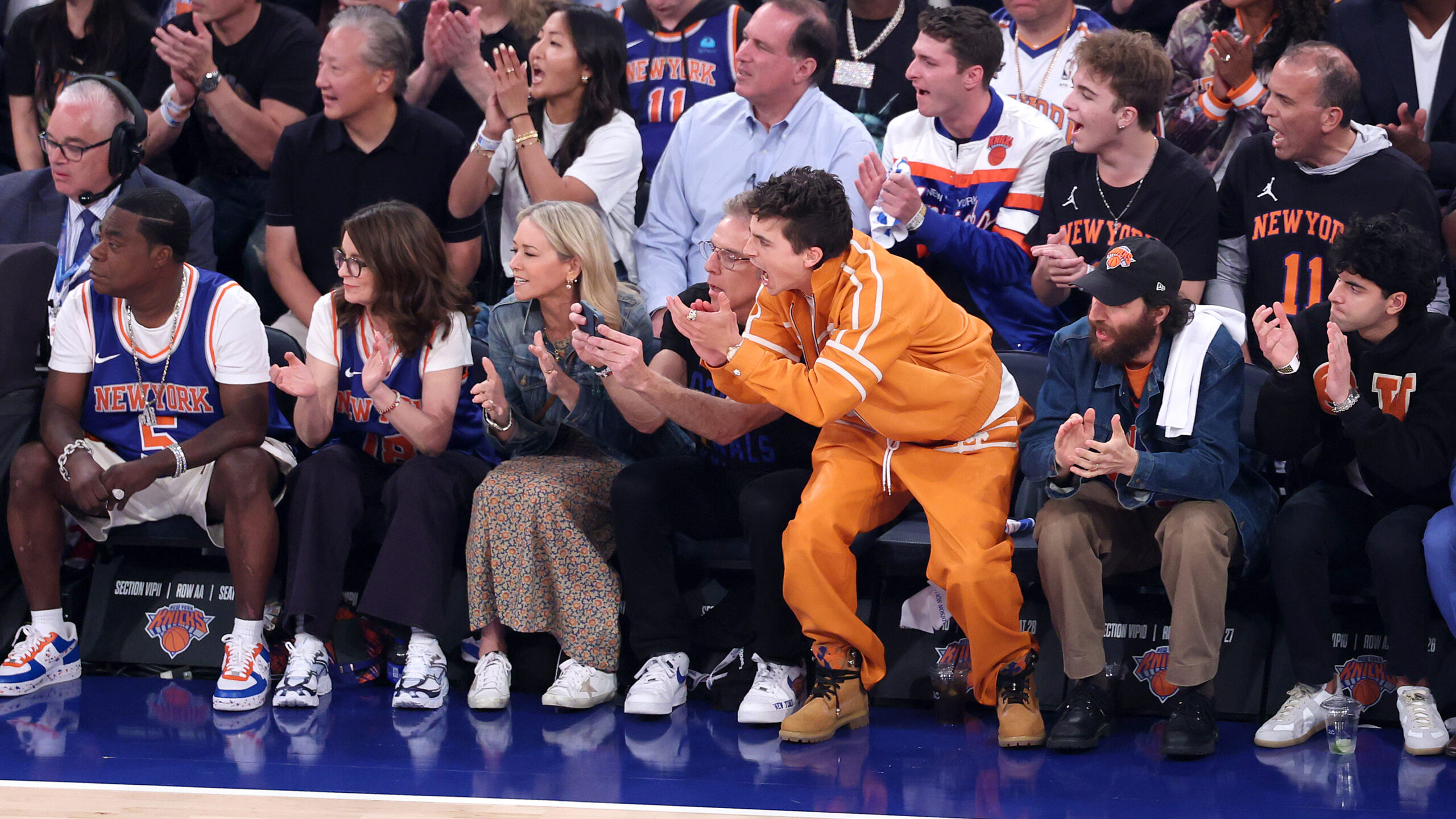
The McNutt-Swift controversy illuminates several larger trends in how celebrity culture intersects with sports entertainment in the modern media landscape. As ticket prices continue to rise and games become increasingly expensive experiences, the presence of celebrities in premium seating areas serves as a visible reminder of economic inequality in sports fandom. Regular fans who have supported teams for decades may find themselves priced out of playoff games while celebrities with no documented history of support occupy the most visible seats. This dynamic creates understandable resentment that can manifest in criticism of celebrity attendees, regardless of their actual level of interest or knowledge about the teams they’re watching.

Madison Square Garden premium seating area
Image: ABC11

The incident also reflects the broader challenge facing traditional sports media in an era where celebrity culture often generates more engagement and discussion than the actual athletic competition. McNutt’s role as an analyst is to focus on basketball, but the reality of modern sports coverage means that celebrity storylines often dominate conversations around major games. This creates a tension for analysts who want to maintain focus on athletic performance while working in an industry that increasingly relies on celebrity-driven content for ratings and social media engagement. The controversy ultimately reveals how difficult it has become to separate sports analysis from entertainment commentary, as the two worlds have become increasingly intertwined in ways that can frustrate purists on both sides of the equation.

Advertisement
Share
Get the recap

Loved this story? Get more like it.

Join readers who get our weekly entertainment recap - the stories worth your time, delivered every Friday.

No spam. Unsubscribe anytime. By signing up you agree to our Privacy Policy.

Monica McNutt's Hot Mic Moment:... | Sidomex Entertainment