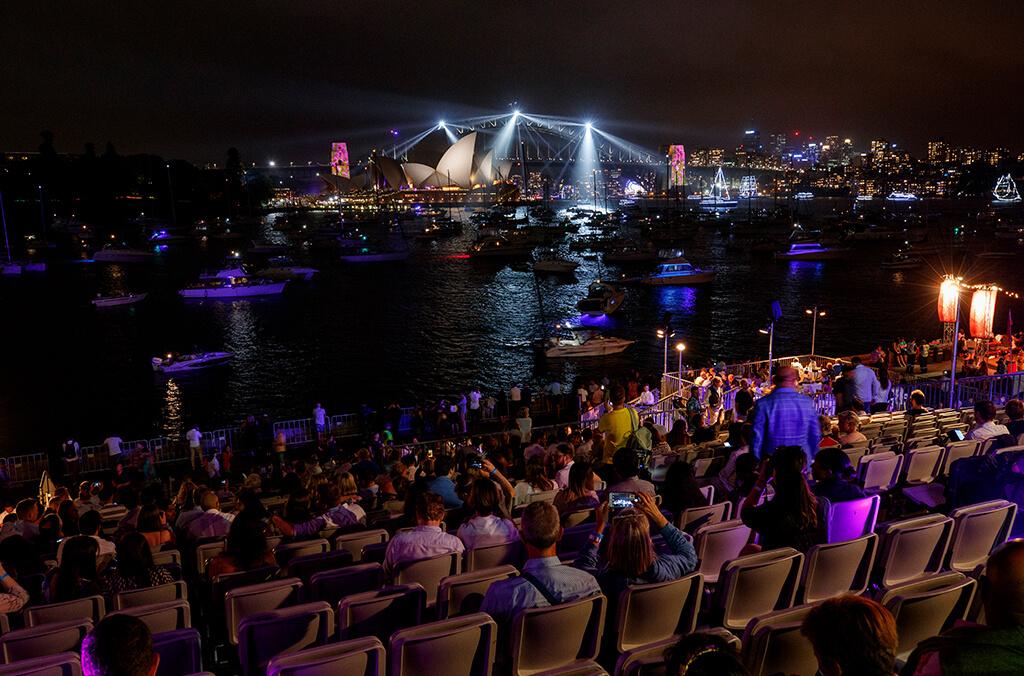
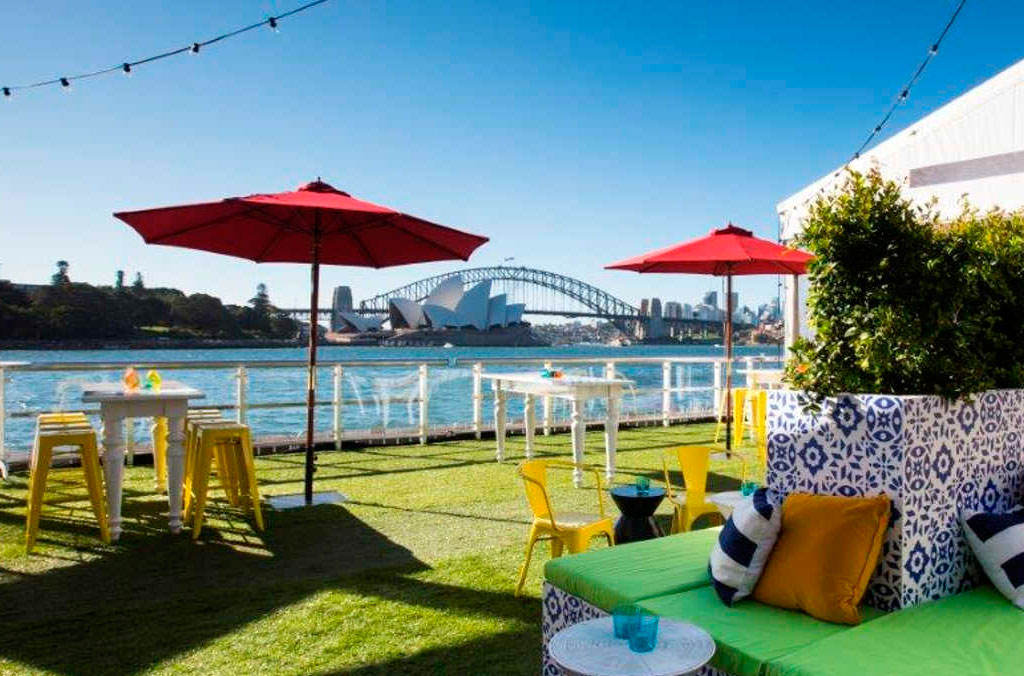
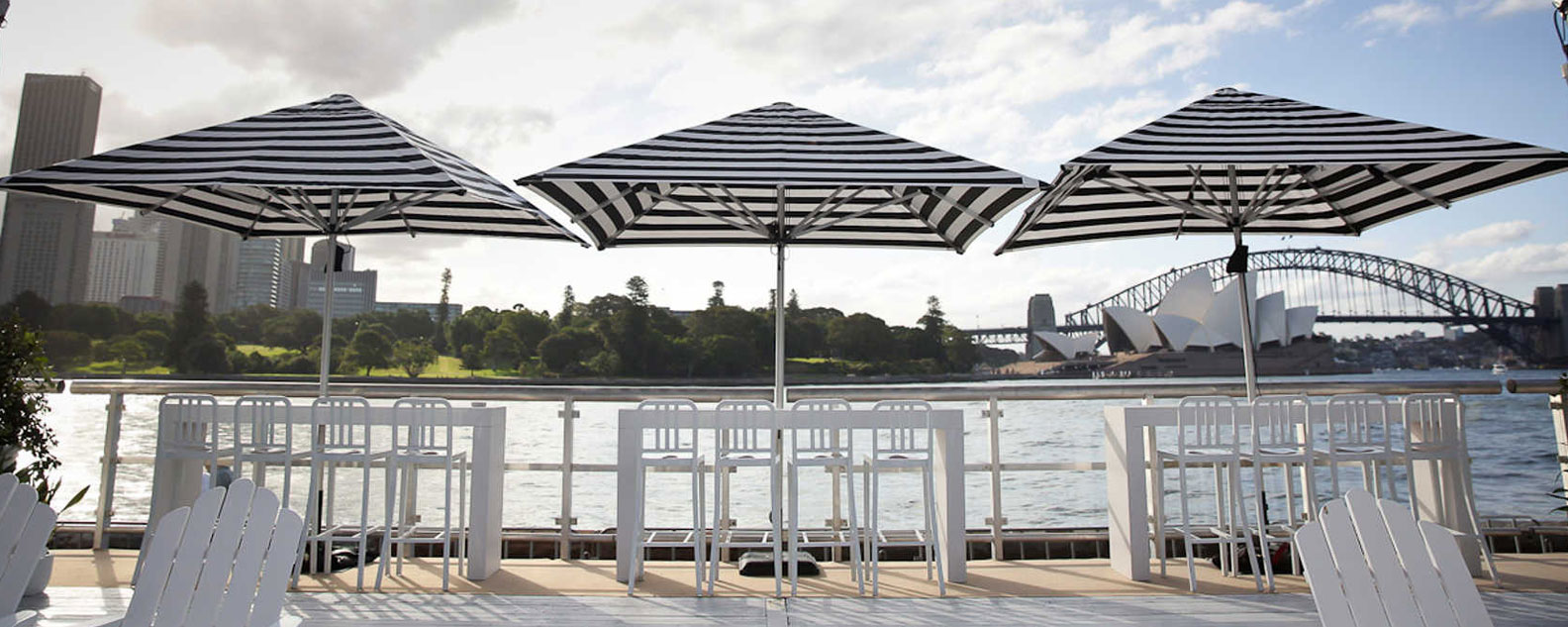
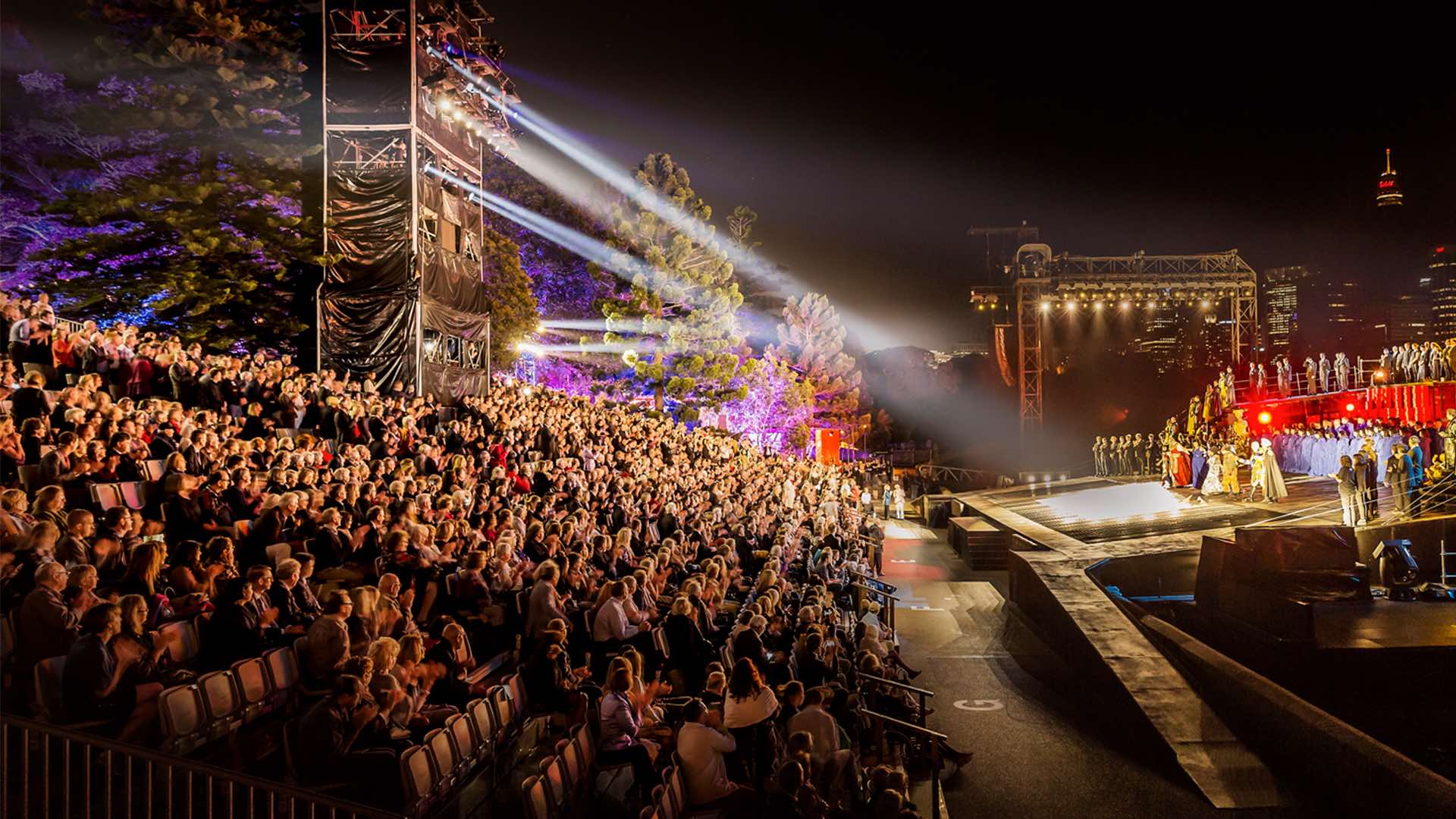
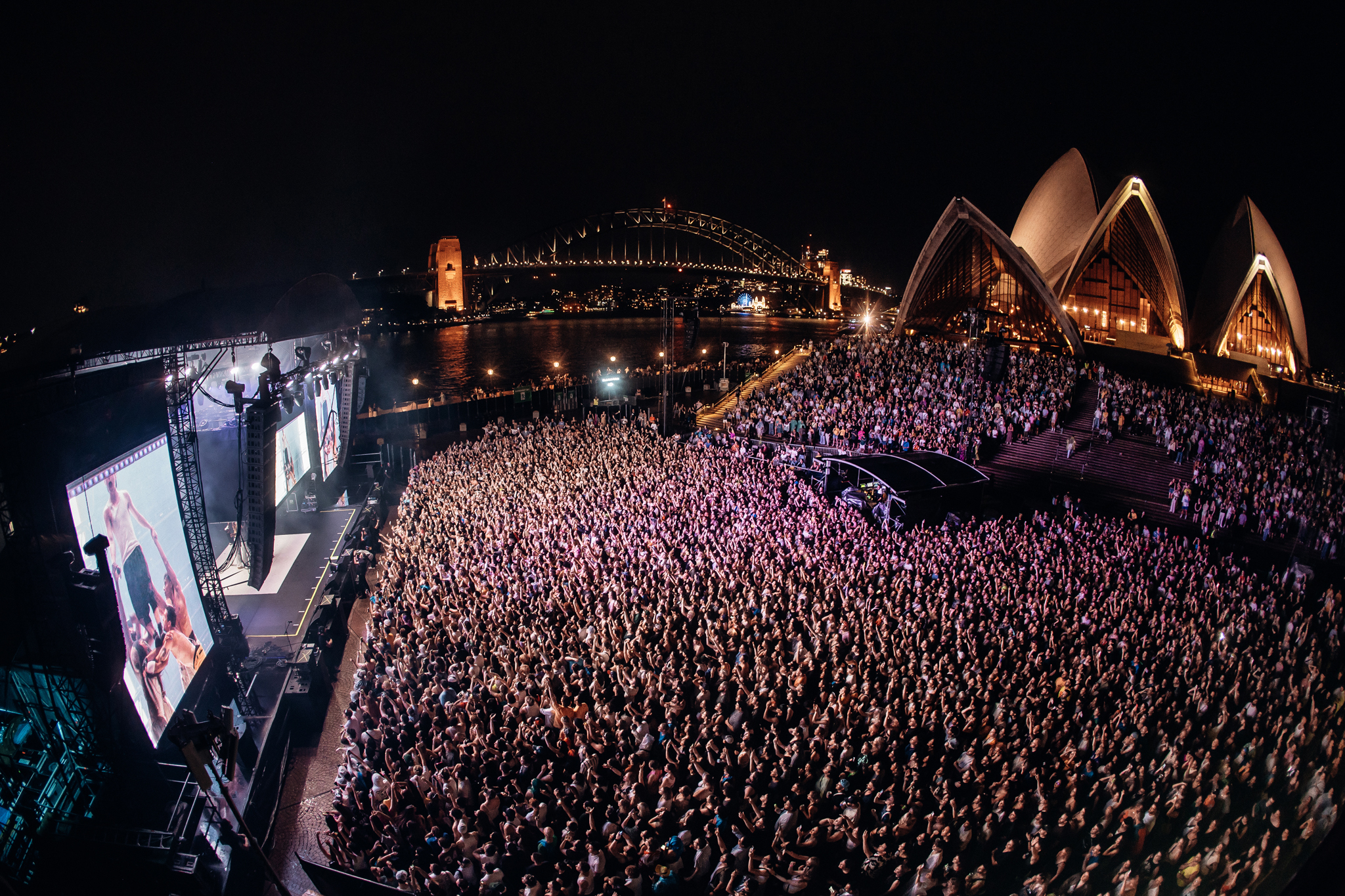
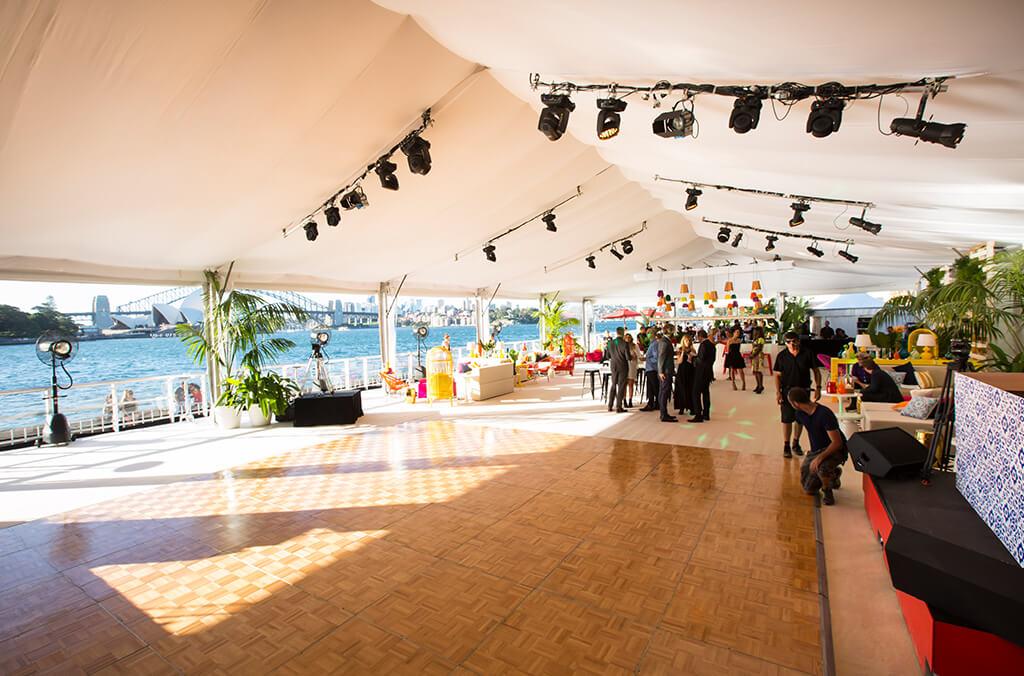
There are concert announcements, and then there are announcements that make you stop scrolling and actually read. The news that Fuzzy - one of Australia’s most respected live music promoters - is launching a brand new concert series at the Fleet Steps at Mrs Macquarie’s Point in Sydney falls firmly into the second category. What makes this particularly exciting is not just the names on the bill, though those are genuinely impressive. It is the addition of a floating stage on the harbour, turning one of Sydney’s most naturally dramatic outdoor settings into something that sounds more like a fever dream than a real gig. The Fleet Steps already offers sweeping views of the Sydney Opera House and Harbour Bridge, meaning that even before the music starts, the setting is doing a lot of heavy lifting.
Image: Botanic Gardens of Sydney
Fuzzy as a promoter has a long and credible track record in Australian live music, having been responsible for some of the country’s most beloved festival and touring experiences over the decades. This new series represents a deliberate shift toward intimate, location-led concert experiences - a trend that has been gaining serious momentum globally since the post-pandemic live music reset. The idea of placing a stage on the water transforms the act of watching a concert into something closer to a theatrical event, and that distinction matters. It signals that Fuzzy is not just booking artists; they are curating an atmosphere. For Sydney music fans, this feels like the city finally getting the kind of prestige outdoor concert series that cities like London and New York have been perfecting for years.
Three Acts, One Very Clear Statement
Image: Rolling Stone Australia
The decision to anchor this series with Missy Higgins, The Teskey Brothers, and ICEHOUSE is not random - it reads like a very deliberate cross-generational pitch to Australian music lovers. You have ICEHOUSE representing the synthesizer-drenched, anthemic rock of the 1980s, a band whose influence on Australian pop and rock is genuinely difficult to overstate. Then you have Missy Higgins, who emerged in the early 2000s and became one of the most commercially successful and critically respected singer-songwriters the country has ever produced. And completing the triangle is The Teskey Brothers, the Warrandyte-born soul and blues outfit who have spent the last several years earning the kind of international acclaim that most Australian acts only dream about. Together, these three acts cover roughly four decades of Australian music history while each remaining genuinely relevant today. That is a hard combination to assemble, and Fuzzy deserves credit for pulling it off.
The strategic logic of this lineup also works on a practical level. Each act brings a distinct audience demographic, which means the series as a whole has the potential to attract a broad cross-section of Sydney concertgoers rather than catering to a single niche. ICEHOUSE fans who grew up in the 1980s are now in their fifties and sixties, an audience with spending power and a genuine appetite for premium live experiences. Missy Higgins pulls a slightly younger cohort, many of whom came of age during the mid-2000s indie-folk boom and have followed her through multiple musical evolutions. The Teskey Brothers, meanwhile, have cultivated a younger, globally minded fanbase drawn in by their extraordinary vocal performances and their deep reverence for American soul and R&B traditions. Each headline set promises to feel entirely different from the one before it.
Missy Higgins and the Long Arc of Australian Songwriting
Image: YouTube
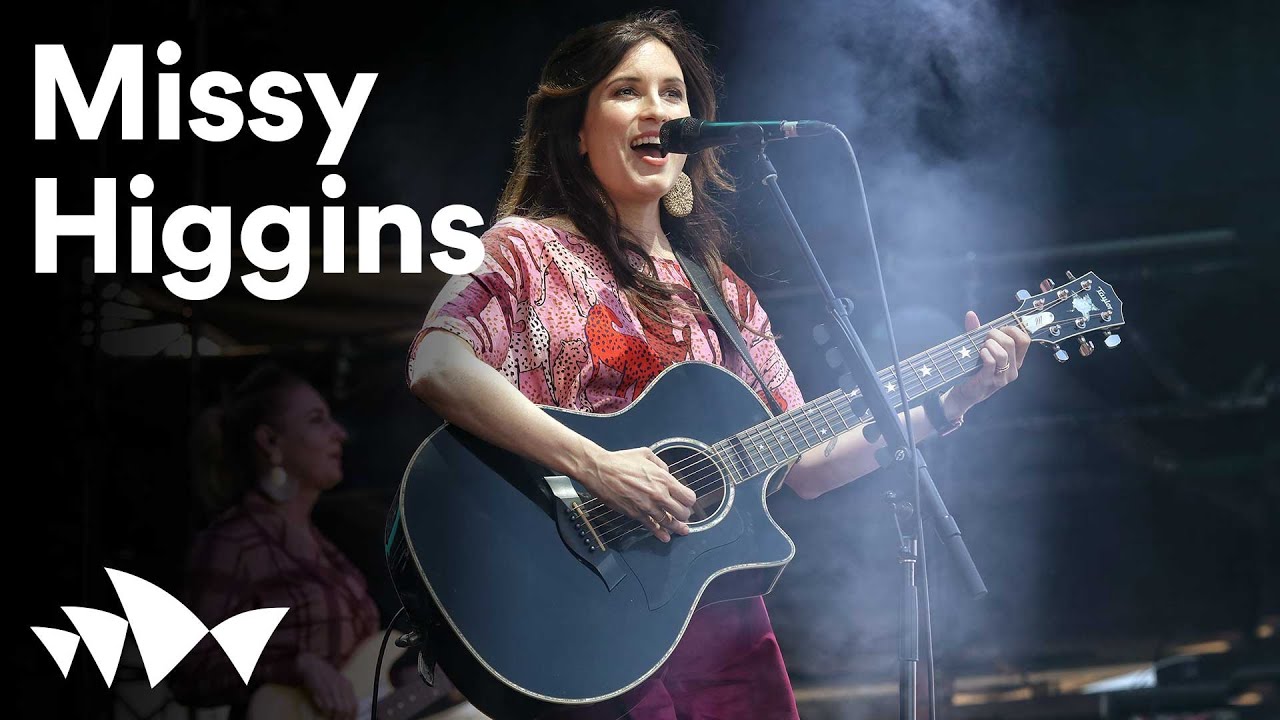
Missy Higgins is one of those artists whose longevity demands a certain amount of respect that casual listeners sometimes underestimate. Her 2004 debut album The Sound of White was a commercial phenomenon in Australia, spending weeks at the top of the charts and producing songs like “Scar” and “The Special Two” that embedded themselves permanently into the cultural fabric of a generation. But what has kept her relevant well beyond that initial burst of success is a genuine willingness to evolve - both as a songwriter and as a public figure. Her 2012 album The Ol’ Razzle Dazzle marked a creative pivot toward a warmer, more folk-influenced sound, and subsequent records continued to show an artist who refuses to be boxed in by her own commercial peak. In a music industry that frequently discards its female artists the moment the initial momentum fades, Higgins has built something that looks a great deal like a genuine career.
Her presence in a prestige concert series like this one makes complete sense. She is an artist who rewards the kind of attentive listening that a waterfront harbour setting naturally encourages - her songwriting is detailed, emotional, and built for quiet attention rather than stadium-scale spectacle. Watching Missy Higgins perform against the backdrop of Sydney Harbour at dusk sounds like the kind of experience that would be almost unfairly beautiful, and that instinct probably drove her inclusion in this lineup as much as any commercial calculation did.
Ad SpaceIn-Article - 300x250
Advertisement
The Teskey Brothers: Soul Music With Roots in the Suburbs
Image: YouTube
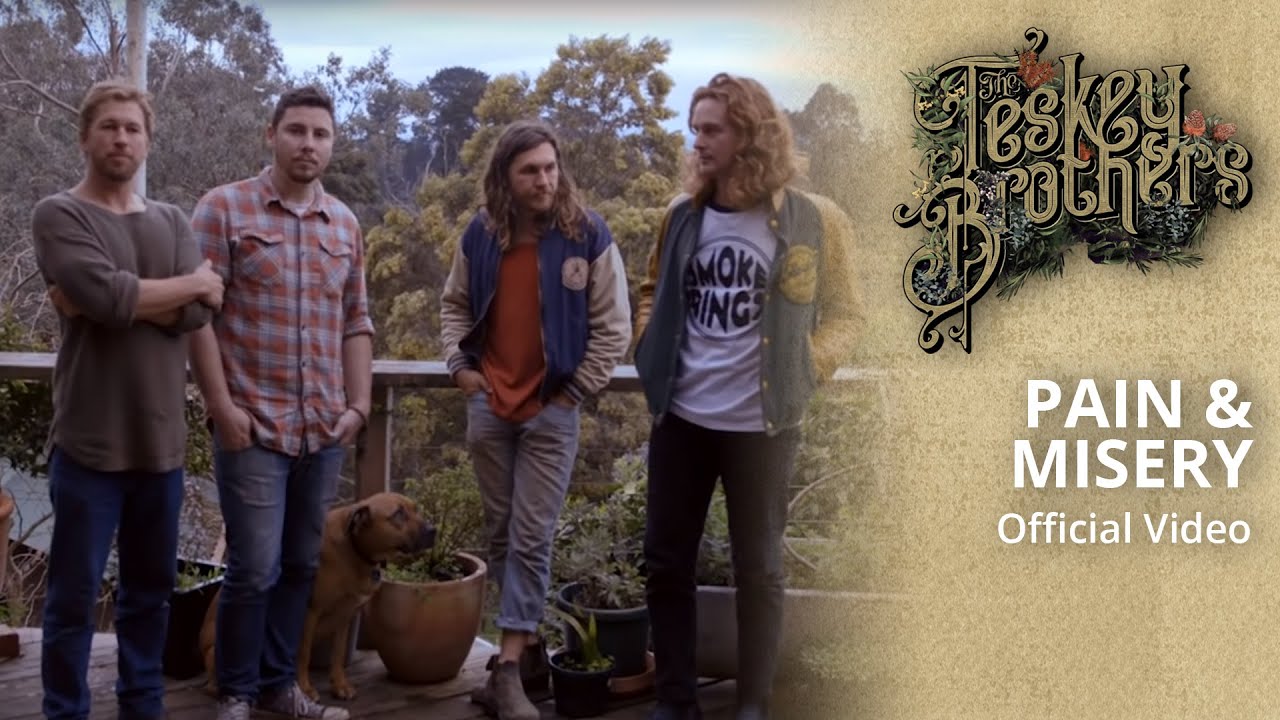
Few acts in the Australian music landscape have had a more remarkable trajectory over the past decade than The Teskey Brothers. The group - centred around the extraordinary voice of Josh Teskey and the guitar work of his brother Sam, along with longtime collaborators Brendon Love and Liam Gough - emerged from Melbourne’s outer suburbs with a sound that felt genuinely out of time in the best possible way. Their 2019 debut album Half Mile Harvest introduced them to international audiences who could barely believe that a band this steeped in classic American soul and gospel sensibility was coming out of Victoria rather than Memphis or Muscle Shoals. Their follow-up, Run Home Slow, deepened that reputation considerably, and the 2021 live album Live at Forum Melbourne captured the kind of raw, emotionally overwhelming concert experience that had been turning their gigs into word-of-mouth events for years.
Internationally, the band has earned significant recognition in markets that are notoriously difficult for Australian acts to crack. Their music has been featured on major global playlists and their live reputation has preceded them into European and North American markets where they have performed to increasingly large and enthusiastic audiences. For a Sydney harbour concert series that presumably wants to signal its international quality credentials, booking The Teskey Brothers is a smart move. Josh Teskey’s voice alone is the kind of thing that can silence a crowd of thousands, and the floating stage setting seems almost custom-built for the band’s dramatic, emotionally sweeping approach to live performance.
ICEHOUSE and the Weight of Australian Rock Legacy
Image: Billboard
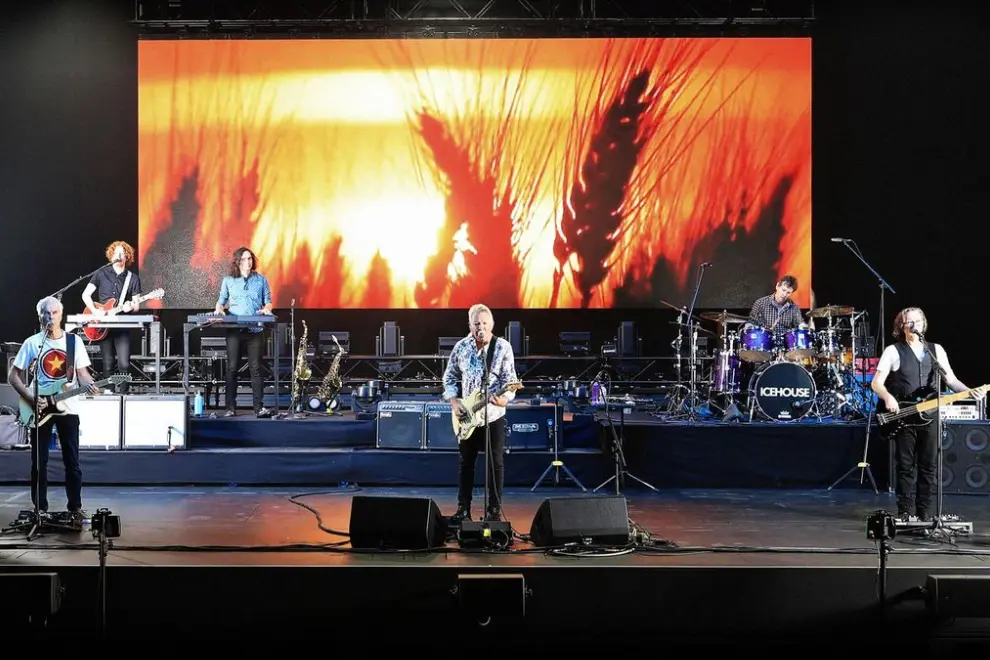
To understand what ICEHOUSE means to Australian music, you have to understand the particular cultural moment that produced them. Formed in Sydney in the late 1970s as Flowers before adopting the ICEHOUSE name, the band - led by the extraordinarily talented Iva Davies - helped define the sound of Australian pop-rock during the 1980s with a string of albums and singles that blended new wave, post-punk, and stadium rock in ways that felt genuinely sophisticated by the standards of the era. Songs like “Hey Little Girl,” “Great Southern Land,” and “Crazy” remain recognisable to multiple generations of Australian music fans, and “Great Southern Land” in particular has achieved a kind of anthemic status that puts it in conversation with the handful of songs that feel genuinely definitive of a national identity. Iva Davies’s compositional abilities have always been remarkable - he is a classically trained musician whose pop sensibility is matched by an unusual level of musical sophistication.
The band has continued to tour and record across the decades, and their live shows retain the kind of craft and spectacle that their back catalogue demands. For a concert series being held in Sydney - ICEHOUSE’s home city - there is also something poetically appropriate about their inclusion. “Great Southern Land” performed with the Sydney Opera House visible in the background would be a moment. Full stop.
Why Outdoor Concert Culture Is a Global Conversation Right Now
The Sydney Fleet Steps series lands in the middle of a genuinely global conversation about what live music spaces can and should look like in the post-pandemic era. Across the world, promoters and artists have been reconsidering the relationship between music and environment, moving away from the anonymous indoor arena model toward experiences that use geography and architecture as part of the artistic statement. This shift has been particularly visible in Africa, where outdoor and festival-format concerts have long been central to the live music experience. Lagos’s Livespot X Festival, Afronation in Ghana, and South Africa’s various outdoor music events have been demonstrating for years that the most memorable concerts are often the ones where the setting is as deliberately chosen as the setlist. The Fuzzy series at Mrs Macquarie’s Point is working from a similar philosophy, even if the geographic and cultural context is entirely different.
There is also an interesting parallel in how the global music industry is treating heritage acts and legacy catalogues right now. In Nigeria and across the African continent, there is a growing cultural practice of celebrating musical pioneers - the Fela Kuti centennial events, retrospective celebrations of highlife legends, and carefully curated throwback tours all reflect an audience appetite for connecting with musical history in live settings. ICEHOUSE’s inclusion in this Sydney series speaks to a similar impulse, and the fact that younger acts like The Teskey Brothers share the same bill suggests that the most interesting live music events right now are the ones that refuse to treat musical eras as sealed-off compartments. Cross-generational lineups are having a global moment, and this Sydney series is arriving right on time.
The Floating Stage as a Philosophy, Not Just a Prop
Strip away the artist names and the harbourside views, and what Fuzzy is really proposing with this series is a specific argument about what a concert can be. The floating stage is not a gimmick - or at least, it should not be treated as one. It is a statement that the boundaries between performance space and natural environment are worth dissolving, that music is powerful enough to hold its own against one of the world’s most visually spectacular backdrops rather than demanding a blacked-out room and a light rig. That is a confident bet to make, and the lineup chosen to prove it - Missy Higgins with her detail-rich emotional songwriting, The Teskey Brothers with their raw vocal power, and ICEHOUSE with their sweeping anthemic rock - is exactly the right collection of artists to make that argument land. Sydney has one of the great natural amphitheatres on the planet in Mrs Macquarie’s Point, and it has taken until now for someone to put a stage in the water and let the harbour do the rest.
Ad SpaceIn-Article - 300x250
Advertisement
Share
Get the recap
Loved this story? Get more like it.
Join readers who get our weekly entertainment recap - the stories worth your time, delivered every Friday.
No spam. Unsubscribe anytime. By signing up you agree to our Privacy Policy.