How Marvel and Fast Food Brands Are Winning African Pop Culture - And What Nigerian Brands Can Learn
Arianne Cole··9 min read
Ad SpaceArticle Top - 728x90
Advertisement
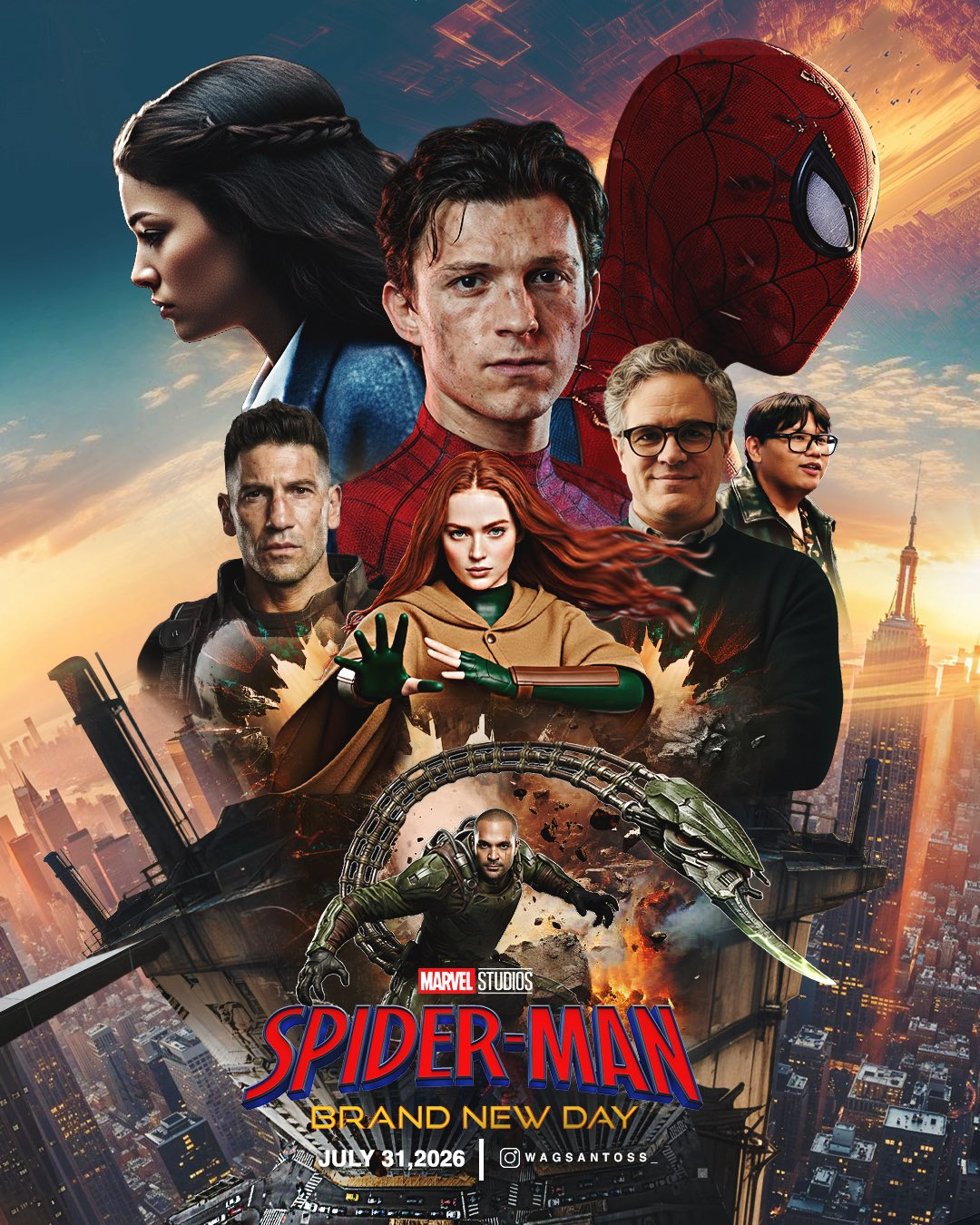
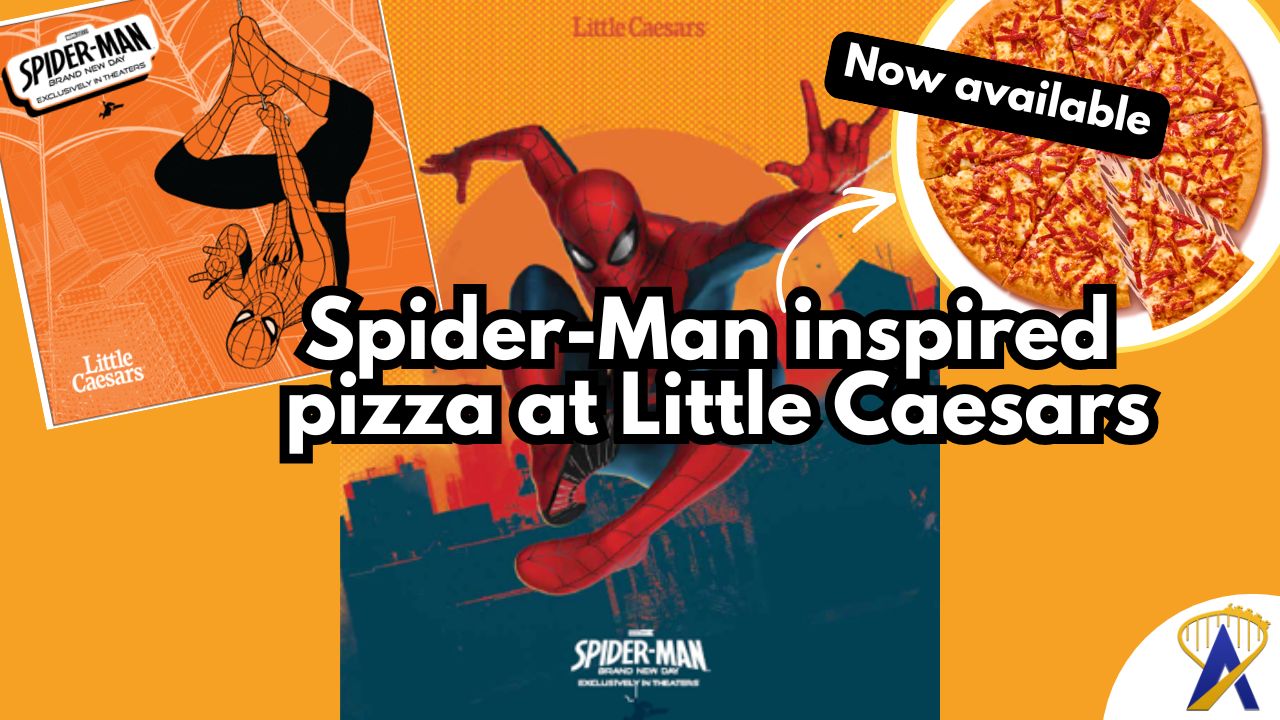
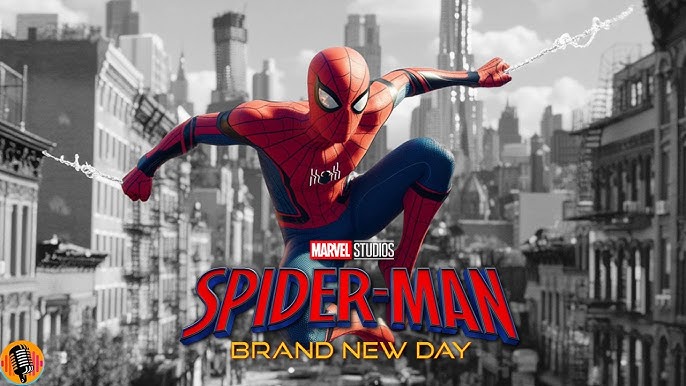
Picture the queue outside a Little Caesars in late June 2026. People are not lining up because they suddenly crave pepperoni. They are there because the pizza on offer is shaped like a spider web, it arrives in a box stamped with a masked superhero, and from early July every purchase comes with a limited poster that swaps out for a new design every single week. The pizza is called Webberoni, it costs $8.99, and it exists for one reason: Sony’s “Spider-Man: Brand New Day” was heading to cinemas, and a fast-food chain decided to borrow the most valuable thing the film had - its fandom.
That single product, launched on June 22, is a tidy little case study in how modern marketing actually works. A mid-tier pizza brand and a billion-dollar film studio shook hands, and both walked away richer for it. The mechanics behind that handshake are not a Hollywood secret. They are repeatable, they are measurable, and almost none of the playbook has been seriously imported into Nigerian and African brand marketing yet. That gap is the opportunity.
Why Entertainment-IP Collaborations Work
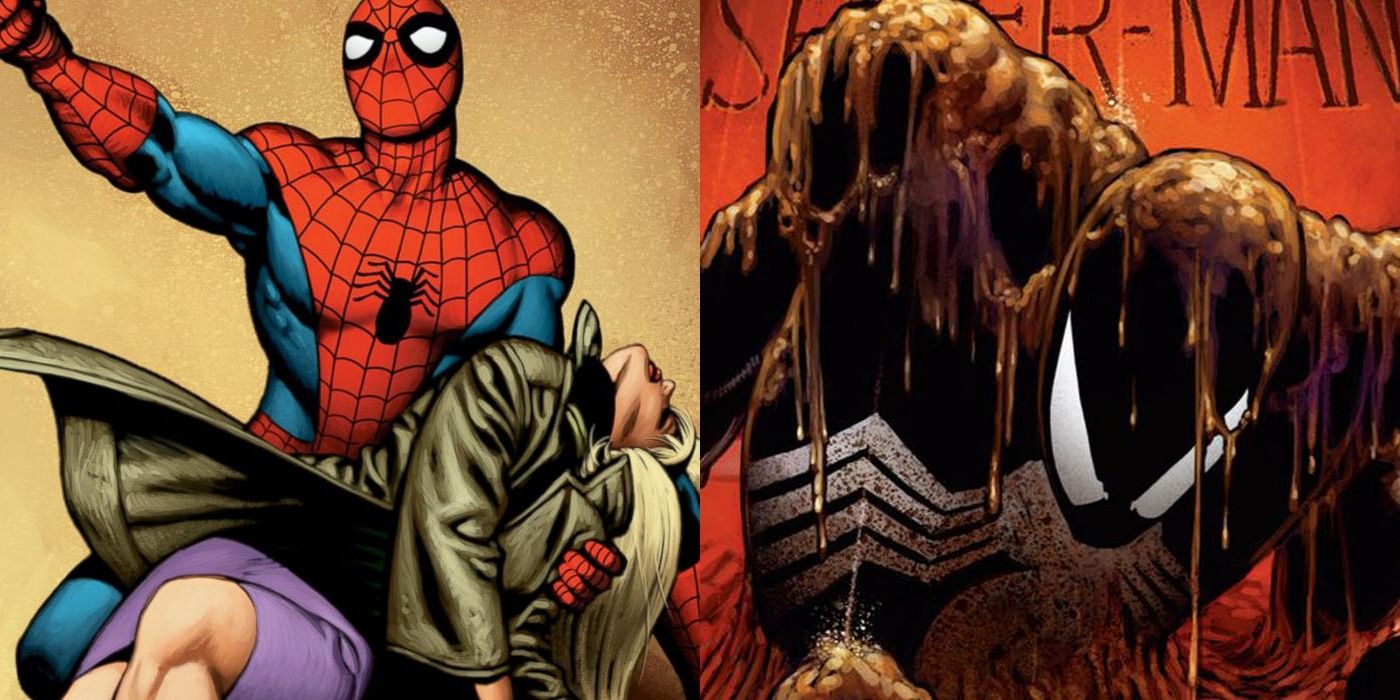
Strip away the cartoon boxes and the glossy adverts, and an entertainment collaboration is really a transfer of borrowed emotion. A brand on its own has to manufacture excitement from scratch. A film franchise, a music act, or a beloved character arrives with the excitement already built, already paid for, already distributed across millions of people who would queue in the rain for it. When Little Caesars wraps a pizza in Spider-Man branding, it is not selling dough. It is renting the affection that audiences have spent two decades pouring into Peter Parker.
Four forces make this rental so profitable. The first is built-in fandom. The audience already exists, already cares, and already talks. A brand does not have to find these people or convince them to feel something; it simply has to show up where their attention is. The second is scarcity. Webberoni is not a permanent menu item, and the posters that come with it refresh weekly so that no two visits feel the same. A thing that will disappear next month gets bought today, and a thing that changes every seven days gets bought again and again. Limited windows convert “maybe later” into “right now.”
The third force is social shareability. A normal pizza is not worth a photo. A web-shaped pizza in a superhero box is content, and content is free distribution. Every customer who posts it becomes an unpaid billboard reaching their own followers, which means the campaign keeps marketing itself long after the brand stops paying for ads. The fourth is the collectible. The poster, the toy, the cup, the figurine - these turn a one-off transaction into a set, and a set demands completion. The moment a customer thinks “I have three of the seven, I need the other four,” the brand has stopped selling food and started selling a quest.
The Fast-Food Playbook in Detail
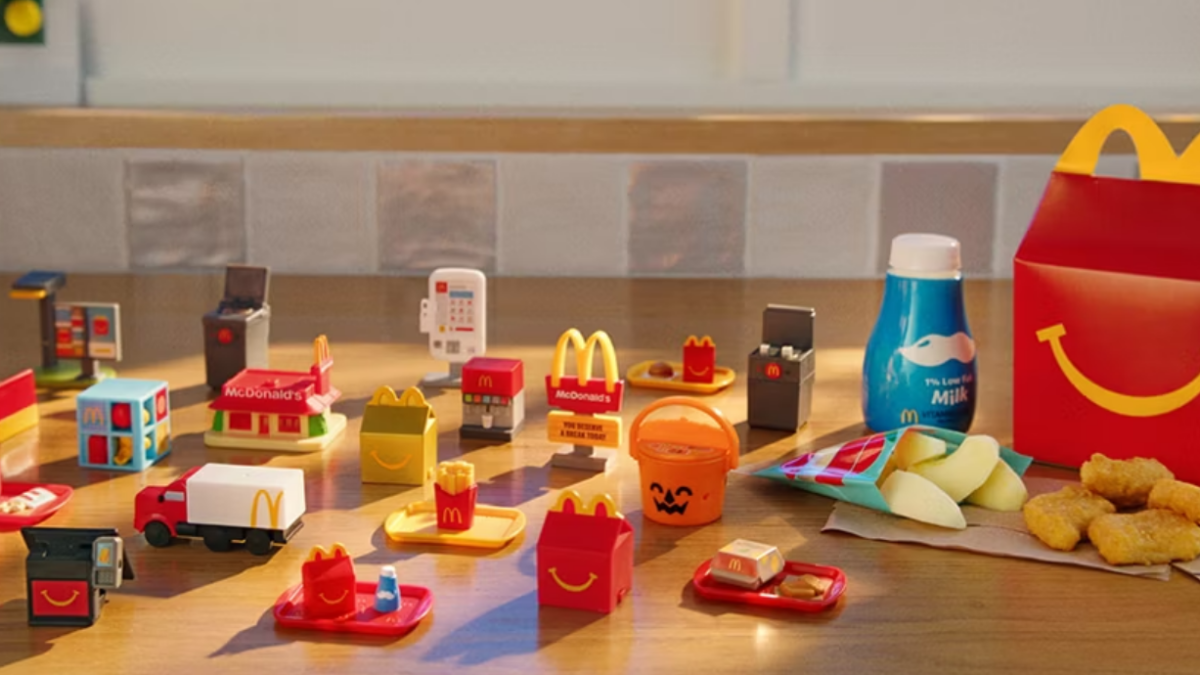
No industry has run this play harder or smarter than fast food, and McDonald’s wrote the masterclass. In 2021 the company partnered with the South Korean group BTS for a celebrity meal: ten chicken nuggets, fries, a Coke, two special sauces, and a collectible purple box bearing the band’s name. There was nothing new about the food. The genius was everything around it. McDonald’s credited a 25 percent jump in US sales to the partnership, and fans in dozens of countries treated the packaging itself as memorabilia, with empty boxes and used sauce cups reselling online.
The chain repeated the formula with a meal built around the rapper Saweetie, complete with custom sauces and branded merchandise, and it has since brought BTS back through an animated TinyTAN Happy Meal carrying figurines modelled on the band members and exclusive photocards. The same machinery powers its film tie-ins. When “The Marvels” arrived, McDonald’s offered one of eight different superhero toys with every Happy Meal, layered with downloadable activity pages and an app sweepstakes for a Disney cruise. Spider-Man Happy Meal toys stretch back decades and remain a genuine collector category today.
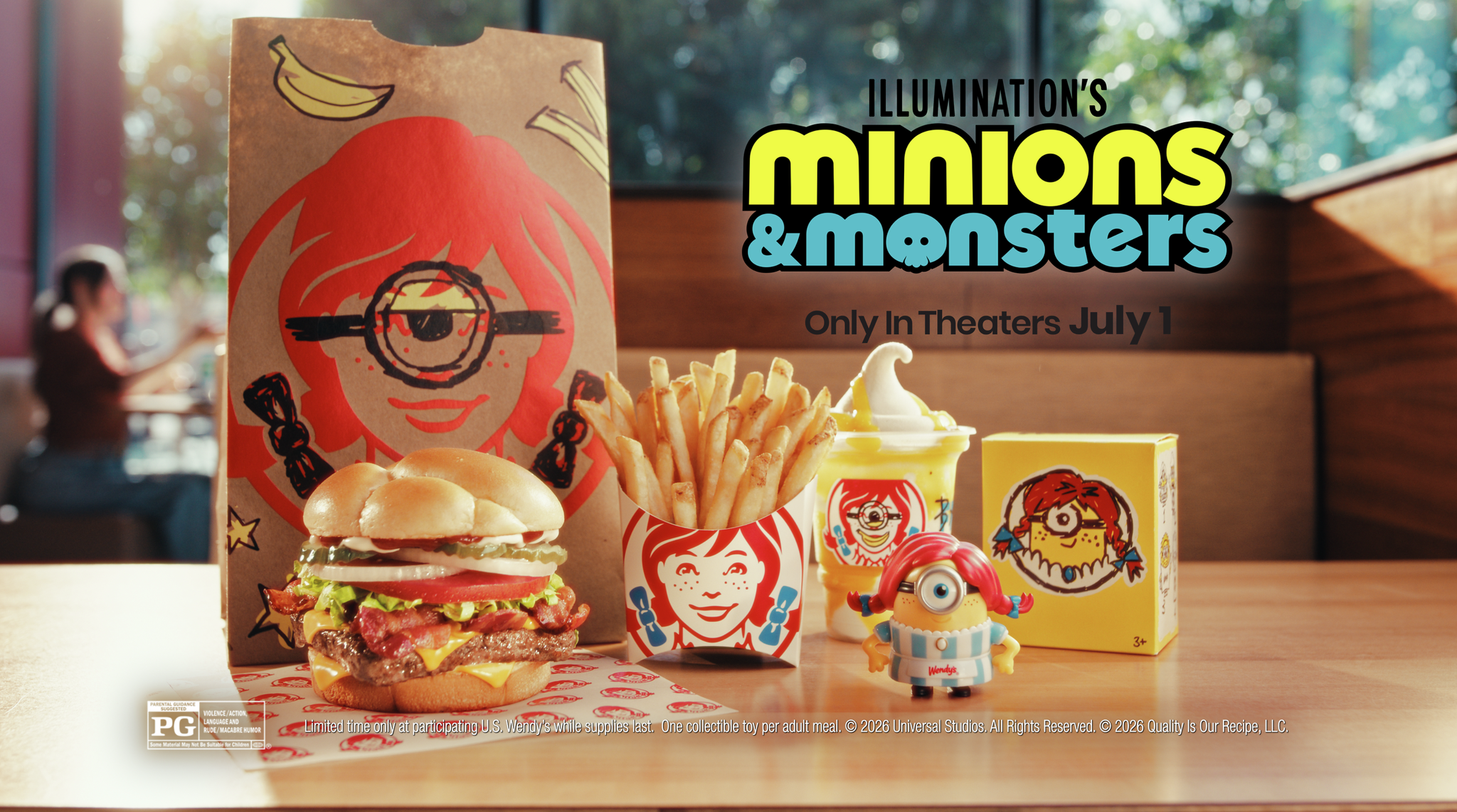
Look closely and the structure is always identical. Take a product the chain already sells. Attach a piece of entertainment people already love. Wrap the whole thing in packaging worth photographing. Make it disappear after a few weeks. Reward repeat visits with a set worth completing. The food is the constant; the story bolted onto it is the variable that drives the traffic. KFC has run the same model through gaming partnerships and tournament tie-ins, and Burger King has done it through movie promotions for years. The recipe travels because human psychology does not change at the border.
The Marvel and Hollywood Machine
The other half of every one of these deals is the studio, and the studio is just as motivated. A modern blockbuster lives or dies in its opening days, and marketing one to a global audience costs almost as much as making it. So the studio behind Spider-Man does not see Little Caesars as a vendor. It sees a distribution channel with tens of thousands of physical locations, each one quietly advertising the film to every customer who walks in, weeks before opening night, at no cost to the studio.
Ad SpaceIn-Article - 300x250
Advertisement
This is the engine Disney and Marvel have refined into a science. A single Marvel release fans out into fast-food meals, toy lines, apparel, app games, theme-park tie-ins, and supermarket cereal, each partner paying for the privilege of attaching itself to the franchise while simultaneously promoting it. The film advertises the pizza and the pizza advertises the film, and the studio collects licensing revenue on top. It is a closed loop where everyone in the circle markets everyone else, and the audience pays to participate by buying the merchandise. The lesson for any brand watching from the outside is that the most valuable thing a piece of entertainment owns is not its content but its built-in, pre-warmed audience, and that audience can be rented by anyone willing to make a smart enough offer.
What African Brands Already Do
None of this is foreign to Africa. The continent has its own entertainment juggernauts, and a few categories have already figured out how to ride them. The clearest example is “Big Brother Naija,” the reality show that has become the single biggest brand stage on the continent. Each season the house fills with sponsors who treat product placement as oxygen. In recent seasons Guinness took the gold sponsor slot under its “Black shines brightest” line, Pepsi returned with its trademark set-piece performances, betting platforms such as Bet9ja and newer entrants like Bang Bet bought their way into the conversation, and fintech players used the show as a shortcut to mass adoption. Brands do not sponsor BBNaija for a logo on a wall. They sponsor it for the same reason Little Caesars made a spider pizza: to rent a captive, obsessed, hyper-engaged audience that talks about the show every waking hour for three months.
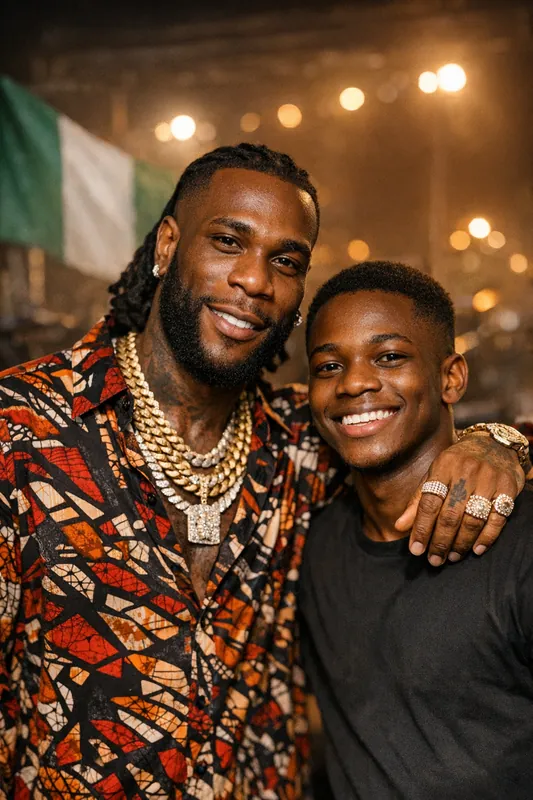
Afrobeats is the other obvious engine, and the telecoms saw it first. Back in 2012, Davido signed a roughly 30 million naira deal with MTN to become the face of its youth-focused Pulse campaign, and the model never left. Today Davido has stacked endorsements across MTN, Pepsi, Guinness, Infinix, Martell, and Puma. Burna Boy has carried Martell, Star Lager, Chipper Cash, Oraimo, and the telecom giant Glo. Wizkid has fronted Pepsi, Puma, Tecno, and the major networks. These are not random celebrity sightings; they are brands plugging into the affection that a global Afrobeats audience already feels, exactly the way a Hollywood studio plugs a pizza chain into Spider-Man’s fanbase.
The fast-food layer exists too, even if it has not yet gone full Marvel. Chicken Republic, the continent’s homegrown quick-service champion, has shown it understands scarcity and virality without needing a film studio. Its “Refuel” meal turned a simple combo into a brand asset, and its “Every Citizen Go Collect” promotion, where a secret code knocked a 2,300 naira pack down to 1,500 naira for a limited window, generated exactly the word-of-mouth frenzy that a good collectible drop produces. The chain has the instincts. What it has not yet done is marry that instinct to a piece of entertainment IP the way McDonald’s marries its meals to BTS or the Avengers.
The Lessons and the Pitfalls
The honest gap is this: African brands have mastered sponsorship but barely touched the collaboration. Sponsoring BBNaija or signing Davido is renting an audience’s attention. A true collaboration - a co-created product that only exists because two brands met - is renting their participation, and participation is where the deeper money and the lasting memory live. A telecom that simply slaps Burna Boy’s face on a billboard has bought a poster. A telecom that launches a limited data bundle tied to a Burna Boy album drop, with a collectible in-app reward that completes across the tracklist, has built a machine.
For the brands ready to move, a handful of lessons translate directly. Pick IP your audience already worships rather than the IP that is merely famous; relevance to a Lagos teenager beats global prestige every time. Build genuine scarcity, because a limited-time Nollywood-themed menu or a numbered Afrobeats-tour collectible converts intent into action in a way that a permanent offer never will. Engineer the product to be photographed, since on a continent where culture moves through WhatsApp and TikTok, an item that is not shareable is a campaign that ends at the till. And reward repetition with a set, because the human urge to complete a collection is the same in Lagos as it is in Los Angeles.
The pitfalls are just as instructive, and they are mostly about respect. The fastest way to ruin one of these deals is to treat the culture as decoration. An Afrobeats tie-in that gets the artist’s vibe wrong, a Nollywood collaboration that feels like a corporate committee imitating Nigerian humour, or a celebrity endorsement so obviously transactional that fans can smell the cheque - each of these backfires, because the audience you are renting from is protective of the thing you are borrowing. The MTN saga, where the network reportedly dropped a wave of music-industry ambassadors, is a reminder that these relationships are volatile and that a clumsy or poorly managed partnership can curdle into a public liability. Authenticity is not a nice-to-have here. It is the entire asset, and the moment it cracks, the borrowed affection evaporates and takes the campaign with it.
A Concrete Closing
The Webberoni pizza will vanish from Little Caesars menus within weeks, and that is the point. By the time it does, the chain will have pulled fresh faces into its stores, flooded social feeds with free advertising, moved a stack of posters that cost pennies to print, and built a small monument of goodwill on the back of a film it did not make. The studio, meanwhile, will have had its movie advertised in thousands of locations for the price of a licensing agreement. Two brands, one borrowed fandom, both ahead.
Nigeria already owns the raw materials this playbook runs on. Afrobeats is the most exportable sound on earth, Nollywood pumps out more films than almost any industry alive, and BBNaija delivers an audience as rabid as any superhero fanbase. The telecoms and the betting platforms cracked the sponsorship half years ago. What remains unbuilt is the collectible, the co-created drop, the limited Jollof-season menu tied to a chart-topping single, the numbered tour merchandise that completes across a Burna Boy album - the small, sharp, scarce object that turns a fan into a customer and a customer into a walking advertisement. The pizza box on a New York counter and the BBNaija stage in Lagos are running the same machine. One of them is being driven at full speed. The other is parked, keys in the ignition, waiting for a Nigerian brand bold enough to turn it on.
Ad SpaceIn-Article - 300x250
Advertisement
Share
Get the recap
Loved this story? Get more like it.
Join readers who get our weekly entertainment recap - the stories worth your time, delivered every Friday.
No spam. Unsubscribe anytime. By signing up you agree to our Privacy Policy.