
Table of Contents
- Chart Dominance and Career Evolution
- The “Felices Los 4” Breakthrough Moment
- Creating Magic with Shakira on “Chantaje”
- The Life-Changing Weeknd Collaboration
- Madonna, “Medellín,” and That Infamous Story
- Redefining Latin Music’s Global Reach
Chart Dominance and Career Evolution

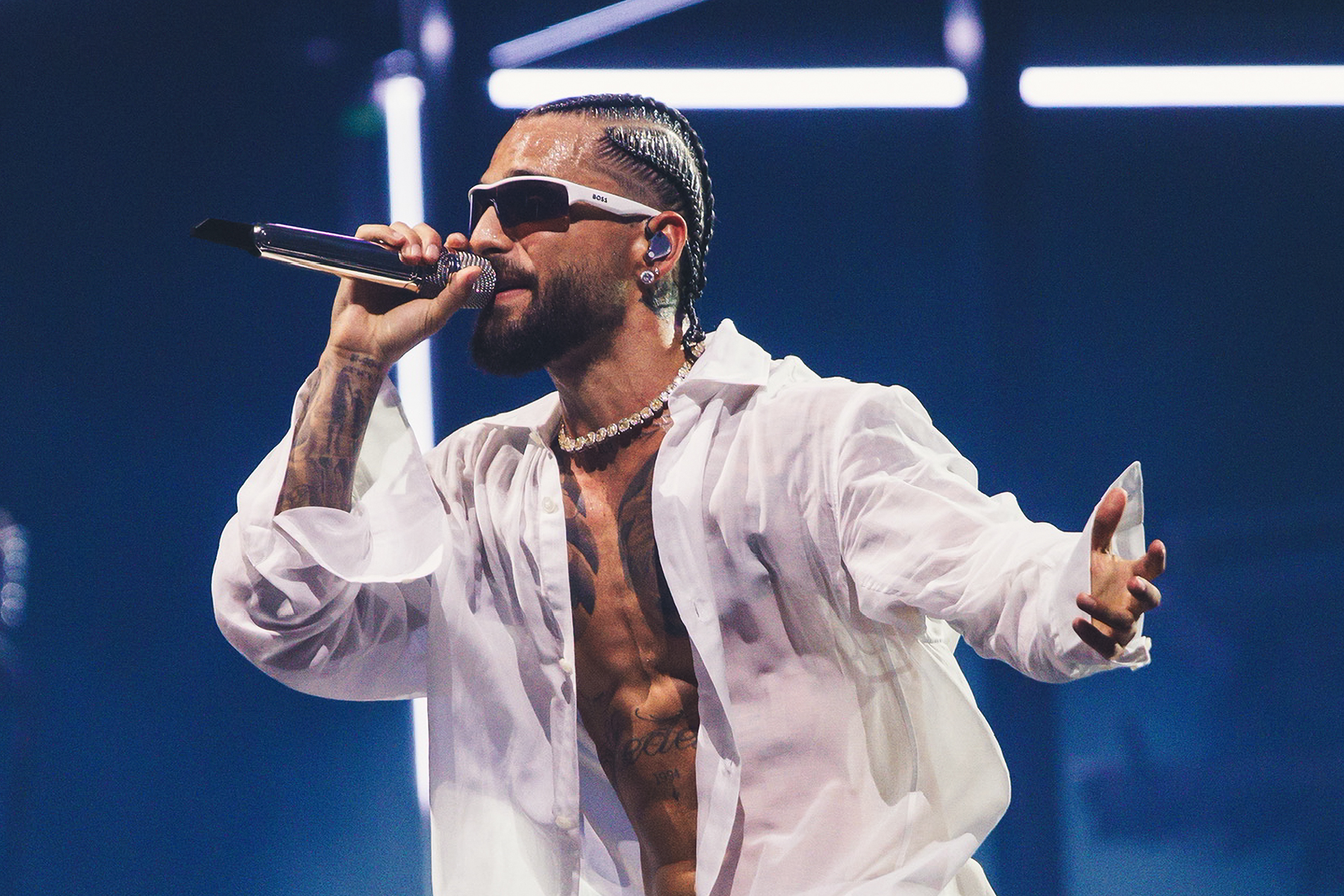
Juan Luis Londoño Arias, better known to the world as Maluma, has become one of Latin music’s most recognizable voices over the past decade. The Colombian reggaeton and Latin pop sensation recently took fans behind the scenes of his remarkable journey, sharing intimate details about the creation and impact of his biggest chart-toppers. From his early days in Medellín to becoming a global phenomenon with billions of streams, Maluma’s trajectory represents the new wave of Latin artists breaking barriers and redefining mainstream success. His willingness to discuss the personal and professional moments that shaped his career offers a rare glimpse into the mind of an artist who has consistently pushed boundaries while staying true to his Colombian roots.
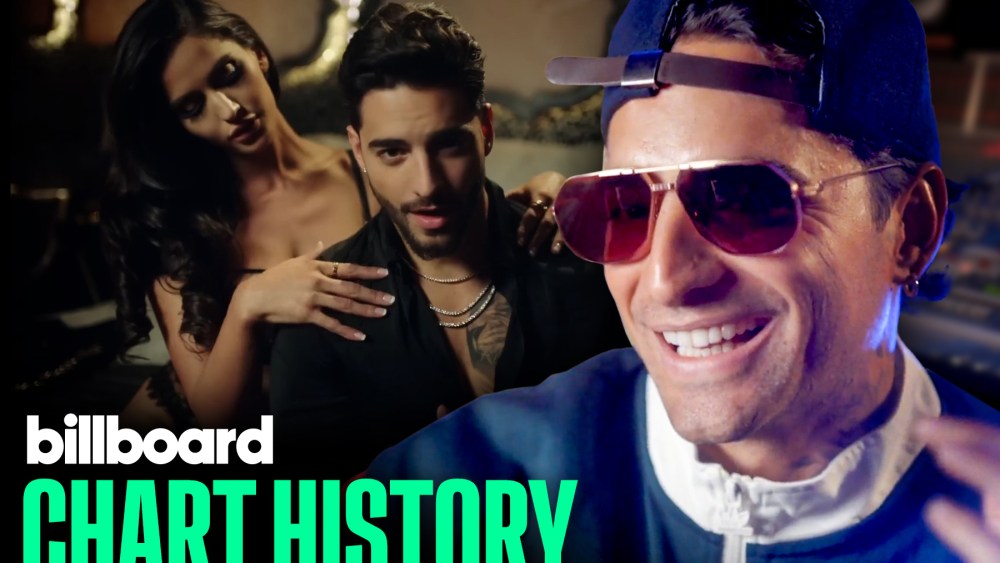
The reggaeton star’s Billboard chart history reads like a masterclass in cross-cultural appeal and strategic collaboration. With multiple entries on the Hot 100 and consistent dominance on Latin charts, Maluma has proven that language is no barrier when it comes to creating infectious music that resonates across demographics. His ability to seamlessly blend traditional Latin sounds with contemporary pop sensibilities has not only earned him commercial success but also critical acclaim from industry veterans. The artist’s recent reflections on his chart journey reveal the calculated risks and spontaneous creative decisions that have defined his career trajectory.
“Felices Los 4” - The Game-Changing Anthem

When discussing pivotal moments in his career, Maluma consistently points to “Felices Los 4” as the song that fundamentally altered his artistic landscape. Released in 2017, the track became more than just another reggaeton hit - it evolved into a cultural phenomenon that showcased Maluma’s ability to craft narratives that resonated with audiences far beyond his Latin American base. The song’s controversial yet compelling exploration of modern relationships sparked conversations across social media platforms while climbing charts worldwide. Its success wasn’t just measured in streams and sales but in its ability to position Maluma as a serious artistic force capable of generating mainstream discourse.
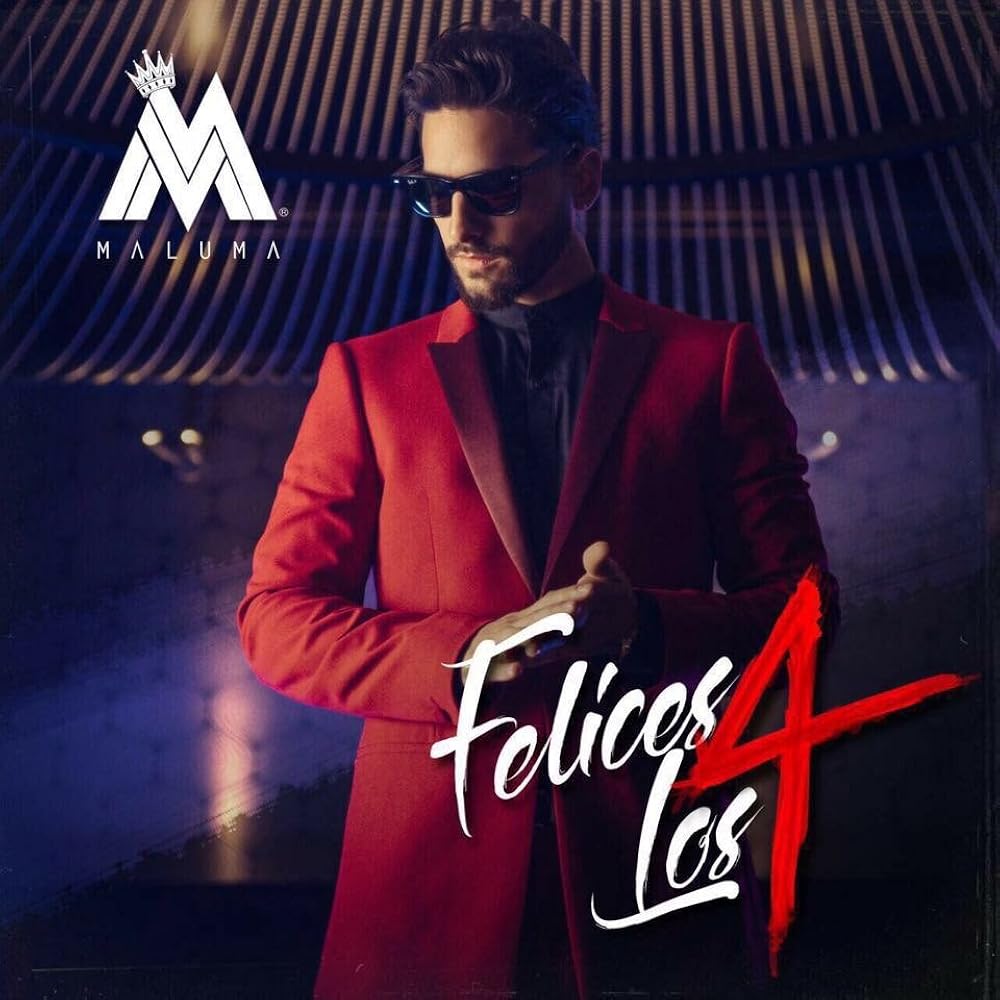
The track’s production process revealed Maluma’s evolving approach to songwriting and his commitment to authenticity even when tackling provocative subjects. Working with a team of producers and writers, he crafted lyrics that walked the fine line between celebration and controversy, creating a song that demanded attention while showcasing his vocal versatility. The accompanying music video further amplified the song’s impact, featuring cinematic visuals that elevated the reggaeton genre’s typical aesthetic standards. This combination of bold lyricism, polished production, and high-concept visuals became a template that many Latin artists would later adopt.
The Shakira Partnership That Redefined Collaboration

Few collaborations in recent Latin music history have generated as much excitement as Maluma’s partnership with Shakira on “Chantaje.” The 2016 track brought together two Colombian powerhouses from different generations, creating a sonic bridge between Shakira’s established global presence and Maluma’s emerging star power. According to Maluma’s recent interviews, the collaboration process was both intimidating and inspiring, as he found himself working alongside one of Latin music’s most successful international ambassadors. The chemistry between the two artists was immediately apparent, resulting in a track that showcased both performers’ strengths while creating something entirely new.
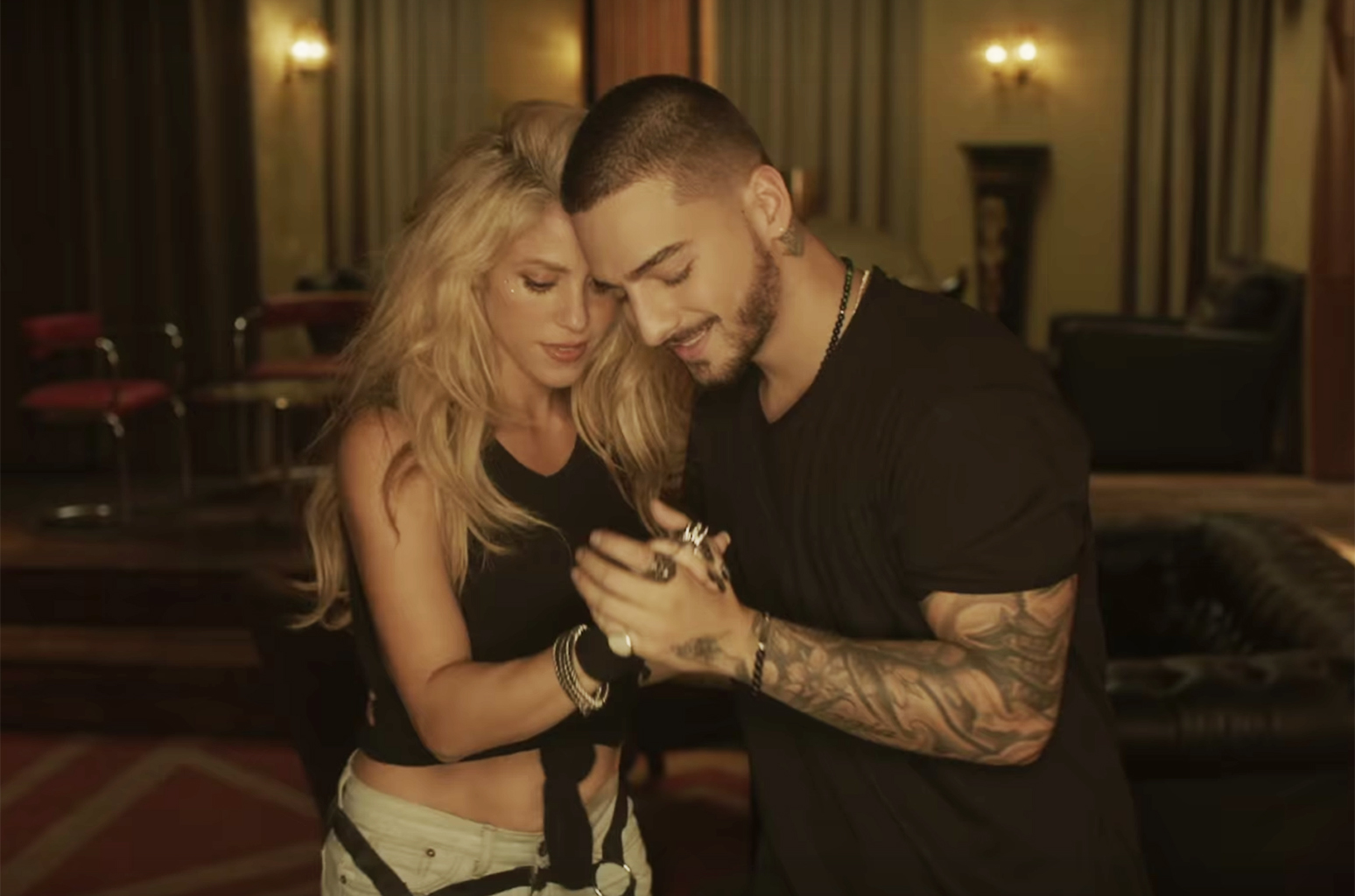
The recording sessions for “Chantaje” became a masterclass in artistic collaboration, with both artists pushing each other to explore new vocal territories and creative approaches. Maluma has described the experience as transformative, noting how Shakira’s professionalism and creative input elevated his own standards for future projects. The song’s massive success - reaching the top of charts across Latin America and Spain while gaining significant traction in North American markets - proved that strategic collaborations between established and emerging Latin artists could create mutually beneficial outcomes. The track’s bilingual approach and cross-generational appeal became a blueprint for future Latin music collaborations.