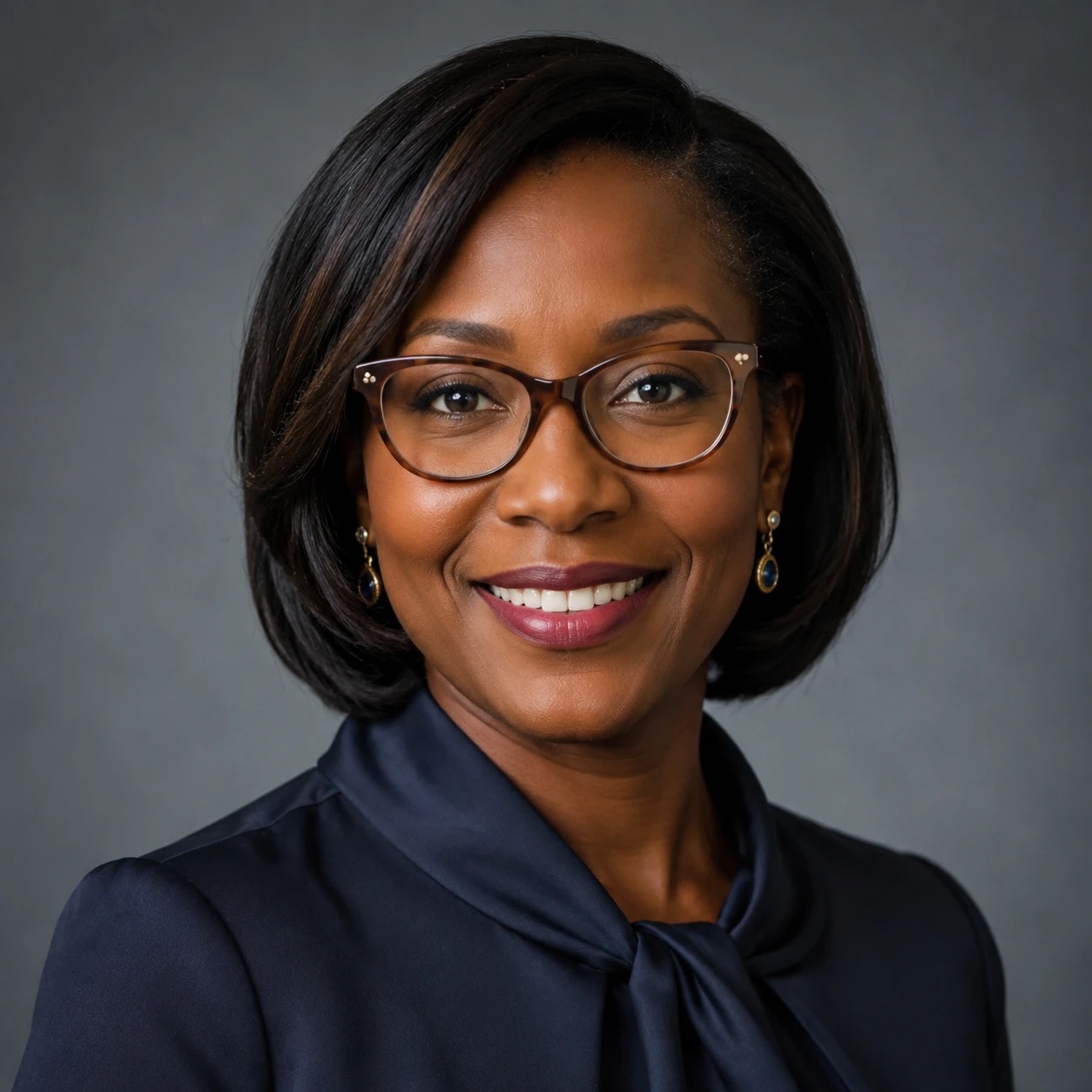
In an industry where overnight success stories are rare and lasting impact even rarer, Lupita Nyong’o stands as a testament to the power of talent, perseverance, and authentic representation. The Academy Award-winning actress has carved out a unique space in Hollywood, becoming one of the most recognizable and respected performers of her generation while simultaneously challenging conventional beauty standards and championing diversity both on and off screen. Her journey from a politically engaged family in Kenya to the glittering stages of Hollywood represents not just personal triumph, but a broader shift in the entertainment industry toward more inclusive storytelling.
Recently, Nyong’o has found herself at the center of online discourse surrounding her casting in the upcoming adaptation of “The Odyssey,” where critics have questioned her suitability for the role. Her response - “You can’t perform beauty” - has resonated far beyond the immediate controversy, sparking conversations about representation, beauty standards, and the ongoing evolution of classical storytelling in modern cinema. This moment of public scrutiny only underscores the broader cultural significance of Nyong’o’s career and her role as both an artist and an advocate for change in Hollywood.
Quick Facts / At a Glance
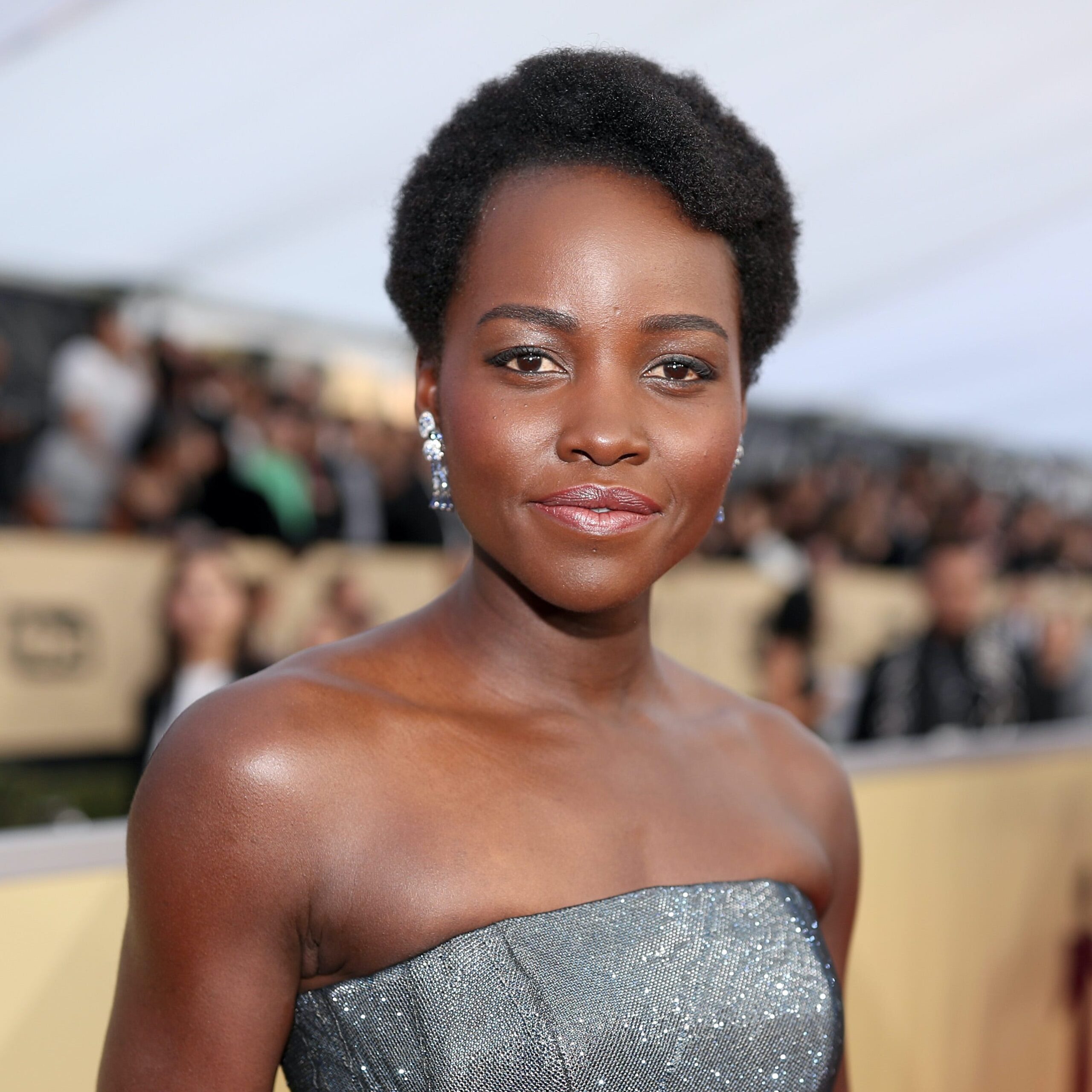
| Full Name | Lupita Amondi Nyong’o |
| Date of Birth | March 1, 1983 |
| Place of Birth | Mexico City, Mexico |
| Nationality | Kenyan-Mexican |
| Profession | Actress, Author, Producer |
| Known For | “12 Years a Slave,” “Black Panther,” “Us,” “Star Wars” sequel trilogy |
| Net Worth | Estimated at $4-6 million |
Early Life and Background
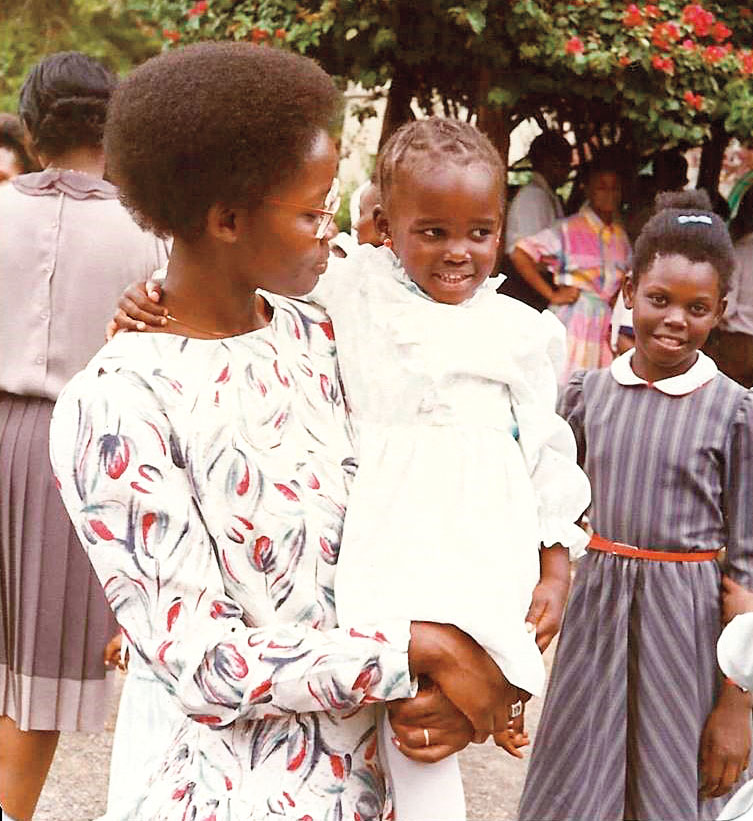
Lupita Amondi Nyong’o was born on March 1, 1983, in Mexico City, Mexico, to Kenyan parents Dorothy Ogada Buyu and Peter Anyang’ Nyong’o. Her father, who would later become a prominent politician and governor of Kisumu County in Kenya, was pursuing his doctorate at El Colegio de México at the time of her birth. This international beginning would prove prophetic for a life that would span continents and cultures, with Nyong’o eventually holding citizenship in both Kenya and Mexico. Her unique multicultural background provided her with a global perspective from an early age, something that would later inform her approach to storytelling and representation in her professional career.
When Lupita was less than a year old, the family relocated to Kenya, where she would spend the majority of her childhood in Nairobi. Growing up as the second of six children in a politically active family, she was exposed to discussions about social justice, governance, and the importance of service to community from an early age. Her father’s involvement in Kenyan politics and academia created an environment where critical thinking and social awareness were encouraged, while her mother’s work as a managing director at the Africa Cancer Foundation instilled values of compassion and dedication to helping others. This foundation of social consciousness would later manifest in Nyong’o’s own advocacy work and her choices of film projects that often tackle difficult social issues.
Nyong’o’s educational journey took her to Rusinga School in Kenya for her primary education, followed by the prestigious Hampshire College in Massachusetts for her undergraduate studies. At Hampshire, she pursued a degree in film and theatre studies, graduating in 2007 with a bachelor’s degree that combined her interests in performance and behind-the-camera work. During her time at Hampshire, she was actively involved in various productions and began to develop her craft in earnest, participating in everything from acting to directing and writing. Her college years also included a semester abroad in Washington, D.C., where she worked as a production assistant on the feature film “The Namesake,” giving her valuable insight into professional filmmaking.
The early influences in Nyong’o’s life extended beyond her immediate family to include exposure to diverse cultural traditions and languages. She grew up speaking English, Spanish, Swahili, and Luo, reflecting the multicultural nature of her upbringing and travels. Her parents ensured that she maintained strong connections to her Kenyan heritage while also embracing the broader global community, a balance that would later serve her well in Hollywood. The combination of her father’s political engagement, her mother’s humanitarian work, and her own natural artistic inclinations created a unique foundation that emphasized both creative expression and social responsibility.
Career Beginnings

Following her graduation from Hampshire College in 2007, Nyong’o returned to Kenya where she began her professional career working in film and theatre production. Her first significant role was as a production assistant on the British television series “Shuga,” which dealt with HIV/AIDS awareness among African youth. This experience not only provided her with valuable on-set experience but also aligned with her interest in projects that addressed important social issues. She also worked on several Kenyan productions during this period, including the films “The Constant Gardener” and “Where God Left His Shoes,” gradually building her understanding of the industry from multiple perspectives.
Recognizing that she needed more formal training to pursue her acting ambitions seriously, Nyong’o made the pivotal decision to apply to graduate school in the United States. In 2009, she was accepted into the Master of Fine Arts program at the Yale School of Drama, one of the most prestigious acting programs in the country. Her three years at Yale proved transformative, providing her with rigorous classical training and exposure to a wide range of theatrical traditions. During her time there, she performed in numerous productions, including “Cymbeline,” “The Trojan Women,” and “Godspell,” consistently impressing faculty and fellow students with her range and dedication to her craft.
While still a student at Yale, Nyong’o began to make connections within the professional theatre world and started auditioning for roles outside of school productions. She appeared in several off-Broadway productions and began working with various directors and casting agents who would prove instrumental in her later career. Her thesis performance at Yale was particularly noteworthy, demonstrating a level of emotional depth and technical skill that suggested she was ready for professional challenges. The rigorous training at Yale not only honed her acting abilities but also provided her with the confidence and professional network that would prove crucial in her rapid ascent to stardom.
Rise to Fame
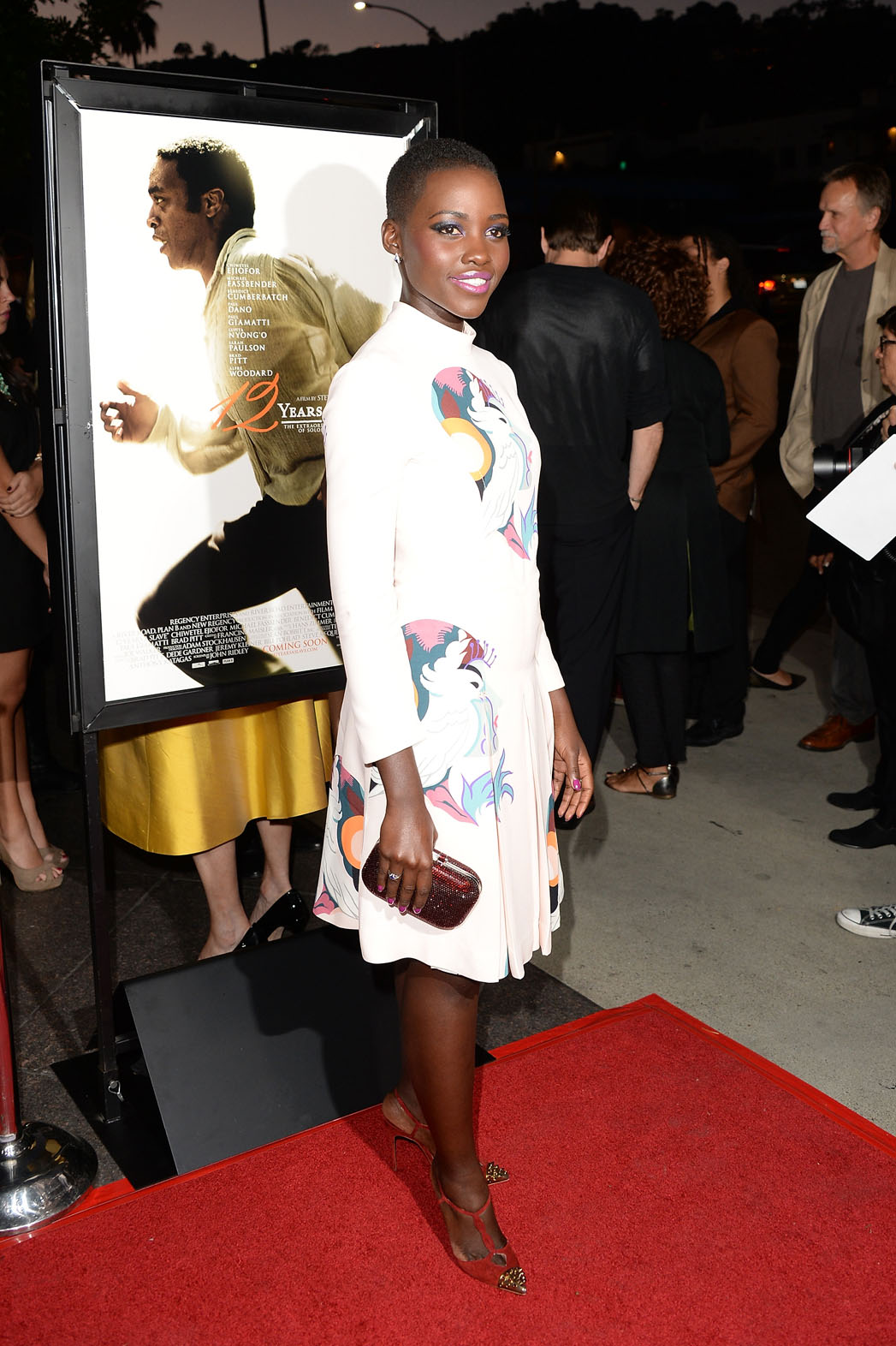
Nyong’o’s breakthrough came in spectacular fashion with her very first feature film role in Steve McQueen’s “12 Years a Slave” (2013). While still completing her studies at Yale, she auditioned for the role of Patsey, a enslaved woman who endures horrific abuse on a Louisiana plantation. The audition process was grueling and emotionally demanding, requiring her to tap into profound depths of human suffering and resilience. McQueen and his casting team were immediately struck by Nyong’o’s ability to convey both Patsey’s vulnerability and her inner strength, recognizing that they had found someone capable of bringing dignity and humanity to an incredibly challenging role.
The filming of “12 Years a Slave” was an intense and transformative experience for Nyong’o, who threw herself completely into the role despite the emotional toll it demanded. Working alongside established actors like Chiwetel Ejiofor, Michael Fassbender, and Benedict Cumberbatch, she held her own in scenes that required extraordinary emotional range and authenticity. Her portrayal of Patsey was both heartbreaking and powerful, capturing the horror of slavery while maintaining the character’s essential humanity. The film’s production team and her fellow actors quickly recognized that they were witnessing something special, as Nyong’o delivered a performance that was both technically accomplished and deeply moving.
When “12 Years a Slave” premiered at film festivals and eventually reached theaters, Nyong’o’s performance immediately garnered critical acclaim and awards attention. Critics praised her ability to bring nuance and depth to a role that could have easily become one-dimensional, noting her skill in conveying complex emotions with subtle facial expressions and body language. The performance launched her into immediate Oscar contention, with many industry observers predicting that she would receive nominations in the supporting actress category. Her red carpet appearances and interviews during the film’s promotional campaign further established her as a rising star with both talent and intelligence.
The culmination of this meteoric rise came at the 86th Academy Awards ceremony in March 2014, where Nyong’o won the Oscar for Best Supporting Actress for her role in “12 Years a Slave.” In her acceptance speech, she delivered powerful words about beauty and self-acceptance that resonated far beyond the auditorium, stating that her mother had told her she was beautiful because of her dark skin, not despite it. This moment not only marked her arrival as a major Hollywood talent but also positioned her as an important voice for representation and diversity in the industry. At just 31 years old, she had achieved what many actors spend entire careers working toward, setting the stage for a career that would consistently challenge conventions and break new ground.
The immediate aftermath of her Oscar win saw Nyong’o’s profile rise dramatically, with major fashion magazines featuring her on covers and designers competing to dress her for public appearances. However, rather than simply capitalize on her newfound fame with any available roles, she proved remarkably selective about her next projects, choosing to work with established directors on films that interested her artistically. This careful curation of her career choices demonstrated a maturity and long-term vision that would serve her well in navigating the complexities of Hollywood stardom while maintaining her artistic integrity and commitment to meaningful storytelling.
Major Career Achievements

Lupita Nyong’o’s career achievements read like a masterclass in artistic excellence and cultural impact. Her most significant accomplishment remains her Academy Award win for Best Supporting Actress for “12 Years a Slave” in 2014, making her the first Kenyan and Mexican actress to win an Oscar. This historic victory came from her debut film performance, a rarity in Hollywood that immediately established her as a formidable talent. The role also earned her a Screen Actors Guild Award, a Critics’ Choice Award, and numerous other accolades, cementing her status as one of the most promising actresses of her generation.
Beyond her Oscar triumph, Nyong’o’s portrayal of Nakia in Marvel’s “Black Panther” (2018) became a defining moment in contemporary cinema. The film grossed over $1.3 billion worldwide and was nominated for seven Academy Awards, including Best Picture. Her character represented a nuanced portrayal of African womanhood that resonated globally, contributing to the film’s cultural phenomenon status. The success of “Black Panther” positioned her as a key figure in Hollywood’s shift toward more diverse storytelling and representation in blockbuster entertainment.