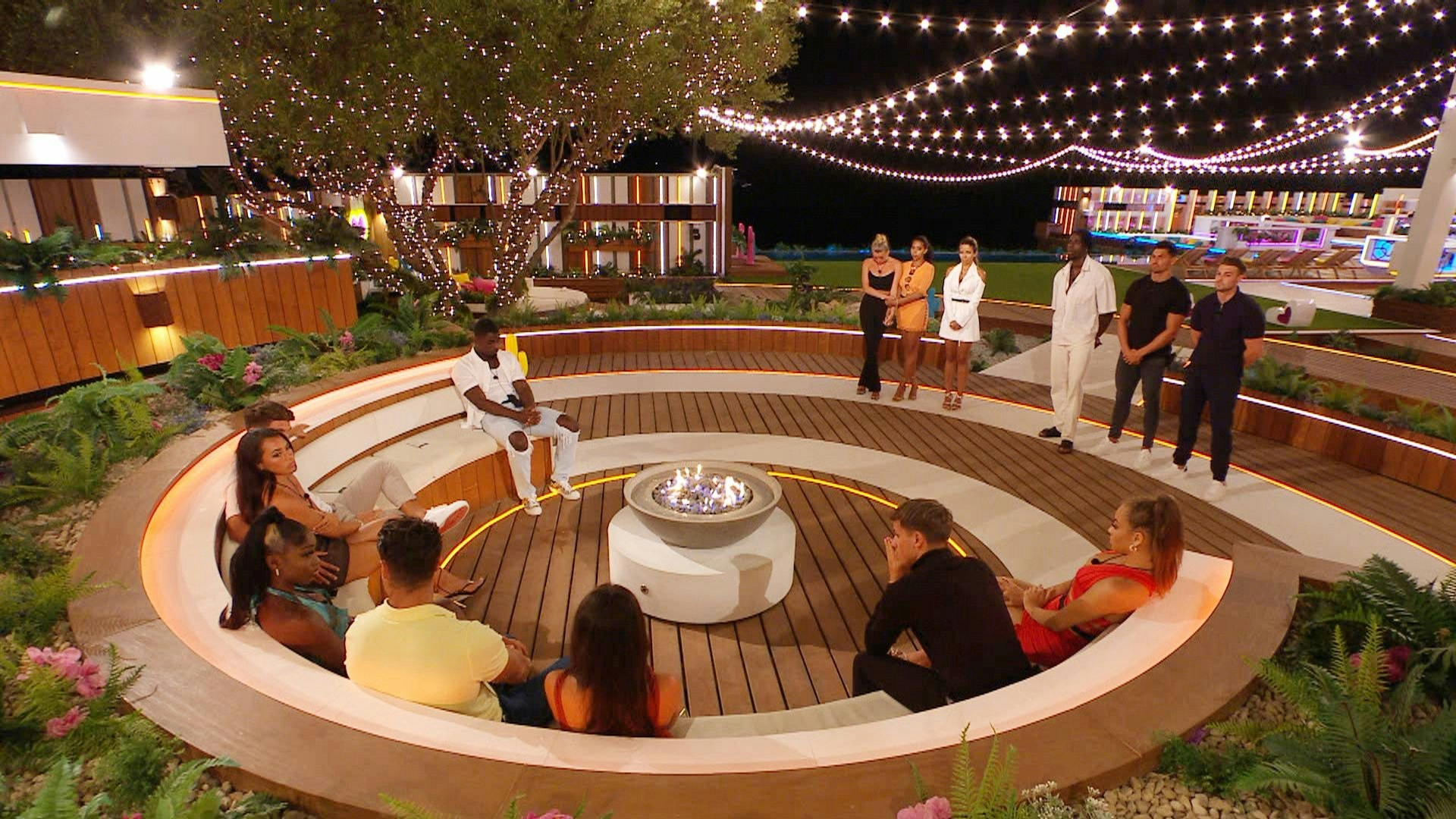
The Global Reality TV Phenomenon: How Love Island Changed Dating Shows Forever
Nova Patricks··9 min read
Ad SpaceArticle Top - 728x90
Advertisement
On the night of July 30, 2018, ITV2 became the most talked-about channel in Britain. An average of 3.6 million people, peaking at 4.1 million, watched Dani Dyer and Jack Fincham win Love Island, making the final the most-watched programme in the channel’s history at that point. A year later, the 2019 series went even bigger, averaging 5.61 million viewers across the season, the highest in the show’s run. For a programme about attractive twenty-somethings flirting around a pool in Mallorca, those are extraordinary numbers. They tell you something simple: Love Island stopped being a television show somewhere along the way and became a cultural operating system, one that has since been installed in roughly 28 countries and territories, including, briefly, Nigeria.
This is the story of how a relaunched ITV2 experiment rewired dating shows, built an influencer economy from scratch, forced an entire industry to rethink how it treats the people on screen, and why its relationship with African audiences remains complicated in ways that say as much about us as about the format.
From Forgotten Celebrity Show to Format Juggernaut
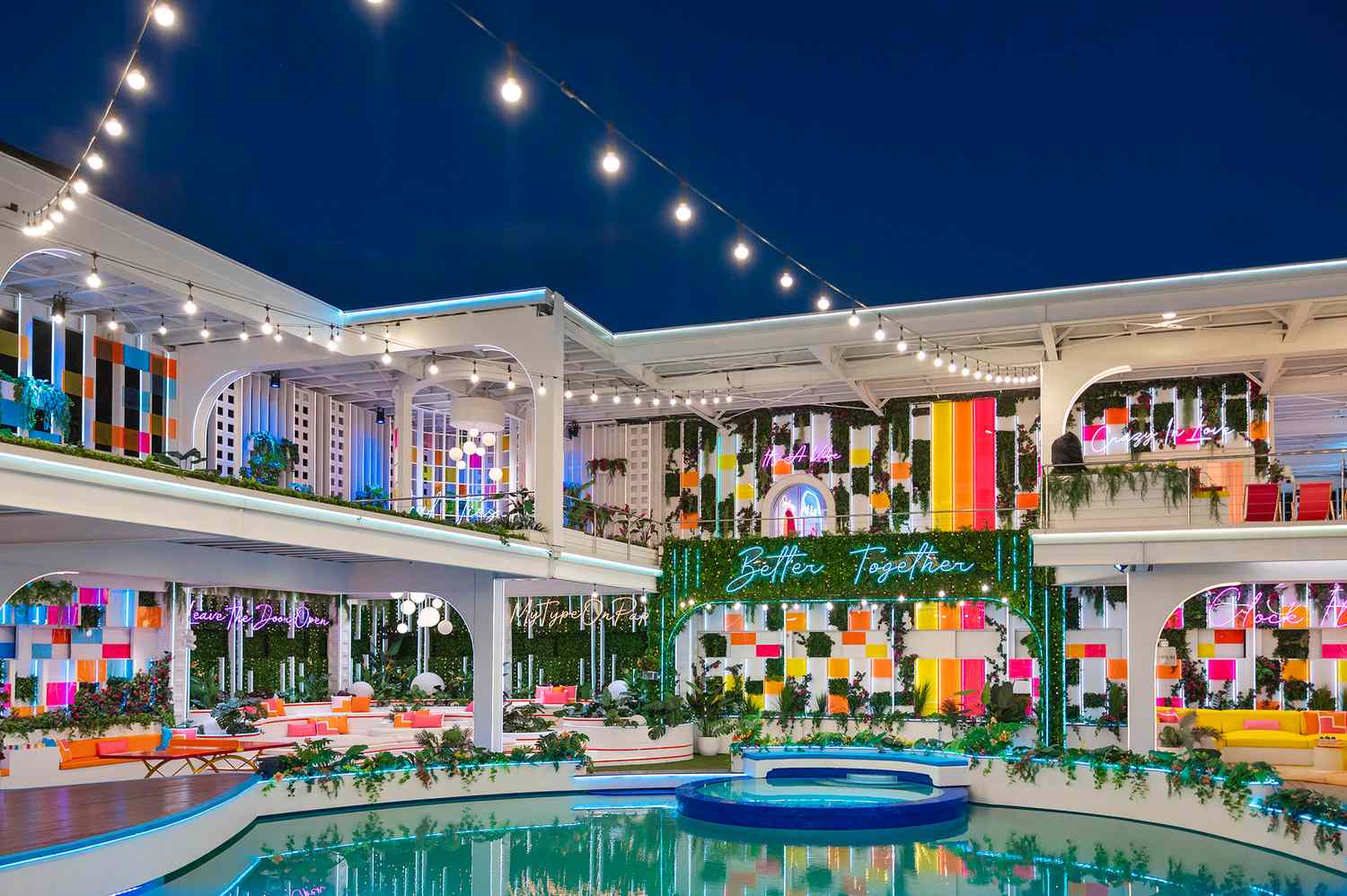
Most people assume Love Island began in 2015. It did not. The original version, Celebrity Love Island, ran on ITV in 2005 and 2006 with famous and semi-famous contestants, and it flopped hard enough to be quietly shelved. The 2015 relaunch on ITV2 was the real beginning: ordinary, telegenic singles instead of celebrities, a villa instead of a resort, and a stripped-down premise. Couple up, stay coupled, survive the public vote, win the cash.
The genius was in the machinery underneath. Love Island did not invent the dating show, but it industrialised it. Three mechanics in particular changed the genre.
First, the recoupling. At regular ceremonies, islanders must choose partners, and whoever is left single risks being dumped from the villa. This turned romance into a survival game with visible stakes. Every conversation became strategic. Every flirtation carried risk for someone else. Older dating shows like Blind Date or The Bachelor moved at the producer’s pace; recoupling made the contestants themselves the engine of the drama.
Second, Casa Amor, introduced in the show’s third UK series in 2017. Midway through the season, the couples are split, with one group sent to a second villa stocked with new temptations. Loyalty is tested in real time while the audience watches both villas at once. Casa Amor is now so embedded in the format that international versions treat it as non-negotiable, and the phrase itself has entered dating slang far beyond the show.
Third, the public vote. Viewers vote through an app to save couples, dump islanders and crown winners, often within hours of an episode airing. Combined with near-daily episodes across roughly eight weeks, this created an unbroken feedback loop between the villa and the audience. Love Island was arguably the first dating show built natively for the smartphone era: you watched it, voted on it, memed it and argued about it on the same device, every single night.
That nightly rhythm is the most copied and least appreciated innovation. A weekly dating show gives you an event. A daily one gives you a habit, closer to a soap opera or a football season than to traditional reality TV. Twitter (now X) threads, WhatsApp group debates and morning-after office conversations became part of the product. Broadcasters everywhere noticed.
The Influencer Factory
Love Island’s second great invention was not on screen at all. It was the post-villa career.
Before Love Island, reality TV fame was mostly a dead end: a few club appearances, a tabloid spread, then obscurity. Love Island arrived at the exact moment Instagram matured into a commercial platform, and the combination created a new economic species: the islander-influencer. Contestants entered the villa with a few thousand followers and left with millions, plus an audience that had watched them fall in love, cry and argue every night for two months. That parasocial intimacy turned out to be some of the most valuable advertising real estate in British pop culture.
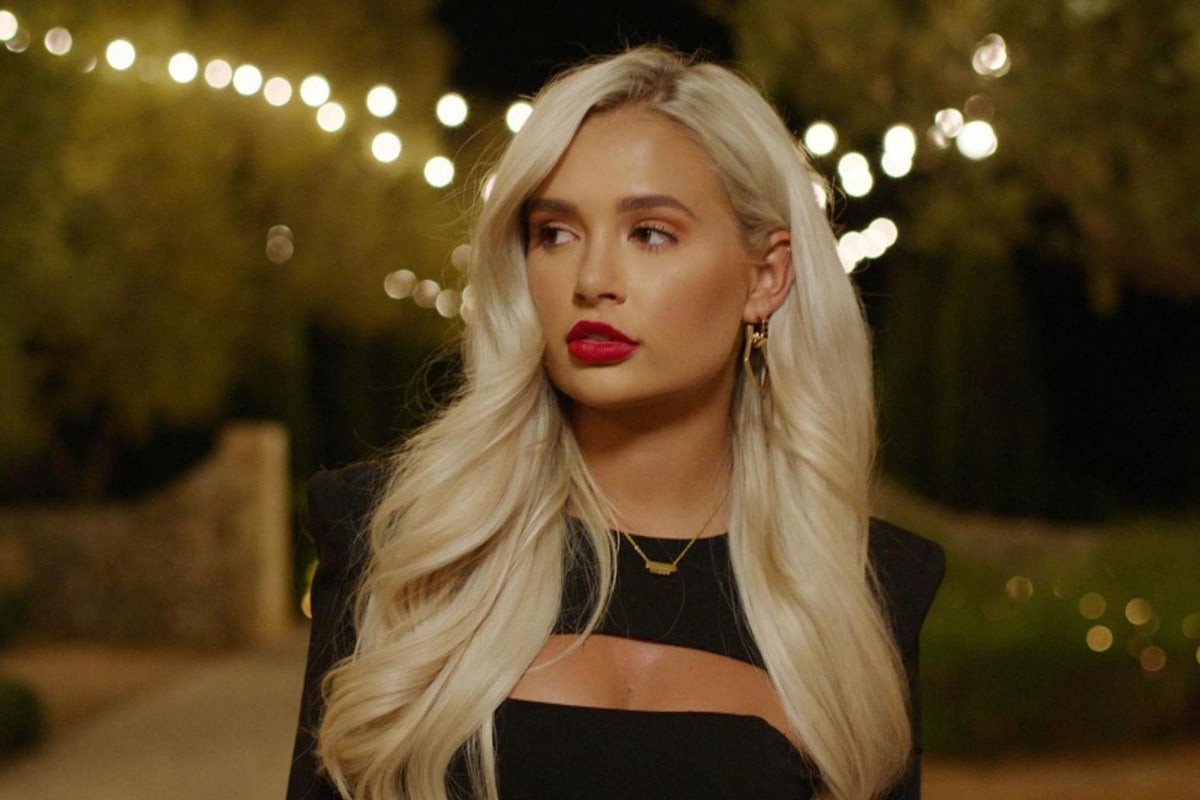
The canonical example is Molly-Mae Hague. She finished second, not first, on the 2019 UK series, and that distinction quickly became irrelevant. In August 2021, fast-fashion giant PrettyLittleThing named her its UK and EU creative director in a deal widely reported as worth seven figures, a staggering upgrade from the £500,000 ambassador deal she had signed in 2019. A 22-year-old who had been a social media influencer with a modest following before the villa was now directing campaigns for one of the biggest fast-fashion brands in Europe. Her subsequent ventures, including her own brands and documentary series, have made her arguably more famous than the show that launched her.
She is the headline case, but the pattern repeats across every successful season and territory: fashion deals, podcast empires, presenting gigs, beauty lines. The American version produced its own version of the phenomenon when Season 6’s JaNa Craig, Serena Page and Leah Kateb, the trio fans dubbed PPG, converted villa popularity into millions of followers and major brand campaigns almost overnight. The lesson the entire entertainment industry absorbed: a dating show is no longer just a show, it is a celebrity manufacturing plant, and the contestants know it. That knowledge changed casting, changed contestant behaviour and ultimately changed what audiences expect from reality TV stars like Charlie Georgiou, whose route from villa bombshell to full-time public figure is now a recognised career track rather than a fluke.
The Cost, and the Reckoning
The same machine that manufactured fame also exposed its dangers, and Love Island became the case study that forced reality television to confront its duty of care.
Ad SpaceIn-Article - 300x250
Advertisement
Sophie Gradon, who appeared on the 2016 UK series, died in June 2018. Mike Thalassitis, from the 2017 series, died in March 2019. Both deaths were ruled suicides, and both prompted intense public scrutiny of what happens to contestants after the cameras stop, when the trolling and the sudden fame arrive without any support structure. In May 2019, ahead of its fifth series, ITV published a comprehensive new duty of care protocol: psychological and medical assessments before filming, including evaluations by an independent doctor and reports from each islander’s own GP, mental-health-trained senior staff on site, and a structured aftercare programme.
Then, in February 2020, Caroline Flack, the presenter who had fronted the show through its rise and had stepped down months earlier while facing a court case, died by suicide. Her death shook British television in a way few events have. ITV again extended its protocols: aftercare now includes proactive contact with islanders for 14 months after their series ends, financial and management guidance, social media training, and in later seasons, restrictions on contestants’ accounts while they are in the villa.
It would be too generous to say Love Island solved the problem; the debate about whether any show built on public judgment of real people can ever be fully safe continues. But it is accurate to say the franchise’s tragedies rewrote the rulebook. Duty of care language that barely existed in reality TV contracts in 2015 is now standard across the industry, from the UK to the US to South Africa, and broadcasters commissioning any new format must answer welfare questions Love Island made unavoidable. That is part of the show’s legacy too, and arguably the most important part.
America Finally Catches the Fever
For years, Love Island USA was the franchise’s awkward cousin. It launched on CBS in 2019 to modest ratings, a network television show trying to replicate a streaming-native obsession. The move to Peacock in 2022 changed the conditions, and Season 6 in the summer of 2024 changed everything.
That season, filmed in Fiji and won by Serena Page and Kordell Beckham, the younger brother of NFL star Odell Beckham Jr, became a genuine American phenomenon. It racked up more than 1.1 billion minutes watched, topped US streaming charts in July 2024 ahead of shows like The Bear and The Boys, and roughly doubled the previous season’s audience to become Peacock’s most-watched original reality series. Kordell’s run is also a neat data point in a wider trend of sports families and athletes pivoting to reality TV, where the villa offers a faster route to mainstream celebrity than the field ever did.
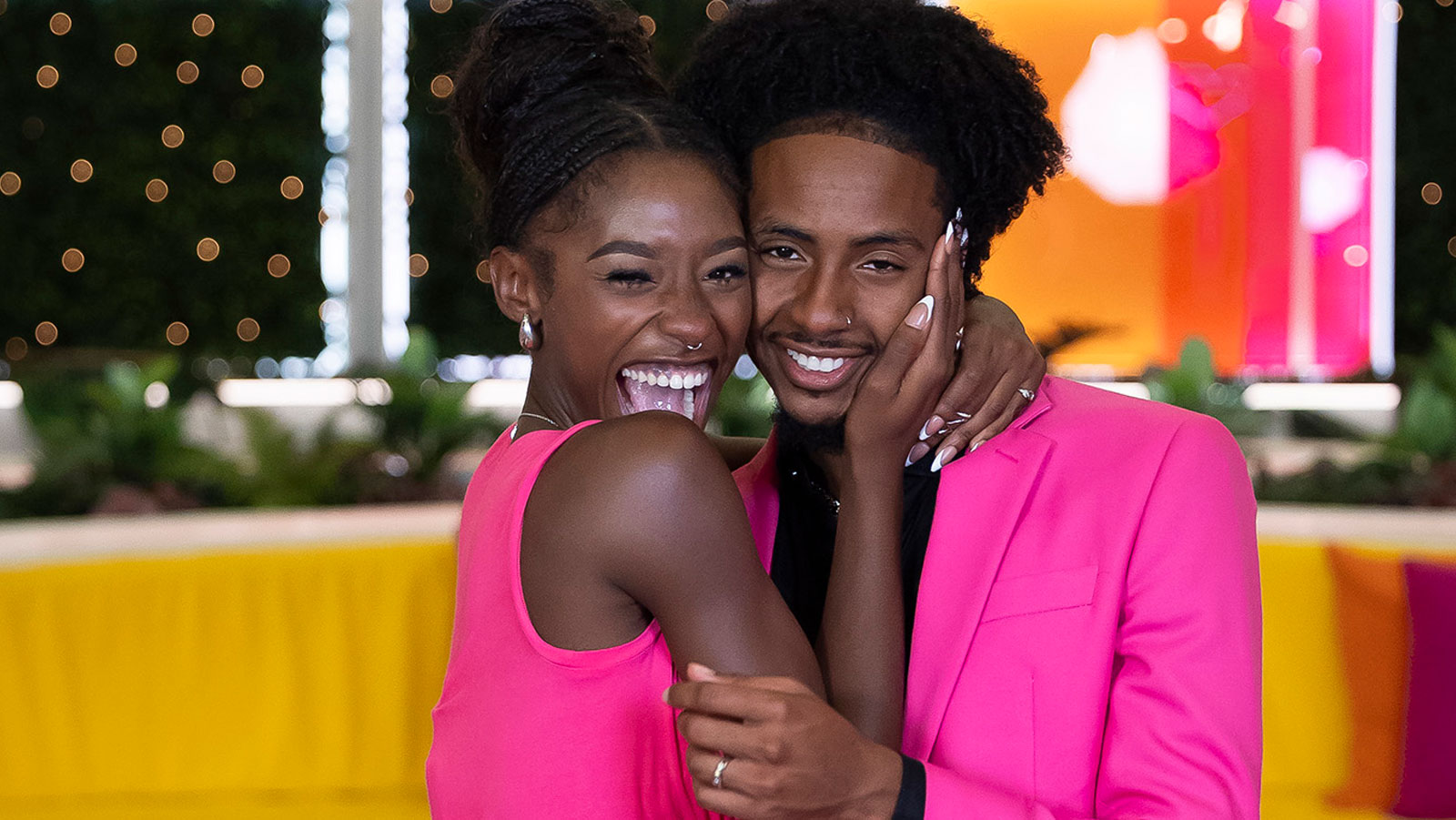
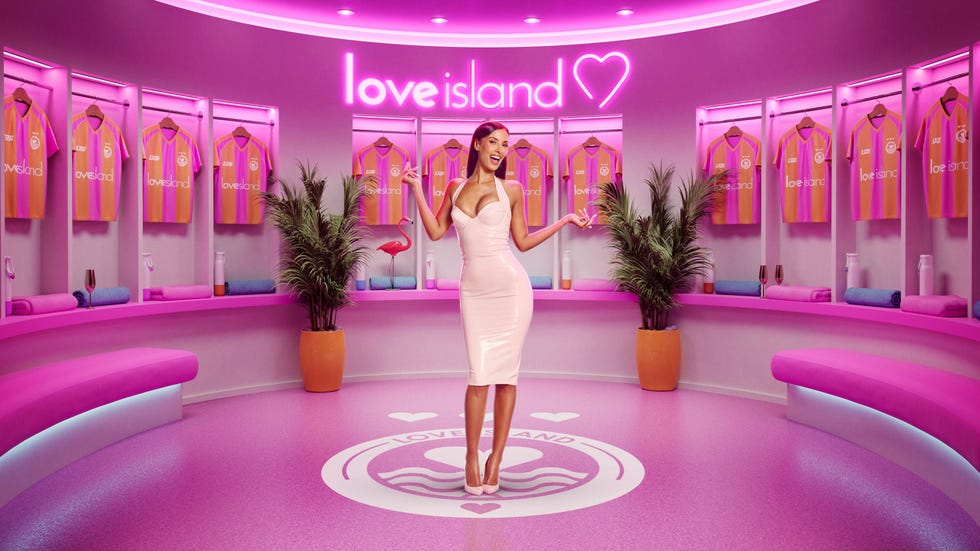
Season 7 in 2025 kept the momentum, ending with Amaya Espinal and Bryan Arenales, the franchise’s first Latino winning couple, taking the 100,000 dollar prize in the July 13 finale. And on June 2, 2026, Season 8 premiered on Peacock with Ariana Madix returning as host for a third run and Iain Stirling, the Scottish comedian whose sarcastic narration is the franchise’s connective tissue worldwide, back on voiceover duty. The new cast leans into the show’s self-aware fame machinery: among the islanders are a Paralympian, the daughter of a former NBA player and the brother of Season 7 bombshell Charlie Georgiou. Love Island USA is no longer an adaptation. It is the franchise’s centre of gravity for a global, extremely online Gen Z audience.
Love Island Comes to Africa, Stumbles, and Teaches a Lesson
The format’s African history is short and instructive. Love Island South Africa premiered on M-Net on February 28, 2021, the first African adaptation. It ran into trouble almost immediately, on two fronts. Technically, the early episodes were panned for poor sound, missing music and flat production. More damagingly, in a country whose population is more than 80 percent Black, the launch cast featured only three Black contestants, sparking a furious backlash; “Love Island Orania” trended on South African social media, and criticism poured in from Nigeria, the UK and the US. The show never recovered its credibility.
Nigeria’s own attempt followed. Love Island Nigeria was announced in 2021 for TVC, Free TV and MTV Base, and premiered in January 2022 as the first version of the format with an all-Black cast. It came and went with little of the cultural footprint its producers hoped for, and the franchise then went quiet in Nigeria, even as Nigerian-heritage islanders kept raising the country’s profile on the UK and US versions.
Why did the world’s most successful dating format struggle in Africa’s biggest entertainment market? The honest answer is that Nigeria already had its own villa. Big Brother Naija is, by a distance, the continent’s dominant reality franchise: recent seasons have drawn over 1.5 billion votes, aired across 49 African countries, and reported audiences north of 20 million. BBNaija owns the daily-habit, vote-from-your-phone, argue-on-X ecosystem that Love Island built in Britain, and it does so with a format better tuned to Nigerian sensibilities, where open courtship on television still collides with conservative family and religious values. A show whose entire premise involves sharing a bed with a stranger on night one was always going to face cultural friction that a general-purpose housemate show does not.
Yet the influence flows anyway. African producers have absorbed Love Island’s grammar wholesale: the recoupling-style eviction twists, the shake-up second locations, the bombshell entrances, the app voting, the deliberate construction of post-show influencer careers. BBNaija housemates now leave the house with brand ambassadorships effectively pre-negotiated, which is exactly the Molly-Mae playbook with a Lagos accent. Whether or not a Love Island Nigeria ever becomes appointment viewing, the format’s DNA is already in the continent’s bloodstream.
The Format That Ate the Genre
Step back and the scale becomes clear. One relaunched ITV2 show now spans roughly 28 countries and territories, from Australia to Germany, which got the first international version on RTL II in 2017, to Albania and the Balkans-wide Love Island Adria, plus spin-offs like Love Island Games and Love Island: All Stars. Between 15 and 20 seasons of Love Island are produced somewhere in the world in a typical year. The dating shows commissioned in its wake, from Too Hot to Handle to Perfect Match, are all answers to questions Love Island posed: how do you make romance a daily game, how do you wire the audience into the outcome, and how do you handle the fame you create?
The villa’s real legacy is that it collapsed the wall between watching and participating. Audiences no longer just observe a love story; they vote on it, meme it, follow it to Instagram and buy the fashion line it launches within the month. Somewhere in Lagos right now, a producer is sketching a format that borrows the recoupling, the bombshell and the aftercare clause without ever crediting the source. That is what winning looks like in television formats. The couples rarely last. The blueprint, eleven years on, absolutely has.
Ad SpaceIn-Article - 300x250
Advertisement
Share
Get the recap
Loved this story? Get more like it.
Join readers who get our weekly entertainment recap - the stories worth your time, delivered every Friday.
No spam. Unsubscribe anytime. By signing up you agree to our Privacy Policy.