
Table of Contents
- Lil Nas X Opens Up About His Mental Health Journey
- Understanding the Bipolar Disorder Diagnosis
- Looking Back at the Police Battery Arrest
- Therapy, Psychiatry, and the Road to Healing
- A Bigger Conversation About Mental Health in Music
- What Comes Next for Lil Nas X
Lil Nas X Opens Up About His Mental Health Journey

There are moments in a public figure’s life that reframe everything that came before them, and for Lil Nas X, this appears to be one of those moments. The Grammy-winning artist born Montero Lamar Hill has shared that he was diagnosed with bipolar disorder, a revelation that he has framed not as a defeat but as a step toward genuine self-understanding. Speaking candidly about the experience, the “Old Town Road” hitmaker noted that he now has both a therapist and a psychiatrist in his corner, describing that support system as a meaningful anchor in what has been a turbulent stretch of his life. For a star who has never shied away from showing the world who he really is - from his sexuality to his artistic risks - this disclosure feels entirely consistent with the openness he has built his public persona on.

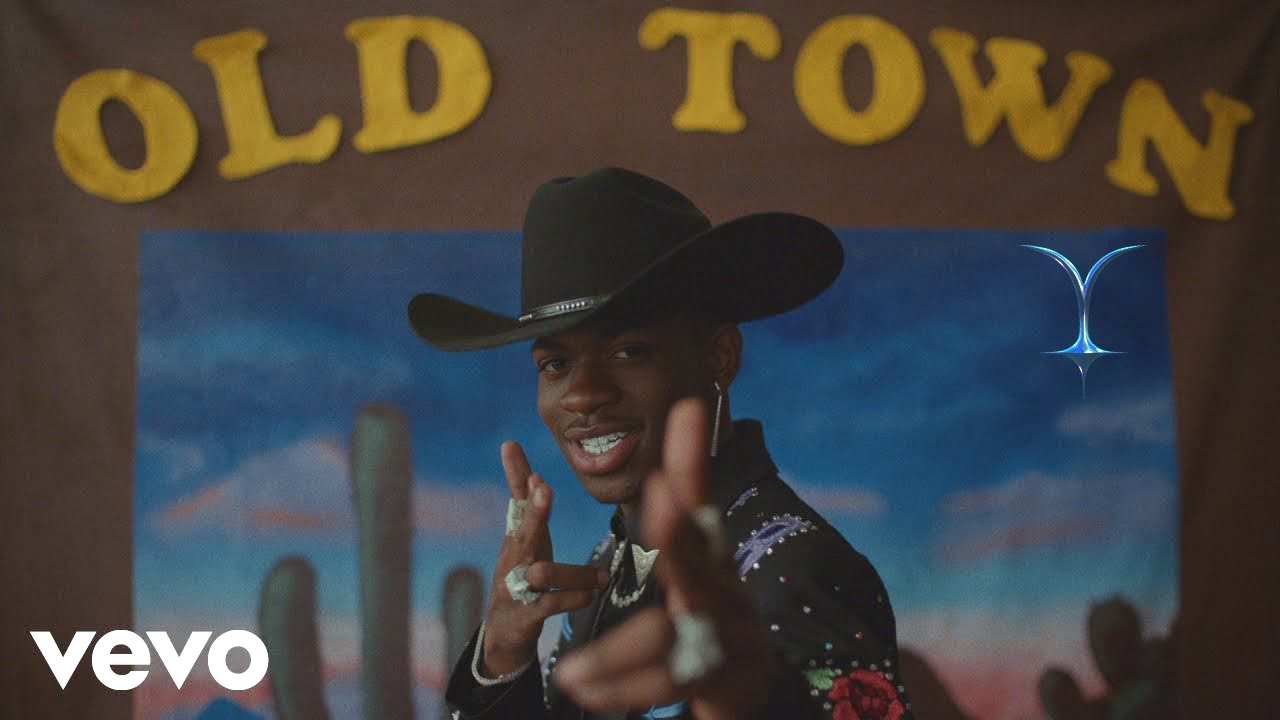
Lil Nas X has always occupied an unusual space in pop culture. He burst onto the scene in 2019 with a genre-blurring record that somehow merged country twang with trap beats, broke streaming records that had stood for decades, and did it all while being a young Black man who would later come out as gay in an industry that has historically been unkind to both identities. Since then, he has leaned into provocation, artistry, and vulnerability in equal measure, releasing his debut album Montero in 2021 to widespread critical acclaim. His journey has been anything but linear, and this latest chapter adds a layer of complexity to a story that has always been richer than a single chart hit could suggest.
Understanding the Bipolar Disorder Diagnosis
Bipolar disorder is a mental health condition characterized by significant shifts in mood, energy, and activity levels, typically cycling between episodes of elevated or manic states and periods of depression. It affects millions of people worldwide and is often misunderstood, frequently confused with simple mood swings or dismissed as a personality flaw rather than recognized as the serious, manageable medical condition it is. For someone navigating the highs and lows of global fame - the adoration, the criticism, the relentless scrutiny of social media - the condition could easily go unnoticed or be mistaken for the natural turbulence of a life lived in the spotlight. The fact that Lil Nas X is speaking about it openly is significant, not just for his own healing, but for the millions of fans who look to him as a voice for the unconventional and the unheard.

What makes this disclosure particularly compelling is the way Lil Nas X has framed it - not as a cry for sympathy, but as a piece of self-knowledge he is choosing to share. Getting a diagnosis, especially for something as complex as bipolar disorder, often brings with it a strange mix of relief and grief. Relief because the experiences you could never quite explain suddenly have a name, and grief because that name carries its own weight. The singer seems to be working through both of those realities simultaneously, and doing so in a way that models something important for his audience: that seeking professional help is not weakness, it is strategy.
Looking Back at the Police Battery Arrest

The mental health revelation comes nearly one year after Lil Nas X made headlines for a very different reason. In 2024, the artist was arrested and charged with battery on a police officer following an incident that drew enormous media attention and a wave of speculation about what was going on behind the scenes of his public life. Details surrounding the incident were scrutinized from every angle, with commentators, fans, and critics all offering their interpretations of what the moment said about the artist. At the time, there was no shortage of hot takes - but very little space given to the possibility that something deeper might be going on with a young man who had been under an extraordinary amount of pressure for years.
Looking back at that period now, with the context of a bipolar disorder diagnosis, it is hard not to view the arrest through a more compassionate lens. This is not to excuse any behavior or sidestep accountability - legal matters are legal matters. But it does underscore the broader point that mental health crises do not always look like what we expect them to look like. They do not always present as someone sitting quietly in distress. Sometimes they look like chaos, like conflict, like the kind of public unraveling that tabloids love to document and audiences are conditioned to consume without much curiosity about the human underneath. Lil Nas X himself has not explicitly connected the arrest to his diagnosis, but the timing of this disclosure invites reflection on what that year must have felt like from the inside.